The Resurgence of the 3D Collectathon: An In-Depth Look at Spiny & Chilly
The landscape of independent gaming is often defined by its ability to breathe new life into genres that mainstream AAA development has occasionally left behind. Among these, the "collectathon" platformer—a genre defined by expansive worlds, quirky character duos, and an obsessive need to gather every shiny object in sight—is seeing a vibrant renaissance. At the forefront of this movement is Spiny & Chilly, an upcoming title that marries whimsical character design with the nostalgic mechanical depth of the late 90s.
Featuring an unlikely partnership between a penguin and a hedgehog, Spiny & Chilly seeks to capture the magic of the Nintendo 64 era while introducing modern physics-based puzzles and gravity-defying exploration. Recently showcased at the Bilbao International Games (BIG) Conference, the game has begun to generate significant buzz for its unique movement mechanics and its charmingly absurd narrative.
Main Facts: A Duo United by Ice
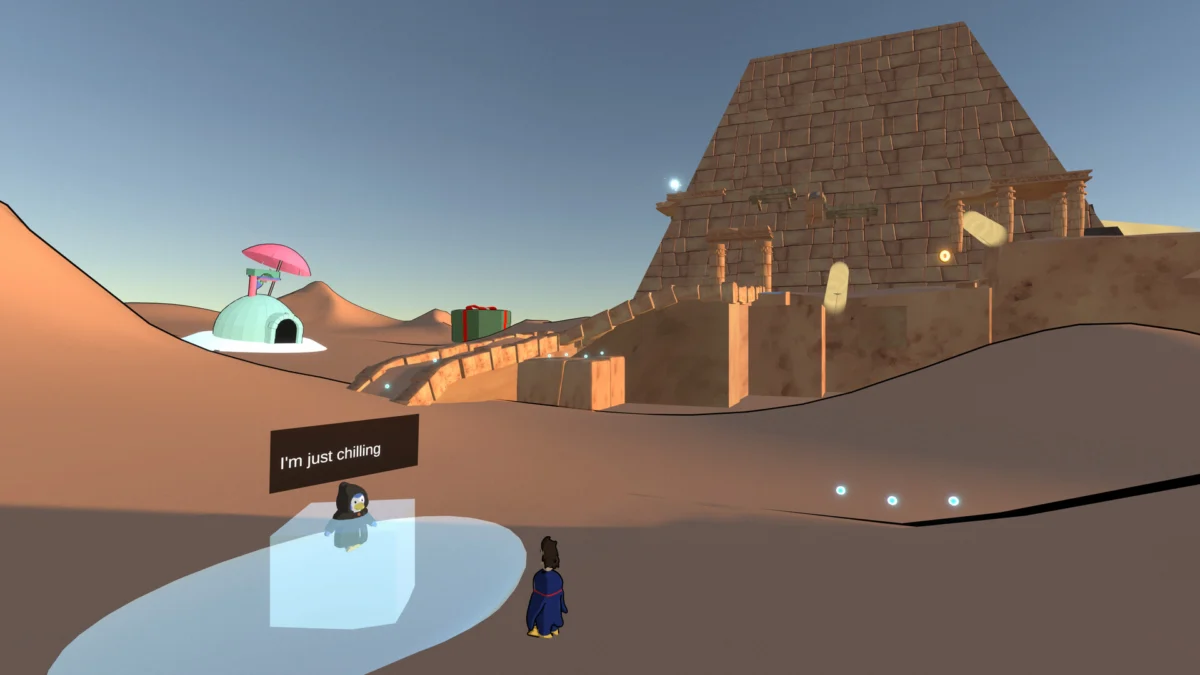
At its core, Spiny & Chilly is a single-player 3D platforming exploration game. The player controls Chilly, a penguin who carries Spiny, a hedgehog, atop his head. This stackable duo acts as a single mechanical unit, though their individual traits inform how the player interacts with the world.
The narrative premise is as eccentric as its protagonists: the world’s ice has been systematically stolen by a rival faction of penguins. Without ice, the world faces an existential—and perhaps more importantly for Chilly, an emotional—crisis. The duo must traverse a series of interconnected, large-scale environments to recover these stolen ice blocks.
Key features of the game include:
- A Unique Duo Dynamic: While the player controls one entity, the animations and abilities reflect the combined efforts of a bird and a mammal.
- Expansive Exploration: Large, open-ended levels that reward curiosity and vertical movement.
- Gravity Manipulation: Mechanics that allow the players to shift their orientation, facilitating complex 3D puzzles.
- Retro Inspiration: A design philosophy heavily influenced by Banjo-Kazooie and Super Mario 64, focusing on the joy of movement and the satisfaction of "clearing" a map.
Chronology: From Concept to the BIG Conference
The development of Spiny & Chilly follows a trajectory common among passion-driven indie projects. While the specific founding date of the studio remains internal, the game’s public-facing journey reached a significant milestone during the most recent Bilbao International Games Conference.
The BIG Conference (formerly known as the Fun & Serious Game Festival) has become a premier European hub for indie developers to showcase early builds to industry veterans and the press. It was here that the developers of Spiny & Chilly presented a playable demo that highlighted the game’s core loop: exploration, platforming, and collection.
Initial impressions from the conference noted that while the game is still in an early stage of development, the fundamental "feel" of the movement—often the make-or-break element of any platformer—was already showing promise. The developers utilized the event to gather feedback on the game’s pacing, particularly regarding the vast open spaces between major puzzle hubs. Since the conference, the game has been listed on Steam, allowing the growing community to wishlist the title as it moves toward a full release.
Supporting Data: Mechanics and World-Building
To understand why Spiny & Chilly stands out in a crowded indie market, one must look at the specific mechanical data and environmental design choices made by the development team.
The Physics of a Penguin-Hedgehog Stack
The movement in Spiny & Chilly is not merely about jumping from point A to point B. The game incorporates a physics-driven model that requires players to account for momentum. Chilly’s waddle and slide are complemented by Spiny’s utility. In traditional collectathons, the "second" character often provides a double jump or a gliding mechanic (similar to Kazooie’s wings). In Spiny & Chilly, the developers are experimenting with how these two distinct animals can interact with environmental objects like bouncy platforms and gravity wells.
Environmental Diversity
The demo showcased several distinct "biomes," each designed to test different aspects of the player’s skill:
- Haunted Harbors: A level focusing on atmospheric storytelling and environmental puzzles involving water and spectral obstacles.
- Floating Islands: A high-stakes verticality test where gravity shifts are most prevalent, forcing players to navigate the underside of platforms.
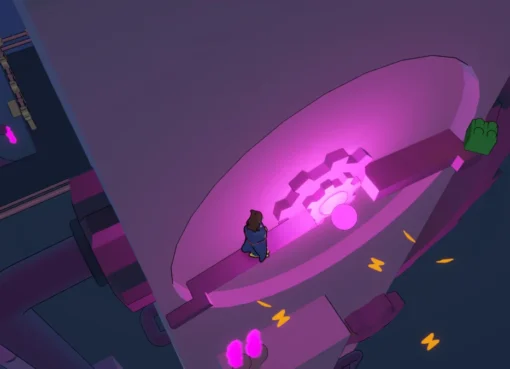
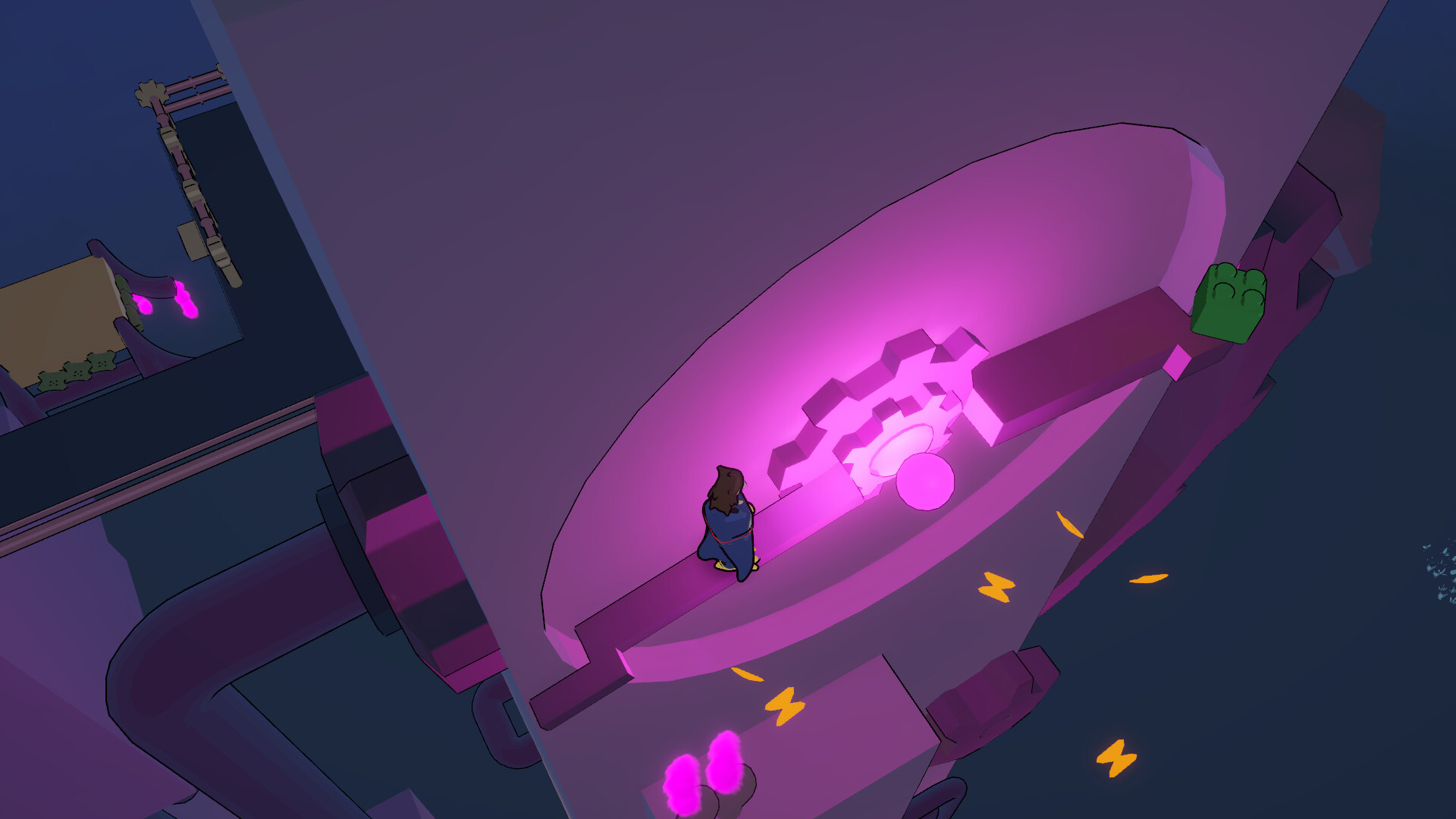
- Clockwork Towers: Mentioned in promotional imagery, these areas suggest a focus on precision timing and rotating machinery.
The Collectathon Loop
The primary "currency" of progress is the ice block. Much like the Power Stars in Super Mario 64 or the Jiggies in Banjo-Kazooie, ice blocks are often gated behind specific challenges. Some are placed in plain sight, requiring only basic platforming, while others require the player to solve a "world puzzle"—such as activating a series of switches or navigating a timed obstacle course.
Official Responses: The Developer’s Vision
During the BIG Conference, the developers spoke at length about the creative spark behind the game. The overarching sentiment was one of "unapologetic nostalgia."
"We wanted to create a world that felt like the games we grew up with, but with the technical polish that modern hardware allows," the lead developer shared during a press interaction. The choice of a penguin and a hedgehog was born out of a desire for "wackiness"—a trait the developers believe is missing from many modern, hyper-realistic titles.
The development team acknowledged the "learning curve" that early players experienced. "Movement in a 3D space is difficult to master. We are fine-tuning the controls to ensure that while there is a challenge, the player never feels like they are fighting the camera or the character’s weight." This commitment to "game-feel" is a response to the common criticism of indie 3D platformers, which often struggle with floaty physics or imprecise landing logic.
Furthermore, the developers emphasized that the "empty space" noted by some testers is a deliberate choice intended to evoke a sense of scale, though they are actively working on populating those stretches with "micro-secrets" to ensure the player’s time is always valued.
Implications: The State of the 3D Platformer in 2024 and Beyond
The emergence of Spiny & Chilly speaks to a broader trend within the gaming industry. For over a decade, the 3D platformer was considered a "dead" genre by major publishers, with the exception of Nintendo’s Mario franchise. However, the success of titles like A Hat in Time and Yooka-Laylee proved that there is a massive, underserved audience hungry for non-combat-oriented exploration games.
The "Cozy-Platformer" Hybrid
Spiny & Chilly also sits at the intersection of the "cozy gaming" trend and traditional platforming. By removing high-stakes combat and focusing on a colorful, humorous world, the game appeals to a demographic that seeks relaxation alongside mechanical challenge. This positioning is strategic, as it allows the game to capture both the hardcore speedrunning community and casual players who enjoy the "vibes" of a whimsical world.
Technical Accessibility
By developing for PC via Steam, the creators are leveraging a platform that is increasingly friendly to indie titles with high-fidelity 3D graphics. The use of modern engines allows for lighting and particle effects (such as the glisten of the ice blocks) that would have been impossible during the era the game emulates. This "Neo-Retro" aesthetic—modern tech used to recreate old-school feelings—is becoming a dominant force in indie development.
The Role of Indie Showcases
The success of Spiny & Chilly at the BIG Conference highlights the continued importance of regional gaming events. For a small team, the ability to get their game in front of international press in Bilbao is the difference between a successful launch and being buried in the thousands of titles released on Steam every month. It serves as a reminder that the "indie scene" is a global ecosystem where a quirky idea from a passionate developer can find a worldwide audience.
Conclusion: A Cold Quest with a Warm Heart
Spiny & Chilly is more than just a game about a penguin and a hedgehog; it is a love letter to a specific era of gaming history. While it faces the challenge of perfecting 3D movement and balancing its world-building, the passion of its developers and the charm of its protagonists provide a solid foundation.
As the game continues its development cycle, the focus will likely shift toward refining the "gravity shift" mechanics and ensuring the variety of the worlds remains high. For fans of the collectathon genre, Spiny & Chilly represents a promising new entry that understands the most important rule of platforming: the journey to the collectible should be just as fun as the reward itself.
The game is currently available for wishlisting on Steam, with further updates regarding a release window and potential console ports expected in the coming year. In an industry often dominated by gritty shooters and complex RPGs, the simple joy of a penguin looking for ice might be exactly what the market needs.