Culinary Rebellion: Inside the High-Stakes World of ‘The Snackbar at the End of the World’
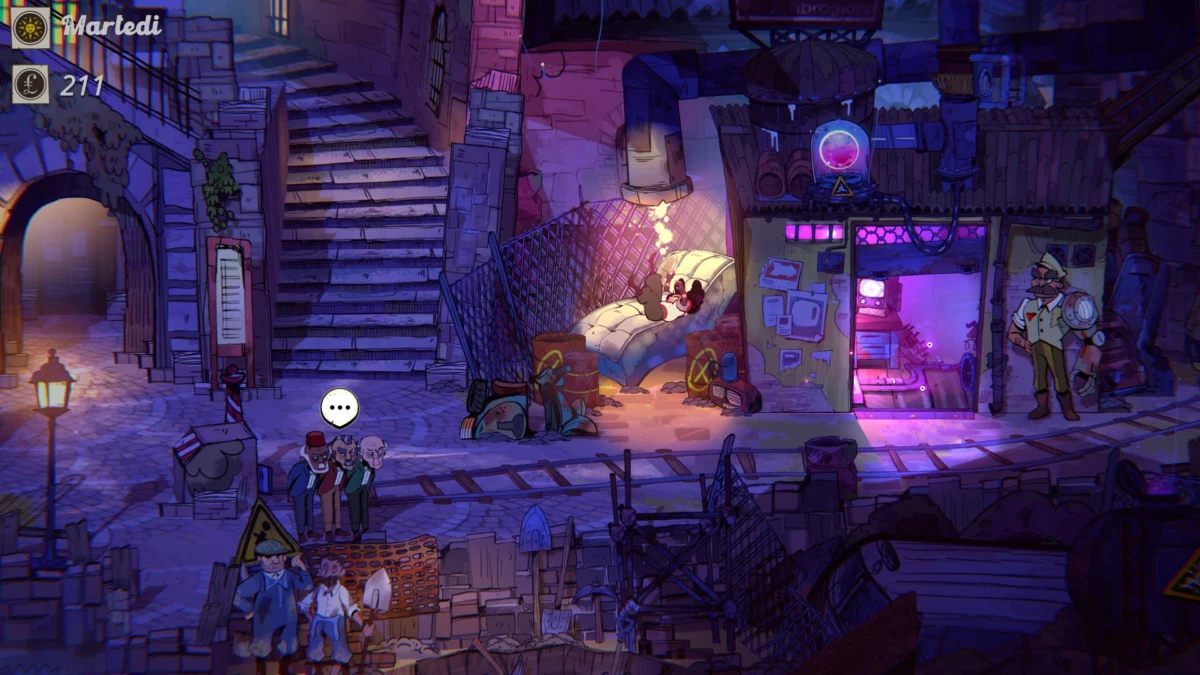
In the ever-evolving landscape of independent game development, genre-blending has transitioned from an experimental niche to a gold standard for innovation. The latest title to capture the industry’s attention is The Snackbar at the End of the World, a narrative-driven adventure RPG that seeks to fuse the high-pressure environment of restaurant management with the high-stakes adrenaline of survival-based combat.
Developed with a keen eye for "cozy-with-a-bite" aesthetics, the game challenges players to navigate a world where the ingredients for a perfect pasta dish are just as likely to kill you as they are to satisfy a customer’s hunger. Following the recent release of its official reveal trailer and the launch of its Steam store page, the title is being positioned as a significant contender in the "lifestyle-sim-with-a-twist" genre, currently popularized by titles like Dave the Diver and Stardew Valley.
Main Facts: A Genre-Defying Gastronomic Adventure
The Snackbar at the End of the World is not a traditional cooking simulator. While players are tasked with restoring their family’s struggling restaurant to its former glory, the path to success is paved with danger. The game’s core loop revolves around three primary pillars: culinary management, tactical combat/stealth, and socio-political rebellion.
The Narrative Stakes
The story centers on a protagonist who must step into the role of a chef under dire circumstances. The family’s matriarch—the player’s aunt—has been arrested by a tyrannical government for the "crime" of foraging in the "Forbidden Wilds" beyond the city walls. This forbidden zone is the only source of the magical, high-quality ingredients required to keep the restaurant afloat and earn enough money to secure the aunt’s release. The player must now follow in her footsteps, risking imprisonment or death to gather the materials needed for their menu.
Combat Against the Harvest
The game’s most striking feature is its interpretation of ingredients. In the magical area beyond the city walls, vegetables have evolved with human characteristics. They are sentient, mobile, and decidedly unwilling to be harvested. Players must engage in combat with anthropomorphic produce—fighting off aggressive leeks or dodging sentient potatoes—to secure the day’s stock. For those who prefer a less violent approach, the game offers stealth mechanics, allowing players to sneak past "walking food" to harvest stationary flora.
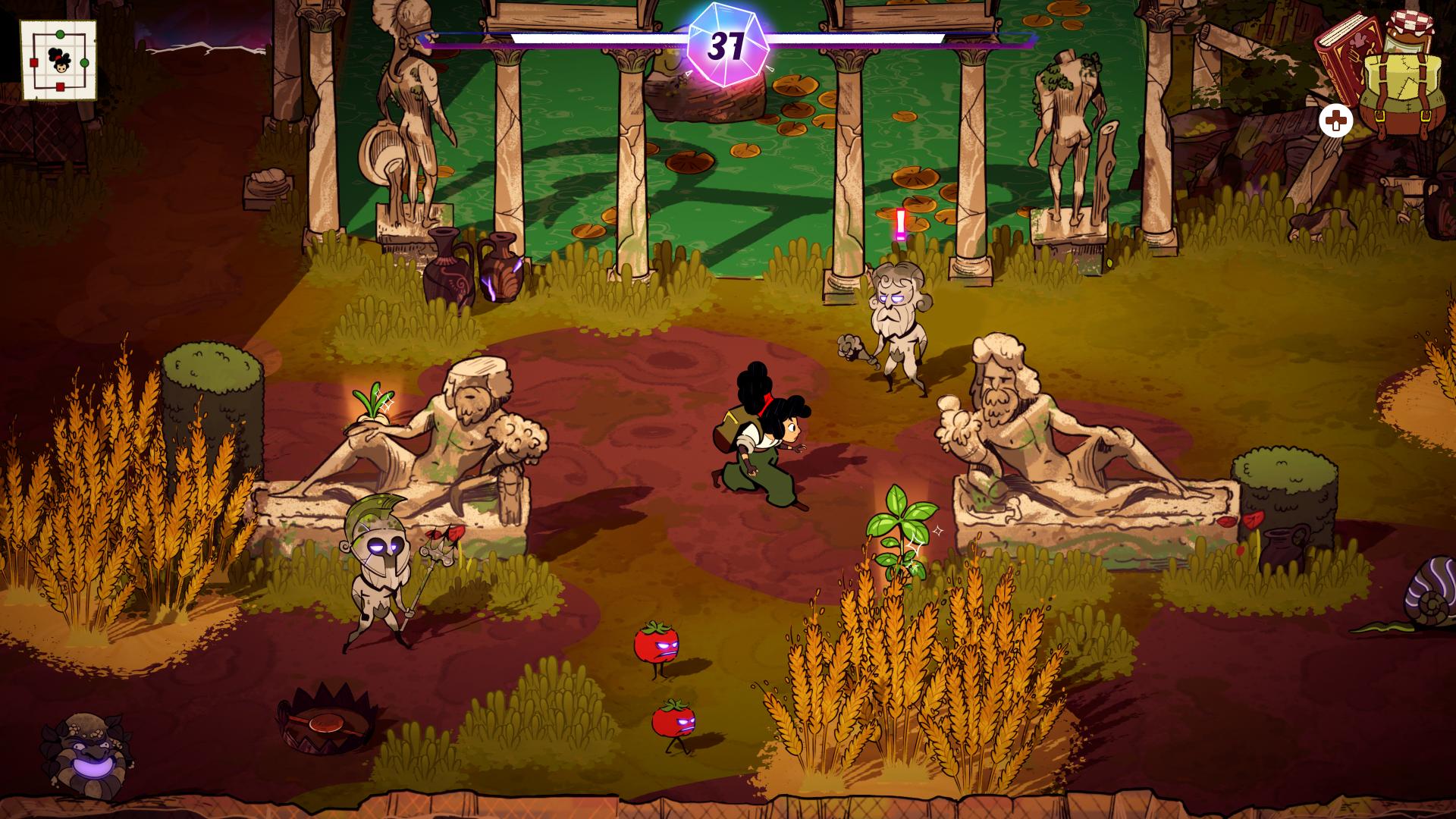
Beyond the Kitchen
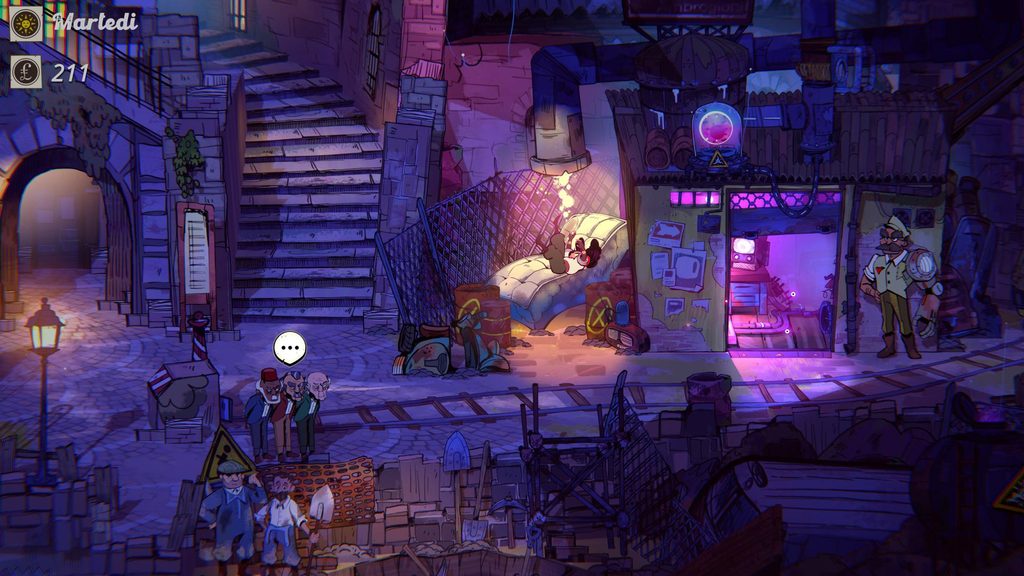
Unlike many restaurant simulators that confine the player to a single building, The Snackbar at the End of the World encourages urban exploration. Players can explore their neighborhood, interact with a cast of quirky NPCs, and invest their earnings into upgrading the town itself. This adds a layer of community-building that ties the restaurant’s success directly to the prosperity of the surrounding area.
Chronology: From Concept to Official Reveal
The journey of The Snackbar at the End of the World reflects a growing trend in indie development where narrative depth is prioritized alongside mechanical complexity.
- Initial Development Phase: The project began as an exploration of the "forbidden fruit" trope, transposed into a culinary setting. The developers sought to create a world where the act of cooking was an act of defiance.
- Visual Identity Formation: Early screenshots showcased a vibrant, detailed art style that juxtaposes the warmth of a family kitchen with the eerie, neon-lit mystery of the "Forbidden Wilds."
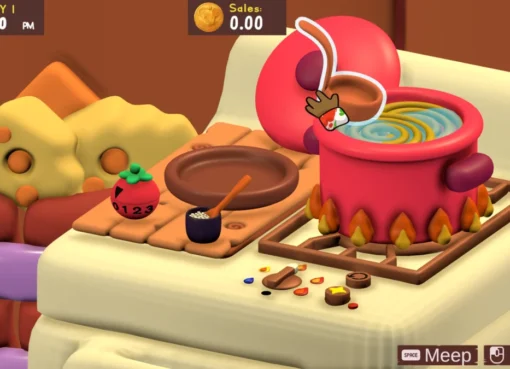
- Steam Page Launch (November 2026): The game officially entered the public eye with the launch of its Steam page, providing the first detailed look at the game’s mechanics, including the "mini-game-esque" interactions required for cooking.
- The Official Reveal Trailer: The release of the trailer (linked in recent press kits) showcased the transition between day and night cycles. It highlighted the contrast between the peaceful, rhythmic nature of the kitchen and the tense, survival-focused gameplay of the wilds.
- Current Status: The game is currently in active development, with a focus on refining the combat-to-cooking pipeline and expanding the narrative branches involving the town’s tyrannical ruler.
Supporting Data: The Rise of the "Hard-Core" Cozy Game
The market for The Snackbar at the End of the World is bolstered by recent data indicating a shift in player preferences. According to industry analysis of Steam’s top-performing indie titles over the last 24 months, "hybrid sims"—games that mix relaxing activities (farming, cooking) with high-intensity mechanics (combat, dungeon crawling)—have seen a 35% increase in player retention compared to pure simulators.
- Genre Popularity: The "Cooking RPG" sub-genre has seen a surge in interest. Players are no longer satisfied with just "making the food"; they want to know where it came from and what the consequences of gathering it are.
- Narrative Engagement: Steam data suggests that "high-stakes" narratives in simulation games (such as saving a family member or fighting a government) increase "wishlist-to-purchase" conversion rates by nearly 20% compared to open-ended "sandbox" sims.
- Visual Style: The use of high-definition pixel art or stylized 2D/3D hybrids—as seen in the game’s screenshots—continues to be the preferred aesthetic for the "indie-darling" demographic, appealing to both nostalgia and modern hardware capabilities.
Official Responses and Developer Vision
While the developers have remained largely focused on production, the messaging surrounding the reveal trailer provides insight into their creative philosophy.
In the official Steam description, the team emphasizes the "narrative-driven" aspect of the adventure. They state that the game is designed to be "an interesting mix of cooking, fighting, and exploration in a fresh, new way." The inclusion of a "tyrannical ruler" is a deliberate choice to ground the fantastical elements of sentient vegetables in a relatable human struggle against authority.
Community managers for the project have noted that the cooking mini-games are designed to be intuitive yet rewarding, moving away from the "frantic" style of games like Overcooked and toward a more "rhythmic and soulful" representation of the culinary arts. The goal is to make the player feel like a chef who is crafting a masterpiece from hard-won ingredients, rather than a line cook struggling against a timer.
Implications: A New Era for Indie RPGs
The emergence of The Snackbar at the End of the World carries several implications for the future of the indie gaming sector:
1. The Death of the "Single-Loop" Sim
The success of this title’s reveal suggests that the days of the "single-loop" simulator (where you only cook or only farm) may be numbered. Players are increasingly demanding multi-faceted experiences where their progress in one area (combat) directly fuels their progress in another (restaurant management).
2. Socio-Political Themes in "Cozy" Spaces
By introducing themes of government surveillance and forbidden zones, the game challenges the "escapist" nature of cozy games. It suggests that even in a world of magical vegetables, one cannot escape the realities of power and systemic oppression. This "socially conscious" approach to game design is expected to become more prevalent as indie developers use their platforms to explore complex societal issues.
3. The "Ingredient-as-Enemy" Mechanic
The concept of fighting your food before you cook it offers a unique take on resource management. This mechanic forces players to value their inventory more highly. When a tomato isn’t just a pixel you clicked on, but a creature you had to outmaneuver or defeat, the act of serving that tomato to a customer carries more weight.
4. Community-Driven Town Upgrades
By allowing players to upgrade the entire neighborhood, the game taps into the player’s desire for legacy. This mechanic ensures that the game doesn’t end at the restaurant’s front door, providing a broader sense of purpose and a longer "end-game" for dedicated players.
Conclusion
The Snackbar at the End of the World is more than a quirky title with a catchy name. It is a sophisticated attempt to merge disparate gameplay styles into a cohesive, narrative-heavy experience. By raising the stakes of the culinary world to include family rescue and political rebellion, it elevates the "chef sim" to the level of an epic adventure.
As the game moves toward its full release, it stands as a testament to the creativity of the indie scene—a place where even a simple snackbar can become the front line of a revolution. Potential players are encouraged to visit the Steam page to wishlist the title, ensuring they are ready to step into the kitchen—and the wilds—when the end of the world finally arrives.