[Spoiler Alert: Minor spoilers ahead. Readers who have yet to finish Waylander, Legend, or Sword in the Storm may wish to proceed with caution.]
Main Facts: Unveiling the Enduring Appeal of a Fantasy Icon
David Gemmell, a name synonymous with the very essence of heroic fantasy, continues to captivate readers years after his passing. His prolific career birthed worlds teeming with conflict, courage, and complex characters who, despite their monumental deeds, remained profoundly human. Gemmell’s distinct voice carved a niche in the genre, offering narratives that were as emotionally resonant as they were action-packed, a testament to his ability to blend epic scope with intimate character studies.
This article delves into the enduring legacy of David Gemmell, exploring the hallmarks of his masterful storytelling through an in-depth look at three of his most iconic works: Waylander, Legend, and Sword in the Storm. These chosen novels, while distinct in their settings and protagonists, collectively embody the thematic richness and narrative prowess that cemented Gemmell’s status as a beloved author. They serve as vivid illustrations of his profound understanding of the human condition, illuminating the often-unseen struggles that define true heroism, even in the most unlikely of individuals. From assassins grappling with redemption to grizzled warriors facing impossible odds and young leaders forged in the crucible of war, Gemmell’s heroes are rarely perfect, yet it is precisely their imperfections, their doubts, and their capacity for both great good and terrible mistakes, that make them so compelling and unforgettable.
Chronology: The Evolution of a Legend’s Narrative Tapestry
Born in London, England, David Gemmell embarked on his writing career later in life, a journey that would ultimately reshape the landscape of heroic fantasy. His entry into the literary world was anything but conventional, with his seminal work, Legend, initially penned as a means to distract himself during a period of uncertainty while awaiting biopsy results for a suspected cancer. This deeply personal genesis imbued Legend with an urgency and raw emotional power that resonated deeply with readers upon its publication in 1984.
Legend not only marked Gemmell’s debut but also introduced the world to the Drenai Saga, a sprawling epic that would become the cornerstone of his bibliography. The success of this first novel quickly established Gemmell as a formidable new voice, known for his gritty realism, uncompromising portrayal of warfare, and, most importantly, his profoundly human characters. While Legend introduced the archetypal hero Druss, subsequent books in the Drenai Saga, like 1986’s Waylander, showcased Gemmell’s willingness to explore the darker, more morally ambiguous corners of heroism. Waylander, despite being the third book chronologically within the Drenai narrative, offered readers a prequel experience, delving into the origins of the chaos that set the stage for later events. This allowed Gemmell to expand his thematic range, exploring concepts of guilt, redemption, and the possibility of transformation in characters who had committed heinous acts.
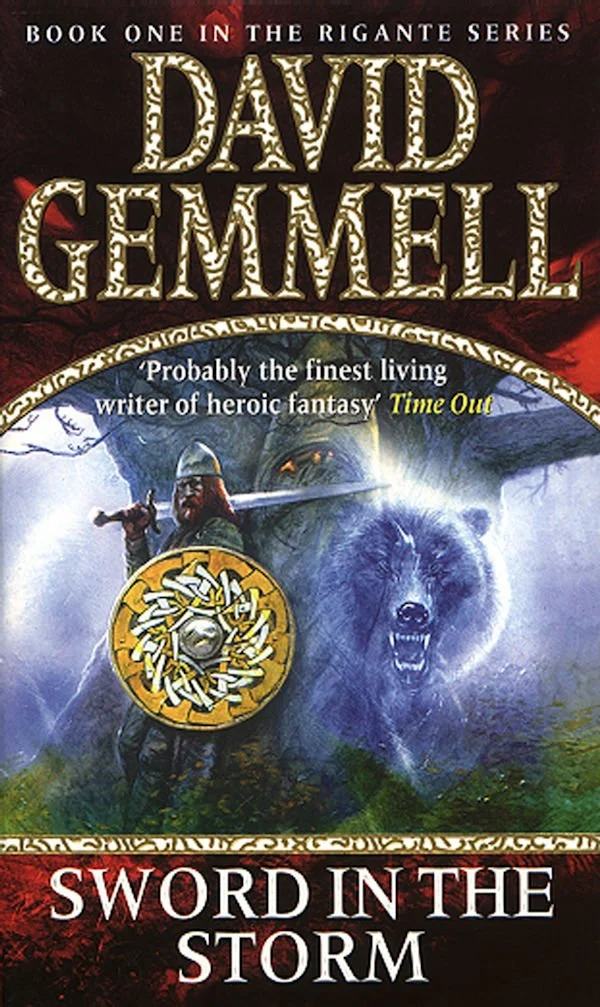
Later in his career, Gemmell continued to innovate, moving beyond the Drenai Saga to create entirely new worlds and cultures. The Rigante series, inaugurated by Sword in the Storm in 1999, represented a significant evolution in his storytelling. Drawing inspiration from Celtic mythology and tribal societies, this series allowed Gemmell to explore themes of coming-of-age, cultural clash, and the shaping of a leader through hardship and moral compromise. Sword in the Storm exemplified a more polished prose style compared to his earlier works, while retaining the raw emotional impact and character-driven narrative that defined his appeal. Throughout his career, Gemmell consistently demonstrated a commitment to fast-paced storytelling, lean prose, and an unwavering focus on the human heart of his epic tales, ensuring that each new publication was met with eager anticipation by a devoted readership.
Supporting Data: An In-Depth Analysis of Key Works
David Gemmell’s genius lay in his ability to craft narratives that, while steeped in fantastic elements, remained firmly grounded in relatable human struggles. The three selected novels – Waylander, Legend, and Sword in the Storm – stand as powerful testaments to this skill, each offering a unique lens through which to examine his signature themes.
Waylander: The Slayer’s Redemption
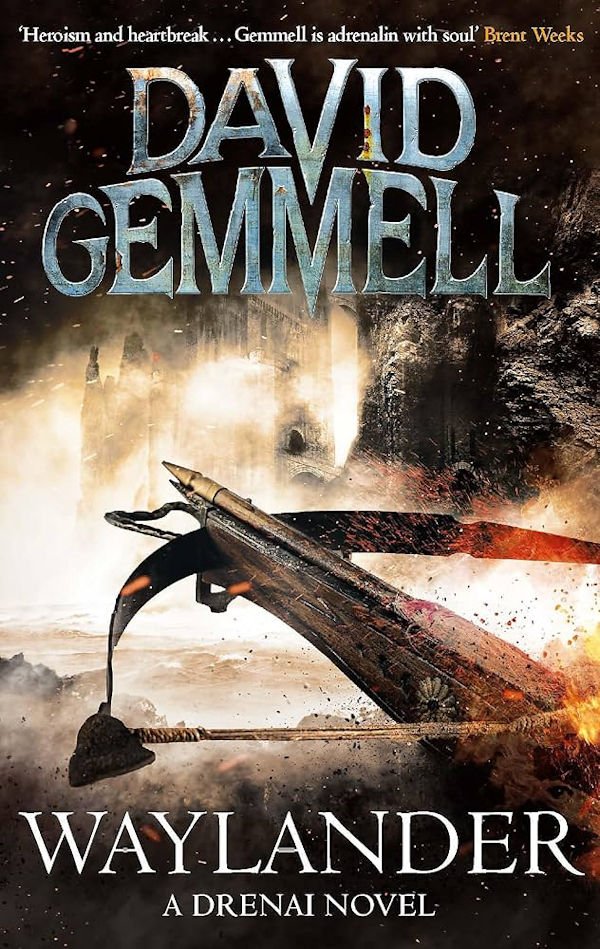
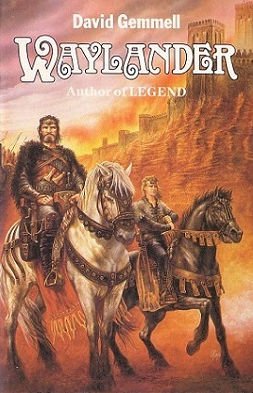
Waylander, the third instalment in the Drenai Saga but chronologically a prequel, plunges readers into a realm on the brink of collapse, brought low by the very man it now seeks to save. The narrative introduces Waylander, a figure of infamy, the "Slayer" responsible for the assassination of the Drenai king, an act that opened the floodgates for the invading Vagrian hordes. Gemmell masterfully crafts a protagonist who is, at first glance, utterly devoid of redeeming qualities – a cynical, amoral assassin whose past is stained with betrayal and murder.
Yet, it is precisely this morally compromised starting point that makes Waylander’s journey so compelling. Burdened by a deep-seated, if often suppressed, guilt, he is thrust onto an epic quest to retrieve the legendary Armour of Bronze. This mission is not merely a desperate gambit for the Drenai’s survival; it is Waylander’s crucible, a path forced upon him that slowly, painfully, coaxes out the remnants of his buried humanity. His interactions with characters like Dardalion, the idealistic priest, and Danyal, a woman protecting vulnerable children, serve as catalysts, chipping away at his hardened exterior. Gemmell excels at portraying this gradual, arduous process of rediscovery, demonstrating that redemption is not a single, grand act, but a series of difficult choices made in the face of overwhelming odds. Waylander’s transformation is never clean or absolute; he remains a dangerous, pragmatic killer, but one who chooses, in crucial moments, to act with loyalty, courage, and even love. This exploration of whether a man who has committed terrible deeds can still aspire to something better forms the powerful moral core of the novel, making Waylander one of Gemmell’s most complex and enduring heroes.
Legend: The Embodiment of Courage
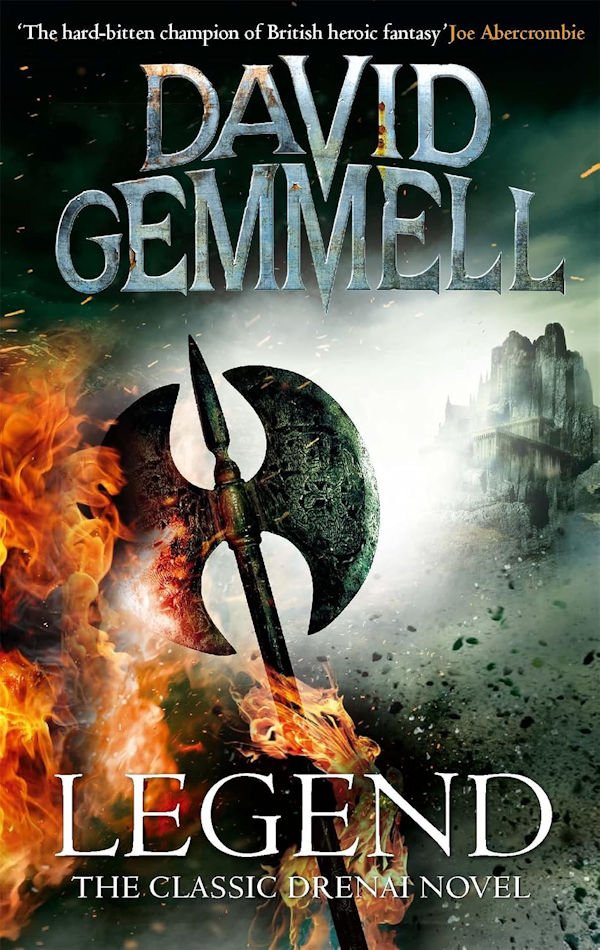
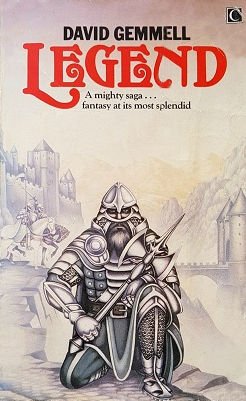
Gemmell’s debut novel, Legend, remains perhaps his most celebrated work, a raw, visceral epic that introduced the world to Druss the Legend. This book, an almost antithetical character study to Waylander, presents a hero already etched into the annals of legend, a figure of unwavering courage and indomitable will. The story unfolds against the backdrop of the siege of Dros Delnoch, the last bastion of the Drenai Empire, facing an almost insurmountable invasion by the vast Nadir hordes.
The beauty of Legend lies in its unvarnished portrayal of desperation, fear, and the sheer, brutal grind of siege warfare. The defenders of Dros Delnoch are underprepared, outmatched, and seemingly doomed. It is into this maelstrom of despair that Druss, Captain of the Axe, returns. A grizzled warrior, famed for his exploits, Druss embodies a stubborn, almost mythical refusal to yield. He is not without his personal struggles or flaws, but his presence alone instills a belief in victory where none existed. Gemmell’s prose, while less polished than his later works, possesses a raw energy that perfectly captures the grit and grim determination of the defenders. Readers are not merely told of the siege; they are plunged into its heart, experiencing the exhaustion, the terror, and the fleeting moments of triumph alongside the characters.
Beyond Druss, Legend also shines a light on ordinary individuals thrust into extraordinary circumstances, such as Rek, who rises to become the Earl of Bronze, inspiring those around him through his newfound courage. The constant retreat through the fortress’s six walls builds an almost unbearable tension, punctuated by acts of incredible sacrifice. The inclusion of the magical warrior monks, The Thirty, adds a layer of mystical depth to the otherwise grounded, historical-feeling conflict. Druss’s iconic speech, a rallying cry against impossible odds, encapsulates the novel’s spirit:
“Some of you are probably thinking that you may panic and run. You won’t! Others are worried about dying. Some of you will. But all men die. No one ever gets out of this life alive. I fought at Skeln Pass when everyone said we were finished. They said the odds were too great, but I said be damned to them! For I am Druss, and I have never been beaten, not by Nadir, Sathuli, Ventrian, Vagrian, or Drenai. By all the gods and demons of this world, I will tell you now—I do not intend to be beaten here, either!”
This passage, delivered by a man facing his twilight, resonates with an eternal truth about human resilience. Legend is not just a story of war; it is a profound exploration of what it means to stand firm, to fight for what you believe in, and to inspire hope when all seems lost, making it a foundational text in heroic fantasy.
Sword in the Storm: Forging a Demonblade
With Sword in the Storm, the inaugural novel of the Rigante series, Gemmell embarked on a new, culturally rich saga that allowed him to explore a different facet of heroism: the coming-of-age of a destined leader. The story follows Connavar, or Conn, from his humble birth among the proud, nature-worshipping Rigante tribes to his eventual emergence as the fearsome "Demonblade" – a uniter of tribes and a formidable adversary to the invading Empire of Stone.
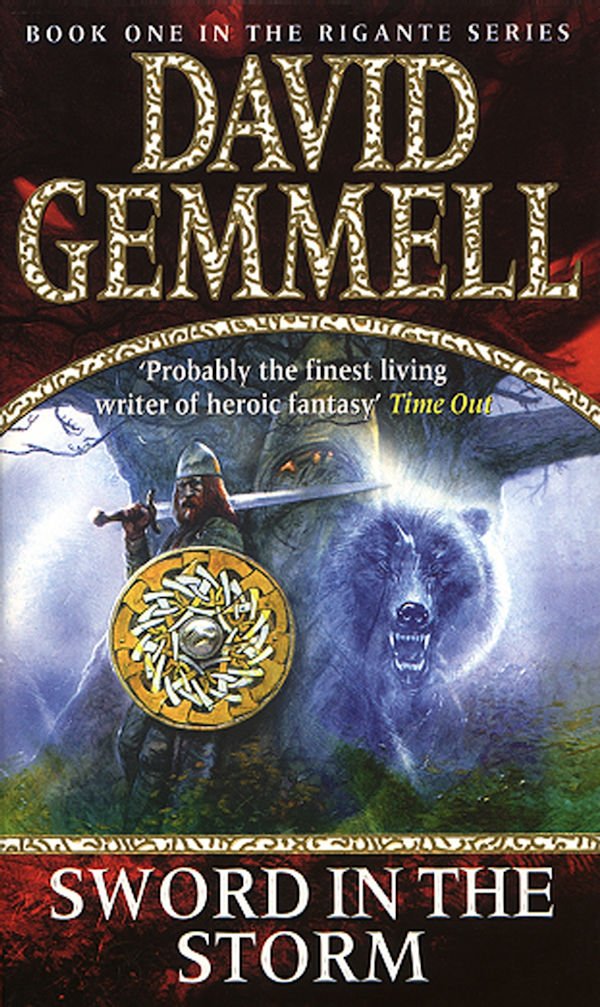
Conn’s journey is one of continuous shaping, where every experience, every triumph, and every devastating loss contributes to the man he becomes. Gemmell brilliantly depicts the formative moments: Conn’s early encounter with a trapped fawn that draws the attention of the magical Seidh, and his legendary single-handed battle with a bear, which solidifies his status among the Rigante. These are not merely heroic vignettes but pivotal events that illustrate the blend of destiny and personal courage that defines Conn.
However, Gemmell, ever the realist, refuses to portray Conn as a spotless hero. His character is deeply flawed, scarred by personal tragedy and consumed by guilt and rage. The death of his wife at the hands of a rival clan, occurring while he is with his former love, Arian, pushes him to a horrifying act of vengeance – the slaughter of an entire village. This dark turn is crucial, imbuing Conn with a brutal edge and an inner darkness that he carries forward. It complicates his heroism, making him both inspiring and terrifying, a leader whose brilliance is matched by his capacity for ruthlessness.
Conn’s decision to infiltrate the Empire of Stone’s army to learn their tactics exemplifies his strategic mind and unwavering dedication to his people. This narrative arc, culminating in the epic confrontation between the Rigante and the Empire, showcases Gemmell’s recurring theme of disparate peoples uniting against an overwhelming foe. Conn’s leadership, a blend of charisma, tactical genius, and the awe he inspires (and the fear he sometimes commands), leads the Rigante to a hard-won victory. Sword in the Storm is a testament to the idea that true leadership often demands difficult, morally ambiguous choices, and that the path to becoming a legend is rarely paved with easy virtues.
Official Responses: The Enduring Acclaim and Generational Impact
While the original article is a personal reflection, the widespread and enduring appeal of David Gemmell’s work constitutes a significant "official response" from both critics and a devoted global readership. Throughout his career, Gemmell consistently garnered praise for his distinctive approach to heroic fantasy, an approach that prioritised character depth and emotional authenticity over intricate magic systems or sprawling world-building for its own sake.
Critics frequently highlighted his ability to create protagonists who, despite their larger-than-life feats, were relatable in their struggles, their doubts, and their capacity for both nobility and error. This humanistic portrayal resonated deeply, earning him a reputation for crafting narratives that explored the very essence of courage, sacrifice, and the moral complexities of leadership. His prose, often described as lean, direct, and fast-paced, was celebrated for its accessibility and its ability to propel the story forward without sacrificing depth. This made his books immensely engaging, drawing readers into his worlds with an urgent immediacy.
Beyond critical appreciation, the most significant "official response" to Gemmell’s work comes from the generations of readers who have discovered and championed his novels. His books are cherished not just as thrilling adventures but as profound explorations of human nature. The emotional impact of his stories, the profound sense of hope that often shines through the darkest despair, and the memorable quotes that encapsulate universal truths have forged a powerful connection with his audience. This widespread devotion led to the establishment of the David Gemmell Awards for Fantasy, a prestigious recognition within the genre that, until its discontinuation, served as a tangible testament to his lasting influence and the high esteem in which he is held by both authors and readers alike. His legacy is not merely one of bestsellers, but of deeply cherished stories that continue to inspire and challenge.
Implications: Gemmell’s Enduring Legacy and the Definition of Heroism
David Gemmell’s profound impact on the heroic fantasy genre extends far beyond his prolific output. His work carries significant implications for how we define heroism, the role of flawed characters, and the enduring power of direct, emotionally resonant storytelling.
Perhaps the most crucial implication of Gemmell’s canon is his unwavering commitment to portraying real people. Whether they are larger-than-life warriors or humble villagers, his characters are imbued with an authentic humanity. They grapple with self-doubt, indecision, fear, hatred, regret, and, ultimately, hope. Gemmell drew inspiration from the people he observed, injecting his characters with believable motivations and inner turmoil. This deep psychological realism ensures that readers not only follow their adventures but truly care about their fates, creating an emotional resonance that few authors achieve. This character-first approach profoundly influenced subsequent generations of fantasy writers, encouraging a move away from purely archetypal figures towards more complex, morally grey protagonists.
Another key implication lies in his distinctive narrative style. Gemmell’s prose is lean, urgent, and relentlessly paced. He avoided excessive exposition or overly ornate descriptions, preferring to let the story unfold through action and dialogue. This directness makes his books incredibly accessible and ensures that readers remain fully immersed in the unfolding drama. In an era where fantasy narratives can often be dense and sprawling, Gemmell offered a different kind of pleasure: immediate, gripping, and deeply human. This efficient storytelling demonstrated that profound themes and epic scope could be conveyed without sacrificing narrative drive, offering a valuable lesson in balancing complexity with readability.
Finally, and perhaps most importantly, is the deep moral core that underpins all of Gemmell’s work. His stories consistently return to themes of courage, sacrifice, loyalty, redemption, and the transformative power of love. However dark the circumstances, however grim the odds, Gemmell always allowed a glimmer of hope to shine through. He showed that ordinary people, when faced with impossible choices, could rise to extraordinary acts of valour, not because they were inherently perfect, but because they chose to stand when it mattered most. In a genre that sometimes leans into grimdark for its own sake, Gemmell offered a powerful counter-narrative, reminding us that love and honour can indeed prevail, even if the victory is hard-won and carries a heavy cost.
Through his exploration of flawed individuals, authentic relationships, and impossible moral dilemmas, David Gemmell redefined what heroism truly means in fantasy literature. His legacy is one of empowering stories that remind us of the strength of the human spirit, the possibility of redemption, and the enduring power of choosing courage in the face of fear. For new readers embarking on their journey into heroic fantasy, or for seasoned veterans seeking to rediscover the genre’s heart, Gemmell’s novels offer an unparalleled experience – a compelling, deeply human, and utterly unforgettable ride that will undoubtedly leave them searching for every book bearing his name.
Hollywood’s most sought-after talent, Florence Pugh, is set to add another high-profile project to her burgeoning slate, securing the lead role in the highly anticipated film adaptation of Matt
This week in arts, entertainment, and unexpected real-world phenomena, headlines spanned the royal family’s candid literary tastes, the evolving landscape of superhero cinema, and remarkable env
NEW YORK, NY – Union Square & Co., a dynamic imprint under the Hachette Book Group, has announced the launch of Singularity, a groundbreaking new line of paperback novellas designed to deliver &qu