Decoding the Cosmos: "City of Six Moons" Challenges Players with an Alien Language Rulebook
FOR IMMEDIATE RELEASE
[City, State] – [Date] – In a bold departure from conventional board game design, Hollandspiele, an independent publisher renowned for its innovative and often challenging titles, is set to release "City of Six Moons," a single-player board game whose rulebook is entirely written in an alien language. Designed by Amabel Holland, the game tasks players not only with navigating an extraterrestrial civilization’s fortunes but first with deciphering the very instructions needed to play, embracing an unprecedented level of player engagement and ambiguity. The designer has emphatically stated she will offer no clarification on rules, ensuring that players’ interpretations remain uniquely their own.
Main Facts: An Unprecedented Linguistic Labyrinth
"City of Six Moons" promises to redefine the boundaries of interactive entertainment, transforming the act of learning a game into the primary puzzle itself. Scheduled for release next month, this solitaire experience is the brainchild of veteran designer Amabel Holland, co-owner of Hollandspiele, a publishing house known for its distinct and often experimental approach to board game development.
The core premise is deceptively simple: guide the destiny of an alien civilization. However, the path to understanding this objective is anything but straightforward. The game’s entire rulebook is composed of a custom-designed alien language, a complex tapestry of icons, glyphs, and symbols that players must painstakingly translate before they can even begin to grasp the mechanics of play. This isn’t merely a thematic flourish; it is the fundamental challenge and a cornerstone of the game’s identity.
Amabel Holland has framed "City of Six Moons" as a game designed by an alien civilization, intending to immerse players in an experience of genuine cultural and linguistic decipherment. Players are expected to draw upon their existing cognitive frameworks, while simultaneously confronting and adapting to the alien logic embedded within the game’s instructions. The process, according to Holland, necessitates an acceptance that the alien culture responsible for these rules operates on principles fundamentally different from human understanding.
Crucially, the designer has declared a strict policy of non-intervention: she will refuse to answer any questions regarding the game’s rules or the correct interpretation of its alien script. This deliberate ambiguity ensures that players will never possess definitive certainty regarding their translation, fostering a unique blend of intellectual satisfaction and lingering doubt. This commitment to player autonomy in interpretation elevates "City of Six Moons" beyond a mere game into an academic exercise, a linguistic quest, and a philosophical exploration of understanding itself.
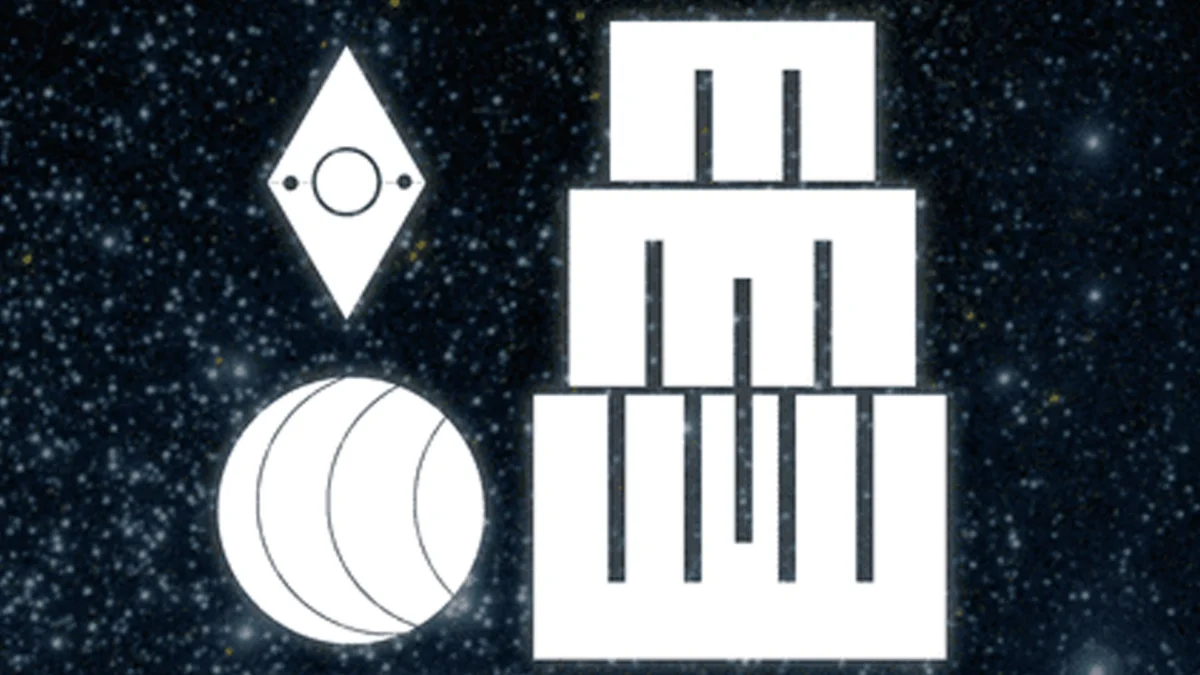
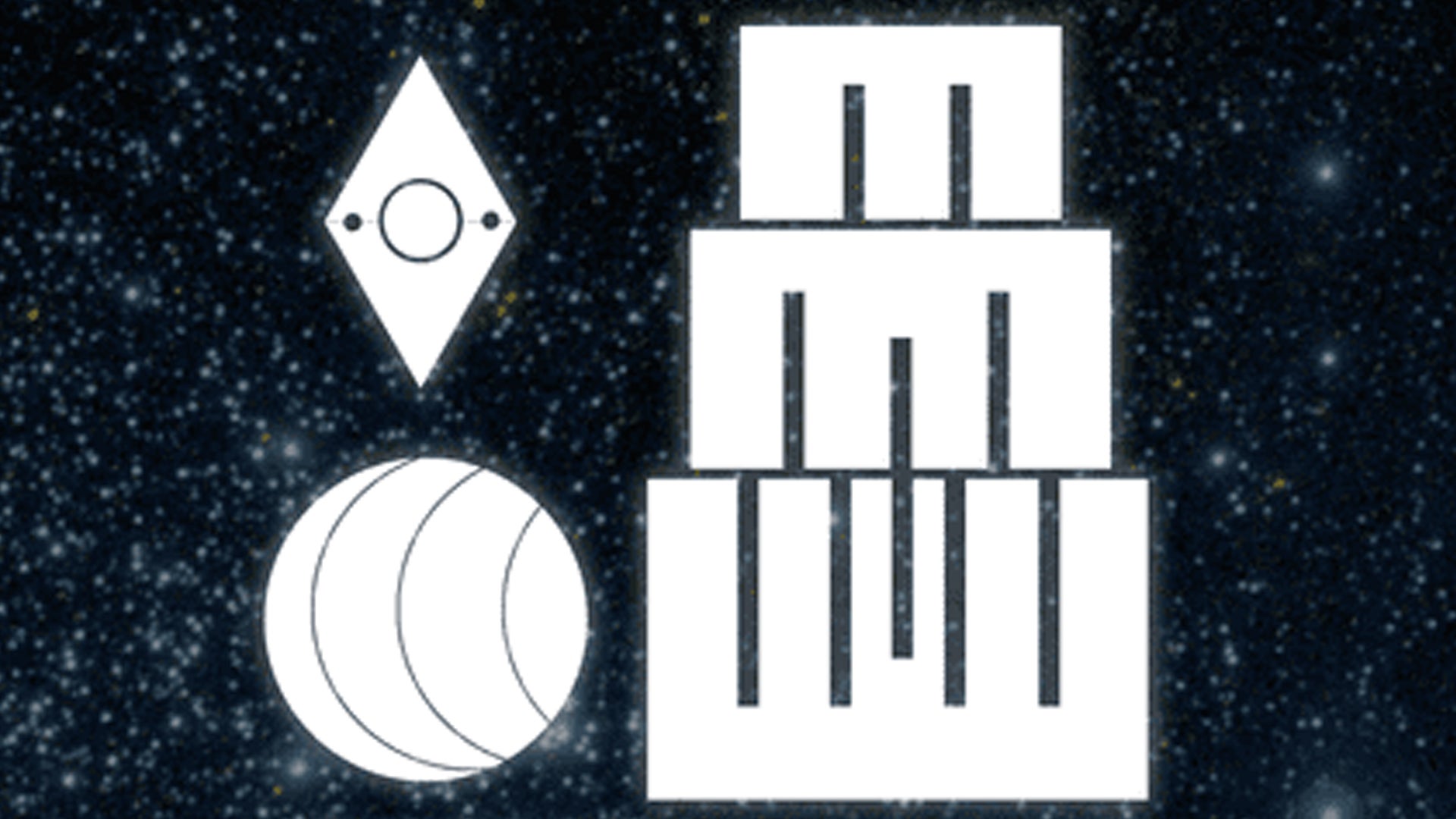
The game will include a set of components, though details on their specific nature and how they integrate with the alien language remain scarce. It is presumed that these components will either be devoid of human language or similarly adorned with the enigmatic alien script, maintaining consistency with the central puzzle. The cover artwork, however, has been revealed, potentially offering the first visual clues to the iconographic language awaiting decipherment.
Holland confirmed on Bluesky that despite its cryptic nature, "City of Six Moons" is intended to be a "functional, replayable game" for those who successfully navigate its linguistic challenges. However, she also suggests that once the code is cracked, the experience might become "lesser," implying that the journey of decipherment is paramount. This potential "loss" of initial mystery, she states, is an intentional part of the player’s emotional journey, a lingering feeling she wants players to experience and reflect upon.
Chronology: From Concept to Cryptic Release
The journey of "City of Six Moons" from an audacious concept to an anticipated release reflects Hollandspiele’s enduring commitment to pushing the boundaries of board game design. While specific development milestones and detailed timelines are not publicly documented, the trajectory of such a unique project can be inferred from the publisher’s modus operandi and Amabel Holland’s established reputation.
Early Conceptualization and Vision (Estimated: Years Prior to Announcement): Amabel Holland is known for her deep engagement with game theory, history, and philosophical concepts, often weaving these elements into her designs. The idea for "City of Six Moons" likely germinated from a desire to explore the nature of communication, cultural barriers, and the very act of learning. Given the complexity of creating an entire alien language and integrating it seamlessly into a game system, this phase would have involved extensive ideation, linguistic design, and iterative prototyping to ensure the system was robust yet solvable. This period would have been dedicated to defining the core mechanics, the symbolic language, and the overarching narrative—or lack thereof, beyond the act of decipherment itself.
Development and Refinement (Estimated: Ongoing, leading up to announcement): Crafting a game where the rulebook is the puzzle requires meticulous attention to detail. Every glyph, every symbol, and their arrangement must convey meaning, however obscurely, to allow for eventual decipherment. This phase would have involved playtesting not just the game mechanics, but the decipherment process itself. Testers would have been tasked with translating the rulebook, providing invaluable feedback on the difficulty curve, the clarity (or intentional ambiguity) of the language, and the potential for multiple, equally valid interpretations. Hollandspiele, as a small, independent publisher, often embraces a hands-on, iterative development process, allowing for the kind of radical experimentation seen in "City of Six Moons."
Public Tease and Official Announcement (Recent Months): The first glimpses of "City of Six Moons" likely appeared on Hollandspiele’s "Coming Soon" page and through social media channels like Bluesky, where Amabel Holland frequently interacts with the board game community. These early announcements would have focused on the game’s unique premise, generating buzz and intrigue among players accustomed to more conventional rulebooks. The revelation that the rules would be in an alien language, coupled with Holland’s firm stance on refusing rules questions, immediately positioned the game as a significant, potentially polarizing, entry in the board game landscape.
Anticipated Release (Next Month): The impending release of "City of Six Moons" marks the culmination of this ambitious project. Hollandspiele’s distribution model often involves direct sales from their website, allowing them to maintain creative control and cater to a dedicated audience. The release will undoubtedly be met with a mixture of excitement, apprehension, and intense discussion as players embark on their individual and collective journeys of linguistic discovery. This final step in the chronology is not just a product launch, but the unveiling of a profound interactive experiment.
Supporting Data: Contextualizing the Cryptic Challenge
"City of Six Moons" stands as a testament to the ever-evolving landscape of board game design, tapping into several compelling trends and psychological appeals. Its audacious premise resonates with a growing segment of players seeking deeper, more intellectually demanding, and even artistically driven experiences.
Amabel Holland’s Design Philosophy and Hollandspiele’s Ethos: Amabel Holland, alongside her co-owner Mary Holland, has cultivated Hollandspiele into a respected publisher known for its willingness to take risks and challenge conventions. Their catalog often features wargames and strategic titles that prioritize historical accuracy, nuanced decision-making, and deep systemic engagement over mass-market appeal. Games like "An Infamous Traffic" or "With It Or On It" exemplify a commitment to thematic integration and sophisticated mechanics. "City of Six Moons" is a natural extension of this ethos, pushing the boundaries not just of gameplay, but of the very act of engaging with a game. Holland’s previous designs often present complex systems that require players to truly learn and understand rather than simply follow instructions, making "City of Six Moons" a logical, albeit extreme, progression of this philosophy. It’s a publisher that values intellectual curiosity and critical engagement above all else.
The Allure of Linguistic Puzzles and Cryptography: The human fascination with codes, ciphers, and ancient languages is deeply ingrained. From the Rosetta Stone to the Enigma machine, the act of decipherment holds immense intellectual and historical appeal. In popular culture, games like "Heaven’s Vault" have successfully integrated linguistic discovery as a core gameplay mechanic, where players learn an ancient language piece by piece to uncover narrative secrets. ARG (Alternate Reality Games) frequently employ cryptographic puzzles to drive their meta-narratives. "City of Six Moons" taps directly into this primal curiosity, offering a tangible, tactile experience of linguistic archaeology. It transforms the player into a cryptographer, a linguist, and an anthropologist, all rolled into one. The satisfaction of cracking a code, even one of uncertain veracity, is a powerful motivator for many intellectually curious individuals.
The Rise of Solo Board Gaming: The past decade has witnessed an explosion in the popularity of solo board games. Driven by busy lifestyles, the desire for focused, personal experiences, and the sheer depth and complexity offered by modern designs, solo play has become a cornerstone of the hobby. Games like "Spirit Island," "Gloomhaven: Jaws of the Lion," and the burgeoning genre of "puzzle-box" solo games offer rich, immersive experiences without the need for a group. "City of Six Moons" fits perfectly into this niche, providing an intensely personal challenge. The solitary nature of deciphering a language mirrors the individual intellectual pursuit of scholarship, making it an ideal fit for the solo gamer who relishes deep thought and problem-solving. It’s a journey of discovery that can be undertaken at one’s own pace, free from the pressures or interpretations of others, until one chooses to engage with a community.
The Psychology of Uncertainty and Interpretation: One of the most radical aspects of "City of Six Moons" is the designer’s explicit refusal to provide definitive answers. This introduces a profound layer of uncertainty into the player experience. Psychologically, humans often crave certainty, especially in rule-bound systems like games. By denying this, Holland forces players into a state of active interpretation and acceptance of ambiguity. This can lead to deeper cognitive engagement, as players must not only translate but also justify their translations based on internal consistency and emergent gameplay. It challenges the traditional player-designer contract, where the designer is the ultimate arbiter of rules. Instead, "City of Six Moons" makes the player the ultimate authority on their own game experience, a philosophical stance that resonates with concepts of reader-response theory in literature, where the meaning of a text is co-created by the reader.
Speculation on Game Components: Given the focus on language, the game’s physical components are likely to be integral to the decipherment process. One could imagine:
- Iconographic Game Board: A board filled with symbols and pathways that require understanding the alien language to navigate or interpret.
- Symbolic Cards/Tiles: Cards or tiles depicting actions, resources, or events purely through glyphs, forcing players to connect their translations to tangible game effects.
- Translation Aids (Subtle): Perhaps a very basic "Rosetta Stone" equivalent, a small section that provides a foundational hint or a few fixed points of translation, allowing players to bootstrap their understanding. Or, conversely, no such aid at all, throwing players entirely into the deep end.
- Resource Trackers/Tokens: Elements that use unique shapes or symbols instead of numbers or common icons, reinforcing the alien aesthetic and requiring players to assign meaning.
The limited information available about components only heightens the mystique, ensuring that every element of "City of Six Moons" will be scrutinized as a potential clue.
Official Responses: A Designer’s Artistic Statement
Amabel Holland’s public statements regarding "City of Six Moons" are not merely explanations of game mechanics but declarations of artistic intent. Her words underscore the game’s experimental nature and its ambition to evoke specific emotional and intellectual responses from players.
On Bluesky, Holland articulated that "City of Six Moons" will be a "functional, replayable game" for those who manage to unravel its linguistic mysteries. This assurance is critical; it distinguishes the project from a mere conceptual art piece or an unsolvable riddle. It suggests that beneath the layers of cryptic language lies a coherent, playable system waiting to be discovered, rewarding the player’s dedication to decipherment with a tangible gameplay experience. This statement also implicitly sets the bar for success: the goal is not just to translate, but to translate enough to render the game playable in a meaningful way.
However, Holland’s subsequent remarks delve deeper into the philosophical core of her design. She posits that once the language is "cracked" and the rules understood, the game might become a "lesser" experience. This seemingly paradoxical statement highlights the central role of the process of discovery in "City of Six Moons." The initial struggle, the uncertainty, the intellectual triumph of decipherment—these are not mere hurdles to overcome but integral parts of the game’s intended emotional arc.
"That loss is a thing I want you to feel; I want it to linger," Holland states. This is a profound insight into the psychology of learning and mastery. The unique thrill of grappling with the unknown, of making sense out of chaos, often diminishes once clarity is achieved. By intentionally designing for this "loss," Holland aims to evoke a powerful, reflective emotion in players. It’s akin to exploring an uncharted wilderness; once mapped, the sense of adventure and mystery inevitably recedes. This design choice encourages players to savor the journey, to appreciate the fleeting nature of true discovery, and to reflect on the transformation of understanding. It transforms the game into a meta-commentary on learning itself.
Hollandspiele’s reputation as a publisher further contextualizes these statements. The company has a history of publishing games that are challenging, niche, and often push the boundaries of what board games can be. They cater to a discerning audience that values depth, originality, and intellectual engagement. Amabel Holland’s responses align perfectly with this brand identity, reinforcing the idea that "City of Six Moons" is not designed for casual entertainment but for a dedicated, adventurous segment of the hobby prepared to embrace a truly novel challenge. Her refusal to answer rules questions is not an act of dismissiveness, but a principled stance to preserve the integrity of the player’s unique journey of discovery.
Implications: Reshaping the Gaming Experience
The release of "City of Six Moons" carries significant implications for the board game industry, player communities, and the very definition of what constitutes a "game." Its radical approach is poised to spark widespread discussion and potentially influence future design trends.
Impact on Board Game Design and Publishing: "City of Six Moons" could serve as a pivotal moment, inspiring other designers to explore unconventional approaches to rulebooks and player engagement. It challenges the prevailing paradigm of clarity and comprehensiveness in game instructions, suggesting that intentional ambiguity and player-driven discovery can be powerful design tools. While unlikely to become a widespread trend for mass-market games, it might encourage a new wave of experimental titles from independent publishers, focusing on meta-game challenges and unique player journeys. It demonstrates that the instruction manual itself can be a canvas for creative design, rather than merely a functional document.
The Player Experience: Frustration vs. Profound Satisfaction: The primary implication for players is an experience unlike almost any other. For some, the linguistic barrier will be an insurmountable wall, leading to frustration and a sense of being alienated by the game. For others, particularly those who relish intellectual puzzles, cryptography, and linguistic challenges, "City of Six Moons" offers the potential for profound satisfaction. The eventual triumph of deciphering the rules, even partially, promises a deeply personal and rewarding sense of accomplishment. This dichotomy highlights the game’s niche appeal; it is not designed for everyone, but for those willing to invest significant intellectual effort.
Community Engagement and Collective Decipherment: Despite being a solo game, "City of Six Moons" is almost guaranteed to foster a vibrant online community dedicated to its decipherment. Players will likely collaborate, sharing their interpretations, theories, and partial translations on forums, social media, and dedicated wikis. This collective effort, even if the designer won’t validate it, will become a significant part of the game’s extended experience. The community itself may become the "official" arbiter of rules, collectively converging on a consensus, even if that consensus remains fundamentally unverified by the original creator. This collaborative aspect transforms a solitary puzzle into a shared intellectual quest.
Critical Reception and Review Challenges: Reviewers will face a unique challenge in evaluating "City of Six Moons." How does one objectively review a game whose rules are intentionally obscure? Traditional metrics of gameplay, balance, and thematic integration will be secondary to the primary experience of decipherment. Reviews will likely focus heavily on the quality of the linguistic puzzle, the effectiveness of Holland’s design philosophy, and the emotional journey it evokes. It will demand a new kind of critical lens, one that prioritizes the experiential over the purely mechanical.
Commercial Viability and Niche Market Expansion: While "City of Six Moons" is unlikely to be a runaway commercial success in the mainstream, its novelty and the intellectual challenge it presents will attract a dedicated niche audience. Its unique premise will generate significant buzz within the board game community, potentially translating into strong sales for Hollandspiele. Furthermore, it could expand the definition of what constitutes a "board game" for a wider audience, drawing in individuals interested in linguistics, cryptography, or experimental art, who might not typically engage with the hobby.
The Future of Experiential Gaming: Ultimately, "City of Six Moons" points towards a future where games increasingly explore the boundaries of interaction and meaning-making. It suggests that the "game" is not just the system within the box, but the entire journey of discovery, interpretation, and interaction with the game’s underlying philosophy. It invites players to question assumptions, embrace ambiguity, and participate actively in the creation of their own understanding. Amabel Holland’s latest creation is not just an upcoming board game; it’s a profound experiment in human-alien communication, and a bold statement on the evolving artistry of interactive media.
As "City of Six Moons" prepares for its imminent launch, the board gaming world watches with bated breath, eager to embrace the cryptic challenge and delve into a linguistic adventure unlike any before. Good luck to all who dare to decipher.