Alternate Realities: The Doc Brown That Almost Was, and the Legacy of a Time-Traveling Icon
Hill Valley, CA – In a captivating and revelatory interview with Gold Derby, Back to the Future co-writer Bob Gale recently offered fans an unprecedented glimpse behind the curtain of one of cinema’s most beloved franchises. Promoting his upcoming book, Back to the Future: The Complete Screenplay, Gale shared a treasure trove of insights, anecdotes, and production memories that illuminate the intricate creative process behind the legendary film. While the entire conversation is peppered with gems for devotees, perhaps the most striking revelation was the astonishing near-casting of Jeff Goldblum as the eccentric, time-traveling scientist, Dr. Emmett "Doc" Brown.
This tantalizing "what if" scenario instantly ignites the imagination, forcing fans to consider an alternate cinematic reality where Goldblum’s signature blend of quirky intellect and idiosyncratic delivery might have steered the character—and indeed, the entire narrative—in a dramatically different direction. The interview not only confirms long-standing rumors about other notable actors considered for the role but also delves into the fascinating decision-making process that ultimately led to Christopher Lloyd’s indelible portrayal, a performance that has become an enduring cornerstone of film history. Gale further enriched the discussion by shedding light on Doc Brown’s never-before-revealed, darker backstory and defending the film’s embrace of character complexities that might face scrutiny in today’s more "homogenized" Hollywood landscape.
The Audition Tapes of Time: A Chronology of Doc Brown’s Casting Journey
The search for Dr. Emmett Brown was, by all accounts, as complex and fraught with anticipation as the development of his famed DeLorean time machine. A character of such unique and over-the-top eccentricity, Doc Brown required an actor capable of embodying both manic genius and a surprising underlying warmth. Over the years, whispers and rumors have circulated about a diverse roster of talents considered for the role, painting a picture of a casting team casting a wide net to find their perfect mad scientist.
Initially, the list of potential Doc Browns reportedly included a surprising array of names from various corners of the entertainment world. Devo frontman Mark Mothersbaugh, known for his new wave artistry, was one such contender, with claims that he even turned down the part. This tidbit alone speaks volumes about the unconventional thinking that went into the early casting phase, suggesting a willingness to explore non-traditional choices. Beyond musicians, comedic legends and seasoned character actors were also in the mix, including the sharp-witted John Cleese, the versatile Gene Hackman, the brilliant Albert Brooks, and the beloved Gene Wilder. Each of these actors, with their distinct styles, would have brought a vastly different energy to the role, underscoring the creative team’s open-mindedness in the nascent stages of production.
However, as Bob Gale recounted in his Gold Derby interview, the extensive search eventually narrowed to a crucial triumvirate: John Lithgow, Jeff Goldblum, and Christopher Lloyd. This final shortlist is particularly intriguing given a shared thread among the three actors. All had appeared in the cult classic The Adventures of Buckaroo Banzai Across the 8th Dimension, a film that Back to the Future co-producer Neil Canton had also worked on. This connection suggests a potential synergy or familiarity within the creative circles, perhaps indicating a preferred talent pool or a known quantity for Canton, who could vouch for their on-set demeanor and capabilities.
The narrowing process saw John Lithgow, a phenomenal actor known for his range from comedic roles (like Dr. Dick Solomon in 3rd Rock from the Sun) to intensely dramatic performances, ruled out early due to scheduling conflicts. This left the production with a fascinating choice between two distinct acting titans: Jeff Goldblum and Christopher Lloyd. Gale’s account highlights the genuine dilemma faced by the filmmakers, stating that "the crew loved both actors for the part." Neil Canton, having worked with both, reportedly had nothing but praise for their talents. The decision was not a matter of one actor being superior to the other in raw skill, but rather a subtle, almost intangible quality that ultimately swayed the balance.
Gale succinctly captured the essence of this pivotal moment: "There was just something about Chris that we responded to." It was a gut feeling, an instinct that resonated deeply with the creative team. "We said, ‘He’s going to kill this.’ And he did. It’s become an enduring part of cinematic history, this role." This sentiment underscores the often-unpredictable nature of casting, where the perfect fit sometimes transcends resumes and even screen tests, boiling down to an innate connection with the character and the story’s vision. Lloyd’s undeniable presence and unique interpretation in the audition room evidently sealed his fate as Doc Brown, setting the stage for one of the most iconic performances in film history.
Supporting Data and Deeper Character Insights: The Brilliance of Lloyd and the Goldblumian Alternative
The enduring impact of Christopher Lloyd’s Doc Brown is a testament to the wisdom of that final casting decision. Lloyd imbued the character with a frenetic energy, wild-eyed enthusiasm, and an endearing vulnerability that became instantly recognizable and beloved. His distinctive vocal cadence, angular physicality, and ability to shift seamlessly from scientific exposition to wide-eyed wonder made Doc Brown an unforgettable figure. Lloyd masterfully balanced the character’s mad scientist archetype with a genuine paternal affection for Marty McFly, creating a dynamic duo that anchored the entire franchise. It’s difficult to imagine Back to the Future without his signature "Great Scott!" or his frantic hand gestures as he grappled with the intricacies of temporal mechanics.
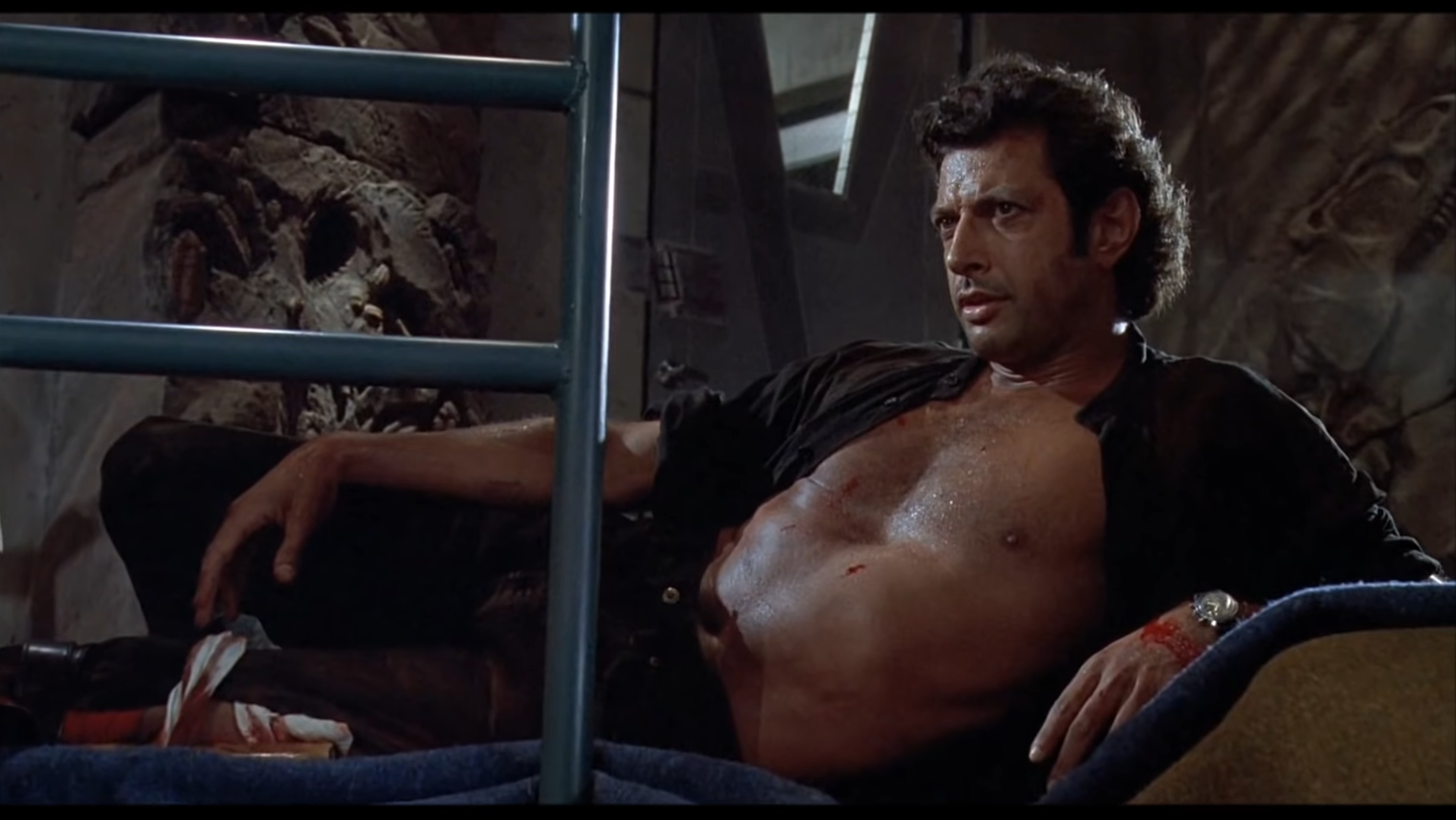
Yet, Bob Gale’s revelation invites us to ponder the captivating "what if": Jeff Goldblum as Doc Brown. Gale himself offered a fascinating proxy for this alternate reality: "Ironically, Jeff Goldblum plays Doc Brown in Jurassic Park, right? That’s how his Doc Brown would have been. You can watch Jurassic Park and say, ‘Ah, that’s how Jeff would have played it.’" This comparison to Dr. Ian Malcolm, the chaotician from Jurassic Park, is remarkably insightful. Goldblum’s portrayal of Malcolm is characterized by a sardonic wit, a charmingly intellectual swagger, and a penchant for philosophical musings delivered with a distinctive, halting rhythm.
A Goldblumian Doc Brown would undoubtedly have been a more grounded, perhaps more outwardly cool, and certainly more verbose version of the scientist. Instead of Lloyd’s often childlike exuberance, we might have seen Goldblum’s signature blend of smirking skepticism and intense, almost improvisational, intellectual curiosity. His Doc might have been less prone to grand, theatrical pronouncements and more inclined towards verbose explanations laced with self-aware humor. While equally brilliant, this Doc Brown might have been less overtly manic and more subtly intense, perhaps even a touch more self-assured in his scientific prowess. The dynamic with Marty, too, would have shifted. Goldblum’s inherent coolness might have made him less of a traditional "mentor" figure and more of a quirky, perhaps slightly intimidating, intellectual foil. While undoubtedly captivating, it would have been a profoundly different experience, highlighting how casting choices, even among equally talented actors, can fundamentally reshape a film’s tone and character dynamics.
Beyond the casting revelations, Gale also provided intriguing "supporting data" that deepens our understanding of Doc Brown’s character. He confirmed a long-standing piece of Back to the Future lore: the official, though unused in the final screenplay, backstory for Doc Brown posits that he burned down his family home to claim insurance money, which he then used to fund his groundbreaking scientific research. This detail paints Doc Brown in a surprisingly darker, more morally ambiguous light. It suggests a man so consumed by his scientific pursuits that he is willing to commit arson and insurance fraud, even if it’s for the "greater good" of discovery.
This revelation, coupled with the character’s famous negotiation with Libyan terrorists to acquire plutonium for the time machine, reinforces a recurring theme that Gale touched upon: the film’s willingness to embrace morally complex characters and plot points. Gale observed, "today it would all be homogenized. If we were making this movie today, they would say, ‘Well, you can’t have Doc Brown be in business with terrorists.’ Well, but we did. And nobody has a problem with it, really." He argues that audiences understand Doc Brown’s motivations: "Because you just say, ‘OK, this is how passionate the guy is. He had to get his hands on plutonium somehow, and he was going to do whatever he could, because it was his science’…And in the way of the world today, that’s small beans right now.”
This perspective highlights a fascinating shift in cinematic storytelling. Older films often allowed characters to operate in shades of gray, with their flaws and ethically questionable decisions serving to underscore their passion, desperation, or unique worldview. Modern Hollywood, driven by focus groups and a desire for broader appeal, often sanitizes characters, removing rough edges that might be perceived as problematic. Doc Brown’s insurance fraud and dealings with terrorists, far from alienating audiences, actually contribute to his eccentric charm and the understanding that his genius comes with a certain disregard for conventional norms. These details, whether explicit or implied, add a layer of depth and realism to his otherwise fantastical persona, making him more human and relatable in his flawed pursuit of scientific advancement.
Official Responses and Enduring Legacy
Bob Gale’s interview serves as a definitive official response from one of the co-creators regarding these long-speculated aspects of Back to the Future. As the co-writer and co-producer, his insights carry significant weight, offering authoritative confirmation and context that only an insider can provide. The upcoming release of Back to the Future: The Complete Screenplay itself is an official initiative, promising to be the ultimate companion for fans, filled with production materials and memories that further solidify Gale’s narrative. This book will undoubtedly become a canonical reference for understanding the franchise’s genesis and development.
Gale’s commentary on the "homogenization" of modern cinema also acts as an official critique, albeit a subtle one, on the changing landscape of creative freedom in Hollywood. His defense of Doc Brown’s ethical compromises is not merely a nostalgic reflection but a statement on the value of allowing characters to be complex, even contradictory. It underscores a belief that audiences are sophisticated enough to distinguish between a character’s actions and their overall heroic intent within the confines of a fantastical narrative.
The enduring legacy of Back to the Future is undeniable. Decades after its release, it remains a cultural touchstone, beloved by new generations and revered by original fans. Christopher Lloyd’s Doc Brown is central to this legacy. His performance is so deeply woven into the fabric of the film that it’s almost impossible to conceive of another actor in the role. Gale’s interview reinforces this, suggesting that while Goldblum was a strong contender, there was an inimitable quality to Lloyd that transcended the technical aspects of acting. It was a "feeling," an intuitive spark that the creators recognized as essential to their vision.
Implications: The Ripple Effect of a Single Decision
The implications of this near-miss casting are profound, not just for Back to the Future but for the careers of both Goldblum and Lloyd, and the broader cinematic landscape. Had Jeff Goldblum been cast as Doc Brown, his career trajectory, already on a successful path, might have taken an entirely different turn. He might have become synonymous with a family-friendly, blockbuster scientist role much earlier, potentially influencing his subsequent choices and public persona. Conversely, Christopher Lloyd, while already a respected actor with a diverse resume (including his Emmy-winning role as "Reverend" Jim Ignatowski in Taxi), found unparalleled global recognition and iconic status through Doc Brown. This role cemented his place in popular culture and opened doors for a particular type of eccentric, brilliant character that he has often played since. Without Doc Brown, Lloyd’s career might have followed a different, perhaps less universally celebrated, trajectory.
Moreover, the entire chemistry of Back to the Future would have been altered. The unique rapport between Michael J. Fox’s youthful, earnest Marty McFly and Lloyd’s wildly expressive, slightly unhinged Doc Brown is a cornerstone of the film’s success. This unlikely friendship, characterized by playful exasperation and deep loyalty, relies heavily on their distinct personalities. A Goldblumian Doc, with his cooler, more self-aware demeanor, would have fostered a different kind of mentor-mentee relationship, one that might have lacked the same urgent, wide-eyed wonder that defined the original.
Ultimately, Bob Gale’s recent interview offers more than just fascinating trivia; it provides a valuable lesson in the alchemy of filmmaking. It highlights the critical, often intuitive, decisions made behind the scenes that shape cinematic history. While the prospect of Jeff Goldblum as Doc Brown is a delightful thought experiment, the actual choice of Christopher Lloyd proved to be a stroke of genius, creating a character whose brilliance, eccentricity, and heart resonate with audiences across generations. The untold backstories and the creative team’s willingness to embrace nuanced characters further underscore why Back to the Future remains not just a classic time-travel adventure, but a masterclass in character development and enduring storytelling. The legacy of Doc Brown, as portrayed by Christopher Lloyd, is a testament to perfect casting, a "Great Scott!" moment that forever altered the cinematic timeline.