Deep Dives and Idle Vibes: An In-Depth Analysis of Shelldiver’s Oceanic Expansion
In the rapidly evolving landscape of independent gaming, the "cozy" and "idle" genres have undergone a significant metamorphosis. Once relegated to the fringes of mobile app stores, these titles are increasingly finding a sophisticated home on PC and home consoles. The latest entry to capture the attention of this growing demographic is Shelldiver, a title that blends the rhythmic satisfaction of idle progression with the tactile exploration of a sub-aquatic adventure. Featuring a whimsical art style and a deliberate, meditative pace, Shelldiver places players in the flippers of an aging turtle tasked with managing a burgeoning island economy through deep-sea exploration.
This report examines the core mechanics, economic structures, and broader industry implications of Shelldiver, analyzing how its transition from mobile-style design to the Xbox and PC platforms reflects a shifting paradigm in player preferences for "comfortably mindless" entertainment.
I. Main Facts: The Core Architecture of Shelldiver
At its heart, Shelldiver is a resource management and exploration game built on the pillars of "collect, sell, and upgrade." Unlike high-intensity survival games, Shelldiver prioritizes a low-stress environment where the primary antagonist is not a predator, but rather the player’s own inventory and oxygen limitations.
The Protagonist and Setting
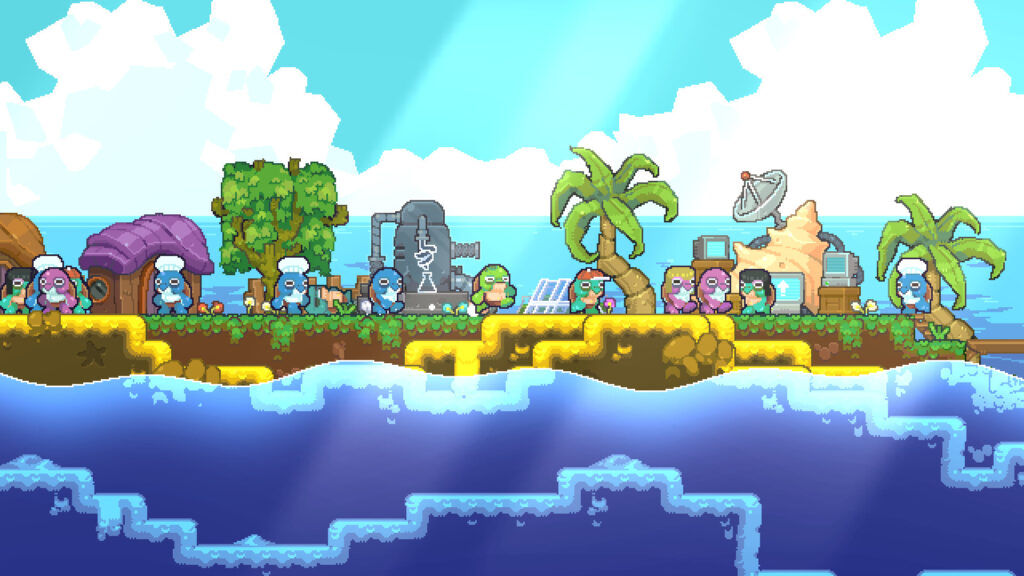
The game centers on an elderly turtle residing on a solitary, customizable island. This island serves as the central hub for all gameplay activities. The protagonist’s life revolves around three primary structures:
- The Computer: A high-tech terminal used to navigate a complex skill tree.
- The Submarine: The primary vehicle for oceanic exploration and the gateway to the game’s core loop.
- The Shop: A commercial outlet where players offload their catch to generate passive income.
Platform Availability and Accessibility
Shelldiver is currently available on the Xbox ecosystem and PC (via Steam). While the game’s mechanics—short play sessions, incremental upgrades, and idle timers—heavily suggest a mobile-first design philosophy, the developers have successfully optimized the experience for controller and keyboard inputs. This cross-platform availability highlights a growing trend where "snackable" content is being repackaged for "lean-back" console experiences.
II. Chronology: The Lifecycle of a Shelldiver Session
The gameplay of Shelldiver follows a cyclical progression that rewards both active participation and patient waiting. Understanding the chronology of a typical play session reveals the game’s sophisticated approach to pacing.
Phase 1: The Descent and Capture
Every session begins with the turtle boarding the submarine. Upon submerging, the player enters a 2D aquatic environment. The primary objective is the capture of jellyfish using a specialized bubble gun.
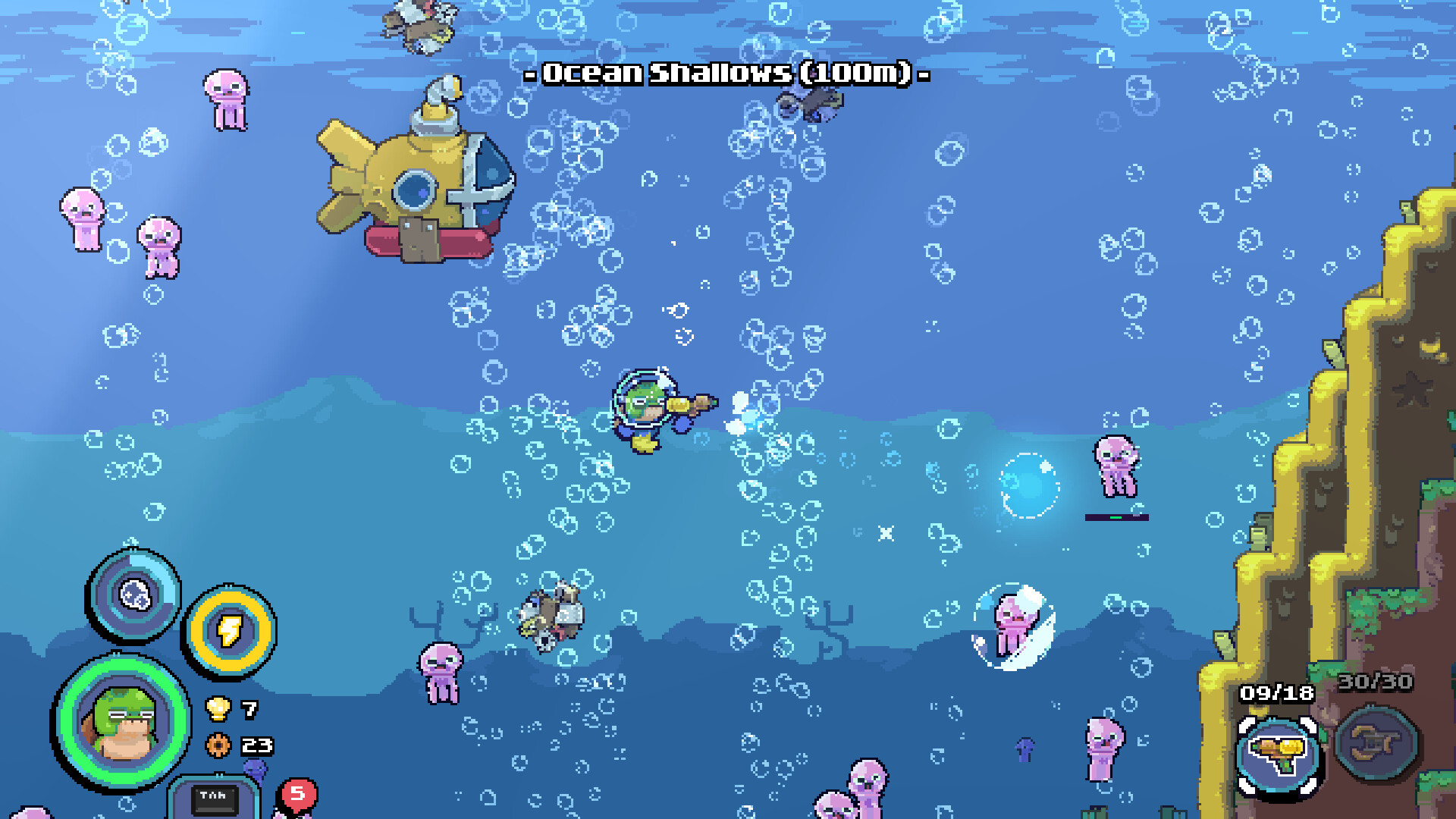
- The Bubble Mechanic: Players must aim and shoot bubbles to encase jellyfish. Once captured, the jellyfish are automatically transferred to the submarine’s hold.
- The Risk Factor: The dive is governed by an oxygen meter. If a player fails to return to the submarine before their air supply is exhausted, a "rescue bubble" intervenes. While this prevents a "game over" screen, it carries a heavy penalty: the loss of all items collected during that specific dive.
Phase 2: Resource Harvesting (Scrap Metal)
As players progress, the ocean reveals more than just biological life. Floating scrap metal becomes a secondary focus. Initially unreachable, players eventually unlock a specialized gun capable of breaking down this debris. This introduces a second layer to the dive, forcing players to choose between prioritizing jellyfish (for cash) or scrap metal (for structural upgrades).
Phase 3: The Idle Transition
Once the submarine returns to the surface, the "active" phase ends and the "idle" phase begins. Players must manually load their jellyfish into the island’s shop. Unlike traditional RPGs where sales are instantaneous, Shelldiver employs a timer. The jellyfish are processed over time, eventually depositing currency into a chest located outside the shop. This encourages players to either decorate their island, check their upgrade paths, or simply step away from the screen while the economy churns.
III. Supporting Data: Economy and Upgrade Mechanics
The longevity of an idle game is determined by the depth of its upgrade system and the balance of its economy. Shelldiver utilizes a dual-currency system that ensures players must engage with all facets of the environment.
The Dual-Currency System
- Cash (Gold): Generated by selling jellyfish. This is the primary currency for inventory expansions and basic submarine improvements.
- Scrap Metal: Harvested from oceanic debris. This is required for more advanced technological leaps in the skill tree, such as improved bubble gun range and the ability to dive into high-pressure zones.
The Skill Tree Analysis
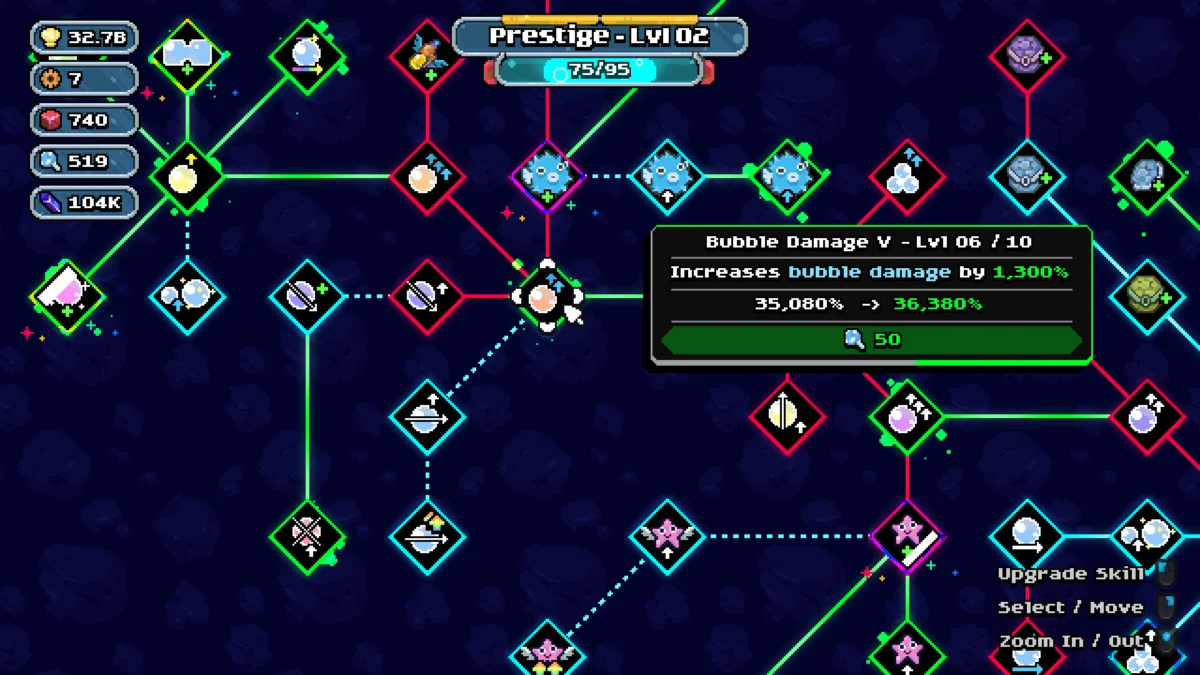
The upgrade computer offers a multi-branching tree that significantly alters the gameplay experience. Key data points for progression include:
- Inventory Capacity: Increasing the submarine’s hold allows for longer, more lucrative dives.
- Oxygen Efficiency: Upgrades to the turtle’s tank or the submarine’s life support enable exploration of deeper, more resource-dense strata of the ocean.
- Island Expansion: As upgrades are purchased, the island itself physically grows. New visitors may arrive, and new utility structures appear, providing a visual representation of the player’s mechanical progress.
Pacing and Platform Optimization
Data from player experiences on the Xbox suggests that the idle timers are finely tuned. On mobile devices, idle games often feature "walls" that require hours or days of waiting. In Shelldiver, the timers are shorter, designed to complement the flow of a console session. The "wait time" for the shop to process jellyfish often aligns perfectly with the time it takes to perform two or three subsequent dives, creating a seamless loop of activity.
IV. Official Responses and Design Philosophy
While the developers have maintained a modest public profile, the design of Shelldiver speaks to a specific philosophy: "Mindful Mindlessness."
The Aesthetic Choice
The choice of an elderly turtle as the protagonist is a deliberate narrative device. It sets the tone for a slower, more deliberate pace. The "cute" graphics—characterized by soft edges, vibrant blues, and expressive character animations—serve to lower the player’s cortisol levels, positioning the game as a "palate cleanser" between more intense, high-stakes titles.
The Porting Strategy
Industry analysts note that Shelldiver’s presence on Xbox is a strategic move. By bringing a mobile-style idle game to a premium console, the developers are tapping into a market of "second-screen gamers"—those who enjoy having a low-maintenance game running while they listen to podcasts, watch television, or engage in other activities. The game’s performance on Xbox has been noted for its stability, suggesting that while the mechanics are simple, the technical execution was prioritized to meet console standards.
V. Implications: The Future of the "Cozy-Idle" Hybrid
The success and reception of Shelldiver carry several implications for the broader gaming industry and the indie development scene.
1. The Erosion of Platform Boundaries
Shelldiver represents the continued blurring of the line between mobile and console gaming. As hardware becomes more powerful and player habits shift, the "type" of game associated with a specific platform is disappearing. Console players are proving they have an appetite for games that don’t demand 100% of their cognitive load.
2. The Rise of "Low-Friction" Gaming
In an era of increasingly complex AAA titles with massive "live service" requirements, Shelldiver offers a "low-friction" alternative. There are no daily login penalties, no complex combat systems to master, and no competitive leaderboards. This suggests a growing market for games that prioritize psychological comfort over mechanical challenge.
3. Sustainable Indie Loops
For indie developers, the Shelldiver model provides a blueprint for sustainable game design. By focusing on a tight, repeatable loop with a strong aesthetic, small teams can create experiences that offer dozens of hours of gameplay without the need for massive procedural worlds or high-fidelity performance capture.
4. Environmental and Pacifist Themes
The game’s focus on "capturing" rather than "killing" (encasing jellyfish in bubbles and cleaning up scrap metal) aligns with a broader trend of non-violent, eco-conscious gaming. This makes the title highly marketable to all age groups and fits within the "wholesome games" movement that has gained significant traction on social media platforms.
Conclusion
Shelldiver is more than just a simple game about a turtle; it is a testament to the power of well-executed simplicity. By combining the addictive qualities of idle progression with the wonder of oceanic exploration, it carves out a unique niche on PC and Xbox. As the game’s island grows and its turtle protagonist dives deeper into the digital blue, Shelldiver stands as a definitive example of how the "comfortably mindless" genre can provide a deeply satisfying and professional-grade gaming experience. Whether played in short bursts or long, meditative sessions, it remains a charming reminder that sometimes, the best way to move forward is to simply go with the flow.