Disney Unlocks the Gates to The Dallergut Dream Department Store for Live-Action Adaptation
SEO Keywords: Miye Lee, The Dallergut Dream Department Store, live-action film, Disney, Patrick Ness, cozy fantasy, Korean literature, film adaptation, publishing success.
Main Facts: A Dream Manifests on the Silver Screen
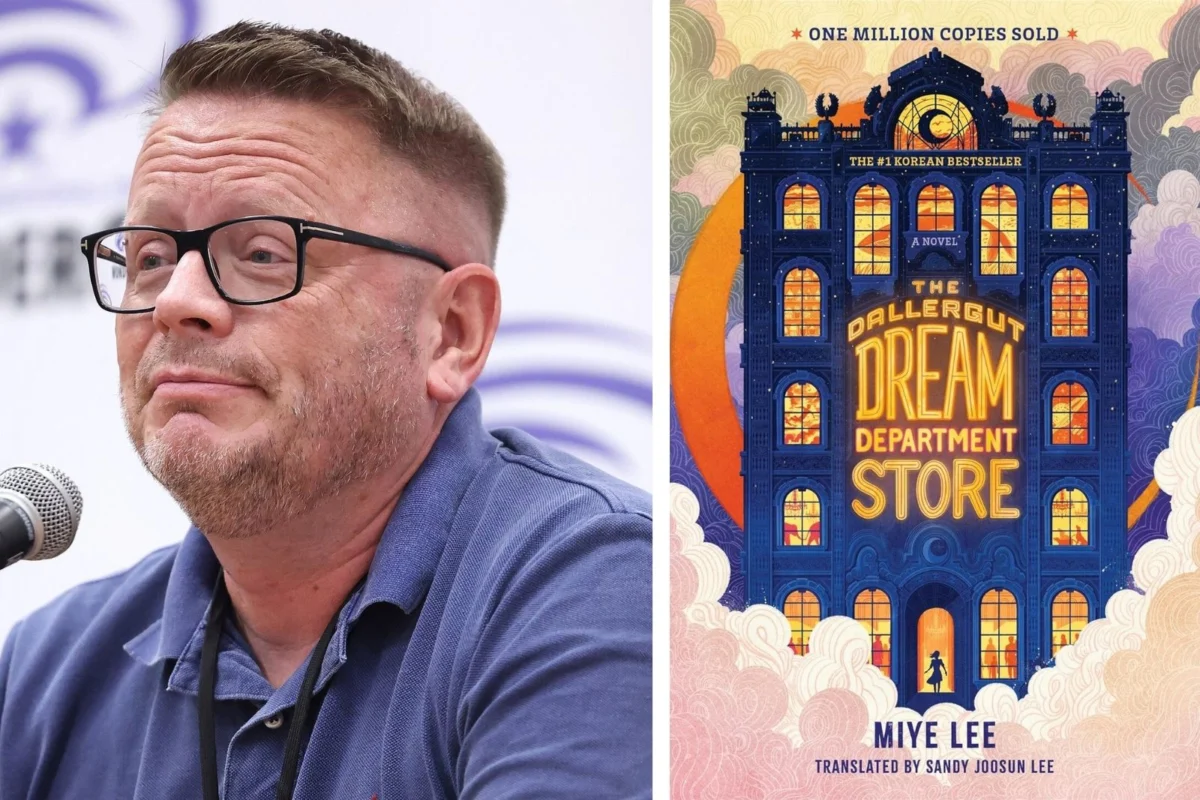
In a captivating development for fans of whimsical fantasy and global literature, Disney has officially announced its intention to adapt Miye Lee’s bestselling novel, The Dallergut Dream Department Store, into a live-action feature film. The enchanting "cozy fantasy" novel, which has charmed over a million readers worldwide and stands as the inaugural volume in a beloved trilogy, is poised to bring its unique blend of magic and introspection to a global cinematic audience.
At the helm of this ambitious project, Disney Live Action has secured the acclaimed talents of Patrick Ness, the celebrated author behind the Chaos Walking young adult series, And the Ocean Was Our Sky, and the emotionally resonant A Monster Calls. Ness, no stranger to the intricate art of literary adaptation, having previously penned the screenplays for the film versions of Chaos Walking and A Monster Calls, is tasked with translating the ethereal charm and profound human (and animal) experiences of Dallergut into a compelling visual narrative. This collaboration signals Disney’s continued commitment to diverse storytelling and its exploration of imaginative worlds that resonate with universal themes. The news, broken on August 12, 2026, has already ignited considerable buzz within both the literary and film communities, eager to see how the fantastical architecture of dreams will be brought to life.
Chronology: The Journey to the Big Screen
The Book’s Genesis and Phenomenal Rise
Miye Lee’s The Dallergut Dream Department Store began its remarkable journey not through traditional publishing channels but as a crowdfunded sensation in South Korea. This unconventional launch immediately underscored its unique appeal, demonstrating a grassroots enthusiasm that propelled it from an independent success to a national phenomenon. The novel quickly garnered widespread critical acclaim and an intensely loyal readership, captivated by its imaginative premise and heartwarming narrative. Its sales rapidly escalated, culminating in an astonishing achievement of over one million copies sold globally.
The book’s appeal lies deeply within the burgeoning "cozy fantasy" subgenre, offering readers a comforting escape into a world where dreams are tangible commodities. Set in a mysterious, bustling department store nestled within the collective subconscious, the story invites readers to explore a realm where every floor specializes in a different kind of dream – from cherished childhood memories and delectable food fantasies to the exhilaration of flying and the quiet comfort of reconnecting with lost loved ones. Its protagonist, Penny, an earnest new hire, serves as the reader’s guide through this wondrous establishment, introducing a memorable cast of characters including the flamboyant owner Dallergut, the renowned dream designer Babynap Rockabye, and even Maxim, a producer of nightmares. The novel masterfully weaves together themes of healing, growth, and flourishing, resonating deeply with a desire for warmth and wonder in complex times. Its subsequent translation into English further broadened its reach, cementing its status as a global literary sensation and paving the way for international recognition and, ultimately, this cinematic opportunity.
Disney’s Acquisition and Vision
Disney Live Action’s acquisition of the film rights to The Dallergut Dream Department Store represents a strategic move to tap into the novel’s profound global appeal and its unique narrative potential. The decision to adapt a book that thrives on intricate world-building and nuanced emotional landscapes suggests Disney’s vision extends beyond mere spectacle, aiming for a film that combines breathtaking visuals with a deeply felt story. Given Disney Live Action’s portfolio, which typically includes family-friendly, visually imaginative, and often emotionally rich narratives, Dallergut appears to be a perfect fit. The concept of a dream department store offers an almost limitless canvas for stunning visual effects and creative set designs, allowing Disney’s renowned artistry to flourish. The narrative’s inherent themes of wonder, human connection, and the pursuit of individual dreams align seamlessly with Disney’s long-standing tradition of inspiring storytelling. The studio likely sees in Dallergut not just a standalone film but the potential for a fresh, beloved franchise that can capture the imaginations of audiences across all age groups, leveraging the trilogy format to build an expansive cinematic universe of dreams.
Patrick Ness: A Seasoned Adaptor Takes the Helm
The choice of Patrick Ness to pen the screenplay for The Dallergut Dream Department Store is a significant indicator of the project’s serious artistic intent. Ness brings a formidable track record in successfully translating complex literary works to the screen. His work on A Monster Calls, which earned critical acclaim for its sensitive portrayal of grief and imagination, demonstrates his ability to handle profound emotional themes within a fantastical framework. Similarly, his adaptation of his own Chaos Walking series, while facing its own production challenges, underscored his proficiency in crafting intricate narratives for a visual medium.
Ness’s strengths as a writer lie in his capacity to delve into the psychological depths of his characters and to externalize internal struggles and fantastical concepts in a way that feels both grounded and magical. For Dallergut, this skill will be invaluable. The novel’s core concept—a store selling dreams—requires a delicate touch to avoid becoming overly saccharine or overly abstract. Ness’s experience with narratives that blend reality and fantasy, often exploring difficult emotional terrains, positions him uniquely to navigate the whimsical yet emotionally resonant world of Dallergut. His past work, including his contribution to the BBC Doctor Who spin-off show, Class, further highlights his versatility across different storytelling platforms and his comfort with fantastical narratives that appeal to a broad audience. His involvement reassures fans that the adaptation will likely respect the source material’s spirit while shaping it effectively for the cinematic experience.
Supporting Data: The Power of Dreams and Cozy Fantasy
The "Cozy Fantasy" Phenomenon
The rise of "cozy fantasy" as a distinct and increasingly popular literary genre is a fascinating cultural trend. Characterized by low-stakes narratives, gentle magic, and a strong emphasis on community, comfort, and emotional well-being, cozy fantasy offers a soothing balm in a world often saturated with high-stakes conflicts and grim realities. Unlike epic fantasies that feature world-ending threats and battles, cozy fantasy often focuses on personal growth, solving minor mysteries, or simply enjoying the everyday magic of a whimsical setting. Works like Travis Baldree’s Legends & Lattes or T.J. Klune’s The House in the Cerulean Sea exemplify this trend, drawing readers in with their warmth, humor, and optimistic outlook.
The Dallergut Dream Department Store fits perfectly within this burgeoning genre. Its premise of a bustling marketplace for dreams, where visitors seek everything from nostalgic memories to flying adventures, inherently evokes a sense of comfort and wonder. The novel’s focus on Penny’s journey of discovery and her interactions with the store’s eccentric inhabitants, all striving to heal, grow, and flourish through the power of dreams, encapsulates the genre’s core ethos. The story’s gentle pace and emphasis on the internal lives of its characters, rather than external conflict, make it an ideal candidate for an adaptation that seeks to provide escapism and emotional uplift. Disney’s foray into this genre with Dallergut could significantly amplify its mainstream appeal, introducing a wider audience to the joys of low-stakes, high-heart narratives.
Global Literary Success and Korean Wave Influence
The remarkable success of The Dallergut Dream Department Store is also emblematic of the broader "Korean Wave" (Hallyu) that has swept across global cultural landscapes. From the chart-topping K-Pop phenomenon and the globally acclaimed K-Dramas to award-winning films like Parasite and Minari, South Korean cultural exports have captivated audiences worldwide. This wave has increasingly extended to literature, with translated Korean novels finding enthusiastic international readerships. The unique blend of storytelling, cultural insights, and often profound emotional depth found in Korean narratives resonates powerfully with diverse audiences.
Dallergut‘s journey from a crowdfunded project to a million-copy international bestseller underscores this trend. Its distinct blend of fantasy, philosophy, and heartwarming humanism showcases the richness of contemporary Korean literature. Disney’s decision to adapt such a significant work further solidifies the global recognition of Korean creative industries. It demonstrates a growing appetite among major studios for stories that originate outside traditional Western literary hubs, fostering a richer cultural exchange and opening doors for more diverse voices and narratives to reach mainstream global audiences. This adaptation could serve as a powerful bridge, bringing a beloved piece of Korean fantasy directly into the global cinematic spotlight, further cementing Hallyu’s influence.
Disney’s Track Record with Fantastical Adaptations
Disney boasts an unparalleled history of bringing fantastical stories to life, from its foundational animated classics like Cinderella and Sleeping Beauty to its modern live-action remakes and original fantasy blockbusters. The studio has consistently demonstrated an ability to craft visually stunning worlds and imbue them with emotional depth, making them accessible and beloved by generations. Properties like Alice in Wonderland, Peter Pan, and more recently, Maleficent or The Nutcracker and the Four Realms, highlight Disney’s comfort and expertise in translating whimsical, magical, and often complex fantasy narratives onto the screen.
The Dallergut Dream Department Store presents an exciting new canvas for Disney’s creative prowess. Its core concept of a dream-selling emporium aligns perfectly with Disney’s brand identity, which often celebrates imagination, wonder, and the power of individual aspirations. The universal themes of dreams, desires, healing, and connection are ripe for Disney’s signature storytelling approach. The studio’s vast resources in visual effects, production design, and musical scores are ideally suited to construct the intricate, multi-layered world of Dallergut, from the bustling "childhood memories" floor to the elusive "flying dreams." This adaptation has the potential to become another iconic Disney fantasy, one that explores the very essence of human experience through a beautifully crafted, dreamlike lens.

Official Responses and Industry Buzz
Statements from Key Stakeholders
As the project is still in its nascent stages, concrete official statements from Miye Lee, Patrick Ness, or Disney executives regarding the specific vision for the Dallergut Dream Department Store film remain largely under wraps. However, the announcement itself speaks volumes. The mere fact that Disney Live Action, a division known for its high-profile and often high-budget adaptations, has secured the rights indicates a strong belief in the novel’s cinematic potential.
Industry observers anticipate that Miye Lee would express profound excitement and trust in the creative team, particularly given Patrick Ness’s reputation for respectful and insightful adaptations. Ness, for his part, is likely to convey his enthusiasm for the material and the challenges and opportunities it presents in a visual medium. His past interviews often reveal a deep appreciation for the emotional core of stories, suggesting he would focus on preserving Dallergut’s heart. Disney executives, in turn, are expected to highlight the novel’s unique concept, its global appeal, and its alignment with the studio’s ethos of inspiring and imaginative storytelling, potentially hinting at its long-term franchise potential. These eagerly awaited statements will undoubtedly provide further insight into the creative direction and aspirations for the film.
Industry Reception and Anticipation
The news of The Dallergut Dream Department Store adaptation has been met with a wave of positive reception and considerable anticipation across various sectors of the entertainment industry. Within the publishing world, it is seen as a significant validation of the "cozy fantasy" genre and a testament to the growing global influence of Korean literature. Agents and publishers are undoubtedly watching closely, as a successful Disney adaptation could spark a surge in interest for similar titles.
Among film industry professionals, the project is viewed as a fresh and imaginative venture for Disney. The unique premise offers immense creative freedom for directors, production designers, and visual effects artists. Social media platforms have already begun to buzz with excitement, particularly among the novel’s existing fanbase, who are eager to see their beloved characters and the whimsical world brought to life. Fans of Patrick Ness are also expressing enthusiasm, confident in his ability to deliver a nuanced and engaging screenplay. While details on casting, director, and production timeline are yet to emerge, the initial industry and fan reaction underscores the strong potential for Dallergut to become a highly anticipated and widely discussed cinematic event.
Challenges of Adaptation
Despite the inherent cinematic potential of The Dallergut Dream Department Store, its adaptation is not without unique challenges. The very nature of a "cozy fantasy" novel—its emphasis on internal journeys, subtle whimsy, and low-stakes narrative—can be difficult to translate to a medium often driven by external conflict and dramatic arcs. The abstract concept of dreams, while visually rich, also poses a challenge in maintaining a coherent and engaging plot without becoming overly episodic or losing its emotional anchor.
Patrick Ness will need to carefully balance the novel’s gentle charm with the demands of a feature film’s pacing and structure. Visualizing the diverse and often ephemeral nature of dreams, from "flying dreams" to "dreams of loved ones who have died," requires not only sophisticated visual effects but also a keen understanding of how to evoke emotion through imagery. The delicate tone of the book, which skillfully avoids both excessive sentimentality and overly dark themes, must be preserved. Ness’s prior success with A Monster Calls, a story that tackles grief and complex emotions within a fantastical setting, suggests he possesses the necessary sensitivity and storytelling acumen to navigate these challenges, ensuring that the film retains the heart and magic of Miye Lee’s original vision.
Implications: What This Means for the Future
Potential for a New Disney Franchise
The announcement of The Dallergut Dream Department Store as a live-action film holds significant implications for Disney’s content strategy. Given that Miye Lee’s novel is the first in a trilogy, Disney has a clear opportunity to establish a brand-new, multi-film fantasy franchise. In an era where intellectual property and established universes are highly valued, Dallergut offers a fresh, original world distinct from Disney’s existing fairy tale adaptations or superhero franchises.
A successful first film could pave the way for adaptations of the subsequent two novels, allowing audiences to delve deeper into Penny’s journey, explore more facets of the dream world, and uncover further secrets of Dallergut and its magical inhabitants. This potential franchise could provide Disney with a unique, globally appealing narrative that diversifies its fantasy offerings, attracting new audiences while delighting existing fans of the cozy fantasy genre. The imaginative scope of the dream department store offers endless possibilities for expansion, spin-offs, and immersive experiences, cementing its place as a cornerstone of Disney’s future cinematic universe.
Impact on "Cozy Fantasy" Genre
A major Disney live-action adaptation of The Dallergut Dream Department Store is poised to have a profound impact on the "cozy fantasy" genre as a whole. Such a high-profile film will undoubtedly elevate the genre’s visibility and mainstream appeal, introducing its unique charms to a global audience that may not yet be familiar with its literary roots. This exposure could lead to a significant surge in demand for other cozy fantasy novels, benefiting authors and publishers within the genre.
The success of Dallergut on screen could inspire other studios to explore similar properties, leading to a broader acceptance and proliferation of low-stakes, character-driven, and emotionally resonant fantasy narratives across various media. It would demonstrate that there is a substantial audience for stories that prioritize comfort, whimsy, and heartfelt introspection over epic battles and grand conflicts. Ultimately, Disney’s investment in Dallergut could legitimize and popularize cozy fantasy, establishing it as a vibrant and commercially viable subgenre within the wider landscape of speculative fiction.
Broader Cultural Exchange
The adaptation of a South Korean novel by a major American studio like Disney is a powerful testament to the ongoing and expanding cultural exchange fostered by the Hallyu wave. It signifies a growing appreciation for diverse storytelling traditions and a willingness to transcend geographical and linguistic barriers in the pursuit of compelling narratives. This venture further strengthens the bridge between South Korean creative industries and global entertainment, demonstrating that universal themes and imaginative concepts can resonate across cultures.
This adaptation could serve as a catalyst for increased interest in translated literature, encouraging readers and viewers worldwide to explore stories from different cultural contexts. It highlights the potential for international collaboration to enrich the global entertainment landscape, fostering a more inclusive and diverse array of content. By bringing Dallergut to the screen, Disney is not just adapting a book; it is participating in a significant cultural dialogue, showcasing the power of dreams to unite and inspire audiences across the globe.
The Road Ahead: Casting and Production
While the excitement surrounding The Dallergut Dream Department Store adaptation is palpable, the project remains in its early days. The next crucial steps will involve the selection of a director who can capture the novel’s delicate tone and whimsical aesthetic, followed by the announcement of a cast. Given the diverse and memorable characters within the book, casting will be a key element in bringing the world of Dallergut to life. Audiences will be eager to see who embodies the earnest Penny, the flamboyant Dallergut, and the various dream designers and customers.
Speculation will inevitably focus on the visual style Disney will adopt, balancing practical effects with cutting-edge CGI to create the fantastical department store and the dreams it sells. The timeline for pre-production, filming, and eventual release is still distant, but the groundwork has been laid for what promises to be a truly unique and enchanting cinematic experience. As the project progresses, each subsequent announcement will undoubtedly fuel further anticipation, moving The Dallergut Dream Department Store steadily closer to becoming a tangible, shared dream for audiences worldwide.