Dungeons of Eternity: A Deep Dive into the ‘Tomb Extraction’ Update and the Evolution of the VR Roguelite
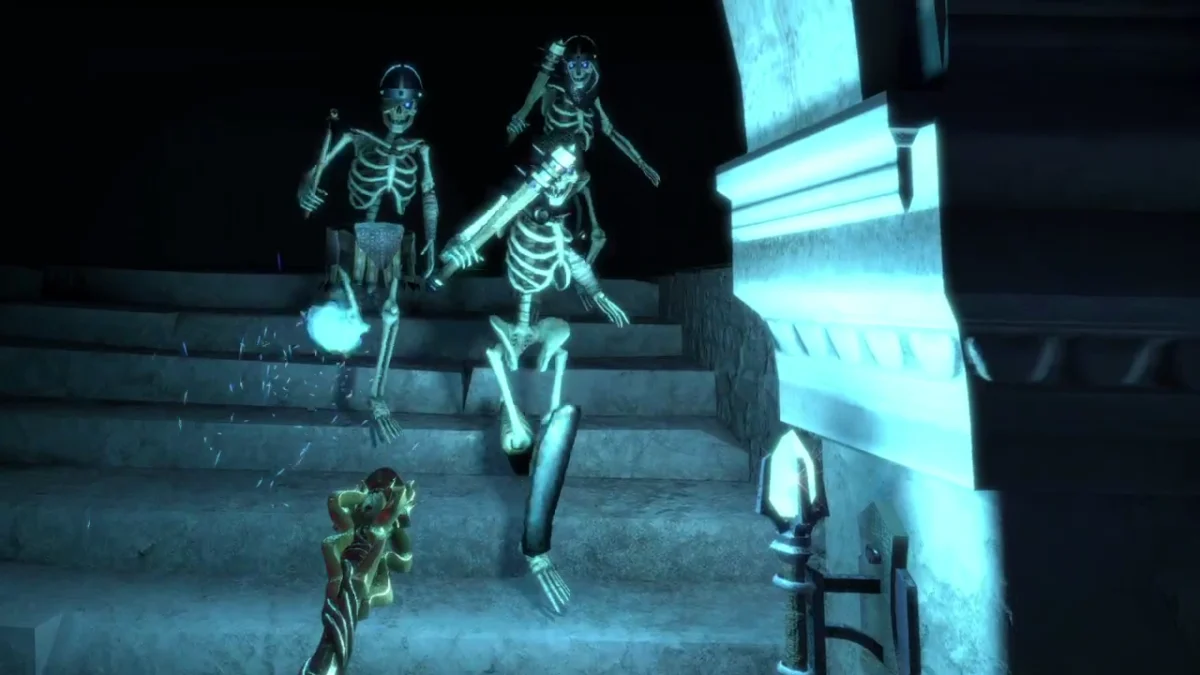
October 2, 2026 — As the VR gaming landscape continues to evolve with more sophisticated hardware and shifting player expectations, few titles have maintained the staying power of Othergate’s Dungeons of Eternity. Since its debut in late 2023, the game has become a benchmark for cooperative dungeon-crawling on the Meta Quest and SteamVR platforms. Now, on the eve of its third anniversary, Othergate has released its most ambitious free expansion to date: the Tomb Extraction update.
This update represents more than just additional content; it is a fundamental shift in the game’s rhythm. By introducing "naked runs," a player-driven procedural generation system via runes, and a new gear tier in the form of magical rings, Othergate is attempting to revitalize a gameplay loop that, while polished, was beginning to show its age.
Main Facts: The Tomb Extraction Expansion at a Glance
The Tomb Extraction update is a comprehensive overhaul designed to challenge veteran players while providing new avenues for character customization. Below are the essential specifications of the release:
- Developer: Othergate
- Release Date: September 21, 2026
- Platforms: Meta Quest (Native), SteamVR (Tested on Quest 3 via Link/Air Link)
- Pricing Model: Free update for existing owners; Base game MSRP $29.99
- Core Feature: "Tomb Extraction" — a new dungeon type focused on resourcefulness and environmental navigation.
- New Mechanics: Rune-based dungeon generation, "Naked" loadouts (starting with zero gear), and dual-hand ring slots.
- New Content: 30+ unique rings, the "Crypt Guard" enemy type, and expanded Runic Block hunt in existing Dungeon Raids.
Chronology: Three Years of Eternal Dungeons
To understand the significance of Tomb Extraction, one must look at the three-year trajectory of Dungeons of Eternity.
2023–2024: The Foundation
Launched in October 2023, Dungeons of Eternity set itself apart with its "breezy" but tactile combat. The initial release established the three pillars of the game:
- Soul Harvest (Green): Focused on wave defense and potion crafting.
- Crystal Hunt (Blue): Focused on objective-based platforming and "exo-point" progression.
- Dungeon Raids (Red): The traditional "looter" mode for weapons and armor.
2025: The Year of Refinement
In its second year, Othergate focused on environmental variety. The Stormgrave update and various Halloween events introduced new biomes and limited-time cosmetics. However, critics and players alike noted that while the "where" was changing, the "what" remained stagnant. The core objectives had not shifted since launch.
2026: The Tomb Extraction Pivot
Entering its fourth year (calculated from the October 5 anniversary), the developer recognized the need for a "change of pace." Tomb Extraction was conceived as a way to strip away the "power fantasy" that high-level players had achieved, forcing them back into a state of vulnerability and tactical planning.
Supporting Data: Mechanics and Gameplay Analysis
The Tomb Extraction update introduces three major pillars that differentiate it from the standard "hack-and-slash" experience of the previous three years.
1. The Rune Generation System
Unlike previous modes where the dungeon layout was entirely randomized by the server, Tomb Extraction introduces the Rune System. Located in a new wing of the main outpost, players can now input specific sequences of runes to generate their dungeon.
This system serves two purposes:
- Shareability: Players can share "Rune Codes" with the community to compete on specific layouts.
- Controlled Difficulty: The runes determine not just the map, but the density of loot and the ferocity of the enemies.
To expand their library of runes, players must return to the "Red" Dungeon Raids. By locating four runic blocks and inserting them into a specialized chest, players unlock new generation options. This creates a "synergistic loop" that prevents older content from becoming obsolete.
2. The "Naked Run" and the Five-Weapon Limitation
In a bold move for a looter-shooter/slasher, Tomb Extraction strips players of their hard-earned legendary gear. Upon entering, players are restricted to five basic weapon types:
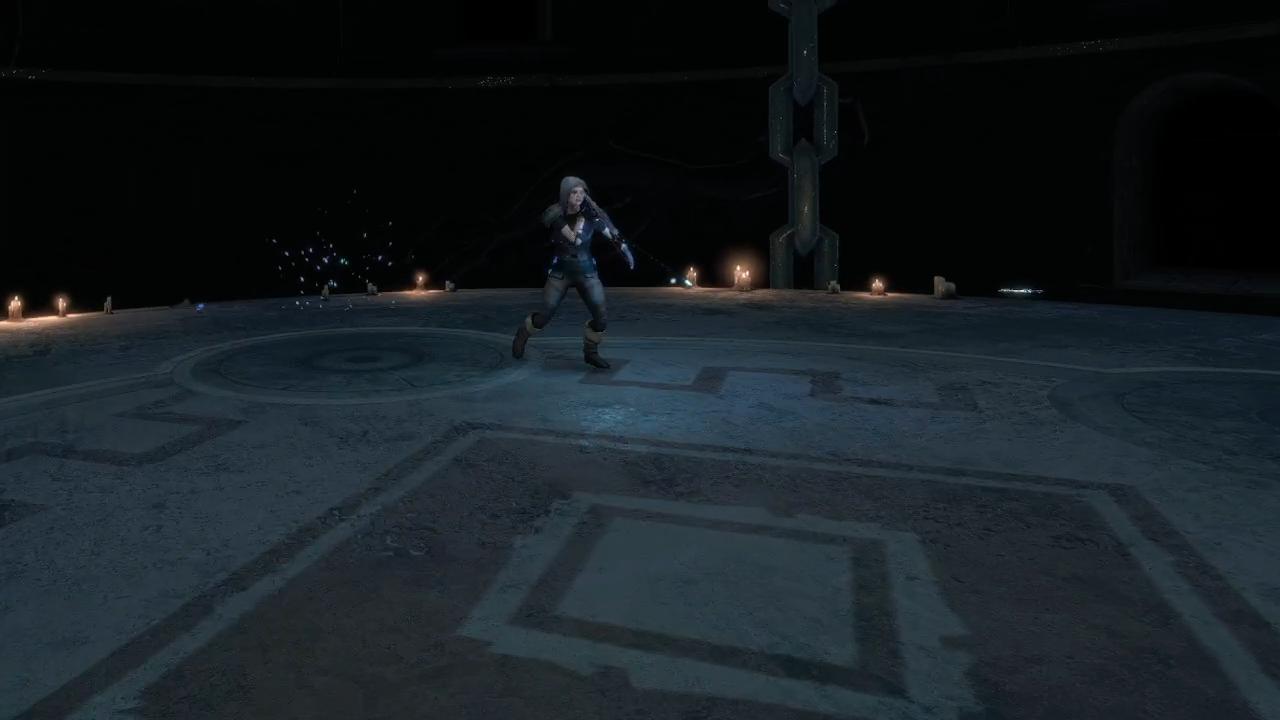
- The Dagger: For quick, high-precision strikes.
- The Hammer: Essential for smashing sealed tombs containing high-tier gold and loot.
- The Bow: A ranged option that doubles as a light source.
- The Staff: An elemental tool capable of "exploding" enemies.
- The Sword: The standard balanced melee option.
This limitation reintroduces a survival-horror element to the game. Because players can only carry a limited number of items, inventory management becomes a life-or-death decision.
3. Environmental Hazards: The Role of Light
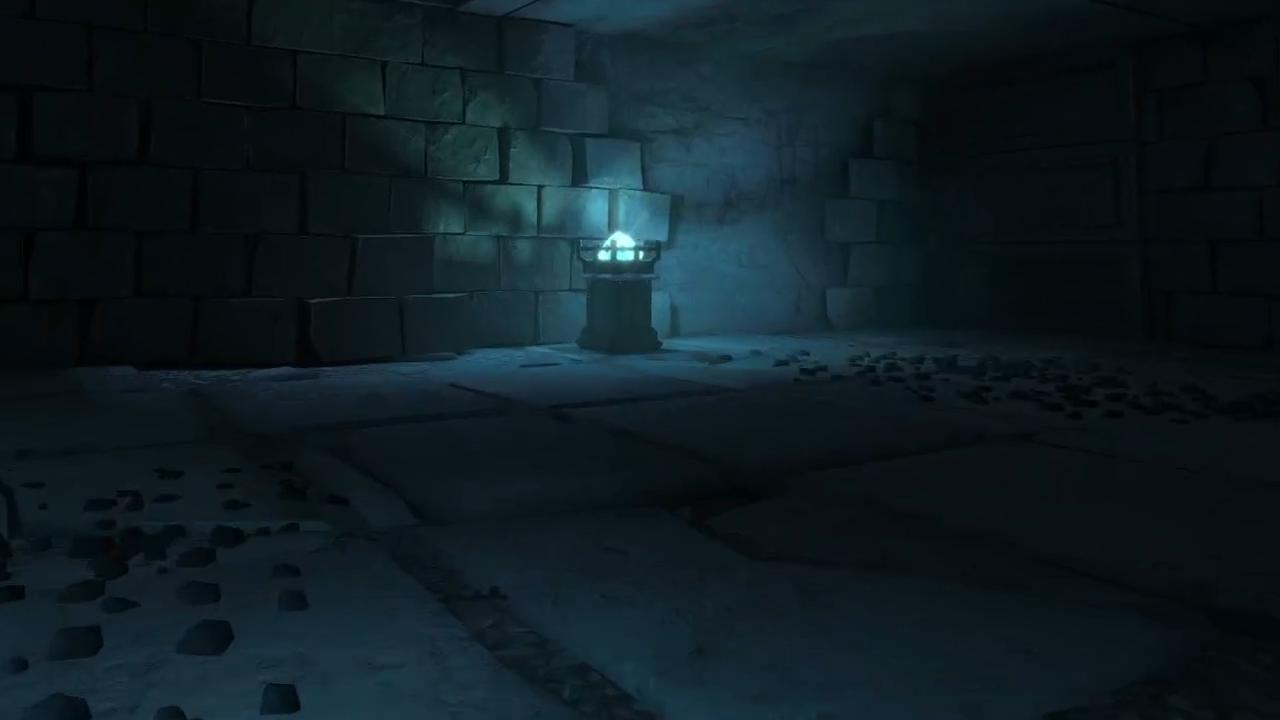
One of the most praised (and feared) aspects of the new mode is the darkness. Unlike standard dungeons, Tomb Extractions are often pitch-black. Solo players face a harrowing choice: take a weapon like the bow or staff to provide a modicum of light, or take a heavy hammer to access loot, leaving themselves blind in the corridors.
Data from early playtests suggests that Tomb Extraction is significantly more difficult for solo players. Cooperative play (up to 3 players) allows for a "combined arms" approach where one player acts as the torchbearer while others handle combat and tomb-breaking.
Official Responses and Developer Intent
Othergate has been vocal about the design philosophy behind this update. In community briefings, the developers emphasized that the goal was to "re-center the player’s skill over their gear stats."
"After three years, our veteran players have weapons that can one-shot almost anything in the standard raids," a lead designer noted during the September preview. "Tomb Extraction is our way of saying, ‘Show us how good you are when you have nothing but a rusty dagger and a dim torch.’"
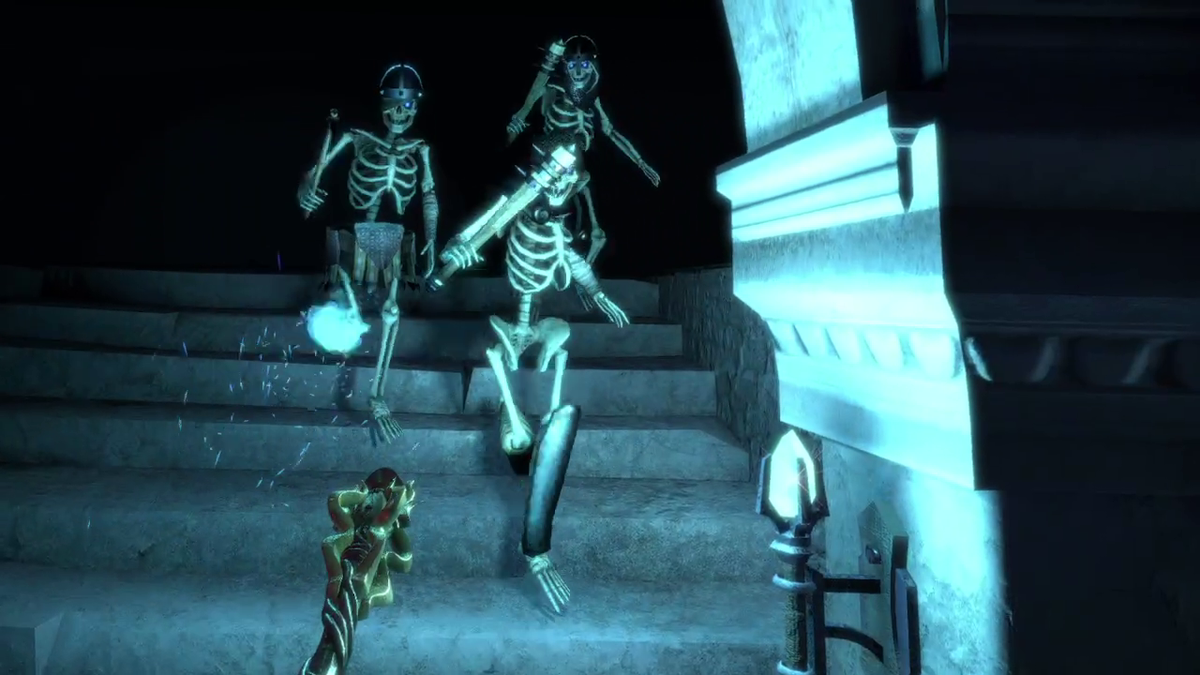
The addition of the Crypt Guard, the first new enemy type in several months, was also a deliberate choice. The Guard is designed to be a "gear check" for the limited weapon set, requiring players to utilize the game’s parry and dodge mechanics rather than relying on the high-DPS (Damage Per Second) enchantments found on late-game legendary weapons.
Implications: The Future of Dungeons of Eternity
The Tomb Extraction update has several long-term implications for both the game and the VR industry.
For the Meta-Game
The introduction of Rings (two slots per player, one for each hand) adds a new layer of theory-crafting. With over 30 rings currently available, players can now "fine-tune" their builds in ways that weren’t possible with just armor and weapons. Because these rings are exclusive to Tomb Extraction, it ensures that the new mode will remain a "grind" priority for the foreseeable future.
For Player Retention
By tying the progression of Tomb Extraction (runes) to the completion of Dungeon Raids, Othergate has successfully solved the "content silo" problem. Players cannot simply ignore the old game modes to play the new one; they must engage with the entire ecosystem to maximize their efficiency. This is a savvy move for a live-service VR title looking to maintain a healthy concurrent player count.
For the VR Genre
Dungeons of Eternity continues to prove that the "Roguelite" formula is perhaps the most sustainable model for VR development. By using procedural generation and "naked run" mechanics, developers can provide hundreds of hours of gameplay without the astronomical costs of hand-crafting 20-hour linear campaigns.
Conclusion
As Dungeons of Eternity enters its fourth year, the Tomb Extraction update stands as a testament to the game’s durability. While the limited weapon selection in the new mode may eventually feel repetitive to some, the "fresh air" of the rune system and the tension of the darkness provide a much-needed adrenaline shot to the heart of the experience.
For $29.99, the package remains one of the best values in virtual reality. Whether you are a "Day One" veteran or a newcomer picking up a Quest 3, the tombs are calling—and they have never been more dangerous.