
AI Resurrects Orson Welles’ "The Magnificent Ambersons": A Controversial Symphony of Past and Future
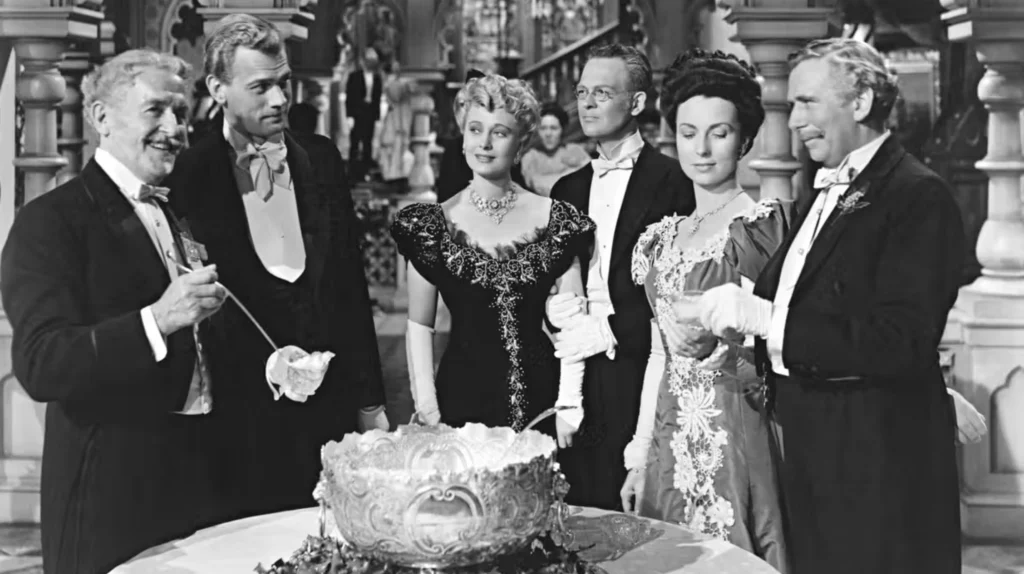
May 20, 2026 – The legacy of Orson Welles, a filmmaker whose genius was often overshadowed by studio interference and personal ambition, is once again at the center of a cinematic storm. This time, the controversy stems from an ambitious and ethically complex undertaking: the restoration and reconstruction of his notoriously butchered sophomore film, The Magnificent Ambersons, utilizing cutting-edge artificial intelligence. Spearheaded by Fable Studio, an ambitious startup backed by Amazon, this project seeks to resurrect lost scenes and reimagine the film in a way that has ignited fervent debate among cinephiles, historians, and technologists alike.
The recent passing of television mogul Ted Turner, a figure synonymous with the controversial practice of colorizing classic black-and-white films, serves as an apt, albeit somber, prelude to this new endeavor. Turner’s efforts to "update" films like Casablanca and It’s a Wonderful Life were met with widespread outcry from purists, though a clause in Orson Welles’ contract with RKO famously protected Citizen Kane from such a fate. Now, a new generation of technological intervention, powered by AI, is poised to alter another of Welles’ masterpieces, but this time with a different kind of transformative ambition.
The Tragic Genesis of "The Magnificent Ambersons"
To understand the gravity of Fable Studio’s project, one must first delve into the turbulent production history of The Magnificent Ambersons. Released in 1942, the film was a profound departure from the groundbreaking success of Citizen Kane. While Kane was a triumph of artistic vision, Ambersons became a cautionary tale of studio meddling and the devastating consequences of artistic compromise.
Following the attack on Pearl Harbor, Welles was dispatched to Brazil by Nelson Rockefeller, then the Coordinator of Inter-American Affairs, to produce a documentary promoting "Pan-American unity" during wartime. While Welles was abroad, his absence created a vacuum that RKO executives, already concerned by a disastrous test screening of The Magnificent Ambersons, were quick to exploit. As Welles himself eloquently described in a 1982 Arena broadcast, the studio deemed the film "too downbeat," a fatal flaw in the eyes of wartime Hollywood.
The irony of this criticism is profound. The Magnificent Ambersons is, at its core, a poignant exploration of societal transformation and the decline of a privileged class amidst the dawn of the automobile age. The film meticulously chronicles the downfall of the titular Ambersons family, their wealth and social standing eroding as the world around them undergoes seismic shifts. This thematic resonance, however, proved to be too somber for an America grappling with the anxieties of global conflict.
The Studio’s Vandalism and Welles’ Lament
The result of the studio’s intervention was a brutal recut that, in Welles’ own words, "destroyed Ambersons." Over an hour of footage was excised, and significant re-shoots were conducted, fundamentally altering the narrative and thematic coherence of the film. Welles was effectively locked out of the final stages of production, a betrayal that left him deeply scarred. "The picture itself destroyed me," he lamented, a testament to the profound personal and professional impact of the studio’s actions.
Despite this artistic vandalism, even the truncated studio version of The Magnificent Ambersons has garnered a devoted following. Its melancholic beauty, its sharp social commentary, and its masterful cinematography continue to captivate audiences and critics alike. It is this enduring, albeit compromised, legacy that Fable Studio aims to both honor and radically reimagine.
Fable Studio’s AI-Powered Resurrection: A New Frontier in Filmmaking?
Edward Saatchi, a scion of the advertising dynasty and a passionate film enthusiast, is the driving force behind Fable Studio’s audacious project. Leveraging his Amazon-backed generative AI platform, Showrunner, Saatchi is embarking on a mission to reconstruct The Magnificent Ambersons by feeding the AI vast amounts of production material. This includes surviving scripts, photographs, and detailed production notes, all meticulously curated to guide the AI in generating entirely new scenes.
The process, as detailed by The New Yorker‘s Michael Schulman, is a complex and multi-layered endeavor. "For emotional authenticity," Schulman writes, "Fable would first shoot live actors, then overlay the footage with the digitized voices and likenesses of the long-dead cast members." This "deepfake" approach, combined with AI-generated visuals, promises a result that is "potentially unsettling on several levels at once."
The ambition is not merely to restore Welles’ original cut, but to create a definitive version that incorporates lost narrative threads and re-imagines the film’s visual and emotional landscape. The AI is tasked with extrapolating from the existing material, piecing together the fragments of Welles’ original vision and breathing new life into it through advanced algorithms.
Thematic Echoes: Technology, Progress, and the Human Cost
Perhaps the most striking aspect of this AI-driven restoration is its profound thematic resonance with the very film it seeks to revive. The Magnificent Ambersons is a prescient examination of the human cost of technological advancement and societal upheaval. The film’s narrative is steeped in the anxieties of an era where the automobile, a symbol of progress and modernity, was fundamentally altering the fabric of American life, leading to the obsolescence of established traditions and social structures.
A poignant scene from the studio cut, featuring Joseph Cotten’s character, an early automobile investor, encapsulates this sentiment: "With all their speed forward, they may be a step backward in civilization," he muses. "It may be that they won’t add to the beauty of the world or the life of men’s souls – I’m not sure. But automobiles have come, and almost all outward things are going to be different because of what they bring." He further speculates that even the human mind itself will be "changed in subtle ways."
This prescient observation about the transformative power of technology now finds an uncanny parallel in the very tools being used to resurrect the film. The AI, much like the automobile in Welles’ film, represents a powerful force of change, capable of reshaping our understanding of art, creativity, and even human identity.
Edward Saatchi himself acknowledges this parallel, exhibiting a palpable ambivalence towards the very technology he wields. He describes AI as "potentially the end of human creativity," yet simultaneously pushes forward with his unauthorized reconstruction of The Magnificent Ambersons. This internal conflict mirrors the film’s own exploration of the double-edged sword of progress.
Crucially, Fable Studio’s reconstruction aims to retain the film’s original black-and-white aesthetic, a deliberate choice that sets it apart from the colorization controversies of the past. This decision underscores a commitment to preserving the visual integrity of Welles’ work, even as the methodology of its reconstruction pushes the boundaries of artistic interpretation.
Supporting Data and Methodologies
The restoration process relies heavily on the extensive archives of production materials that have survived the decades. These include:
- Original Screenplays and Drafts: Detailed outlines of Welles’ intended narrative, character arcs, and dialogue.
- Production Stills and Photographs: Visual references for set design, costumes, lighting, and actor performances.
- Director’s Notes and Memos: Insights into Welles’ artistic intentions, directorial choices, and any documented disagreements with the studio.
- Surviving Footage: Any extant clips or sequences that may have been cut from the final release, providing direct evidence of Welles’ original vision.
Fable Studio’s AI platform, Showrunner, employs sophisticated algorithms for:
- Scene Generation: Based on script analysis and contextual cues from production materials, the AI can generate new dialogue, action sequences, and visual elements.
- Performance Synthesis: Using deep learning models, the AI can synthesize the voices and likenesses of the original cast members, creating digital avatars that perform the AI-generated scenes. This involves analyzing archival audio recordings and visual performances to achieve a high degree of fidelity.
- Visual Reconstruction and Enhancement: The AI can also be used to digitally restore damaged film stock, enhance image quality, and even create new visual effects that align with the film’s original aesthetic.
Official Responses and the Ethical Quandary
The project has, unsurprisingly, generated a spectrum of reactions. While some have hailed it as a groundbreaking achievement in cinematic preservation and innovation, others have voiced serious ethical concerns.
Supporters of the project often highlight:
- The potential to realize Welles’ original vision: For decades, cinephiles have lamented the loss of Welles’ intended cut. AI offers a tantalizing possibility of finally experiencing The Magnificent Ambersons as he envisioned it.
- The democratization of filmmaking: AI tools could potentially lower the barrier to entry for filmmakers, enabling ambitious projects that were previously cost-prohibitive.
- A new form of artistic collaboration: The interaction between human creativity and artificial intelligence could lead to entirely new forms of artistic expression.
Critics, however, raise significant ethical and artistic objections:
- Authorship and Authenticity: Is a film reconstructed by AI, even with extensive archival data, truly the work of Orson Welles? Critics argue that it dilutes the concept of authorship and compromises artistic authenticity.
- The Specter of Deepfakes: The use of synthesized likenesses and voices of deceased actors raises concerns about the ethical implications of digitally resurrecting individuals without their consent, even posthumously.
- Commercial Exploitation: The involvement of a major corporation like Amazon in an unauthorized reconstruction of a classic film raises questions about intellectual property rights and the potential for commercial exploitation of artistic legacies.
- The Erosion of Historical Integrity: Critics worry that such reconstructions, while potentially fascinating, could blur the lines between original art and AI-generated interpretation, leading to a distorted understanding of film history.
As of this reporting, there have been no official statements from Welles’ estate or major film preservation organizations regarding Fable Studio’s project. The debate remains largely within the realm of critical discourse and public opinion.
Implications for the Future of Cinema and Art
The AI-driven restoration of The Magnificent Ambersons is more than just a technical feat; it is a watershed moment that forces us to confront fundamental questions about art, technology, and legacy.
- The Redefinition of "Restoration": This project challenges traditional notions of film restoration, which typically focus on preserving and presenting the original work as faithfully as possible. Fable Studio’s approach is one of active reconstruction and reinterpretation, blurring the lines between restoration and creation.
- The Democratization vs. Commodification of Art: While AI tools might democratize certain aspects of filmmaking, the involvement of large corporations like Amazon in such ambitious projects raises concerns about the commodification of artistic heritage.
- The Future of Creative Labor: The ability of AI to generate content raises profound questions about the future of creative professions. Will AI become a tool for artists, or will it eventually replace them?
- Ethical Frameworks for AI in Art: This project underscores the urgent need for ethical guidelines and legal frameworks to govern the use of AI in artistic creation, particularly when dealing with the likenesses and legacies of deceased artists.
The controversy surrounding Fable Studio’s endeavor is a testament to the enduring power of Orson Welles’ work and the profound questions that new technologies invariably pose. As AI continues its inexorable march forward, the cinematic landscape, much like the world depicted in The Magnificent Ambersons, is poised for transformation. Whether this transformation leads to a richer appreciation of artistic heritage or a dilution of its essence remains to be seen. One thing is certain: the debate over the soul of cinema in the age of artificial intelligence has only just begun.



Leave a Comment