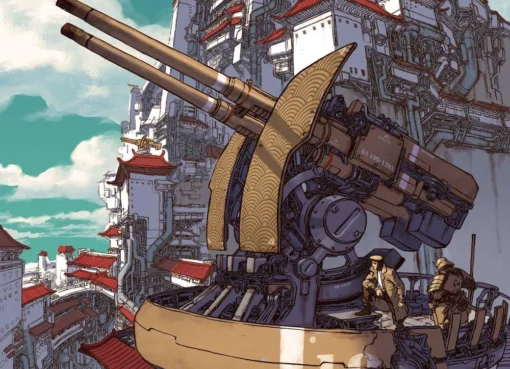
Unveiling the Visual Architects: A Deep Dive into Concept Art and Its Industry Impact
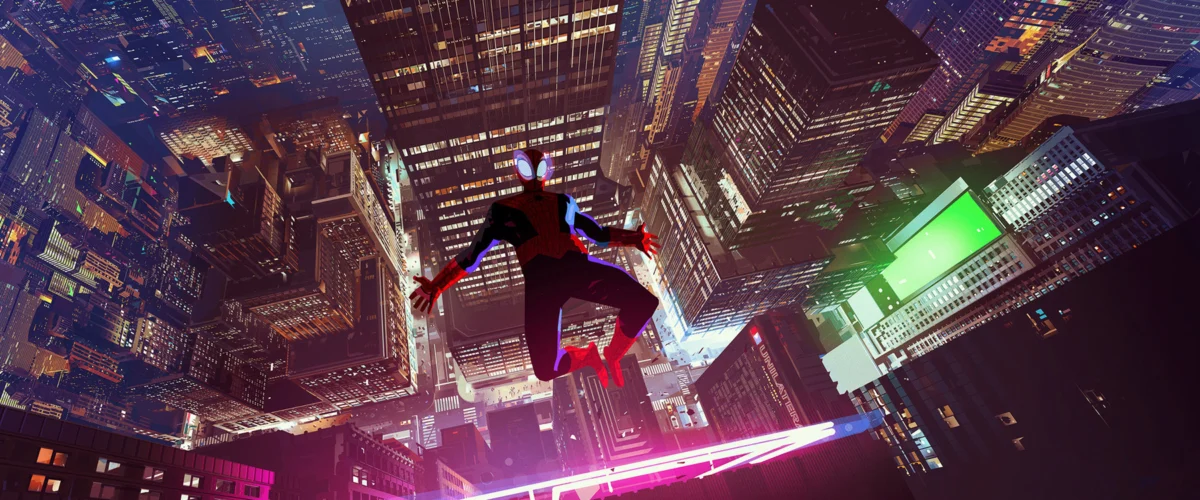
[City, State] – [Date] – In the dynamic realm of entertainment, where immersive worlds and unforgettable characters come to life, the unsung heroes are often the concept artists. These visual architects lay the foundational blueprints for everything from blockbuster films and AAA video games to groundbreaking animated features. Concept Art World, a leading online repository dedicated to celebrating and showcasing this vital art form, offers a glimpse into the meticulous craftsmanship and creative vision that drives modern visual storytelling. This article delves into the significance of concept art, highlights prominent examples from the industry, and explores the broader implications for both creators and audiences.
The Genesis of Vision: What is Concept Art?
Concept art, at its core, is the visual development of an idea. It’s the initial exploration of characters, environments, props, and overall mood that will eventually manifest on screen or in-game. Far from being mere sketches, concept art is a strategic tool, a visual language that communicates complex ideas to directors, producers, game designers, and the entire production team. It serves as a roadmap, guiding the creative process and ensuring a cohesive artistic vision from inception to final product.
The process typically involves extensive research, mood boarding, and iterative sketching. Artists explore various styles, color palettes, and compositions, seeking to capture the essence of the project’s narrative and thematic core. Whether it’s envisioning the fantastical creatures of a magical realm or the gritty realism of a dystopian future, concept artists bridge the gap between imagination and tangible reality.
A Glimpse into Industry Excellence: Featured Works and Artists
Concept Art World frequently spotlights exceptional talent and projects that exemplify the power of concept art. Among the notable features are:
Fantastic Beasts: The Crimes of Grindelwald Concept Art by Dan Baker
Dan Baker’s contributions to "Fantastic Beasts: The Crimes of Grindelwald" underscore the intricate world-building required for large-scale fantasy franchises. His concept art for this installment of the Wizarding World delves into the opulent yet foreboding architectural styles of 1920s Paris and the darker, more imposing structures associated with Grindelwald’s growing influence. Baker’s ability to translate the magical elements of J.K. Rowling’s universe into visually compelling designs, from the ethereal glow of magical artifacts to the imposing presence of fantastical beasts, was crucial in establishing the film’s distinct atmosphere. His work likely involved extensive exploration of historical Parisian architecture, blending it seamlessly with the fantastical elements of the Harry Potter lore. The intricate details in his environmental designs would have provided a rich tapestry for the film’s art department to draw from, ensuring a believable and immersive experience for audiences enchanted by the magical world.
Zombie Playground Concept Art by Jason Chan
Jason Chan’s "Zombie Playground" concept art offers a starkly different yet equally compelling artistic challenge. This project likely explores a post-apocalyptic or survival horror setting, where the mundane environment of a playground is transformed into a scene of dread and decay. Chan’s work would have focused on creating a visceral and unsettling atmosphere, emphasizing the contrast between the playful innocence of a playground and the pervasive threat of zombies. His visual approach likely involved exploring themes of desolation, the remnants of civilization, and the grotesque nature of the undead. The use of color, light, and shadow would be paramount in conveying the mood, perhaps featuring muted, desaturated tones punctuated by stark highlights or ominous shadows. The concept art for "Zombie Playground" would have been instrumental in defining the visual identity of the game or film, setting the tone for player or viewer experience and establishing the visual language of survival in a world overrun by the undead.
Alien: Isolation Concept Art by Brad Wright
Brad Wright’s concept art for the survival horror game "Alien: Isolation" represents a masterclass in atmospheric design and faithful adaptation. Capturing the iconic aesthetic of Ridley Scott’s original "Alien" film while introducing new environments and threats required a deep understanding of the source material and a keen eye for detail. Wright’s work would have focused on recreating the claustrophobic, industrial, and terrifying ambiance of the Sevastopol station, a derelict space facility. His environmental concepts likely emphasized the utilitarian, worn-down nature of the station, with a focus on practical lighting, grimy textures, and the oppressive sense of isolation. Furthermore, his designs for the Xenomorph and other threats would have aimed to evoke the primal fear and relentless pursuit that defined the game’s gameplay. The challenge here lies in honoring the legacy of the "Alien" franchise while carving out a unique visual identity for "Isolation," ensuring that the player feels truly vulnerable and hunted within its meticulously crafted world.
Halo 5: Guardians Concept Art by Daniel Chavez
Daniel Chavez’s concept art for "Halo 5: Guardians" exemplifies the expansive and epic scale of the "Halo" universe. The franchise is renowned for its distinctive art direction, blending futuristic military aesthetics with alien grandeur. Chavez’s contributions would have likely involved conceptualizing new alien species, advanced weaponry, diverse planetary landscapes, and the iconic Spartan armor. His work would have been crucial in visualizing the sprawling battlefields, intricate alien architecture, and the dynamic combat scenarios that are hallmarks of the "Halo" series. The "Halo" universe demands a balance between gritty realism and fantastical science fiction, and Chavez’s art would have played a pivotal role in achieving this, ensuring that the visual language of "Halo 5" felt both familiar to long-time fans and fresh for a new generation of players. The exploration of different alien cultures and their technological advancements would have been a key aspect of his conceptualization process.
The Chronology of Creation: From Sketch to Screen
The journey of a concept from initial idea to final rendered image is a meticulously structured process, often unfolding over months or even years.
- Pre-Production Ideation: This is where the seeds of visual concepts are sown. Directors, writers, and designers collaborate to define the project’s core aesthetic, themes, and narrative goals. Concept artists are brought in to translate these abstract ideas into concrete visual forms.
- Exploratory Phase: Artists begin generating a wide range of sketches and digital paintings, exploring different directions for characters, environments, and key props. This phase is characterized by rapid iteration and experimentation, with artists often presenting multiple distinct options for feedback.
- Refinement and Development: Once promising directions are identified, artists delve deeper, refining the chosen concepts. This involves adding more detail, exploring color palettes, and establishing specific lighting conditions. For character concepts, this might include turnarounds and detailed costume designs. For environments, it involves creating detailed blueprints and establishing a sense of scale and atmosphere.
- Production Integration: As the project moves into full production, concept art serves as a vital reference for 3D modelers, texture artists, lighting artists, and set designers. The concept art team often continues to work alongside the production teams, providing further clarification and developing new concepts as needed.
- Final Polish: Even in the final stages, concept art can be used for final overpaints or to guide the integration of visual effects, ensuring that the finished product remains true to the original artistic vision.
Supporting Data and Industry Trends
The demand for high-quality concept art continues to surge, driven by the ever-expanding entertainment industry.
- Growth in CG and VFX: The increasing reliance on computer-generated imagery (CGI) and visual effects (VFX) in film and gaming necessitates a robust foundation of concept art. These digital environments and characters are meticulously planned and designed before being brought to life through complex software.
- Rise of Indie Game Development: The burgeoning independent game development scene has also created a significant market for concept art. Smaller studios, often with limited budgets, rely on skilled concept artists to define their game’s unique visual identity and attract players.
- Virtual Production and Real-time Rendering: Emerging technologies like virtual production and real-time rendering engines are further blurring the lines between concept art and final output. Concept artists are increasingly working with these tools, allowing for more immediate feedback and integration into live production pipelines.
- AI and Concept Art: The advent of AI-powered image generation tools presents both opportunities and challenges for concept artists. While some see AI as a powerful tool for ideation and rapid prototyping, others express concerns about its impact on the profession and the potential for misuse. Concept Art World’s explicit prohibition of AI training on its content highlights a growing awareness and concern within the artistic community regarding intellectual property and the future of human creativity.
Official Responses and Industry Perspectives
While specific official responses from individual studios regarding concept art are rare, the industry’s continued investment in concept art departments and freelance concept artists speaks volumes. Major studios consistently allocate significant resources to their visual development teams, recognizing its indispensable role in creating successful entertainment properties.
Industry professionals often emphasize the collaborative nature of concept art. "It’s not just about drawing pretty pictures," says a veteran concept artist who preferred to remain anonymous. "It’s about problem-solving, communicating effectively, and contributing to a larger narrative. We’re part of a team, and our work is a stepping stone for many other disciplines."
The ethical considerations surrounding AI and its use in art creation are a growing point of discussion. Platforms like Concept Art World are taking a proactive stance by clearly defining their policies on content usage, aiming to protect artists’ rights and ensure that their work is used ethically and responsibly. This stance reflects a broader movement within the creative industries to advocate for fair compensation, intellectual property protection, and the preservation of human artistic contribution.
Implications for the Future of Entertainment
The future of concept art is intrinsically linked to the evolution of entertainment technology and audience expectations.
- Enhanced Immersion: As visual fidelity continues to advance, concept artists will be tasked with creating even more detailed and believable worlds. This will involve exploring new artistic styles, pushing the boundaries of digital painting, and collaborating with teams utilizing cutting-edge rendering technologies.
- Interactive Storytelling: With the rise of interactive media and VR/AR experiences, concept artists will play a crucial role in designing environments and characters that respond dynamically to user input. This will require a deeper understanding of game design principles and user experience.
- The Human Touch: Despite the advancements in AI, the unique perspective, emotional depth, and creative intuition of human artists will remain invaluable. The ability to imbue a piece of art with soul and narrative intent is something that AI currently struggles to replicate. Concept artists will likely continue to be the driving force behind the emotional resonance of visual narratives.
- Ethical Frameworks: The ongoing dialogue surrounding AI and art will likely lead to the development of clearer ethical frameworks and legal guidelines for the use of AI in creative workflows. This will be crucial for ensuring that artists are fairly compensated and that their intellectual property is protected.
In conclusion, concept art is far more than just a preliminary step in the production pipeline; it is the bedrock upon which compelling visual narratives are built. As technology advances and the entertainment landscape continues to evolve, the role of the concept artist will only become more critical, shaping the worlds we explore and the characters we connect with for years to come. Concept Art World stands as a testament to this vital art form, offering a window into the brilliant minds that bring our wildest imaginations to life.