Navigating the Lull: Author Terry Odell Shares Insights on Post-Manuscript Transitions and Market Dynamics

By [Your Name/News Outlet Name]
The creative process, particularly for authors, is rarely a linear path. For acclaimed mystery and romantic suspense writer Terry Odell, the period following the intensive "surgery" of manuscript revision—a process she detailed in a previous discussion—presents a unique set of challenges and opportunities. This transitional phase, often referred to as the "between projects" period, is a critical juncture where strategic planning and proactive engagement with the market become paramount. Odell’s recent insights, shared on her blog, offer a compelling look into how authors navigate these lulls, from refining promotional materials to responding to evolving publishing landscapes.
The Creative Crucible: Beyond the Final Edit
The moment a manuscript is deemed "as good as it’s going to get" and sent to an editor marks not an end, but a pivot. For Odell, this phase is far from a simple waiting game. While some might be tempted to immediately dive into the next narrative, she emphasizes that the work of bringing a book to readers extends well beyond the final comma. This period is crucial for developing the essential components that will introduce and market the completed work.
"My changes aren’t making it better, only different," Odell reflects, acknowledging the delicate balance of revision. This sentiment underscores the author’s deep engagement with their craft, where even the slightest alteration is a considered decision. The question then becomes: "What now?" The answer, as Odell illustrates, lies in a multifaceted approach that prepares the book for its journey into the hands of potential readers.
Crafting the Hook: The Art of the Book Description
A primary focus during this "between projects" phase is the creation of the book’s description—the gateway to its narrative for online retailers and potential print readers. This is not merely a summary, but a carefully constructed piece of marketing designed to entice and intrigue. Odell has shared the compelling description for her upcoming work, offering a glimpse into the narrative’s core conflict and character dynamics.
The description sets a compelling stage: "When the camera lies, who do you trust?" This central question immediately establishes a theme of deception and the unreliability of visual evidence, a potent hook in today’s visually saturated world.
The narrative unfolds around Evvie Gale and Colton Hughes, initially introduced as casual acquaintances met at a dog park. Their burgeoning connection is threatened by the emergence of "deep fake photographs" that jeopardize both their careers. This premise taps into contemporary anxieties surrounding misinformation and its real-world consequences.
Evvie’s backstory is particularly poignant. Having changed her name after a childhood trauma, she has meticulously cultivated a life of anonymity, working behind the lens rather than being its subject. Her established identity, built on years of carefully guarded privacy and professional success as a photographer, is shattered when a gallery owner abruptly drops her work. This professional setback, however, is compounded by the discovery of deeply humiliating deep fake images, forcing her to confront a past she desperately tried to outrun.

Colton’s arc offers a contrasting perspective. Having escaped the demanding life of a Wyoming cattle ranch, he finds a different kind of challenge in his work as a journalist. The description hints at a case that feels "off" to him, with supporting photographic evidence that raises his suspicions. Despite his boss’s eagerness to close the claim, Colton’s intuition leads him to seek Evvie’s expertise, trusting her discerning eye to uncover the truth.
The narrative takes a further turn when a family emergency compels Colton to return to his ranch. He invites Evvie to accompany him, a decision that inadvertently brings her past—and its potential dangers—to the Hughes family. This confluence of personal secrets and external threats promises a rich tapestry of suspense and emotional depth.
Market Realities: Navigating Distributor Pricing and Author Royalties
Beyond the creative work, Odell’s recent post also highlights the often-unforeseen challenges of the publishing market, particularly concerning pricing strategies and their impact on author royalties. She discusses a significant decision by a major online retailer to unilaterally reduce the prices of her "Blackthorne, Inc." box sets, each containing three novels.
This action, taken without prior warning, has a direct financial consequence for Odell. She explains that the retailer does not pay royalties based on the author’s set price, but rather on the reduced price, effectively diminishing her earnings from these sales. This situation underscores the power dynamics within the book industry and the vulnerability of authors to platform-level pricing decisions.
"Another reason I’m glad I sell wide," Odell states, referring to her strategy of distributing her books across multiple sales channels. While this diversification offers greater reach and control, it also exposes authors to varied market practices. In this instance, while the major retailer has lowered prices, other sales channels continue to offer her books at the originally intended price.
This disclosure serves as a valuable lesson for other authors and readers alike. It highlights the importance of understanding how book sales and royalties function across different platforms. For readers, it presents an opportunity to access these box sets at a reduced price, while for authors, it’s a stark reminder of the ongoing need to monitor market fluctuations and advocate for fair compensation. Odell provides direct links to these discounted box sets, allowing interested readers to take advantage of the temporary price reduction.
The "Between Projects" Philosophy: Rest, Recharge, or Re-engage?
Odell poses a pertinent question to her readers: "What do you do ‘between’ projects? Jump into the next or take a little ‘me’ time?" This question invites reflection on the diverse approaches authors take to manage the transition between major creative undertakings.
Some authors thrive on continuous momentum, using the lull as an opportunity to initiate the next narrative arc. Others find that periods of rest and personal rejuvenation are essential for sustained creativity. This might involve pursuing non-book-related activities, engaging in hobbies, or simply allowing the mind to wander and absorb new experiences that can later fuel future storytelling.
The inclusion of "non-book-related things" in her blog post suggests Odell’s own appreciation for this balance. While the core of her professional life revolves around writing, acknowledging and sharing other aspects of her life can foster a deeper connection with her audience and provide a wellspring of inspiration.
A Glimpse into "Deadly Ambitions": A Testament to Continued Engagement
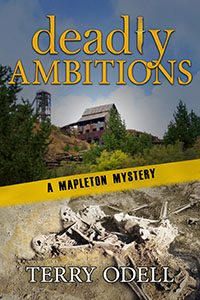
To illustrate her ongoing commitment to her readership, Odell also provides a detailed synopsis for her book, "Deadly Ambitions." This serves not only as a promotional piece but also as a testament to her prolific output and her ability to weave compelling narratives across different series and themes.
"Deadly Ambitions" plunges readers into the small town of Mapleton, where peace is a fragile commodity. Police Chief Gordon Hepler finds himself navigating a complex web of local politics, including a disgruntled former mayoral candidate and a budget-conscious council member intent on slashing the police department’s funding.
Simultaneously, Angie, a character undergoing a long-delayed diner remodel, stumbles upon an old journal. This discovery sparks her curiosity about the journal’s author, leading her on a quest for answers that may unearth more than she bargained for.
The synopsis masterfully blends these two narrative threads, suggesting a convergence of political intrigue, personal grudges, and hidden agendas. Gordon must untangle these complexities to protect those he cares about, all while Angie’s historical investigation potentially intersects with present-day dangers. The description highlights the book’s strengths: "small-town intrigue, political tension, and page-turning suspense rooted in both history and today’s ambitions."
Conclusion: The Author’s Journey as a Continuous Narrative
Terry Odell’s insights into the "between projects" phase offer a valuable window into the multifaceted life of a professional author. It is a period that demands not only creative focus but also strategic marketing acumen and a keen awareness of the ever-evolving publishing landscape. From meticulously crafting compelling book descriptions to navigating market-driven pricing fluctuations, authors like Odell demonstrate a dedication that extends far beyond the act of writing itself.
Her approach—balancing the intensive work of manuscript preparation with proactive promotional efforts and a recognition of personal well-being—serves as a model for navigating the inevitable lulls in the creative cycle. The "between projects" phase, far from being a void, is in fact a fertile ground for growth, refinement, and strategic positioning, ultimately ensuring that the stories authors pour their hearts into reach the readers who eagerly await them. Odell’s continued engagement with her audience, sharing both her professional journey and her literary creations, solidifies her position as a respected and insightful voice in the literary world.