
The Unseen Dungeon Master: A Deep Dive into the Dungeons & Dragons Adventure System Board Games
For enthusiasts of tabletop role-playing games, the allure of gathering around a table, meticulously placing dungeon tiles, and rolling dice against the threat of a plastic monster is undeniable. The Dungeons & Dragons Adventure System board games have, for years, sought to bottle this very magic, offering a streamlined, dungeon master-less experience that captures the essence of D&D. From their nascent experiments to their refined triumphs, this series has carved a significant niche, sparking discussions among players globally, from dedicated communities in North America to burgeoning board game scenes in places like Poland.
This article will embark on a chronological journey through the evolution of these games, examining how they transitioned from ambitious but sometimes rough concepts to genuinely acclaimed hits. We will delve into their design philosophies, their impact on the cooperative board game landscape, and the enduring appeal that continues to resonate with both seasoned adventurers and newcomers alike.
The Core Quest: Main Facts of the Adventure System
The Dungeons & Dragons Adventure System board games are a series of cooperative dungeon-crawling board games published by Wizards of the Coast. Designed primarily by Peter Lee, Rodney Thompson, and Bill Slavicsek, they aim to deliver a D&D-like experience without the need for a dedicated Dungeon Master. Players select iconic D&D heroes, explore modular dungeons, battle monsters, collect treasure, and complete scenario-specific objectives. The system is renowned for its accessible ruleset, quick setup, and the use of high-quality miniatures, making it a gateway for many into the broader world of Dungeons & Dragons. Its success lies in distilling complex RPG mechanics into an intuitive board game format, focusing on tactical combat, cooperative strategy, and emergent storytelling driven by card draws and tile reveals.
A Hero’s Journey: Chronology and Evolution
The D&D Adventure System did not spring forth fully formed. It represents a fascinating case study in iterative design, with each installment building upon the foundations and lessons learned from its predecessors. This chronological overview highlights the series’ growth and refinement.
Castle Ravenloft (2010): The Gothic Genesis
As the inaugural title in the D&D Adventure System, Castle Ravenloft holds a special place in the hearts of many players. Released in 2010, it thrust players into the iconic gothic horror setting of Barovia, a land haunted by vampires, skeletons, and other creatures of the night. Its primary appeal lay in its sheer accessibility. The rules were elegantly simple, allowing players to grasp the core mechanics within ten minutes and immediately embark on monster-slaying quests. This ease of entry was crucial, serving as a low-barrier introduction to the D&D universe for many who might have been intimidated by the full-fledged role-playing game.
The game’s most potent strength was its palpable atmosphere. Despite its board game format, Castle Ravenloft managed to evoke a spooky, cinematic dread that was genuinely immersive. Players genuinely felt the tension of exploring a cursed castle, where every new tile draw could bring a devastating trap or a swarm of undead. While its predictability could be wild—one session might see players triumph effortlessly, while the next would end in utter destruction due to unlucky draws—this capriciousness also contributed to its charm, mimicking the unpredictable nature of true dungeon delves. For a series debut, Castle Ravenloft perfectly set the tone, demonstrating the viability of a DM-less D&D experience and providing a solid, albeit simple, foundation upon which future iterations would build. It proved that the essence of D&D could be captured in a cooperative board game, prioritizing immediate fun over intricate simulation.
Wrath of Ashardalon (2011): Stretching the Boundaries
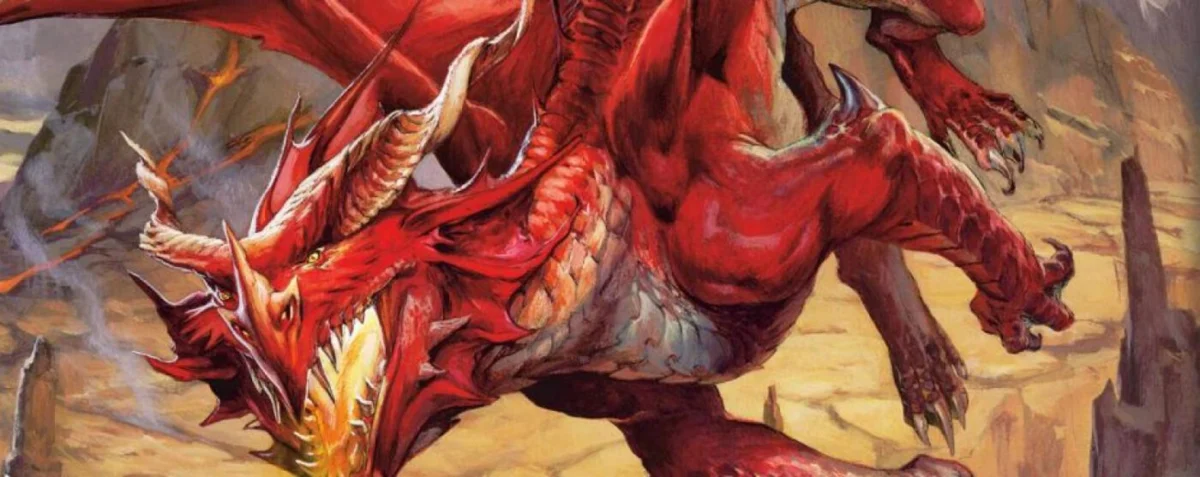
Following swiftly on the heels of Castle Ravenloft, Wrath of Ashardalon arrived in 2011 with a clear ambition: to go bigger. The game promised a grander scale, immediately evident from the imposing red dragon, Ashardalon, gracing its box art. The miniatures continued to impress, maintaining the high standard set by its predecessor, and the overall aesthetic delivered a classic dungeon feel. Players were introduced to new environments beyond the confines of a castle, exploring volcanic caverns and subterranean lairs.
However, Wrath of Ashardalon also revealed the growing pains of a nascent system. While it introduced a host of new ideas and mechanics, the execution felt somewhat uneven. Some missions genuinely sparkled, offering engaging tactical challenges and rewarding progression. Others, however, felt less cohesive, their objectives or monster encounters lacking the same spark, leading to a sense of aimlessness. The game experimented with more varied terrain types, unique monster abilities, and a broader array of event cards, attempting to diversify the gameplay experience. Yet, these additions sometimes felt less integrated, leading to a perceived lack of polish compared to Castle Ravenloft‘s focused simplicity. Despite these inconsistencies, Wrath of Ashardalon was crucial. It demonstrated the series’ willingness to innovate and expand its scope, pushing the boundaries of what the Adventure System could achieve, even if not every new idea landed perfectly. It was a vital step in understanding the system’s strengths and limitations, paving the way for more refined future designs. In a world where players constantly seek new avenues for entertainment, even exploring digital offerings like online gaming platforms, the tactile and evolving nature of physical board games continued to captivate.
The Legend of Drizzt (2011): Character-Driven Cohesion
The year 2011 saw another significant release: The Legend of Drizzt. This installment marked a pivotal moment where the D&D Adventure System truly began to "click." Rather than focusing on a generic dungeon crawl, Drizzt leaned heavily into the rich lore and beloved characters from R.A. Salvatore’s iconic novels, bringing fan-favorites like Drizzt Do’Urden, Catti-brie, Wulfgar, Bruenor Battlehammer, and even the enigmatic Artemis Entreri to the tabletop. This strong thematic connection immediately resonated with a vast segment of the D&D fanbase, leveraging nostalgia and established character appeal to great effect.
Beyond the thematic draw, The Legend of Drizzt introduced crucial refinements to the game’s mechanics. The setup was notably faster, streamlining the process of getting into the action. The rules felt more intuitive and made greater sense within the context of the characters’ abilities and the game’s narrative. The pacing achieved a smoother flow, with less jarring difficulty spikes and a more consistent sense of progression through scenarios. While it didn’t revolutionize the core Adventure System mechanics, it polished them to a brilliant sheen. Players could jump into a quest and complete it within a reasonable timeframe, without spending the majority of their evening poring over rulebooks. This accessibility, combined with the engaging narrative and iconic characters, made The Legend of Drizzt the entry point that genuinely captivated many players, transforming casual interest into enduring affection for the series.
As the renowned author J.R.R. Tolkien wisely penned, "Not all those who wander are lost." The Legend of Drizzt, while perhaps wandering into familiar narrative territory for fans, found the very heart of what these games were meant to be: fast, light, thematically rich, and brimming with adventure. Its success underscored the power of strong intellectual property and refined game design working in harmony.
Temple of Elemental Evil (2015): The Campaign Awakens
After a significant hiatus, the D&D Adventure System returned in 2015 with Temple of Elemental Evil, a game that many consider to be where the system truly came into its own. This installment was a game-changer primarily due to the introduction of a robust campaign progression system. For the first time, players could carry their accumulated gear, experience, and character upgrades between adventures, fostering a genuine sense of long-term development and consequence. This fundamental shift transformed the episodic nature of previous titles into a cohesive, overarching narrative.
The campaign structure imbued each mission with a deeper sense of purpose. Player choices and successes (or failures) in one scenario could directly impact subsequent ones, creating a more dynamic and reactive storyline. The enemies felt more balanced, and the overarching narrative was expertly woven into the gameplay, ensuring that players weren’t just clearing rooms but actively participating in an unfolding saga. Temple of Elemental Evil demanded more than just luck; it required genuine teamwork, strategic planning, and foresight. Players had to coordinate their moves, optimize their character builds, and think several steps ahead to overcome the escalating challenges.
Some of the best things Temple of Elemental Evil brought to the table include:
- Persistent Character Progression: Heroes genuinely grew in power and capability over multiple sessions.
- Narrative Cohesion: A compelling overarching story tied individual scenarios together.
- Meaningful Choices: Player decisions impacted the unfolding campaign.
- Enhanced Tactical Depth: More complex monster behaviors and environmental interactions demanded careful strategy.
- Modular Scenarios: Offering replayability and varied challenges within the campaign.
- Improved Boss Encounters: More dynamic and multi-stage boss battles.
While not entirely flawless, Temple of Elemental Evil was undeniably the first game in the series where the designers appeared to have truly cracked the code, understanding and amplifying what made the Adventure System special. It elevated the series from enjoyable one-off adventures to a truly engaging, long-form cooperative experience.
Tomb of Annihilation (2017): The Crown Jewel
The journey culminated in 2017 with Tomb of Annihilation, a title widely regarded as the zenith of the D&D Adventure System. Here, every element—the compelling story, the pervasive tension, the sheer variety of challenges—coalesced into a near-perfect experience. Drawing inspiration from the popular D&D 5th Edition adventure module, Tomb of Annihilation plunged players into the perilous jungles of Chult, introducing a fresh and vibrant setting distinct from the gothic castles and subterranean caverns of previous games.
What truly set Tomb of Annihilation apart was its masterful integration of survival mechanics. Players weren’t just battling monsters; they were contending with the unforgiving environment itself. Resource management, tracking food and water, navigating dangerous hexes, and enduring debilitating diseases became as crucial as combat prowess. This heightened sense of vulnerability forced players to think on their feet, adapt their strategies, and often, make the tactical decision to run for their lives.
Each session felt remarkably dynamic and unique. The intricate interplay of environmental traps, exotic diseases, and diverse monsters created an emergent narrative that felt genuinely alive and unpredictable. The infamous Death Curse added an overarching sense of urgency and dread, pushing players forward against seemingly impossible odds. For many, Tomb of Annihilation isn’t just a highlight; it is the undisputed crown jewel of the Adventure System, exemplifying the pinnacle of cooperative dungeon-crawling board game design.
As the legendary game designer Shigeru Miyamoto famously observed, "A delayed game is eventually good, but a rushed game is forever bad." Tomb of Annihilation clearly benefited from thoughtful development and iteration. Everything about it feels meticulously polished and confidently executed, a testament to the designers’ dedication to delivering a truly exceptional experience.
Supporting Data: The Broader Impact and Community Engagement
Beyond the individual merits of each game, the D&D Adventure System series has made a significant mark on the board gaming landscape. Its commercial success, while not publicly detailed with specific figures, is evident in the consistent release schedule and the enduring popularity of the games. These titles have served as a crucial gateway for countless individuals into the hobby of Dungeons & Dragons, offering a less daunting entry point than the full tabletop RPG.
The series has fostered a vibrant and active community. Online forums, dedicated fan sites, and social media groups are replete with discussions about strategies, house rules, custom scenarios, and fan-made content. This level of engagement speaks to the games’ replayability and the strong connection players feel to the D&D universe they represent. The modular nature of the system also lends itself to expansion and crossover play, with many players mixing elements from different boxes to create unique adventures.
Furthermore, the D&D Adventure System has influenced the broader cooperative board game genre. Its success demonstrated the commercial viability and player appetite for cooperative dungeon crawlers, inspiring other publishers and designers to explore similar mechanics and themes. The focus on streamlined rules, scenario-based play, and atmospheric immersion became benchmarks for subsequent titles in the genre. Even in the burgeoning world of competitive gaming, where observers might analyze player chances and strategies in friendly tournaments, the D&D Adventure System showcases a different kind of engagement, one focused on collective problem-solving and shared narrative triumphs. The series proves that the thrill of tabletop adventure can hold its own, even amidst the rise of digital entertainment and competitive e-sports.
Official Responses: Design Philosophy and Publisher Intent
While direct official statements from Wizards of the Coast regarding the specific design philosophies behind each game are not always readily available in extensive detail, the trajectory of the D&D Adventure System clearly reflects a strategic intent. The initial goal with Castle Ravenloft was undoubtedly to create an accessible, DM-less entry point into the D&D brand, leveraging the strong IP to attract a wider audience beyond traditional RPG players. This involved simplifying complex D&D rules into intuitive card and tile mechanics, focusing on immediate action and atmospheric storytelling.
As the series progressed, the designers, notably Peter Lee and Rodney Thompson, demonstrated a clear commitment to iterative improvement. Each subsequent game built upon the lessons learned. Wrath of Ashardalon showcased an ambition to expand variety and scale, even if the execution was mixed. The Legend of Drizzt highlighted the power of character-driven narrative and refined mechanics, indicating a response to player feedback regarding consistency and thematic depth.
The significant leap seen in Temple of Elemental Evil and Tomb of Annihilation suggests a more mature understanding of the system’s potential. The introduction of campaign progression and complex survival mechanics points towards a design philosophy that aimed to deepen player engagement, provide a sense of long-term investment, and offer more strategic depth without sacrificing accessibility. Wizards of the Coast, as the publisher, clearly recognized the value of providing a diverse range of D&D experiences. The Adventure System filled a crucial gap between the full RPG and lighter card games, offering a tactical, narrative-rich experience that could be enjoyed by groups without the extensive preparation required for a traditional D&D campaign. This strategic vision ensured the series evolved to meet player desires for both simplicity and depth.
Implications: A Legacy of Adventure and Accessibility
The Dungeons & Dragons Adventure System board games have left an indelible mark on the landscape of tabletop gaming. Their journey from the experimental beginnings of Wrath of Ashardalon to the polished brilliance of Tomb of Annihilation serves as a compelling testament to the power of iterative design and a clear vision.
The primary implication of this series is its role in democratizing the D&D experience. By removing the necessity of a dedicated Dungeon Master, these games lowered the barrier to entry, allowing countless new players to discover the joys of cooperative fantasy adventure. They proved that the core elements of D&D—heroic characters, dangerous monsters, exciting exploration, and meaningful loot—could be translated effectively into a self-contained board game format.
Furthermore, the series significantly contributed to the popularization and refinement of the cooperative dungeon crawler genre. Its mechanics, particularly the modular board, monster AI deck, and character ability variations, have been influential in subsequent designs from other publishers. The shift towards robust campaign systems, as perfected in Temple of Elemental Evil and Tomb of Annihilation, set a new standard for narrative depth and player investment in board games.
In conclusion, the Dungeons & Dragons Adventure System board games are more than just a collection of titles; they represent a legacy of innovation, accessibility, and pure fantasy fun. Each installment, even with its stumbles, contributed to a collective evolution that has enriched the tabletop hobby. They remind us that the spirit of adventure, teamwork, and imagination remains eternally captivating, whether guided by a Dungeon Master or a deck of cards, ensuring that the magic of D&D continues to inspire new generations of heroes.



Leave a Comment