"Freak War" Ignites Party Game Scene with Pokémon-Inspired Chaos and Accessible TCG Mechanics
Sheltonshire Games Unveils a Unique Blend of Evolving Monsters, Fast-Paced Strategy, and Whimsical Art in a Highly Anticipated Card Game
In a gaming landscape often dominated by complex rulebooks and intricate deck-building, a refreshing new contender has emerged, promising the thrill of trading card games without the customary barriers to entry. "Freak War," a brainchild of cartoonist Nate Galbraith (known as sketchnate), is poised to disrupt the party game and TCG markets by fusing the beloved monster evolution mechanics of Pokémon with the rapid-fire, unpredictable fun of Exploding Kittens, all while drawing foundational inspiration from the classic simplicity of the card game War. This innovative title, from Sheltonshire Games, has already captivated audiences on Kickstarter, swiftly surpassing its funding goals and signaling a significant appetite for accessible, engaging, and humor-infused card-playing experiences.
The Genesis of a Hybrid: From Childhood Simplicity to Strategic Mayhem
The inception of "Freak War" is rooted in a charmingly serendipitous observation by its creator, Nate Galbraith. Witnessing children attempting to mimic the sophisticated battles of Pokémon using the rudimentary cards of Uno, Galbraith was struck by the inherent desire for monster-on-monster combat, even when lacking the proper tools. This led him to suggest a game of "War," the universally understood card game where players simply compare card values to determine a winner. It was this blend of children’s imaginative play and the barebones mechanics of War that sparked the creative fusion at the heart of "Freak War." Galbraith’s stroke of genius was to then infuse this simplistic structure with a menagerie of his own bizarre and captivating creatures, each imbued with distinct personalities and abilities, thus giving birth to a truly unique gaming experience.
The evolution of this concept from a casual observation to a fully fleshed-out trading card game highlights a deliberate design philosophy: to democratize the fun typically reserved for seasoned TCG players. Trading card games, while immensely popular and deeply strategic, often present a formidable learning curve. New players can be daunted by extensive rule sets, the meta-game surrounding deck construction, and the financial investment required to build competitive decks. "Freak War" actively dismantles these perceived barriers, offering an entry point that is both inviting and immediately gratifying. Its promise of "fun battles of trading card games without the effort of learning lots of rules or building a deck" resonates deeply with a broad spectrum of potential players, from casual family gamers to experienced enthusiasts looking for a lighter, more spontaneous diversion.
Deconstructing the Gameplay: Simplicity Meets Strategic Depth
At its core, "Freak War" delivers a dynamic and engaging card battle experience designed for quick setup and immediate play. Unlike the typical head-to-head duels of many TCGs, "Freak War" accommodates up to four players right out of the box, with options to expand further, making it an ideal choice for group gatherings. The primary mode of play emphasizes accessibility: players simply split a shuffled deck among themselves, eliminating the often time-consuming and complex process of deck construction. However, for those who crave a deeper strategic layer, the game thoughtfully includes the option for custom deck building, allowing players to tailor their experience and explore synergistic card combinations.
The central mechanic revolves around simultaneous card play. Each player selects or draws a creature card, revealing it concurrently. The creature with the highest attack level emerges victorious, claiming the spoils of battle. This core loop, however, is significantly enriched by a diverse array of "Freak War" cards that introduce elements of chaos and strategic manipulation, reminiscent of the disruptive events in Exploding Kittens. Players will encounter cards that allow their creatures to "evolve" into more powerful forms, mirroring the iconic progression seen in Pokémon. Furthermore, modifier cards can be strategically deployed to boost the strength of one’s own creatures or, conversely, to weaken an opponent’s, injecting a layer of tactical decision-making into the otherwise straightforward comparison of attack values.
The game cleverly offers two distinct play modes to cater to different preferences: "War" and "Battle." The "War" mode embraces unadulterated chaos, with players flipping the top card of their deck, relying purely on chance and the immediate impact of card effects. This mode is perfect for quick, lighthearted skirmishes. In contrast, the "Battle" mode introduces a layer of strategy, allowing players to choose specific cards from their hand, fostering more deliberate planning and skillful hand management. These core modes can be further customized with additional rulesets, such as "King of the Hill" and team-based play, which introduce new objectives and cooperative or competitive dynamics, ensuring a high degree of replayability and adaptability to various group sizes and preferences.
A unique aspect of "Freak War" is its handling of ties. When two or more players reveal creatures with identical attack levels, a "draw" scenario unfolds. In such instances, the tied players must each discard a card before engaging in a sudden-death face-off by playing another creature. This mechanism not only adds tension but also introduces an element of resource management, as players must weigh the cost of discarding a card against the potential reward of winning a larger pot. The ultimate objective is to accumulate all cards from opponents. The winner of each battle collects all played cards, adding them to their "win pile." These cards are then reshuffled back into the player’s deck, ensuring a continuous flow of gameplay and providing a tangible sense of progression towards victory. The player who successfully claims all cards from their rivals is crowned the ultimate "Freak War" champion.
A Universe of Whimsy: Art, Lore, and Unforgettable Creatures
Beyond its engaging mechanics, "Freak War" distinguishes itself through its wildly imaginative and humorously crafted aesthetic. Nate Galbraith’s background as a cartoonist, under the moniker sketchnate, shines brilliantly through the game’s artwork. The cards are adorned with a collection of "weird and wonderful creatures," each possessing a distinct visual identity and a touch of the absurd. This artistic style is not merely decorative; it is integral to the game’s charm and its appeal as a party game.
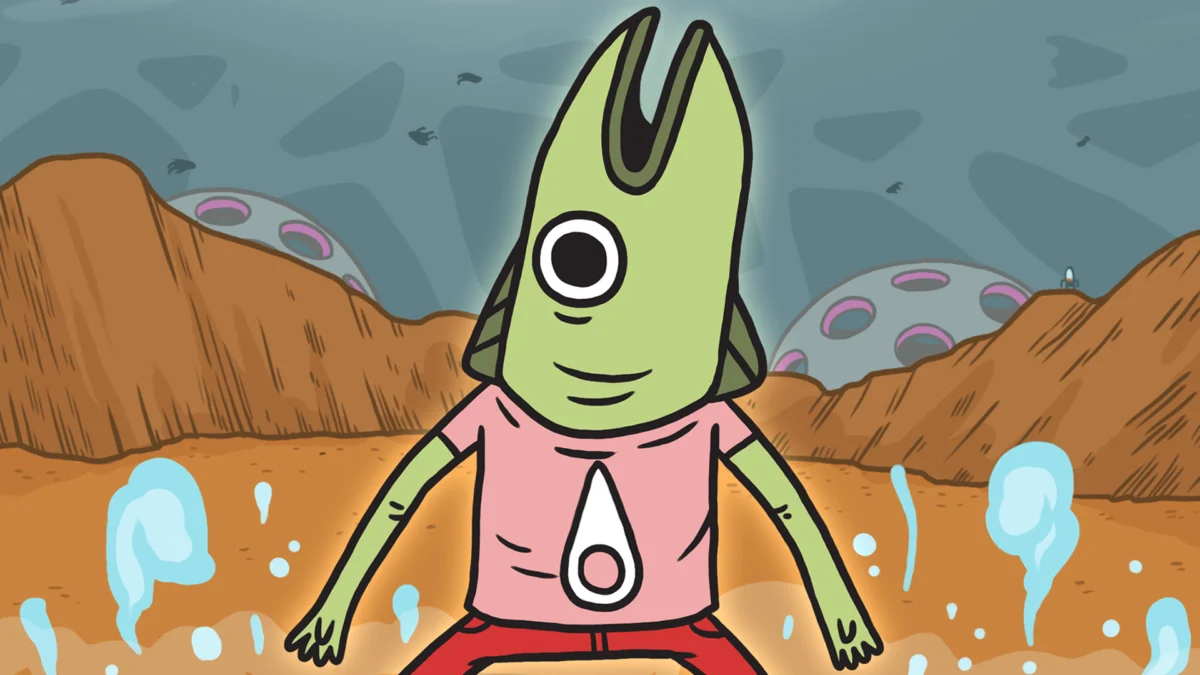
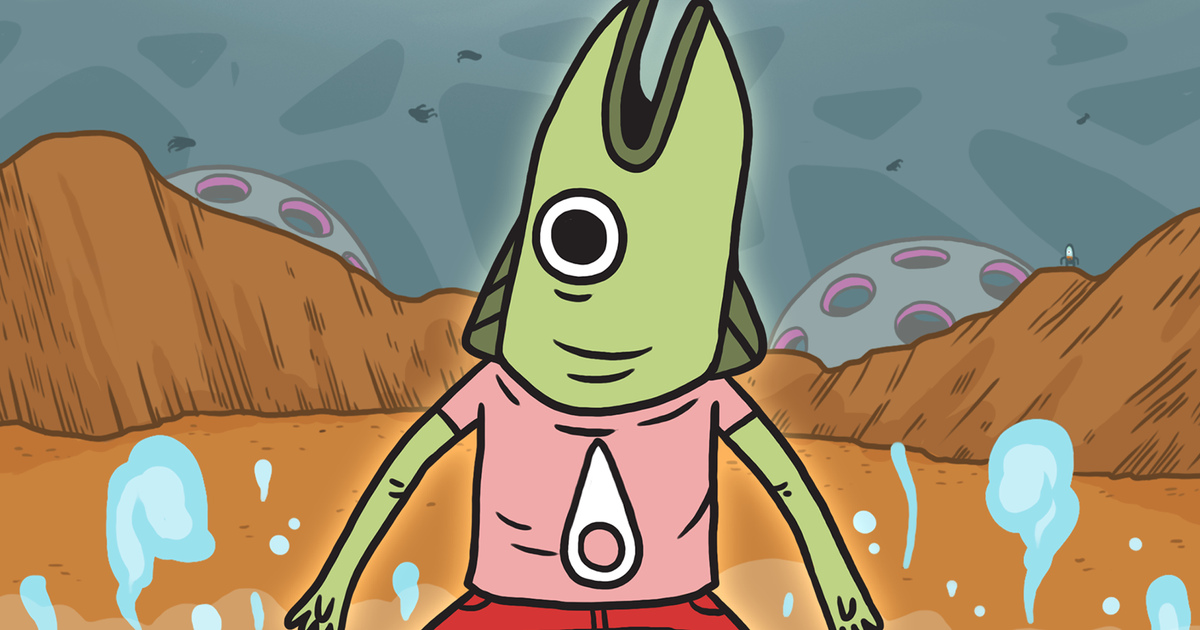
The lore underpinning these fantastical beings is as whimsical as their appearance. The game posits the emergence of a "second sun," a celestial event that triggered widespread mutations among Earth’s familiar fauna. This narrative conceit provides a fertile ground for Galbraith’s creativity, transforming mundane animals into extraordinary, often hilarious, combatants. Players will encounter a diverse roster of these mutated creatures, from "muscly fishpeople" that defy aquatic norms to a "time-traveling tiger" that hints at paradoxes, and a "partying platypus" that embodies irreverent fun. Other notable characters include a dog with a goldfish bowl for a head, a melancholic "sad bee," and a "Man Cat" who appears to be an ordinary individual in a feline costume, injecting a meta-humor that is a hallmark of successful party games. These creatures are not just pretty faces; their unique designs often hint at their in-game abilities or personality, deepening player engagement and fostering a sense of connection with the "Freak War" universe.
The modifier cards, too, are infused with this playful spirit. While some offer straightforward power boosts, like the "Super Sword" and its even mightier counterpart, the "Super Duper Sword," others introduce more unconventional effects. Players might use a card to "swap cards with a rival," creating moments of strategic disruption, or "cancel a modifier" to negate an opponent’s advantage. The game even includes elements of chance, with cards that allow players to "flip coins for the chance of a power boost," adding a layer of unpredictable excitement. Crucially, some creature effects embrace a playfully meta quality, a characteristic often found in successful party games. For instance, the "scrap-loving Fly Guy" gains power if there’s uneaten food near the players, a clever nod to the real-world environment of a game night that encourages player interaction and observation beyond the cards themselves. This integration of art, lore, and meta-game humor ensures that "Freak War" is not just a game, but an experience filled with laughter and memorable moments.
Addressing the Market: Accessibility, Innovation, and a Breath of Fresh Air
"Freak War" enters a highly competitive market, particularly within the party game and trading card game sectors. The party game genre, while immensely popular, is often criticized for its saturation with "copy-paste" titles, many of which lean on shock value or potentially "gross" humor, exemplified by the numerous clones of "Cards Against Humanity." In this context, "Freak War" offers a refreshing alternative. Its emphasis on lighthearted fun, goofy creations, and accessible gameplay positions it as a family-friendly option that doesn’t sacrifice engagement for appropriateness. This thoughtful approach to design makes it particularly appealing to players seeking an inclusive experience for friends and family, including younger players, without resorting to divisive content.

The game’s unique value proposition also lies in its ability to bridge the gap between casual card games and more dedicated TCGs. Many casual players are intrigued by the concept of trading card games – the joy of collecting, the thrill of strategic battles, and the excitement of unique card effects – but are often deterred by the steep learning curve, the pressure of competitive deck-building, and the financial commitment associated with popular titles like Magic: The Gathering or Pokémon TCG. "Freak War" provides an elegant solution, offering the core elements of TCG fun – evolving monsters, strategic modifiers, and diverse creature abilities – within a framework that requires minimal setup and no prior experience. The option to simply split a shuffled deck means players can jump straight into the action, while the optional custom deck-building provides a pathway for those who wish to delve deeper.
Furthermore, the game’s price point of $20 per deck represents an attractive entry cost, making it an affordable addition to any game collection. This pricing strategy, coupled with the promise of "a bunch of different packs filled with dozens more creatures from buff penguins to cute-looking snails," suggests a sustainable model for future expansions. These expansions would not only introduce new creatures and abilities, keeping the game fresh and exciting, but also provide additional opportunities for players to customize their decks and explore new strategies. The explicit inspiration drawn from Pokémon card layouts also serves as a familiar anchor for many players, making the transition to "Freak War" feel intuitive, while the game’s distinct personality ensures it stands on its own merits.
Crowdfunding Success and Future Horizons
The journey of "Freak War" from concept to reality has been significantly bolstered by its successful crowdfunding campaign on Kickstarter. Launching with a modest goal of $10,000, the project quickly resonated with the gaming community, surpassing its initial target with considerable momentum. This early success is a clear indicator of the game’s widespread appeal and the enthusiasm it has generated among potential players. The crowdfunding model has proven to be an invaluable platform for independent creators like Nate Galbraith and studios like Sheltonshire Games, allowing them to gauge market interest, secure funding without traditional publishing routes, and build a dedicated community around their projects.
The Kickstarter campaign, which is scheduled to run until June 13th, offers backers various tiers, providing opportunities to secure early copies of the game, exclusive content, or bundles that include multiple decks and expansions. The anticipated delivery date for backers is projected for June of next year, ensuring that "Freak War" will land in players’ hands just in time for summer gatherings and holiday travels, perfectly aligning with its identity as an accessible party game.
The implications of "Freak War’s" success extend beyond its immediate release. It signals a potential shift in the party game market towards more creative, humorous, and genuinely innovative titles that prioritize accessibility and broad appeal over niche humor. For the TCG market, it demonstrates that there is a significant demand for games that offer the essence of the genre without its often-intimidating complexities. Sheltonshire Games, through Nate Galbraith’s vision, has shown that a well-designed game with a strong artistic identity and a clear understanding of its target audience can carve out a meaningful space in a crowded industry. The future of "Freak War" looks bright, with the potential for numerous expansions, a growing community of players, and a lasting legacy as a game that truly brought the fun of evolving monsters to everyone. Its playful approach, combined with robust mechanics, positions it not just as another card game, but as a charming and engaging experience that will undoubtedly bring joy to countless game nights.