From Catastrophe to Comeback: CD Projekt Red’s Rocky Road to Redemption with Cyberpunk 2077 and Beyond
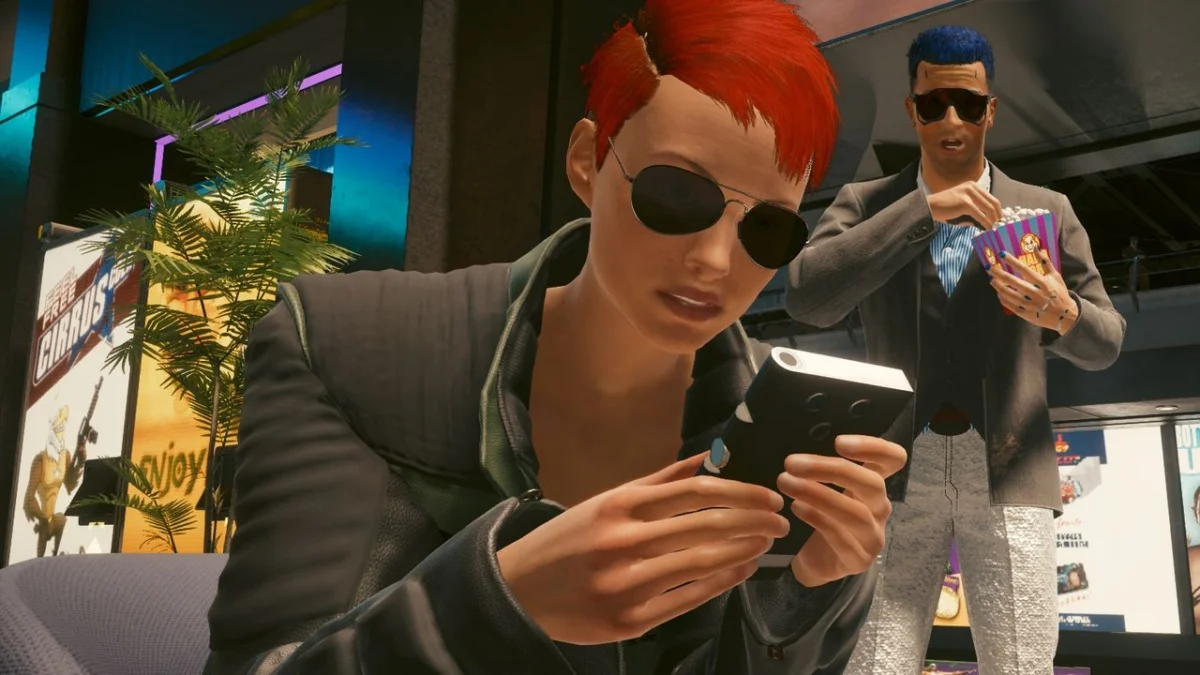
The tumultuous launch of Cyberpunk 2077 remains a stark reminder of the perils of immense hype and unfinished products. Yet, CD Projekt Red has orchestrated a remarkable turnaround, transforming a critical failure into a commercial triumph and a beloved RPG. This article delves into the game’s redemption arc, the company’s strategy for future success, and the lingering questions about trust and player perception.
The gaming world collectively held its breath in December 2020 as Cyberpunk 2077, a title burdened by years of anticipation and a colossal marketing campaign, finally landed. What followed was not the groundbreaking, immersive experience promised, but a buggy, unoptimized, and arguably unfinished product. The fallout was swift and severe. Cyberpunk 2077’s disastrous state led to its removal from the PlayStation Store, a plummeting share price for CD Projekt Red, and a class-action lawsuit from disgruntled investors. The studio’s reputation, once gleaming from the success of The Witcher series, was left in tatters.
However, beneath the surface of this high-profile debacle lay a surprising commercial success. Cyberpunk 2077, despite its flaws, sold in droves, providing CD Projekt Red with the financial runway to embark on an ambitious recovery mission. This wasn’t just about patching bugs; it was a strategic overhaul, culminating in the transformative 2.0 patch and the critically acclaimed Phantom Liberty expansion. These efforts have not only resurrected the game’s reputation but have firmly re-established it as a significant player in the role-playing genre.
The Echoes of Launch: A Chronology of Crisis and Recovery
The journey from disaster to acclaim for Cyberpunk 2077 is a story of perseverance and strategic recalibration.
- December 10, 2020: Cyberpunk 2077 launches across multiple platforms to widespread criticism regarding performance issues, particularly on last-generation consoles.
- December 17, 2020: Sony, citing widespread dissatisfaction, removes Cyberpunk 2077 from the PlayStation Store and offers full refunds. Microsoft follows suit with a more lenient refund policy.
- January 2021: CD Projekt Red issues a public apology and outlines its plan for substantial updates and patches. The company’s stock price experiences a significant decline.
- February 2021: Investors file a class-action lawsuit against CD Projekt Red, alleging misleading statements about the game’s performance.
- Throughout 2021-2022: CD Projekt Red releases numerous patches and hotfixes, gradually addressing many of the technical issues plaguing the game. While improvements are made, the game’s reputation remains tarnished.
- September 26, 2023: CD Projekt Red launches the comprehensive 2.0 update for Cyberpunk 2077, introducing significant overhauls to core mechanics, AI, and progression systems.
- September 26, 2023: The Phantom Liberty expansion is released alongside the 2.0 update, receiving widespread critical acclaim for its compelling narrative, refined gameplay, and engaging new area. This marks a pivotal moment in the game’s redemption.
This timeline illustrates a deliberate and sustained effort by CD Projekt Red to rectify the initial shortcomings. The 2.0 patch, in particular, acted as a de facto relaunch, addressing fundamental gameplay systems that had been criticized since launch. Phantom Liberty, meanwhile, served as a powerful testament to the studio’s storytelling prowess and their ability to craft deeply engaging content within the Cyberpunk universe.
The Data Behind the Turnaround: Sales, Revenue, and Player Sentiment
While qualitative improvements are crucial, the commercial success of Cyberpunk 2077 post-patching is a powerful indicator of its resurgence.
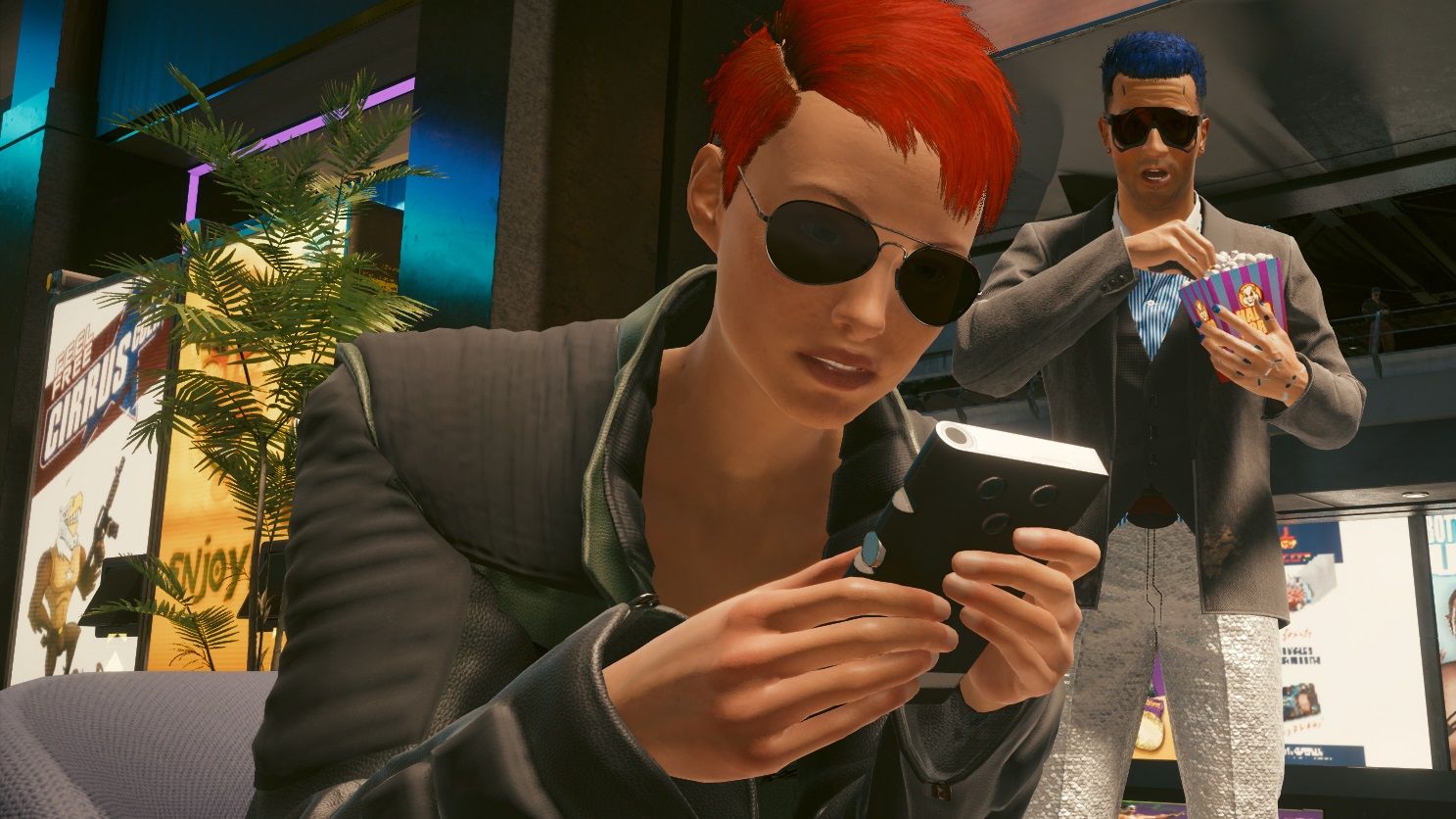
"Cyberpunk 2077 is now CD Projekt’s main source of income, and sales are outpacing The Witcher 3," reported PC Gamer in an earlier analysis. This statement underscores the game’s financial significance for the studio. Despite the initial damage, the game has continued to sell millions of copies, a testament to the enduring appeal of its world and the effectiveness of the post-launch support.
The success of Phantom Liberty further bolsters this narrative. The expansion not only garnered critical praise but also drove significant sales, re-engaging both returning players and attracting new ones. This demonstrates a renewed faith in the studio’s ability to deliver high-quality content.
Player sentiment, as observed through online discussions, reviews, and streaming activity, has shifted dramatically. While the scars of the launch remain for some, a significant portion of the player base now views Cyberpunk 2077 as a flawed but ultimately rewarding experience, with many praising the improvements as transformative.
Voices from the Top: CD Projekt Red’s Perspective on Redemption
CD Projekt Red’s leadership acknowledges the profound impact of Cyberpunk 2077’s launch and the ongoing challenge of rebuilding trust. In a recent interview, CD Projekt Red co-CEO Michał Nowakowski expressed a nuanced view on the studio’s redemption arc.
"I’m not 100 per cent convinced we went through the full redemption arc," Nowakowski stated, as reported by GamesRadar. He candidly admitted, "I’m convinced that we lost the faith of some people indefinitely, and that’s a fair thing. But I do hope we will be able to make it back—if not with The Witcher 4, then with whatever comes next."
This acknowledgment of potential permanent loss of faith is a crucial element of mature corporate communication. It demonstrates an understanding that actions have consequences and that not all bridges can be rebuilt. However, Nowakowski’s hope for future titles to win back disillusioned players signals a commitment to continued effort and a belief in the studio’s capacity for growth.
The Implications for CD Projekt Red’s Future
The Cyberpunk 2077 saga has undoubtedly shaped CD Projekt Red’s strategic trajectory. The experience, though painful, has yielded valuable lessons and forged a more resilient organization.
A More Prolific Development Model:
Nowakowski highlighted the unexpected benefit of the Cyberpunk 2077 crisis: the cultivation of "seasoned, battle-hardened veterans; leaders who were able to carry a different kind of challenge on their shoulders." This internal strength has enabled CD Projekt Red to transition into a multi-project studio. With The Witcher 4 and Cyberpunk 2 in active development, alongside the enigmatic Project Hadar, the company is aiming for a more consistent output.
However, Nowakowski stressed that the goal is not to become a yearly release machine. "Our dream is to be making more games, although we never want to turn into the studio that’s going to be launching a big game every year," he clarified. This measured approach suggests a focus on quality over quantity, a prudent strategy given the studio’s history.
Strategic Timelines and Expansion:
The long development cycles for The Witcher 4 (estimated release around 2027-2028) and Cyberpunk 2 (potentially 2030) indicate a significant investment in each project. To bridge the gap and maintain engagement with their established franchises, CD Projekt Red has greenlit a third expansion for The Witcher 3: Wild Hunt, titled "Songs of the Past." Developed by Fool’s Theory (the studio behind The Thaumaturge), this expansion is anticipated to be substantial, comparable in scope to the acclaimed Blood and Wine. This demonstrates a commitment to nurturing their existing successes while building towards future installments.
The Lingering Shadow of Trust:
While CD Projekt Red has achieved remarkable success in salvaging Cyberpunk 2077, the memory of its launch remains a significant factor in player perception. The company’s future endeavors will be under intense scrutiny. The ability to deliver on promises, maintain transparency, and consistently produce high-quality games will be paramount in fully restoring the trust that was so severely shaken. The redemption of Cyberpunk 2077 is a testament to CD Projekt Red’s resilience and their commitment to their craft. The lessons learned from this turbulent period will undoubtedly continue to shape their path forward as they navigate the complex landscape of game development and strive to solidify their position as a leading force in the industry.