A Digital Alchemist: Giovane Henriques Crafts Worlds Through 3D Artistry
Giovane Henriques, a freelance 3D character artist, is rapidly emerging as a significant voice in the digital art realm, particularly within the gaming and cinematic industries. His approach to 3D modeling transcends rigid technical adherence, instead prioritizing a narrative-driven development process for each concept. Henriques views every project as a unique story waiting to be told, a learning experience that shapes the final outcome. This philosophy allows him to fluidly navigate a diverse toolkit, masterfully employing software such as ZBrush, Maya, Marvelous Designer, Substance Painter, Marmoset, Unreal Engine, and Photoshop. His work exemplifies a deep understanding of form, texture, and lighting, consistently pushing the boundaries of digital character creation.
Henriques’ artistic journey is characterized by a relentless pursuit of exploration and refinement. Rather than relying on a single technique, he immerses himself in the conceptual underpinnings of each character, allowing the story to dictate the most effective methods for bringing it to life. This organic process ensures that each creation is not merely a technical exercise but a rich, evocative piece of art. His dedication to this method has garnered him a growing following and critical acclaim, solidifying his reputation as an artist who can imbue digital creations with a tangible sense of personality and presence.
This article delves into the intricate world of Giovane Henriques, exploring his artistic philosophy, showcasing a selection of his most compelling works, and examining the techniques and inspirations that fuel his remarkable talent. We will also explore the broader implications of his approach within the evolving landscape of digital art and game development.
The Genesis of Digital Worlds: Henriques’ Artistic Philosophy
At the core of Giovane Henriques’ artistic practice lies a profound belief in the power of narrative. He doesn’t just model characters; he breathes life into them by understanding their origins, their motivations, and their place within a larger fictional universe. This narrative-centric approach is what differentiates his work from purely technical endeavors. Each project begins not with a blank canvas, but with a story, a spark of an idea that he meticulously nurtures and develops.
"Each concept has a story, a learning experience, and this is developed throughout the process," Henriques explains, underscoring his commitment to a journey of discovery with every piece. This means that whether he’s sculpting a monstrous Orc, a graceful Guisha, a powerful Rhinoceros, or a fearsome Demon, the underlying narrative informs every polygon, every texture, and every lighting decision. This holistic approach ensures that his characters possess a depth and authenticity that resonates with viewers.
His mastery of a wide array of industry-standard software further amplifies his creative potential. ZBrush, renowned for its organic sculpting capabilities, allows him to achieve intricate details and lifelike forms. Maya serves as a robust foundation for modeling, rigging, and animation. Marvelous Designer is indispensable for creating hyper-realistic clothing and fabric simulations, adding a crucial layer of verisimilitude to his characters. Substance Painter is his go-to for texturing, enabling him to craft surfaces with unparalleled detail and material accuracy. Marmoset Toolbag provides an exceptional platform for real-time rendering and presentation, allowing him to showcase his creations in their full glory. And finally, Unreal Engine opens doors to real-time rendering and interactive experiences, bringing his characters into dynamic virtual environments. Photoshop, of course, remains a vital tool for concept art refinement, post-processing, and the overall enhancement of his visual output.
This diverse technical repertoire is not employed for its own sake. Instead, Henriques strategically selects the tools best suited to serve the narrative and aesthetic goals of each project. This adaptability and willingness to experiment with different workflows are hallmarks of his progressive artistic mindset. He is not afraid to push the boundaries of what’s possible with current technology, constantly seeking new ways to elevate his craft.
A Gallery of Digital Life: Showcasing Henriques’ Masterpieces
Giovane Henriques’ portfolio is a testament to his versatility and artistic vision. Each piece presented offers a glimpse into his meticulous craftsmanship and his ability to translate diverse concepts into stunning 3D renditions.
The Orc: A Symphony of Light and Color
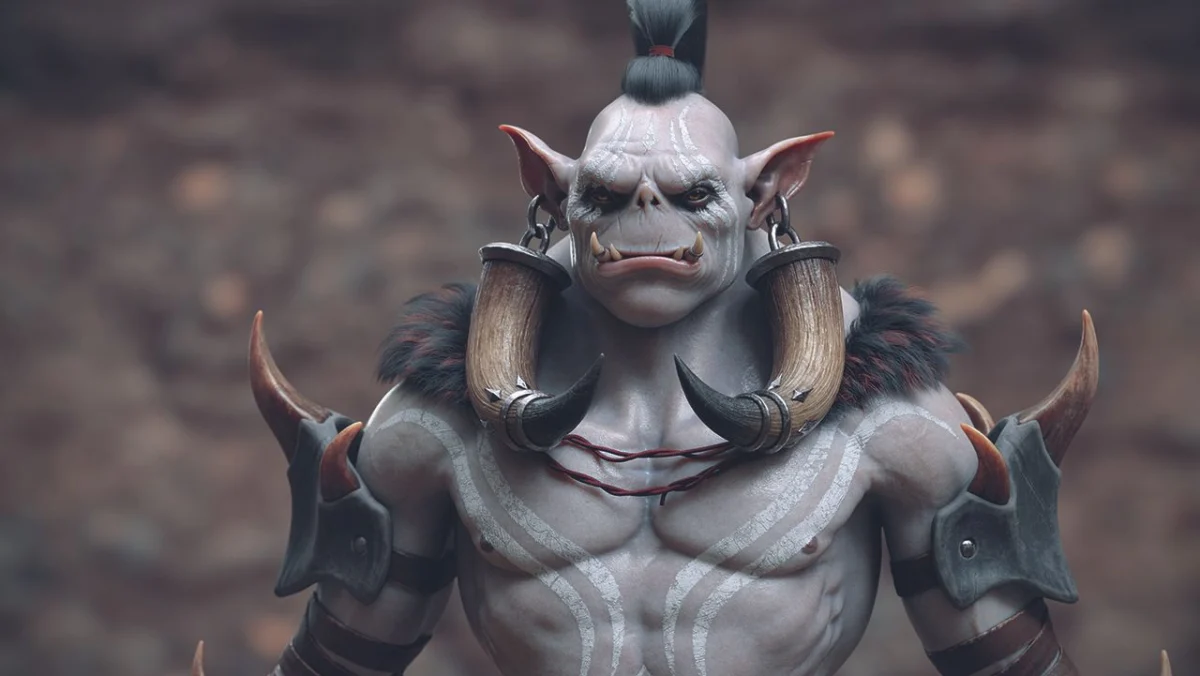
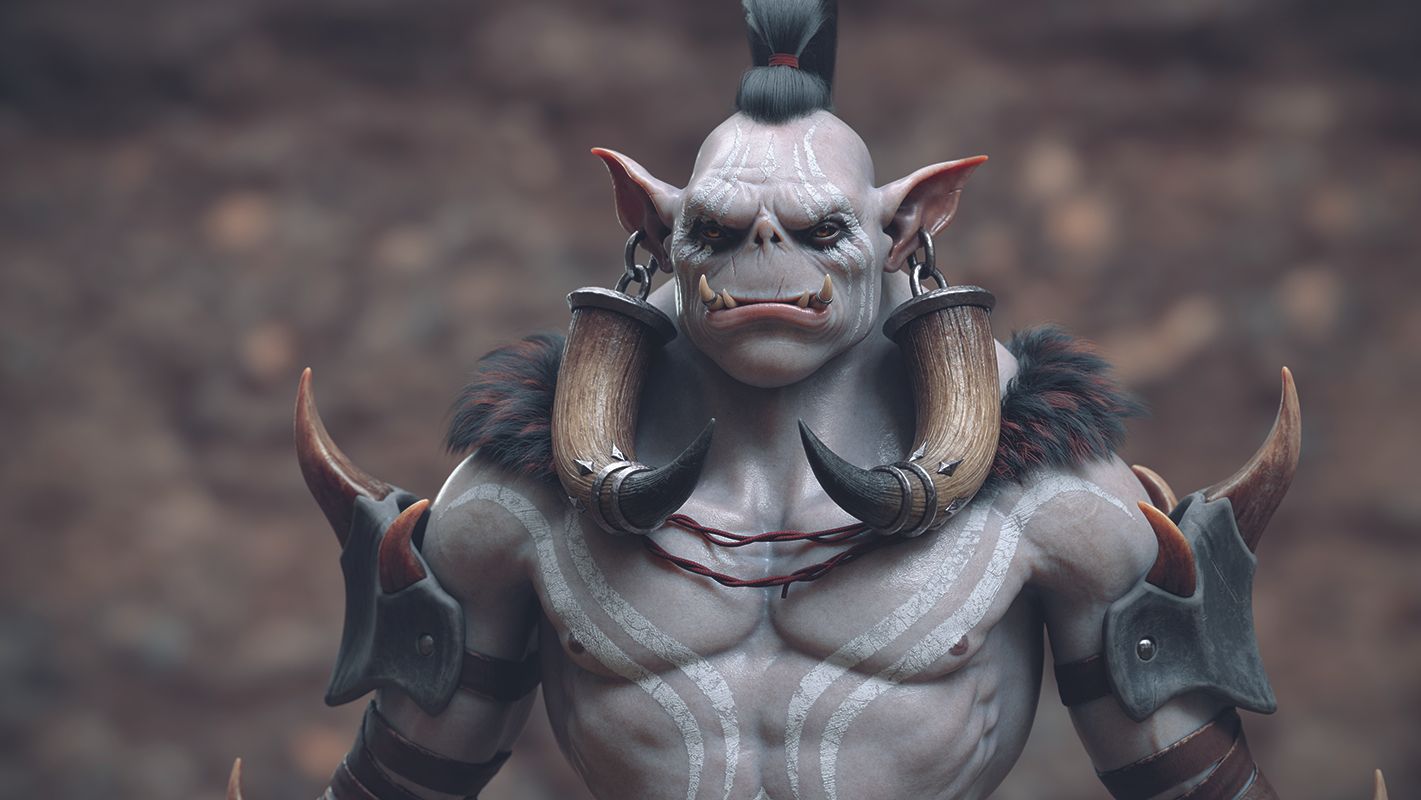
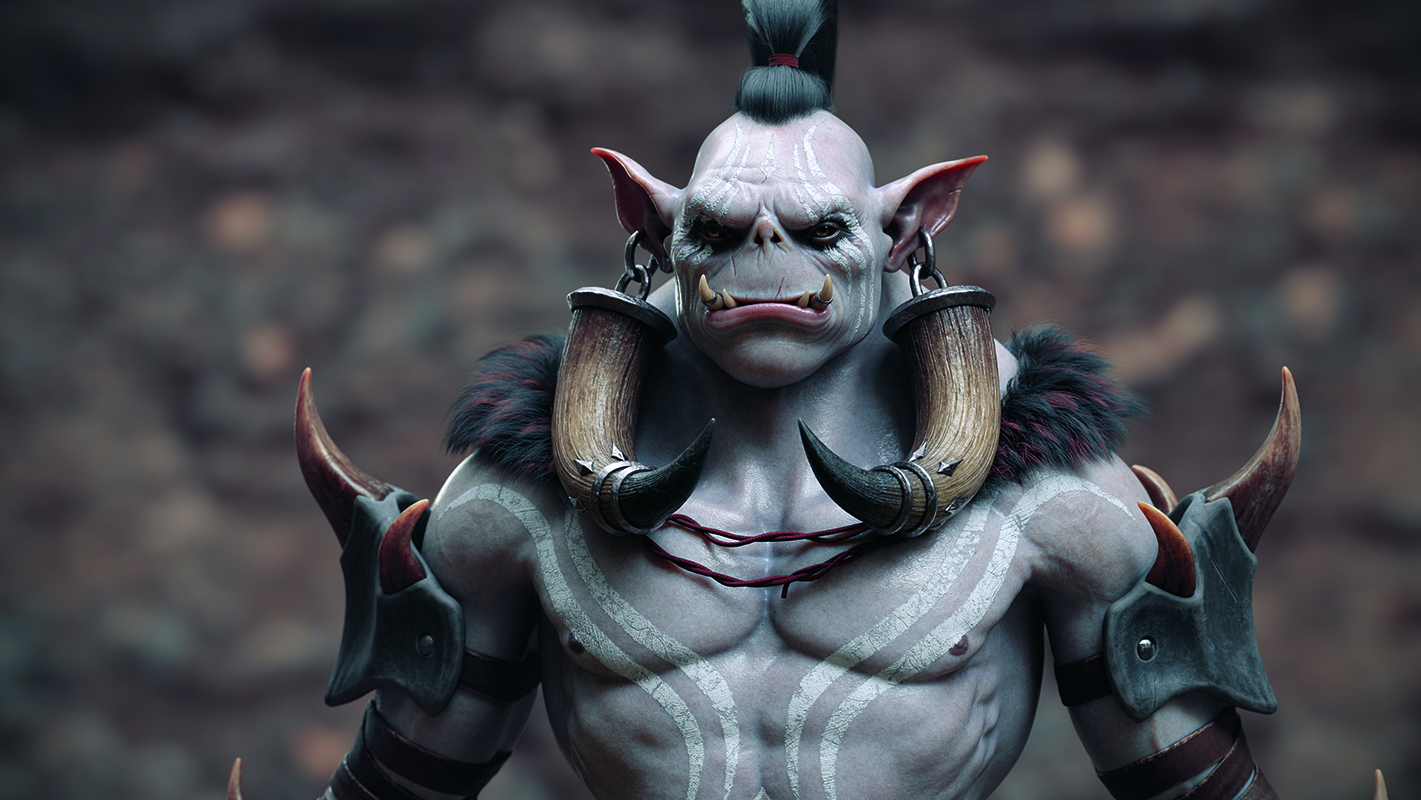
The Orc character exemplifies Henriques’ fascination with exploring lighting and color grading. What began as a friendly challenge among peers evolved into a more profound exploration of rendering techniques using Arnold. "I love to experiment with colour in renders," Henriques states, and this Orc is a prime example of that passion. The piece is inspired by the evocative concept art of Minjun Kim, and Henriques has masterfully translated Kim’s vision into a three-dimensional form. The Orc is rendered with a striking palette, where the interplay of light and shadow sculpts its rugged features, emphasizing its raw power and untamed nature. The textures are rich and detailed, from the coarse hide to the worn leather of its armor, all brought to life by Henriques’ adept use of color grading, which imbues the scene with a dramatic and immersive atmosphere. This piece demonstrates his ability to not only model complex forms but also to imbue them with a palpable mood and emotional resonance.
The Guisha: Echoes of Myth and the Power of Unreal Engine
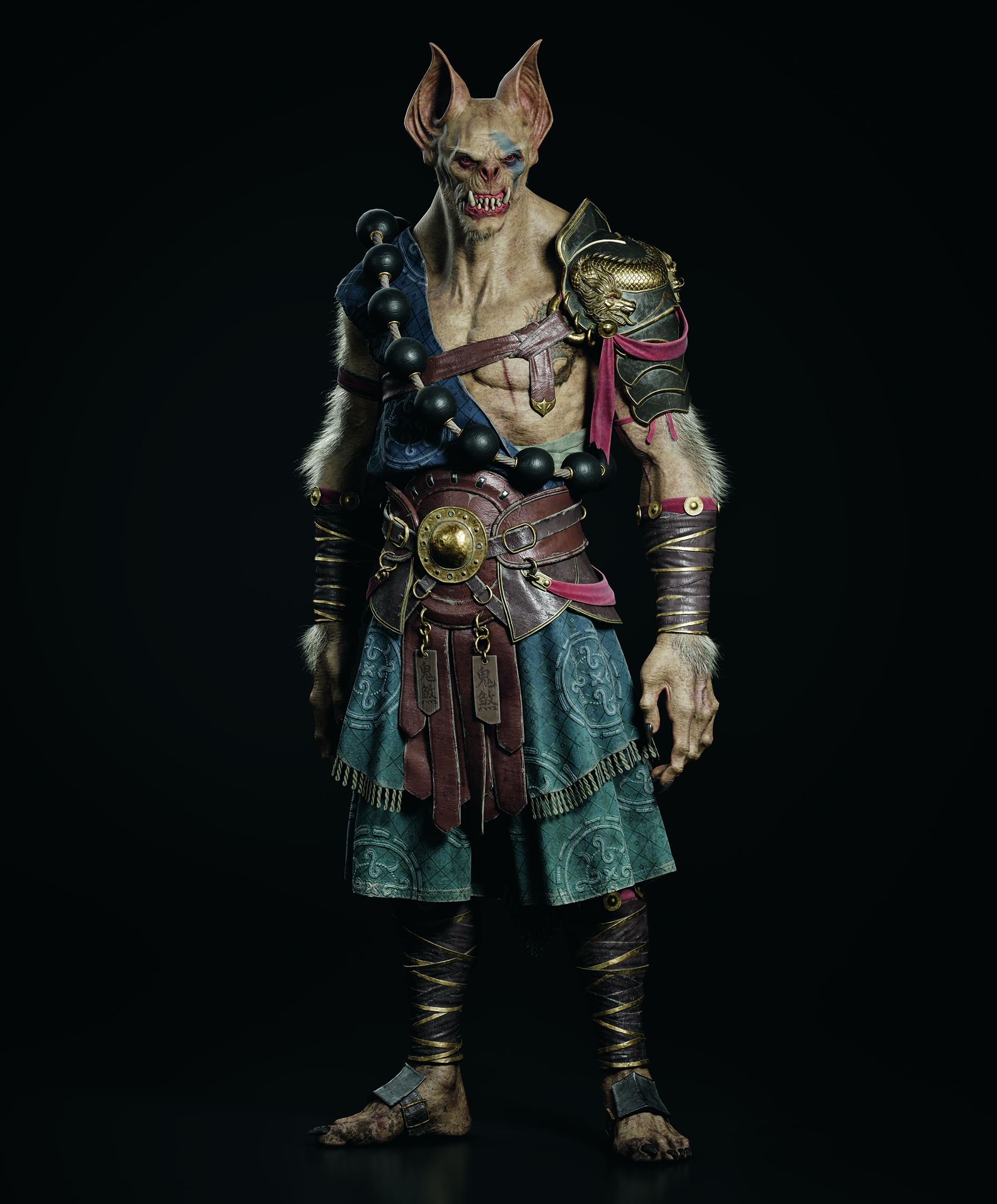
Henriques’ interest in the rich lore of games like Black Myth: Wukong has led to the creation of captivating characters like the Guisha. This project also served as an opportunity for Henriques to deepen his understanding and application of the Unreal Engine. The Guisha character is based on a concept by Bobosagy, and Henriques has rendered it with an exquisite attention to detail that honors its mythological roots. The character’s flowing garments, intricate hairstyle, and serene yet powerful demeanor are all meticulously crafted. The use of Unreal Engine allows for a dynamic presentation, hinting at the potential for this character to inhabit a vibrant and interactive world. The lighting in the render is soft and ethereal, highlighting the delicate features of the Guisha and suggesting a connection to the mystical realms from which it originates. This piece showcases Henriques’ ability to blend traditional fantasy elements with cutting-edge real-time rendering technology.
The Rhinoceros: A Testament to Competitive Spirit and Artistic Vision
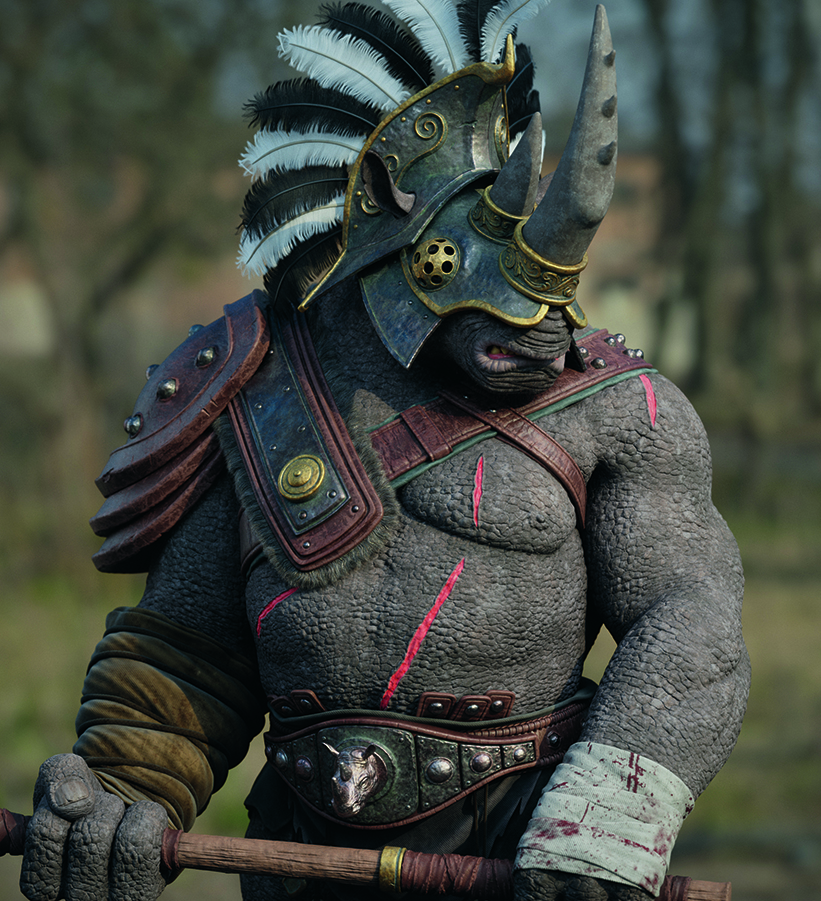
The Rhinoceros character stands as a testament to Henriques’ participation in the Artstation Challenge: "When Animals Ruled the World." This challenge provided a focused brief that allowed Henriques to channel his creative energies into a specific theme. The resulting Rhinoceros is a formidable and awe-inspiring creation. The character design is robust and powerful, with every detail contributing to its imposing presence. The textures are rendered with incredible realism, from the thick, leathery hide to the sharp, formidable horn. The overall presentation suggests a creature that is both ancient and enduring, a true ruler of its domain. This piece highlights Henriques’ skill in interpreting a thematic prompt and translating it into a visually striking and characterful 3D model. It also underscores his commitment to participating in community-driven artistic endeavors, which foster growth and showcase talent.
The Demon: Exploring Advanced Workflows and Dark Aesthetics
In his Demon piece, Henriques delves into a darker aesthetic, employing advanced workflows to achieve a truly menacing and captivating result. "I tried to explore a slightly different workflow using HD geometry with displacement and Arnold," he explains. This approach allows for an extraordinary level of surface detail, making the demon’s skin appear textured, scarred, and palpably real. The inspiration for this demonic entity comes from the powerful concept art of Adrian Smith, a renowned artist known for his dark fantasy creations. Henriques has successfully captured the raw, primal energy that Smith’s work embodies, translating it into a chillingly effective 3D model. The lighting is dramatic and oppressive, casting deep shadows that accentuate the demon’s fearsome features. The material definition is exceptional, with the glint of sharp claws and the subtle sheen of sweat or ichor adding to the creature’s terrifying allure. This project demonstrates Henriques’ willingness to experiment with and master complex technical pipelines, pushing the boundaries of realism and artistic expression.
The Chronology of Creation: Henriques’ Iterative Process
Giovane Henriques’ creative process is not a linear march towards a final product but rather an iterative journey of exploration, refinement, and discovery. Each project begins with a conceptual seed, often inspired by existing artwork, mythological tales, or thematic challenges. This initial spark is then fleshed out through research and conceptualization, where Henriques delves into the character’s backstory, personality, and visual identity.
The early stages of modeling typically involve blocking out the basic forms and silhouette in software like Maya or ZBrush. This phase is crucial for establishing the character’s overall proportions and ensuring a strong foundation. As the sculpt progresses, Henriques begins to add finer details, focusing on anatomical accuracy, facial expressions, and the nuances of the character’s features. This is where ZBrush truly shines, allowing for organic sculpting and the creation of intricate details that bring the character to life.
The creation of clothing and accessories often involves specialized software like Marvelous Designer. Here, Henriques can simulate fabric dynamics, ensuring that garments drape and fold realistically, contributing significantly to the character’s overall believability. This step is vital for conveying the texture and weight of the materials, adding another layer of realism to the digital creation.
Texturing is another pivotal stage, where Henriques utilizes Substance Painter to imbue the character with color, surface imperfections, and material properties. This involves painting diffuse maps, roughness maps, metallic maps, and normal maps, all of which contribute to the final visual fidelity of the model. The meticulous attention to detail in this phase is what allows for the creation of incredibly lifelike surfaces, from weathered leather to gleaming metal.
Rendering and presentation are the final stages of bringing a character to completion. Henriques employs tools like Marmoset Toolbag and Arnold for high-quality rendering, focusing on lighting, camera angles, and post-processing effects to create visually stunning images. Unreal Engine also plays a role, allowing for real-time rendering and the exploration of interactive possibilities. This iterative process, where each stage informs and refines the next, allows Henriques to build complex and nuanced characters that are both technically impressive and artistically compelling.
Supporting Data and Industry Trends
The demand for high-quality 3D character art is experiencing significant growth, driven by several key industry trends. The gaming industry, in particular, continues to invest heavily in visually stunning and immersive experiences, with realistic character models being a cornerstone of this pursuit. The rise of real-time rendering technologies, such as those offered by Unreal Engine and Unity, has further amplified the need for artists who can create assets that are not only visually appealing but also performant in interactive environments.
Furthermore, the increasing prevalence of cinematic trailers and animated shorts produced for games and other media necessitates characters that can hold up under close scrutiny and convey a wide range of emotions. This requires artists like Henriques to possess a deep understanding of anatomy, form, and material properties.
The freelance market for 3D artists is also expanding, offering opportunities for talented individuals to contribute to diverse projects across different studios and industries. Platforms like Artstation have become essential hubs for artists to showcase their portfolios, connect with peers, and find work. Henriques’ active presence on such platforms highlights his engagement with the broader digital art community and his commitment to professional development.
The continuous evolution of 3D software and hardware also provides artists with increasingly powerful tools to realize their creative visions. Advancements in GPU technology, real-time rendering engines, and AI-assisted workflows are constantly pushing the boundaries of what is possible, enabling artists to achieve unprecedented levels of detail and realism. Henriques’ proactive adoption and exploration of these tools demonstrate his forward-thinking approach and his dedication to staying at the forefront of digital artistry.
Official Responses and Industry Recognition
While specific official responses to Giovane Henriques’ work are not detailed in the provided text, his contributions are implicitly recognized through his inclusion in publications like ImagineFX and his presence on platforms like Artstation. These outlets serve as critical channels for industry recognition and provide a platform for artists to gain exposure and accolades from their peers and potential clients.
The fact that his work is being featured and discussed within the context of digital art and game development communities signifies its impact and artistic merit. The references to his pieces being inspired by concept art from established artists and his participation in industry challenges further attest to his standing within the field. The inclusion of links to software guides and articles about other 3D artists within the original text suggests that Creative Bloq aims to highlight significant talents and emerging trends in the digital art space, placing Henriques among them.
Implications for the Future of Digital Artistry
Giovane Henriques’ approach to 3D character creation carries significant implications for the future of digital artistry. His emphasis on narrative integration within the technical process underscores a growing trend towards a more holistic and story-driven approach to digital asset creation. As games and cinematic experiences become more complex and emotionally resonant, the ability of artists to imbue their creations with narrative depth will become increasingly crucial.
His fluid mastery of a diverse software toolkit demonstrates the value of adaptability and continuous learning in the rapidly evolving field of 3D art. The industry is not static; new tools and techniques emerge constantly, and artists who can seamlessly integrate these advancements into their workflows will be best positioned for success. Henriques’ iterative process, where each project is a learning experience, is a model for how artists can remain innovative and relevant.
Furthermore, his success as a freelance artist highlights the growing importance of the independent creator within the digital art ecosystem. The ability to build a strong portfolio, engage with online communities, and leverage platforms like Artstation empowers artists to forge their own paths and contribute to a wide array of projects without being tied to a single studio.
The intricate detail and lifelike quality of his work, particularly in pieces like the Demon and the Rhinoceros, also point towards a future where the line between digital and reality becomes increasingly blurred. As rendering technologies advance, the demand for photorealistic characters that can seamlessly integrate into both virtual and simulated environments will only grow. Giovane Henriques, with his blend of technical prowess, artistic vision, and narrative sensibility, is undoubtedly a key figure shaping this exciting future. His dedication to crafting worlds, one meticulously sculpted character at a time, serves as an inspiration to aspiring artists and a testament to the boundless potential of digital creativity.