From Flop to Future: Suicide Squad Developers Reflect on Devastation and a New Dawn
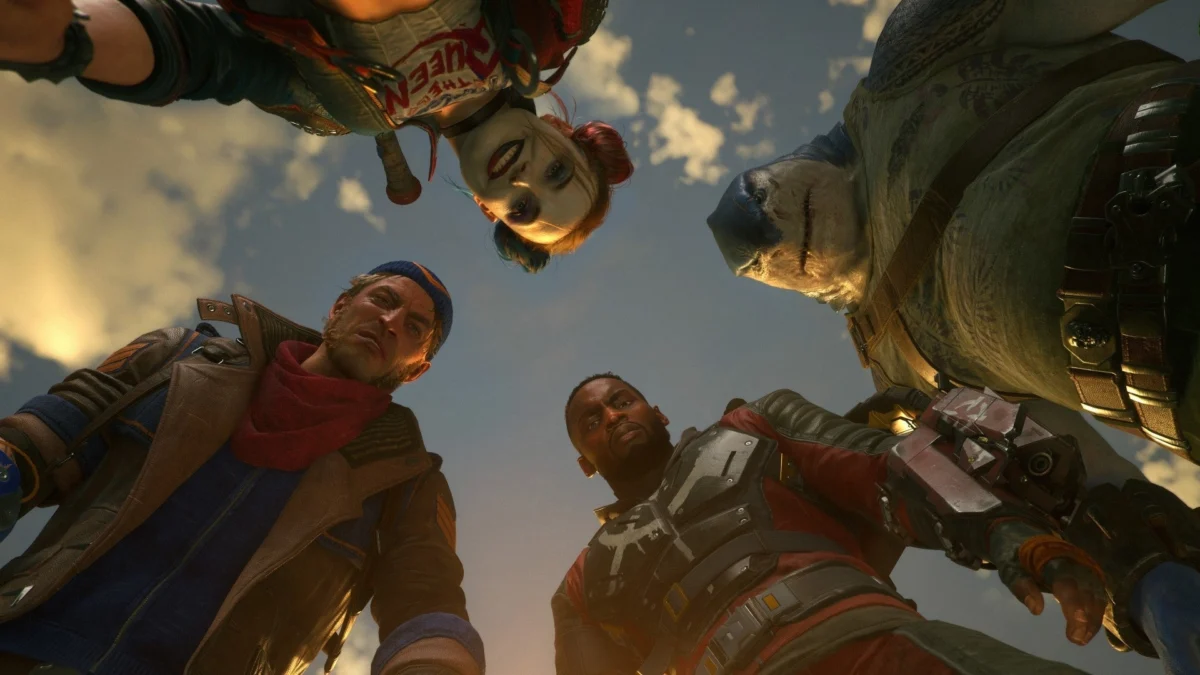
The highly anticipated but ultimately disastrous launch of Suicide Squad: Kill the Justice League left a bitter taste in the mouths of many, including some of its key creators. Two former Rocksteady developers, co-director Axel Rydby and associate design director Johnny Armstrong, have bravely shared their harrowing experiences during the game’s turbulent development, revealing how the project’s struggles nearly drove them away from the games industry entirely. Yet, in a testament to their passion and resilience, they have since embarked on a new venture, seeking to recapture the joy of game creation with their independently funded project, Secret of Circadia.
The Tumultuous Journey of a Live-Service Dream Turned Nightmare
The story of Suicide Squad: Kill the Justice League is a cautionary tale in the modern gaming landscape, a narrative of high expectations meeting a harsh reality. For Rocksteady, a studio renowned for its critically acclaimed Batman: Arkham series, the shift to a live-service model for their next major title was a bold, and ultimately, ill-fated decision. The game, which aimed to let players embody iconic villains like Harley Quinn, Deadshot, Captain Boomerang, and King Shark as they battled a corrupted Justice League, promised a fresh take on the DC universe. However, as development wore on, the vision began to fray, and the pressures of the live-service model, coupled with commercial imperatives, cast a long shadow over the creative process.
H2: A Promising Beginning Marred by Shifting Sands
When Axel Rydby joined Rocksteady in 2018, the initial concept for Suicide Squad: Kill the Justice League held a glimmer of promise. Despite the inherent challenges of a live-service game, there was a shared understanding within the development team and with Warner Bros. that the game should prioritize player enjoyment over aggressive monetization. Rydby recalled a sentiment of creating a "generous game" where players wouldn’t feel compelled to "buy a bunch of crap to enjoy the game." This early alignment, focusing on player experience and ethical design, offered a hopeful outlook for the ambitious project.
However, this initial optimism began to erode as the development cycle stretched on. A series of significant delays plagued the game, each postponement accompanied by an increasing focus on financial recoupment and replayability. Rydby vividly described how meetings shifted from creative discussions to an almost obsessive analysis of spreadsheets and elusive marketing data. "That’s when I started feeling like I wasn’t making games anymore," he shared with Bloomberg. "I was following a spreadsheet, some elusive marketing-analysis spreadsheet that no one could present clearly. I kind of felt like this isn’t the gaming industry I wanted to work in." This stark admission highlights the disconnect that can emerge when commercial pressures overshadow creative vision, transforming passionate developers into mere cogs in a data-driven machine.
The Devastating Aftermath and a Near Exodus from the Industry
The eventual release of Suicide Squad: Kill the Justice League was met with a wave of disappointment. Critical reviews were largely unfavorable, citing issues with repetitive gameplay, a lackluster narrative, and a live-service model that felt tacked on rather than integral. Sales figures further underscored the game’s commercial failure, a stark contrast to the studio’s previous successes.
The fallout from this public and profound disappointment was deeply personal for those involved. Rydby found himself questioning his passion for game development, grappling with a sense of lost joy. "Following the release of Suicide Squad, which was met with poor reviews and worse sales, Rydby was left feeling if he had any joy left to feel in making games."
Johnny Armstrong, associate design director, echoed these sentiments, describing a profound sense of emotional and professional exhaustion. The decision by Warner Bros. to move on from the project, while perhaps commercially pragmatic, felt like a definitive end to a grueling chapter. Armstrong recounted the overwhelming feeling of depletion: "I felt everything drained from me. I said, ‘I can’t do this again. I don’t know if I’m done with the industry, but I’m done.’ I could feel myself coming apart at the seams." This raw and honest reflection underscores the immense personal toll that such a high-stakes, ultimately unsuccessful project can take on its creators, pushing them to the brink of their commitment to the industry.
H2: A Glimmer of Hope: Rebuilding and Reinventing
The depth of their disillusionment was palpable. The experience of working on Suicide Squad: Kill the Justice League had, for a time, extinguished their passion for game development. It seemed that the very industry they had dedicated their careers to had become a source of profound stress and existential doubt. The sheer weight of the game’s failure, coupled with the arduous and often disheartening development process, left them questioning their future in the field.
However, the story does not end in despair. In a testament to the enduring power of creativity and collaboration, Rydby and Armstrong found solace and inspiration in each other. A few months after parting ways with Rocksteady, they reconnected. This reunion proved to be a pivotal moment, sparking a renewed sense of purpose and a shared desire to reclaim the joy of making games.
H3: The Birth of Secret of Circadia
Fueled by this rediscovered camaraderie and a desire to create something truly their own, Rydby and Armstrong embarked on a new endeavor. They pooled their talents and experiences, channeling their passion into a project that would prioritize their creative vision and a more direct connection with their audience. The result is Secret of Circadia, an ambitious independent game that blends elements of city-building, deck-building, and roguelite gameplay.
The game’s thematic focus on the perils of artificial intelligence and the relentless resurgence of nature reflects a contemporary awareness of pressing global issues. It represents a deliberate departure from the AAA live-service model, offering a more intimate and player-centric experience. This new venture allows them to build a game on their own terms, free from the overwhelming commercial pressures that had once threatened to derail their careers.
H2: Crowdfunding a New Beginning: The Kickstarter Campaign
To bring Secret of Circadia to life, Rydby and Armstrong have launched a Kickstarter campaign. This crowdfunding initiative serves not only as a means to secure the necessary funding but also as an opportunity to directly engage with a community of players who are eager to support independent game development. The campaign offers a platform for them to share their vision, their passion, and their newfound optimism with the world.
The appeal of supporting Secret of Circadia extends beyond its innovative gameplay. It represents a chance to invest in the resilience and creativity of developers who have faced significant adversity. For those who witnessed the struggles of Suicide Squad: Kill the Justice League, supporting this new project offers a sense of redemption and a reaffirmation of the human element in game creation. It’s an opportunity to contribute to a project that promises to be a labor of love, born from the ashes of a difficult past.
The duo’s journey from the disappointment of a blockbuster flop to the hopeful ambition of an independent project serves as a powerful reminder of the human spirit within the often-unforgiving world of game development. Their story is one of overcoming adversity, rediscovering passion, and ultimately, forging a new path forward, one where creativity and player enjoyment are once again at the forefront. As they navigate the challenges of their Kickstarter campaign, the gaming community watches with anticipation, hopeful that Secret of Circadia will not only be a successful game but a testament to the enduring power of passion and perseverance in the face of overwhelming odds.