From Pixelated Skeptic to AI Advocate: Indie Dev HaZ Dulull Leverages Generative Tech to Expand IP Beyond Gaming
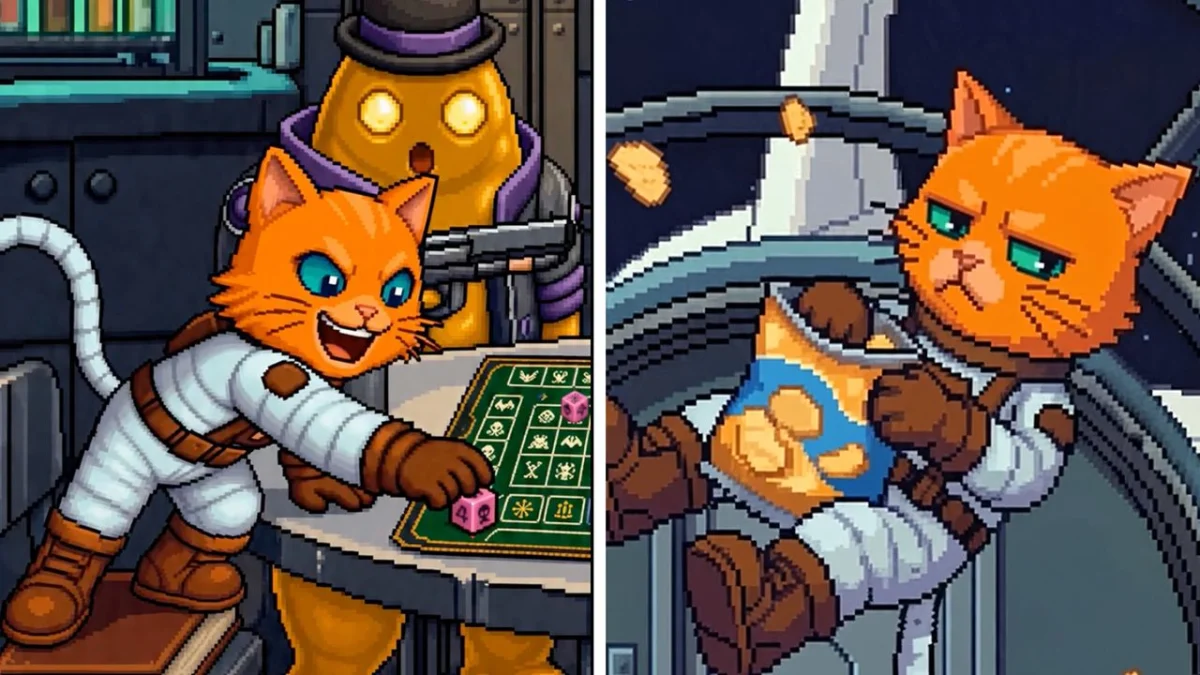
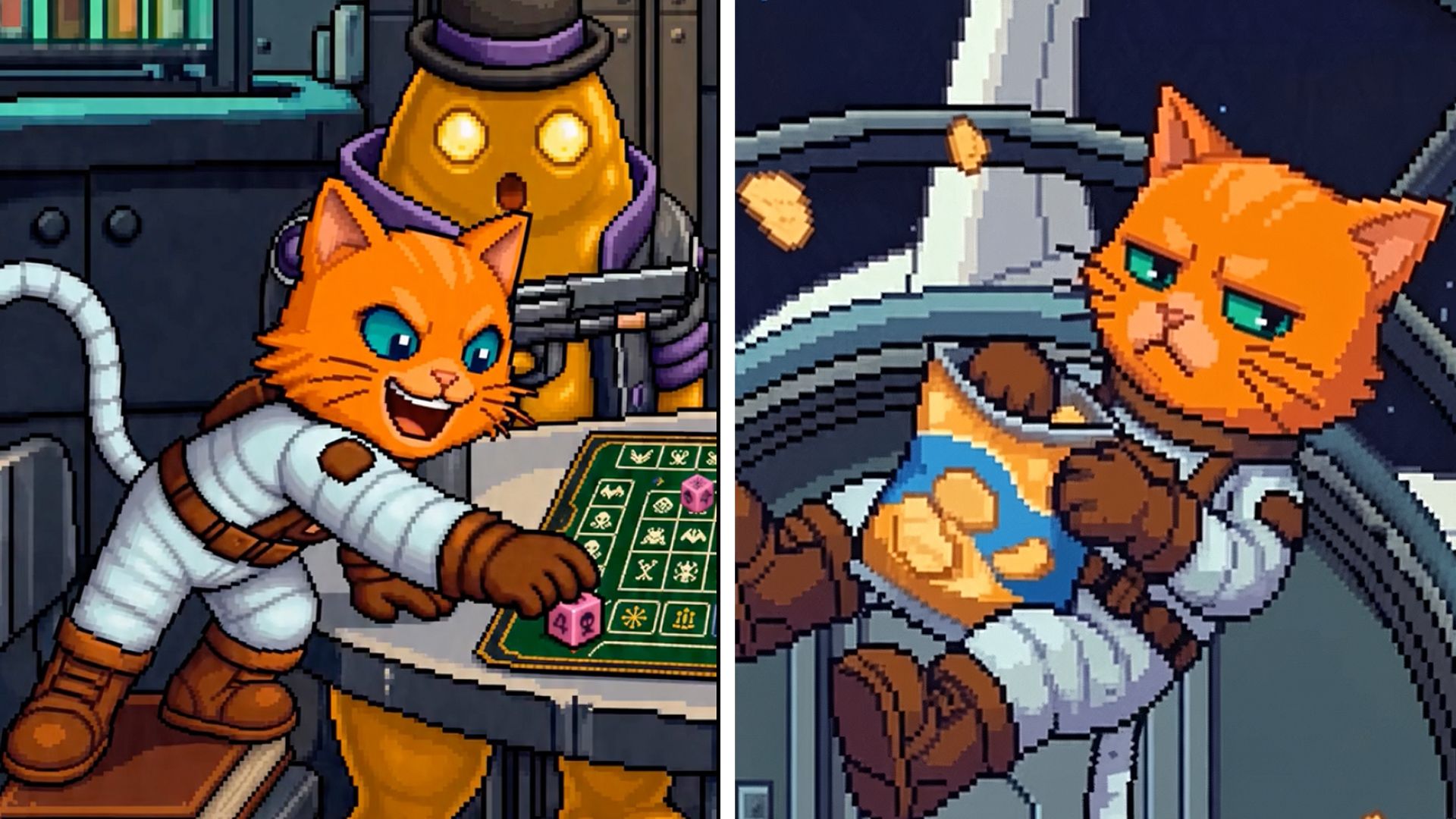
London, UK – [Insert Date] – In a significant shift for an industry often wary of artificial intelligence, independent game developer HaZ Dulull has embraced AI not as a tool for game creation, but as a powerful engine for expanding his intellectual property (IP) into new media. Once a skeptic, Dulull has successfully utilized AI-powered platforms to translate his beloved pixel art game, "Astro Burn," into a captivating animated mini-series, demonstrating a novel approach to cross-media storytelling and brand extension.
Dulull, a London-based creative force known for his previous work with Unreal Engine on the CG animated film "Max Beyond," partnered with Montreal and Los Angeles-based AI company Nura Studios. The collaboration saw Nura’s Showcraft platform transform "Astro Burn’s" distinct characters and universe into ten short, vertical video episodes tailored for popular social media platforms like TikTok, YouTube Shorts, and Instagram. This initiative marks a pivotal moment, showcasing how AI can democratize content creation and empower independent creators to reach wider audiences with their existing IPs.
The Genesis of a New Narrative: From Game Assets to Animated Series
HaZ Dulull’s journey into AI-assisted media production began with a clear objective: to preserve and enhance the visual identity of "Astro Burn." His primary concern was maintaining creative control and ensuring the AI models were trained exclusively on his proprietary assets.
"I wanted complete control over a locked-down model trained exclusively on my assets," Dulull stated, emphasizing his desire for a bespoke approach. This meticulous focus on asset integrity was paramount to his vision of translating the game’s unique aesthetic into a new format.
The collaboration with Nura Studios, spearheaded by writer-director Abe Scheuermann, proved to be a fertile ground for this vision. Scheuermann developed and produced each of the ten episodes within an impressive timeframe of approximately one working week per episode. This agile production cycle encompassed all facets of animation, from initial scripting and character animation to sound design, voice recording, music integration, post-production cleanup, and final delivery.
"The first test frames were trained exclusively on the original character sprites, animation, and artwork I provided," Dulull explained, highlighting the deep integration of his original game assets into the AI training process. "I could send annotated notes and receive updates within hours, sometimes less, with the feedback addressed exactly. That level of responsiveness is rare for a director." This rapid iteration cycle, facilitated by AI, allowed for a highly collaborative and efficient workflow, a stark contrast to the often protracted timelines of traditional animation production.
The "Astro Burn" mini-series is designed to resonate with the short-form video consumption habits of today’s digital audiences. The vertical format is optimized for mobile viewing, ensuring accessibility and engagement across platforms like TikTok, where quick, visually striking content thrives. This strategic choice in format underscores Dulull’s understanding of contemporary media consumption and his commitment to meeting his audience where they are.
A Chronology of Collaboration: From Skepticism to Seamless Integration
Dulull’s initial apprehension towards AI in creative fields is a sentiment shared by many in the industry. However, his experience with Nura Studios has demonstrably shifted his perspective. The process began with a period of careful evaluation and experimentation, where Dulull ensured his core artistic principles would be upheld.
Phase 1: Foundation and Asset Integration
The initial stage involved Nura Studios meticulously analyzing and ingesting Dulull’s "Astro Burn" game assets. This included character sprites, animation cycles, and environmental art. The goal was to create a foundational AI model that accurately understood and could replicate the game’s distinct visual language. Dulull’s direct involvement in providing annotated notes and feedback during this phase was crucial for fine-tuning the AI’s output.
Phase 2: Iterative Development and Production
Once the AI model was sufficiently trained, the production of the mini-series commenced. Under Scheuermann’s direction, the AI, powered by the Showcraft platform, began generating animation sequences. Dulull’s feedback loop remained active, allowing for rapid adjustments and refinements. This iterative process, characterized by quick turnaround times, enabled the team to move swiftly through scripting, animation, and post-production.
Phase 3: Human-Centric Post-Production
Crucially, the AI’s role was defined as a tool to augment, not replace, human creativity. Post-AI generation, the content underwent significant human-led refinement. This included:
- Voice Acting: Dulull and Scheuermann insisted on human voice actors to inject emotion and nuance into the characters. Graziela Larroca voiced Astro, Elvis Deane lent his voice to AL, and Brian Ulrich took on a variety of supporting roles. This decision reflects a strong belief in the irreplaceable quality of human performance.
- Sound Design and Music: While AI could potentially generate sound effects and music, the "Astro Burn" series utilized licensed music from Epidemic Sound, carefully edited to fit the visual narrative. This ensured a professional and emotionally resonant audio experience.
- Cleanup and Final Delivery: The final stages involved meticulous cleanup and quality control by human editors, ensuring a polished and professional final product ready for distribution.
This phased approach, from AI-driven asset generation to human-centric refinement, demonstrates a balanced and strategic use of technology, where AI serves as a powerful accelerator within a human-directed creative framework.
Supporting Data: The Efficiency and Reach of AI-Augmented Production
The efficiency gains and expanded reach facilitated by Nura Studios’ Showcraft platform are significant. According to Nura, the production of each episode, from script to final delivery, took approximately one working week. This accelerated timeline is a testament to the AI’s ability to handle repetitive and time-consuming tasks, freeing up human creators to focus on higher-level creative decisions and quality assurance.
Key metrics of success include:
- Production Speed: The ability to produce ten short episodes in a matter of weeks, rather than months, represents a dramatic reduction in production time. This efficiency allows for a more agile and responsive content strategy.
- Resource Optimization: By leveraging AI, a project that might typically require a larger animation studio and a substantial budget was executed with a smaller, more focused team. This makes ambitious cross-media expansion accessible to independent creators with limited resources.
- Audience Reach: The strategic deployment of the series on platforms like TikTok and YouTube Shorts is designed to tap into massive, engaged audiences. Vertical video content is currently dominating social media, offering unparalleled organic reach potential.
- IP Longevity and Diversification: The successful translation of "Astro Burn" into animation not only diversifies the IP but also creates new avenues for engagement and potential future revenue streams, such as merchandise or further animated content.
The "Astro Burn" mini-series, available on platforms like YouTube (with the first episode embedded within the original article), serves as a compelling case study for the power of AI as an enabler of independent creative endeavors.
Official Responses and Endorsements
While the original article doesn’t feature direct quotes from Nura Studios executives, their partnership with HaZ Dulull speaks volumes. Nura Studios, as an AI company specializing in content creation platforms like Showcraft, is clearly positioned as a facilitator of this new wave of AI-assisted media production. Their ability to deliver a polished, branded animation series on a tight schedule underscores their technological capabilities and their commitment to supporting creators.
Abe Scheuermann, writer-director at Nura Studios, provided crucial insights into the human-centric approach: "I strongly prefer human voice artists because they bring nuances to a performance that are almost entirely absent from AI-generated voices. The same philosophy applies to music." This statement highlights a key distinction: AI as a powerful tool for animation generation, but not for the nuanced emotional and artistic contributions that define compelling storytelling.
HaZ Dulull’s own endorsement is equally powerful. His initial skepticism has transformed into advocacy, as he asserts: "AI can’t and won’t tell your story. That’s your job. This works because the technology supports a clear creative vision, it isn’t about prompting random ideas to generate random shots." This perspective frames AI not as a replacement for human creativity, but as a sophisticated assistant that amplifies an artist’s vision.
Implications for the Creative Landscape: A New Era of IP Expansion
The implications of HaZ Dulull’s successful AI-augmented IP expansion are far-reaching and signal a potential paradigm shift in the creative industries.
- Democratization of Content Creation: Independent creators, who often face significant resource constraints, can now envision and execute ambitious projects that were previously out of reach. AI tools like Showcraft can level the playing field, allowing a solo developer or a small team to compete with larger studios.
- Accelerated IP Monetization and Diversification: The ability to rapidly translate existing IPs into new media formats opens up significant opportunities for monetization and brand building. This could lead to a surge in animated shorts, web series, and other transmedia projects based on established games, books, and other intellectual properties.
- Redefining the Creative Workflow: The hybrid model, where AI handles labor-intensive tasks and humans focus on creative direction and refinement, is likely to become more prevalent. This necessitates a reevaluation of traditional production pipelines and skill sets.
- Ethical Considerations and the Role of the Artist: Dulull’s emphasis on maintaining control over his assets and prioritizing human performances in voice acting and music highlights ongoing ethical discussions surrounding AI in creative fields. The "Astro Burn" example suggests a future where AI is a powerful collaborator, but the human artist remains firmly in the director’s chair, shaping the narrative and ensuring artistic integrity.
- The Future of Storytelling: As AI technology continues to evolve, we can expect even more sophisticated applications in storytelling. The "Astro Burn" project is a promising glimpse into a future where the lines between game development, animation, and other media become increasingly blurred, offering audiences richer and more diverse narrative experiences.
HaZ Dulull’s transition from AI skeptic to proponent serves as a powerful case study. His innovative use of AI for "Astro Burn" not only revitalizes his existing IP but also offers a compelling blueprint for independent creators navigating the evolving landscape of digital media. The future of creative expansion appears to be a collaborative dance between human ingenuity and artificial intelligence, with the ultimate goal of telling compelling stories across every conceivable platform.
The game "Astro Burn" is currently available on Steam.