The Architecture of the Impossible: How SoHo’s Furry Puppet Studio and the Henson Lineage Redefine Modern Surrealism
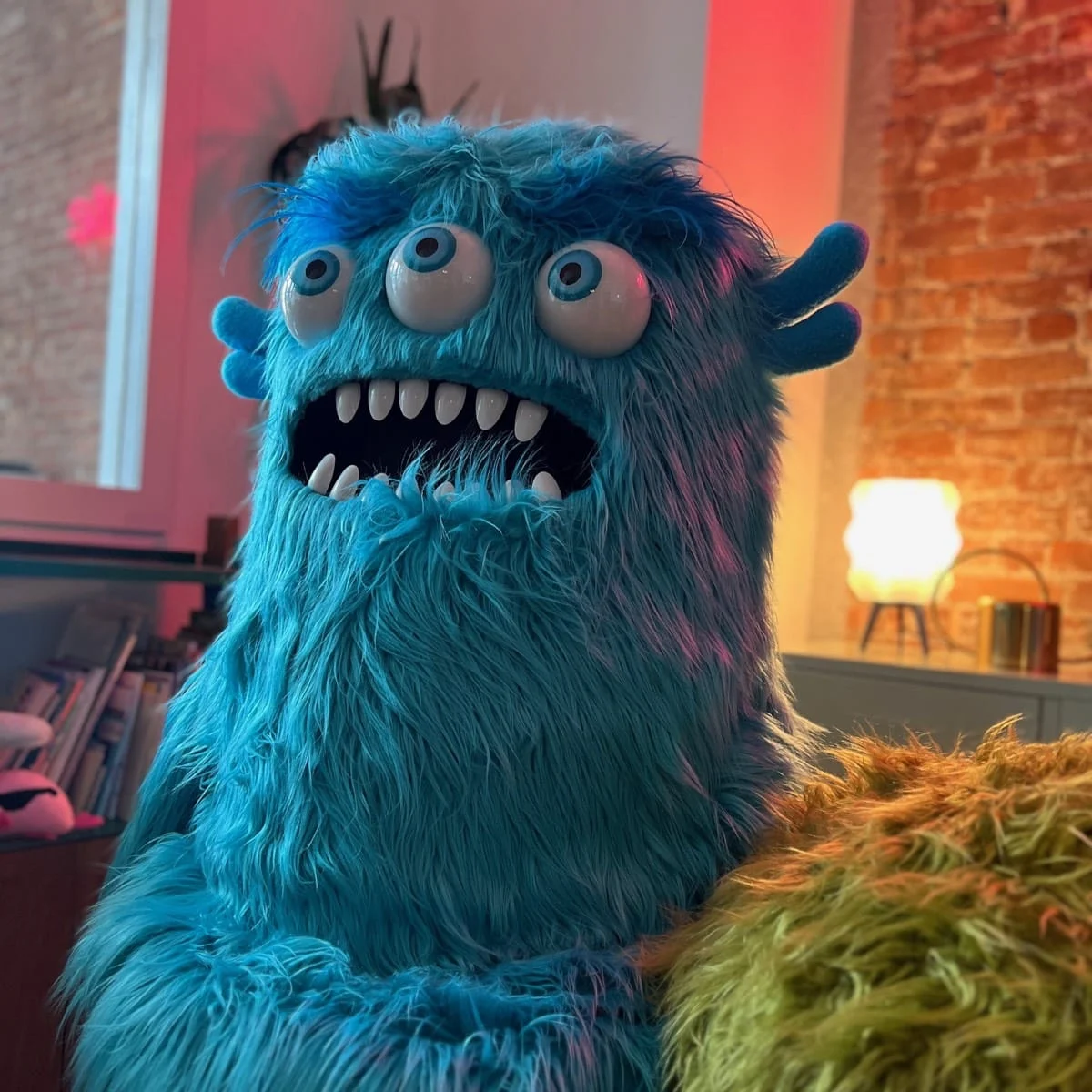
In an era dominated by digital artifice and generative algorithms, the most profound examples of surrealism are often not found on a screen, but rather carved out of physical foam in a sunlit studio in SoHo. Furry Puppet Studio, a design house specializing in custom-built creatures, has emerged as a primary torchbearer for a specific, tactile form of the "marvelous"—a concept central to the surrealist movement. By merging high-level mechanical engineering with the ancient craft of puppetry, the studio bridges the gap between the avant-garde experiments of the early 20th century and the commercial spectacles of the 21st.
Main Facts: The Intersection of Foam and the Fantastic
Furry Puppet Studio describes its output with a characteristic understatement: "We do pretty unusual work." However, for art historians and critics of the surreal, the work is more than unusual; it is a manifestation of the "uncanny," a psychological concept famously explored by Sigmund Freud and later applied to robotics via the "uncanny valley."
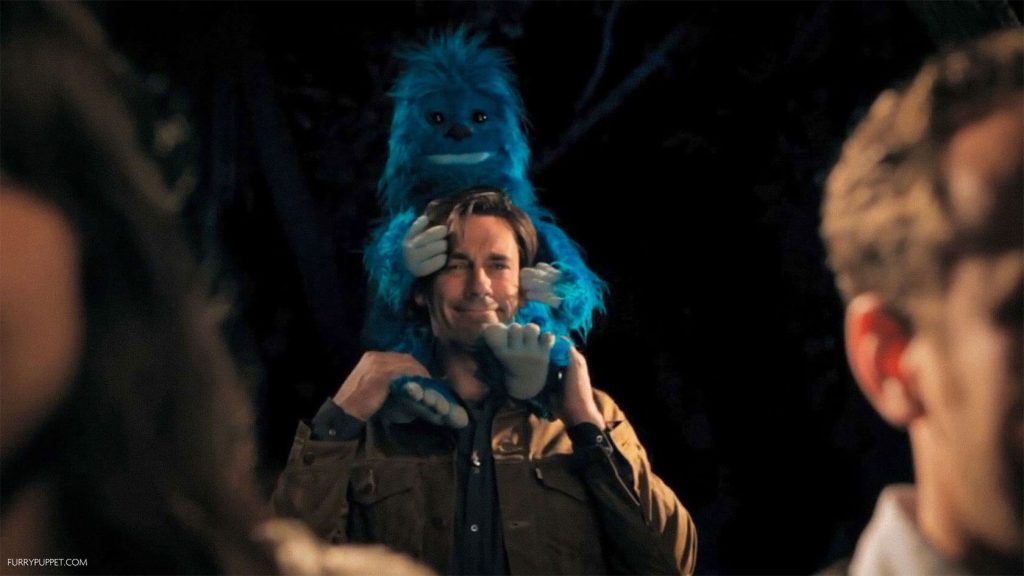
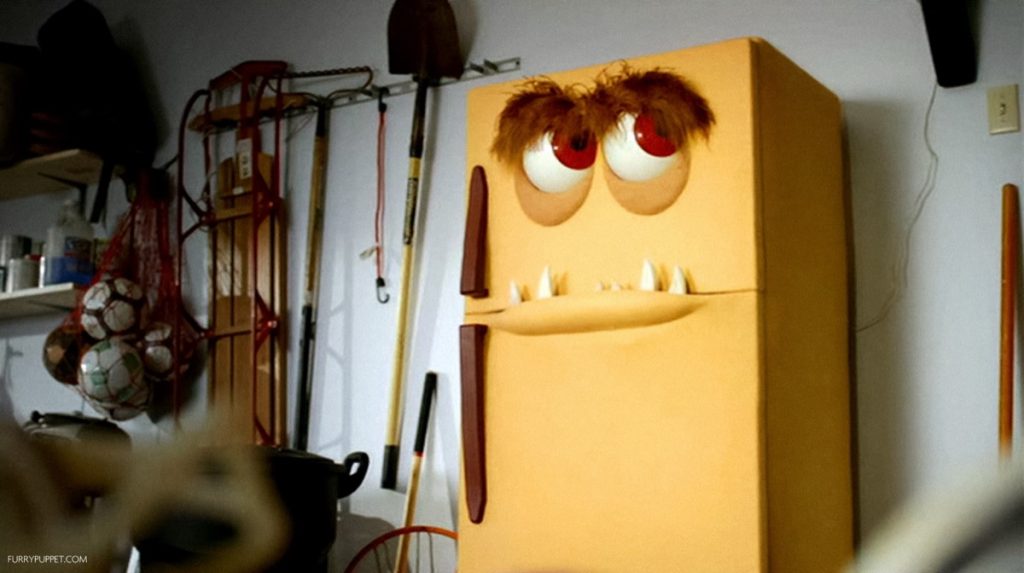
The studio’s catalog serves as a modern surrealist manifesto. Their creations are not merely "cute" mascots; they are impossible beings designed to exist in the physical world. From a lovelorn blue yeti hitchhiking with actor Jon Hamm to a refrigerator with heavy, blinking eyelids and a full set of human-like teeth, the studio specializes in the "animated everyday object." This technique—taking the mundane and imbuing it with life—is the same strategy used by legends like René Magritte and Meret Oppenheim.

The core of their practice lies in the transition from fabrication to animation. According to the studio’s founder, Zack Buchman, the "hinge" of every creation is the eyes. A fractional shift in the placement of a pupil can transform a creature from a benign foam block into a sentient entity that appears to "look back" at the viewer. This moment, where disbelief is suspended and the viewer accepts the object as alive, is the ultimate goal of the surrealist project.
Chronology: From the Avant-Garde to the Streets of SoHo
The lineage of this tactile surrealism can be traced through three distinct phases of 20th and 21st-century art:
1. The Henson Experimentalism (1960s–1980s)
While the public remembers Jim Henson primarily for Sesame Street, his roots were deeply embedded in the experimental avant-garde. In 1965, Henson released Time Piece, a dialogue-free short film that utilized associative logic, percussive editing, and surrealist imagery—such as a cowboy shooting the Mona Lisa. This film, nominated for an Academy Award and screened at the Museum of Modern Art, established the puppet not as a toy, but as a tool for high-concept art. Henson’s later work, specifically the 1982 film The Dark Crystal, pushed the boundaries of "dark surrealism," utilizing complex animatronics to create a world that felt visceral and alien.
2. The Big Nazo "Public Ambush" (1986–Present)
In the mid-1980s, the movement moved from the screen to the streets. Erminio Pinque, a RISD-trained illustrator, founded Big Nazo in Providence, Rhode Island. Pinque’s philosophy was to create a "puppet show without a stage." By deploying nine-foot-tall foam aliens and grotesque creatures into public parades and "creature dance parties," Big Nazo practiced a form of "public ambush" surrealism. This echoed André Breton’s desire for the marvelous to erupt into ordinary life without warning, using "automatism"—the embrace of accidents—to guide the creative process.
3. The Furry Puppet Era (Early 2000s–Present)
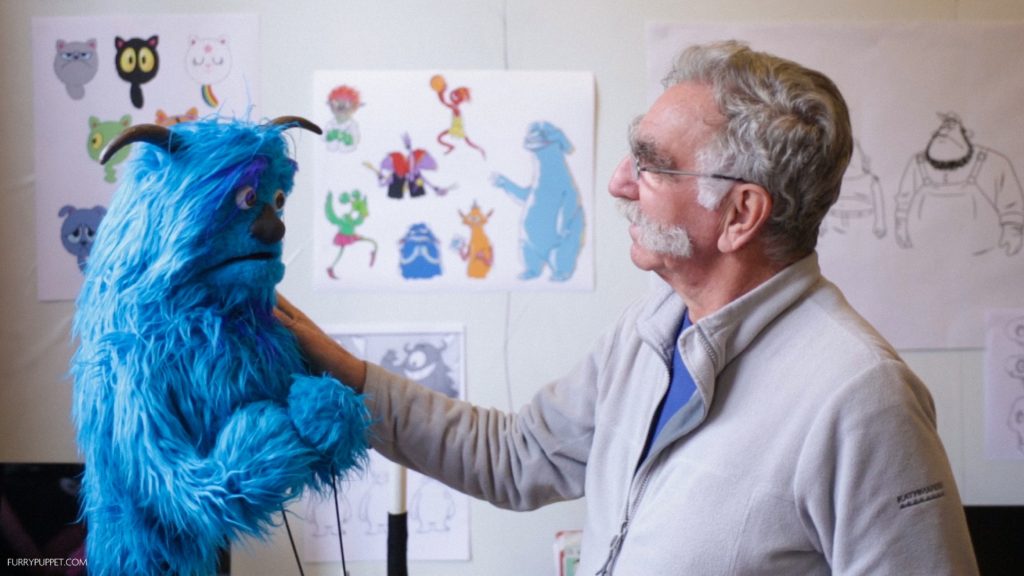
Zack Buchman founded Furry Puppet Studio with an "outsider’s perspective," having bypassed traditional collegiate paths. Setting up shop in SoHo, Buchman refined the grit of Big Nazo and the experimentalism of Henson into a high-precision fabrication house. The studio began attracting top-tier collaborators, including legendary costume designer Polly Smith (co-inventor of the sports bra) and specialized mechanical engineers. Their work moved into the mainstream through high-profile campaigns for Apple, CNN, and music videos for artists like Missy Elliott and Pharrell Williams.
Supporting Data: The Technical Anatomy of a Dream
The "surrealism you can hold" produced at Furry Puppet Studio is the result of rigorous technical standards and proprietary materials.
- The Material: The studio utilizes a custom-manufactured fabric known as "dream fleece." Unlike standard retail fabrics, this material is engineered to hide seams and interact with light in a way that mimics skin or organic fur, reducing the visual "noise" that often breaks the illusion of life.
- The "No Undo" Method: Every creature begins as a solid block of industrial foam. Master carvers—whom Buchman likens to "real-life Edward Scissorhands"—sculpt the forms by hand. Because foam cannot be "un-cut," the process requires a level of confidence and permanence rarely found in digital modeling.
- Engineering the Uncanny: For the Missy Elliott and Pharrell Williams video "WTF (Where They From)," the studio re-engineered the internal skeleton of their marionettes. This allowed professional street dancers to "drive" the puppets, translating complex, high-velocity human movements into the foam bodies, thereby bridging the gap between human choreography and puppet art.
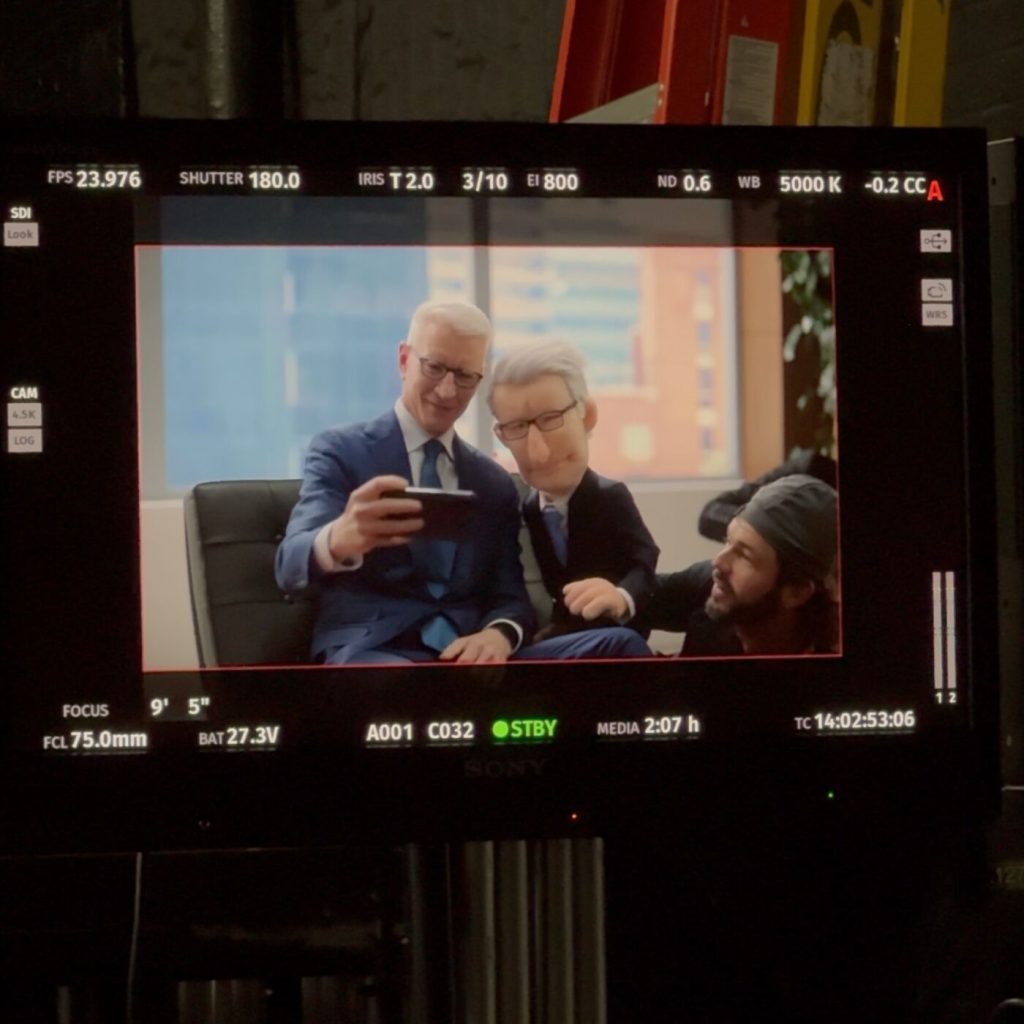
- The Doppelgänger Effect: For a campaign in Japan, the studio spent two years creating puppet doubles of human subjects. These "copies" were then photographed sitting next to their "originals" on public benches. This project served as a massive, real-world exploration of the doppelgänger motif, a recurring theme in surrealist literature and Freudian psychology.
Official Responses: The Philosophy of the Creators
The creators behind these movements view their work not as entertainment, but as a fundamental challenge to human perception.
Zack Buchman emphasizes the psychological weight of the physical object. "The goal is the instant disbelief clicks off," Buchman has noted. He argues that when a brain stops hunting for the rods or the puppeteer and simply accepts the creature as a living being, the art has succeeded. This transition is not a "trick" but a sophisticated manipulation of human empathy and spatial awareness.
Erminio Pinque of Big Nazo views the work through the lens of "wonderful failure." He posits that the most successful surrealist moments occur when things go wrong—when a creature interacts with a confused bystander in a way that wasn’t scripted. This "freedom to fail" allows the puppet to transcend its status as an object and become a participant in reality.
The legacy of Jim Henson continues to provide the moral and artistic backbone for these studios. Henson famously bought back the rights to The Dark Crystal when studio executives attempted to "sand the weirdness off." This commitment to "the weird" remains the North Star for modern fabrication houses.
Implications: Why the Physical Still Matters
The rise of SoHo’s puppet surrealism carries significant implications for the future of visual culture. As CGI and AI-generated imagery become indistinguishable from reality, they paradoxically lose their "weight." The human eye is becoming increasingly adept at spotting the lack of physical presence in digital renders.
1. The Return to Tactile Reality:
The work of Furry Puppet Studio suggests a growing appetite for "tactile surrealism." There is a visceral power in knowing that a creature—no matter how bizarre—exists as a physical mass in a room, casting a real shadow and occupying real space. This "weight" is the secret ingredient of belief.
2. The Mastery of the Uncanny Valley:
By working on the edge of the uncanny valley, puppet makers are providing a roadmap for future technologies. The lessons learned in a SoHo studio about eye placement, joint movement, and fabric tension are directly applicable to the fields of social robotics and human-computer interaction.
3. Commercial Surrealism as the New Avant-Garde:
Perhaps the most intriguing implication is the migration of surrealism into the commercial mainstream. When a major news network like CNN uses doppelgänger puppets for a New Year’s Eve broadcast, or Apple uses "copy-original" motifs for a global campaign, surrealism has moved from the gallery to the living room. Studios like Furry Puppet are the quiet architects of this shift, using client invoices to fund some of the most provocative and strange imagery of the last decade.
In conclusion, the shavings of foam on a SoHo floor are more than industrial waste; they are the remnants of a process that turns the impossible into the tangible. Whether it is a blue yeti on a roadside or a mechanized monster with a single oversized eye, these creations remind us that surrealism is not a historical movement confined to textbooks—it is a living, breathing, and remarkably "furry" evolution of how we perceive the world around us.