Guns of Eschaton: A Revolutionary Soulslike Shooter Forged in the Weird West
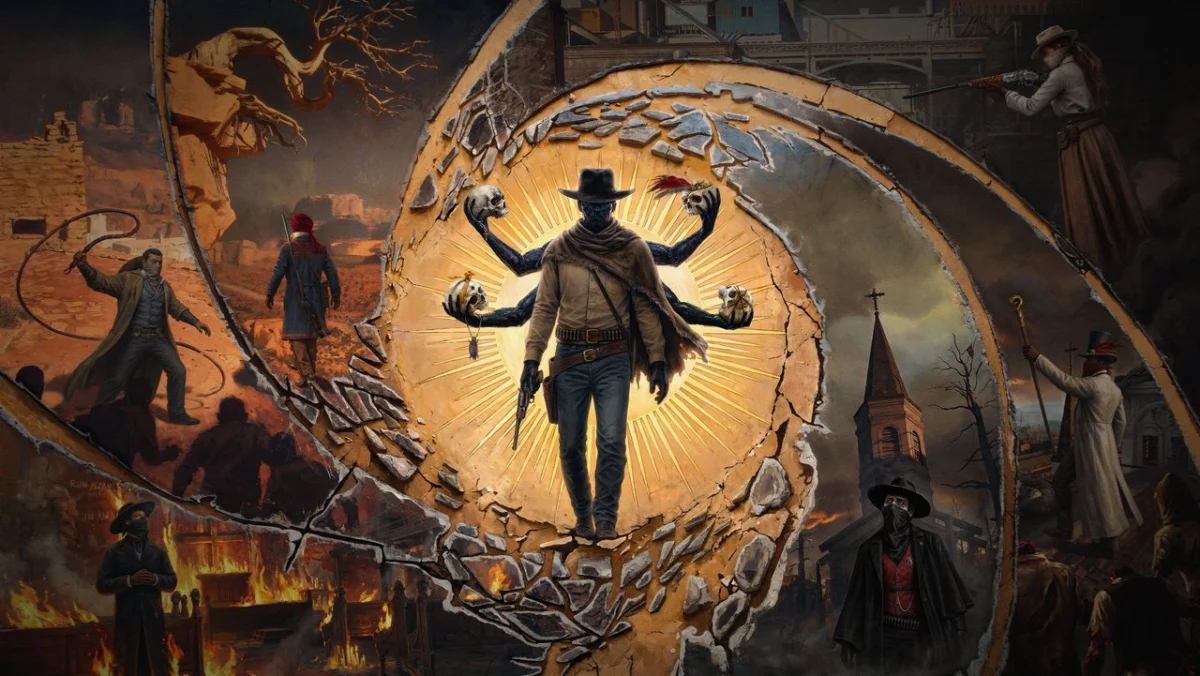
The legacy of visionary art director Viktor Antonov lives on in "Guns of Eschaton," a daring new title that reimagines the first-person shooter by infusing it with the unforgiving mechanics of the Soulslike genre. Set against the backdrop of an occult, apocalyptic 19th-century American West, this game promises a brutal, methodical, and deeply rewarding experience that stands in stark contrast to Antonov’s previous, genre-defining work.
Viktor Antonov, a name synonymous with unforgettable visual design and world-building, leaves behind a profound legacy in the gaming industry. His artistic direction was instrumental in crafting the iconic cityscapes of Half-Life 2 and the atmospheric dread of the Dishonored series, influencing countless games that followed, including the recently released Thick as Thieves. Though Antonov tragically passed away in early 2025, his final artistic vision has been realized in "Guns of Eschaton," a title developed by Eschatology Entertainment. While initially appearing as a conventional first-person shooter, an immersive hour-long struggle through its opening level quickly reveals its profound divergence from anything Antonov had previously contributed to.
Eschatology Entertainment boldly describes "Guns of Eschaton" as a "first-person Soulslike shooter." This classification immediately signals a departure from the fast-paced, twitch-reflex gameplay typically associated with the genre. Players will find familiar elements from the Soulslike pantheon: bonfires serve as checkpoints, fallen enemies respawn, precious resources are dropped upon death, and combat is deliberately paced and requires strategic foresight. These are hallmarks rarely found in a shooter, and their integration into a gun-based combat system presents a unique challenge and a fresh perspective.
A World Steeped in Occult Apocalypse: The Weird West Reimagined
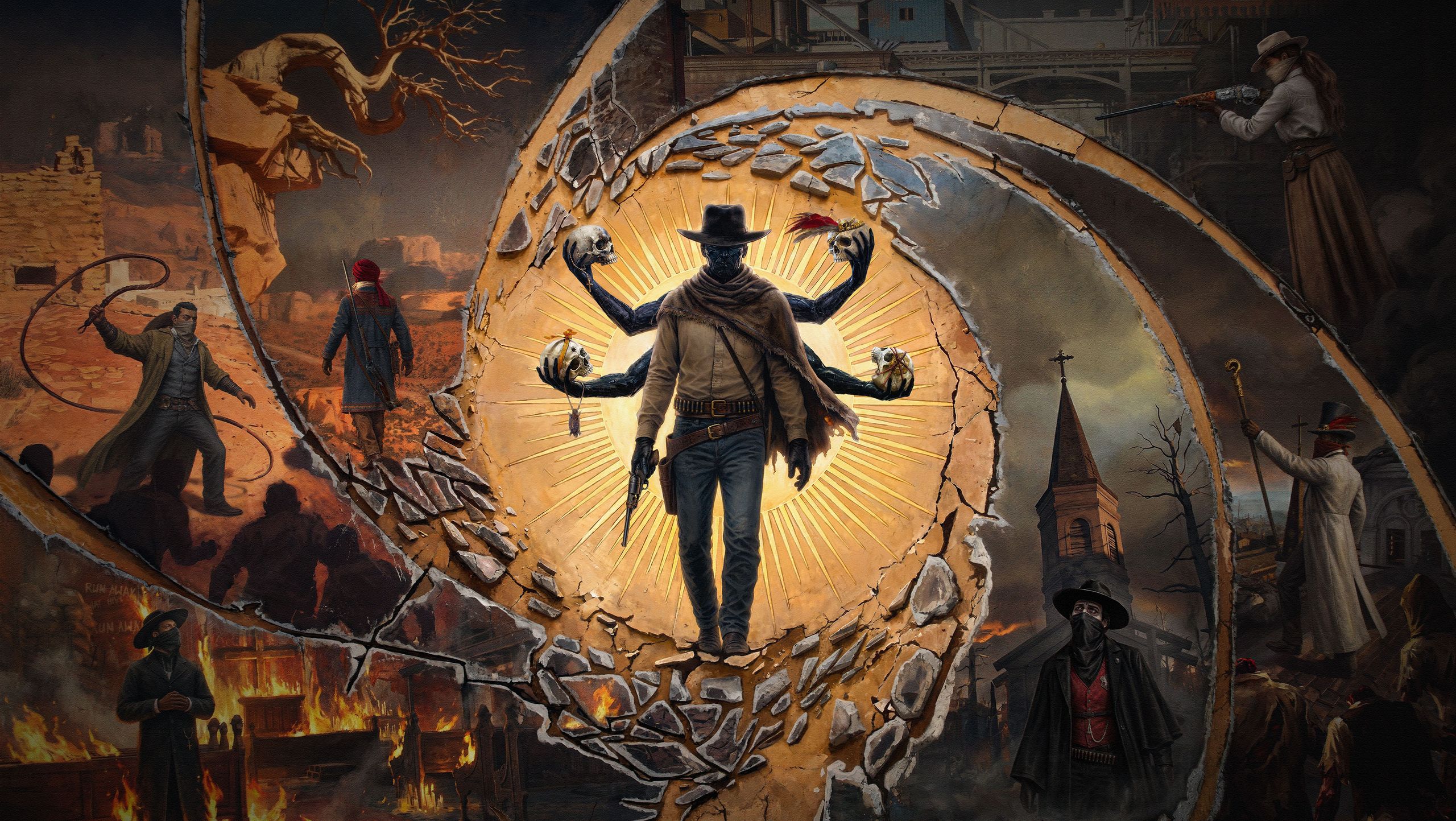
Instead of the traditional medieval dark fantasy settings that often accompany Soulslike games, "Guns of Eschaton" plunges players into a nightmarish rendition of the 19th-century American West. This is not the romanticized frontier of classic Westerns; it’s a realm steeped in the occult, the apocalyptic, and the bizarre. The game draws inspiration not from the stoic heroism of John Wayne, but from the surreal and often disturbing visions of films like Alejandro Jodorowsky’s El Topo, offering a far more unsettling and hallucinatory take on the genre.
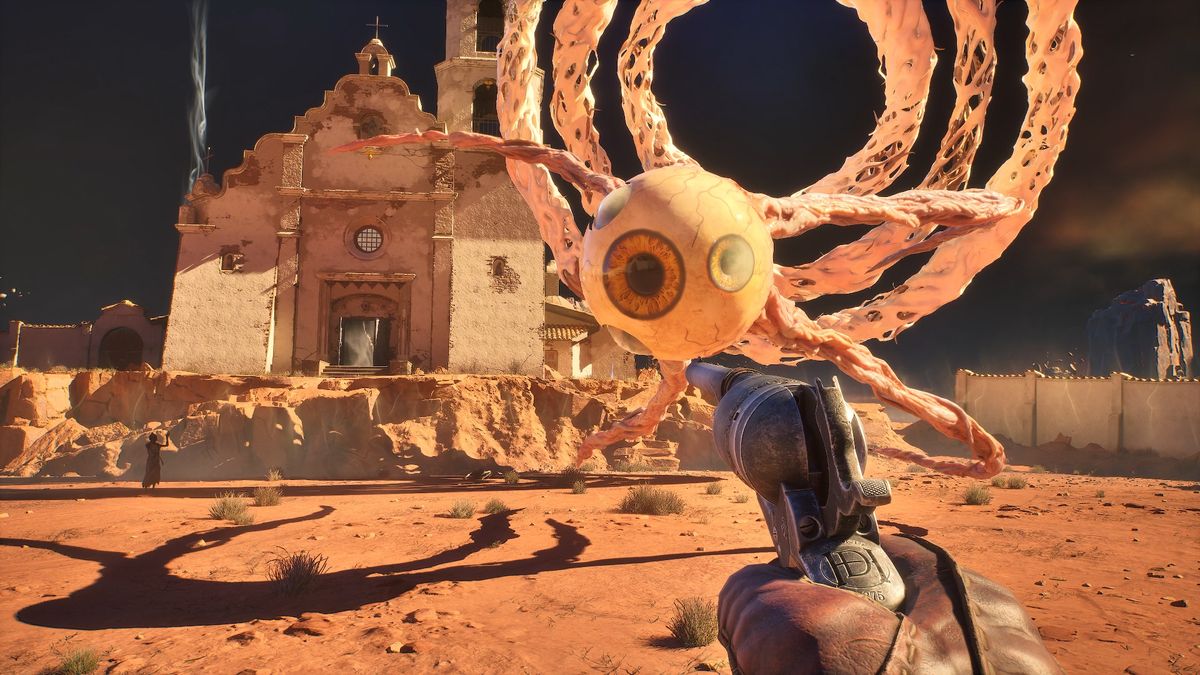
This unique setting proves remarkably apt for the game’s core mechanics. The scarcity of resources and the unforgiving nature of the world mirror the player’s own predicament. Ammunition is precious, and every shot must be carefully considered. The starting weapon, an intricately designed six-shooter, exemplifies this. Players must manually load each bullet by pulling the trigger once before another pull fires the weapon, a process visualized in the user interface with the cycling of actual bullets into the chamber. This deliberate pace forces a fundamental shift in player instinct. The ingrained habit of aiming for the head, a staple of most shooters, is only effective against the most basic, hat-wearing adversaries. For more complex threats, a more nuanced approach is required, one that necessitates understanding enemy vulnerabilities beyond simple cranial shots.
The Art of the Hunt: A Detailed Combat System
The game’s title, "Guns of Eschaton," hints at its thematic concerns with the End Times. This profound sense of finality extends to the player’s approach to combat, which becomes a form of meticulous study of their adversaries. Enemies range from the shambling undead to unsettling, eye-like creatures that explode upon proximity. A crucial item acquired early in the game is the Codex. Unlike typical in-game encyclopedias that players might glance at idly, the Codex in "Guns of Eschaton" is a tangible object that the player actively consults.
When opened in real-time, the Codex displays detailed, hand-drawn illustrations of encountered enemies. These illustrations are not merely aesthetic; they are annotated with numerical indicators highlighting specific body parts. These numbers denote the precise order in which these parts must be targeted to inflict significant, effective damage. This system transforms combat from a mere exchange of gunfire into a tactical puzzle, requiring players to memorize patterns and execute precise shots under pressure.
Consider the "Doomed Lawman," an enemy that must be felled by first targeting its right leg (from the player’s perspective, the enemy’s left) before proceeding to the head. However, a visually similar foe, the "Severed Lawman," presents a different challenge. This variant, distinguished by its long-range rifle and bandages, demands a distinct sequence: first the left leg, then the left arm, and finally the head. Distinguishing between these seemingly similar enemies, especially when juggling the Codex and aiming, is a significant hurdle that contributes to the game’s steep but rewarding learning curve.
Beyond the Trigger: Parrying, Dodging, and the Demonic Embrace
While the combat is intentionally slow and methodical, "Guns of Eschaton" provides players with crucial defensive and evasive maneuvers. A dash ability, reminiscent of Soulslike dodges, allows players to evade incoming projectiles. This dash also serves a secondary purpose: traversing small gaps in the environment, as a traditional jump button is conspicuously absent.
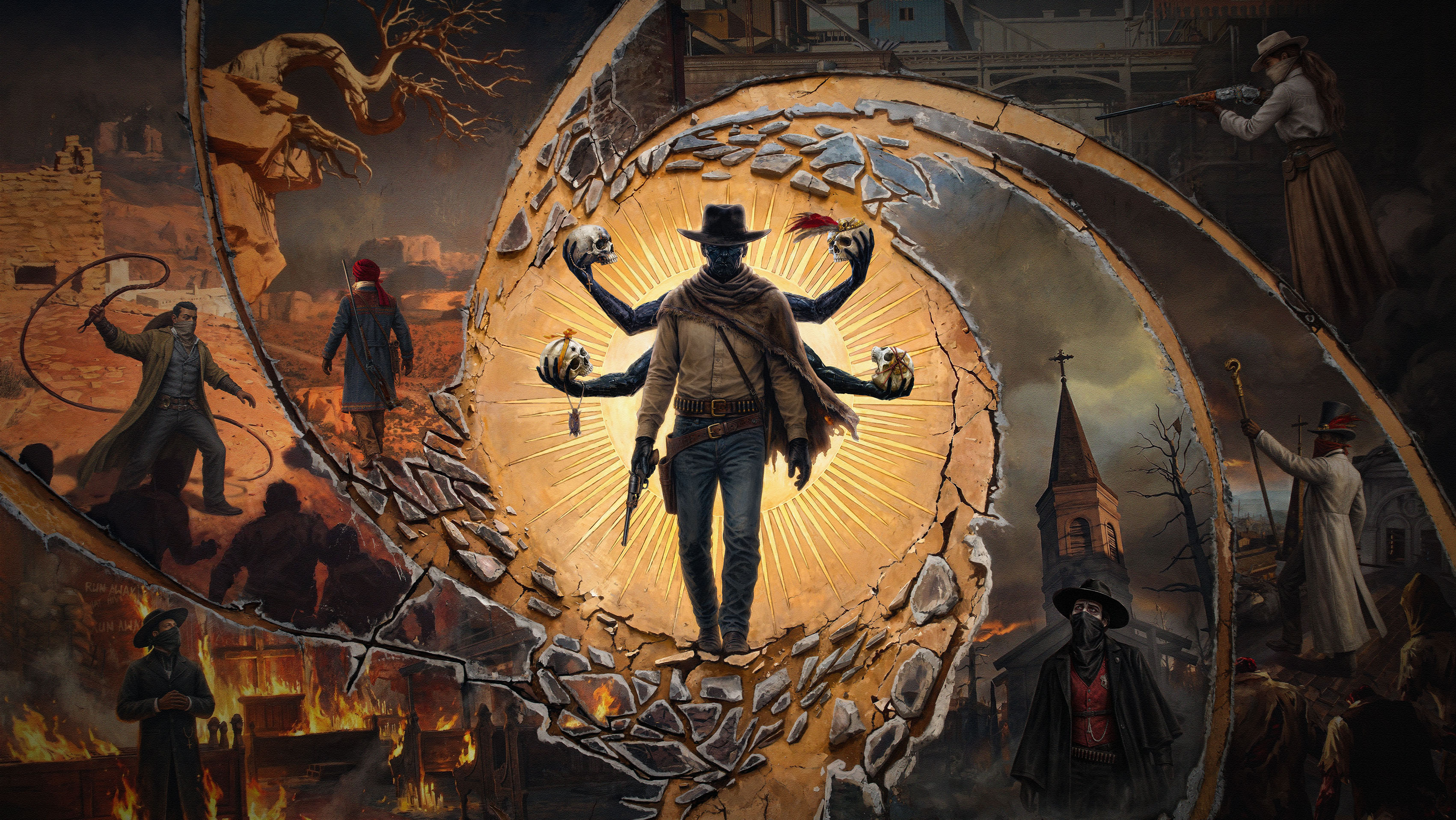
The enemies themselves wield slow-firing firearms, granting players a crucial window of opportunity to react. This is where the game introduces its most audacious mechanic: parrying. The concept of parrying in a shooter might seem counterintuitive, yet "Guns of Eschaton" masterfully integrates it. The protagonist is aided by mysterious, floating demonic arms, which can be employed to deflect enemy attacks. A successful parry not only stuns the opponent but also triggers a brief period of bullet time. This fleeting moment of slowed perception allows players to unleash a torrent of precise shots, potentially dispatching their foe. This mechanic is particularly vital in the game’s one-on-one duels, where the emphasis shifts from who can fire first to who can parry first, setting up the crucial follow-up attack.
The Forgotten Desert: A Harsh Introduction
Despite the elegant design of its mechanics, "Guns of Eschaton" is not without its formidable challenges. Upon emerging from the tutorial, players are thrust into the "Forgotten Desert," a starkly beautiful yet unforgiving landscape dotted with the surreal sight of floating rocks in the distance. This initial area proved to be a significant crucible, testing the player’s ability to adapt to the game’s demanding systems.
The struggle to progress stemmed from a combination of factors: the difficulty in precisely targeting vulnerable body parts, the challenge of memorizing enemy attack sequences, fumbling the parry timing, and the sheer mental load of remembering to cock the weapon while simultaneously aiming. Furthermore, enemies are adept at flanking, their shots often appearing with little warning, leaving players overwhelmed and disoriented. In several instances, the player was caught off guard by strategically placed sticks of dynamite, their detonation resulting in swift defeat and the familiar, albeit uniquely phrased, "No Rest. No Peace." screen, a grim reminder of the game’s Soulslike heritage.
A Divisive Masterpiece in the Making?
"Guns of Eschaton" is undeniably a game that will polarize its audience. Its demanding nature and unconventional approach to the shooter genre will require significant patience and a willingness to embrace failure as a learning tool. However, for those who persevere, the experience promises to be profoundly rewarding. The game evokes the same sense of discovery and mastery that defined the initial encounters with titles like Dark Souls.
From its audacious reimagining of the Weird West to its innovative parry mechanics and methodical combat, "Guns of Eschaton" possesses the potential to become a true cult classic. It stands as a testament to Viktor Antonov’s enduring influence and Eschatology Entertainment’s bold vision, offering a unique blend of genres that is both familiar and refreshingly novel.
Official Response and Developer Vision
Eschatology Entertainment has articulated a clear vision for "Guns of Eschaton," aiming to bridge the gap between the strategic depth of Soulslike games and the visceral action of shooters. Their commitment to this fusion is evident in every aspect of the game, from the deliberate combat pacing to the intricate enemy design. The developer’s embrace of Antonov’s artistic legacy is not merely a tribute but a foundational element of the game’s identity. The choice to set the game in an occult-infused 19th-century West allows for a rich tapestry of visual storytelling and thematic resonance, directly aligning with Antonov’s penchant for creating worlds that are both beautiful and deeply unsettling.
Implications for the Genre
The potential success of "Guns of Eschaton" could have significant implications for the future of the first-person shooter genre. By demonstrating that slow, methodical combat, punishing difficulty, and intricate mechanical depth can be successfully integrated into a shooter, the game may inspire other developers to experiment beyond conventional formulas. The "Soulslike shooter" could emerge as a distinct subgenre, offering players a more cerebral and challenging alternative to the typical shooter experience. This evolution could attract a broader audience seeking deeper gameplay mechanics and a greater sense of accomplishment from their virtual endeavors.
Guns of Eschaton is slated for release on PC, PlayStation 5, and Xbox Series X/S. Players can wishlist the game on Steam.