Craig Mazin to Helm HBO’s Dungeons & Dragons Series, Expanding Baldur’s Gate 3 Universe
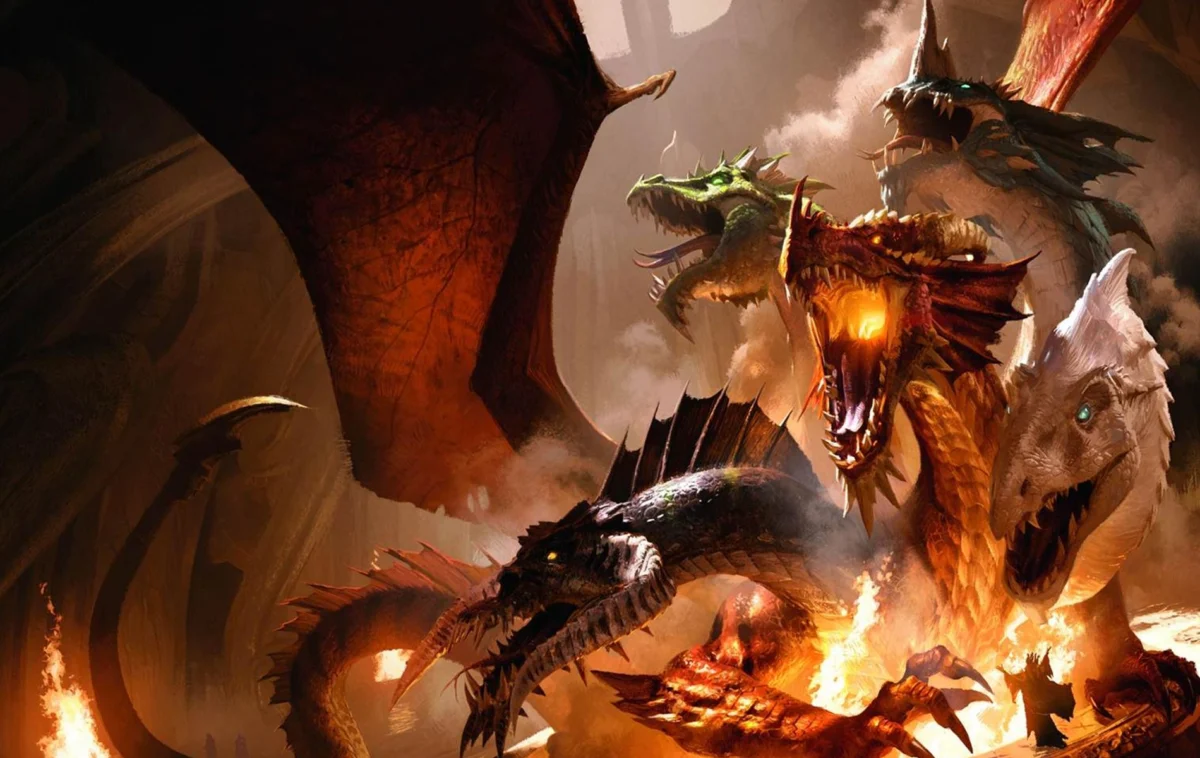
In a monumental announcement that has sent ripples of excitement through the global gaming and fantasy entertainment communities, Emmy-winning showrunner Craig Mazin is officially leading the development of a new Dungeons & Dragons television series for HBO. Known for his critically acclaimed work on HBO’s The Last of Us and Chernobyl, Mazin is poised to dive deep into the rich lore of the Baldur’s Gate video game universe, with the series set to pick up its narrative threads immediately after the climactic events of the massively successful Baldur’s Gate 3.
This ambitious project signals a strategic move by HBO and Hasbro Entertainment to capitalize on the soaring popularity of the Dungeons & Dragons brand and the unparalleled success of Larian Studios’ Baldur’s Gate 3. Unlike the tightly constrained adaptation of The Last of Us, which faithfully followed its video game predecessor, this D&D series grants Mazin significant creative autonomy. Set within the iconic and sprawling Forgotten Realms, the show is expected to weave together familiar narrative elements and beloved characters from Baldur’s Gate 3 with entirely original storylines, promising to deepen the world’s intricate political machinations, expand character arcs, and explore new corners of its vast mythology.
Main Facts: A New Era for D&D on Television
The core of this groundbreaking initiative revolves around several key elements:
- Showrunner at the Helm: Craig Mazin, a name synonymous with prestige television and meticulous adaptation, will spearhead the creative direction of the series. His previous works, particularly The Last of Us, have demonstrated an exceptional ability to translate complex narratives and emotionally resonant character journeys from other mediums to the screen, while also attracting both existing fans and new audiences.
- The Baldur’s Gate 3 Connection: The series is not a direct adaptation of Baldur’s Gate 3’s story but rather a direct narrative continuation. This unique approach allows the show to leverage the established world, characters, and player-driven choices that defined the game, while simultaneously forging new paths. By starting after the game’s conclusion, the series can explore the consequences and lingering questions left by players’ decisions, offering a fresh perspective on a beloved universe.
- Setting in the Forgotten Realms: The Forgotten Realms is perhaps the most iconic and widely recognized campaign setting in Dungeons & Dragons. Its vast geography, diverse cultures, ancient history, and pantheon of gods provide an inexhaustible wellspring of stories. Locating the series within this universe ensures a sense of familiarity and grandeur for long-time D&D enthusiasts while offering an accessible entry point for newcomers.
- Creative Freedom: A significant distinction for this project, compared to Mazin’s The Last of Us, is the explicit intention to grant the showrunner creative license to build and explore original storylines. This freedom is crucial for adapting a universe as expansive and open-ended as D&D, allowing the show to capture the spirit of tabletop role-playing where player choices often lead to unforeseen narrative branches.
- Partnership with Hasbro Entertainment: The series is being developed in close collaboration with Hasbro Entertainment, the parent company of Wizards of the Coast, which owns the Dungeons & Dragons intellectual property. This partnership ensures authenticity and alignment with the brand’s overarching vision, positioning the show as a canonical expansion rather than a standalone interpretation.
Chronology: The Road to the Forgotten Realms
The journey to this pivotal announcement is paved with significant milestones, demonstrating a growing trend in cross-media adaptation and the sustained resurgence of Dungeons & Dragons.
- Decades of D&D: Dungeons & Dragons has been a cultural cornerstone since its inception in 1974. Over nearly five decades, it has spawned countless campaigns, novels, video games, and even previous attempts at film and television adaptations, with varying degrees of success. The brand’s enduring legacy and dedicated fanbase laid the groundwork for future high-profile projects.
- The Rise of Tabletop Gaming (2010s-Present): The last decade has witnessed a dramatic resurgence in tabletop role-playing games, with D&D leading the charge. Platforms like Twitch and YouTube have popularized "actual play" shows, introducing D&D to a new generation and showcasing its narrative potential. The development of D&D Beyond further streamlined gameplay and expanded its reach.
- HBO’s Foray into Prestige Genre (Pre-2020s): HBO has long been a leader in high-quality serialized drama, but its commitment to ambitious fantasy and genre storytelling solidified with hits like Game of Thrones. The success of Game of Thrones proved the global appetite for complex, character-driven fantasy narratives with high production values.
- The Last of Us Precedent (2023): Craig Mazin’s co-creation and showrunning of The Last of Us for HBO was a critical and commercial triumph. Its ability to meticulously adapt a beloved video game, while also deepening its emotional core and attracting a massive new audience, provided a powerful blueprint and boosted confidence in similar cross-media ventures. This success undoubtedly played a significant role in HBO’s willingness to invest heavily in another video game-adjacent IP.
- The Baldur’s Gate 3 Phenomenon (August 2023): The release of Baldur’s Gate 3 by Larian Studios was a watershed moment. After years of anticipation, the game exceeded all expectations, garnering universal critical acclaim, winning numerous Game of the Year awards, and selling millions of copies. Its intricate narrative, compelling characters, and unprecedented player freedom captivated audiences worldwide, demonstrating the immense storytelling potential within the Baldur’s Gate universe. The game’s success created an immediate and fervent demand for more stories set within its world.
- Strategic IP Development by Hasbro Entertainment: Hasbro, through Wizards of the Coast, has been actively expanding the D&D brand beyond tabletop gaming. The success of the Dungeons & Dragons: Honor Among Thieves film (2023) demonstrated a mainstream appetite for D&D content, further paving the way for a premium television series.
- The Announcement: The official confirmation of Craig Mazin’s involvement and the Baldur’s Gate 3 continuation marks the culmination of these trends, setting the stage for what could become HBO’s next major fantasy flagship. While specific dates for production and release are still under wraps, the groundwork has been meticulously laid.
Supporting Data: A Confluence of Success
The decision to launch this ambitious series is underpinned by a robust body of supporting data, highlighting the unique strengths of the D&D brand, the Baldur’s Gate 3 game, and Craig Mazin’s proven track record.
- Baldur’s Gate 3’s Unprecedented Success:
- Critical Acclaim: Baldur’s Gate 3 achieved near-universal critical acclaim, boasting average scores well into the 90s on aggregators like Metacritic. Reviewers lauded its intricate role-playing mechanics, branching narrative paths, deep character development, and stunning presentation.
- Awards Sweep: The game dominated award season, securing numerous "Game of the Year" accolades from prestigious outlets such as The Game Awards, the Golden Joystick Awards, and the BAFTA Games Awards, cementing its status as one of the greatest RPGs of all time.
- Commercial Juggernaut: Larian Studios reported millions of copies sold across PC, PlayStation 5, and Xbox Series X/S, translating into hundreds of millions of dollars in revenue. This commercial triumph demonstrated a massive, engaged audience hungry for more content from this specific universe.
- Player Engagement: Beyond sales, Baldur’s Gate 3 fostered immense player engagement, with players spending hundreds of hours exploring its world and experimenting with its systems. The game’s focus on player choice and consequence created a deeply personal experience, making the idea of a narrative continuation highly appealing.
- Craig Mazin’s Stellar Reputation:
- The Last of Us (HBO): Mazin co-created and wrote the overwhelming majority of episodes for the The Last of Us series. It garnered immense critical praise, with a 96% Rotten Tomatoes score, and was a viewership hit, attracting over 30 million viewers per episode across platforms. The series received 24 Emmy nominations, winning eight, including Outstanding Lead Actress for Bella Ramsey and Outstanding Guest Actor for Nick Offerman. Critics lauded its faithful yet expanded adaptation, its emotional depth, and its character focus.
- Chernobyl (HBO): Mazin’s previous limited series, Chernobyl, was a global phenomenon, winning 10 Emmy Awards, including Outstanding Limited Series, and a Golden Globe. Its meticulous research, gripping tension, and powerful human drama showcased Mazin’s ability to craft compelling narratives from complex, real-world events.
- Personal Passion: Crucially, Mazin is a self-professed, long-time Dungeons & Dragons enthusiast. He has publicly shared his extensive experience playing the tabletop game and revealed he completed Baldur’s Gate 3 on its most challenging difficulty. This personal connection is a vital asset, assuring fans that the source material will be handled with respect and understanding, moving beyond a purely commercial endeavor.
- The Dungeons & Dragons Brand’s Momentum:
- Cultural Relevance: D&D has never been more culturally relevant. From celebrity players to mainstream media mentions, the brand has transcended its niche origins.
- D&D: Honor Among Thieves (Film): The 2023 feature film, while not a box office record-breaker, was a critical success, praised for its charming tone, engaging characters, and faithful representation of the D&D spirit. It proved that a high-quality D&D adaptation could resonate with a broad audience.
- Expansive Lore: The Forgotten Realms setting alone boasts decades of published material, including hundreds of novels, modules, and video games. This rich tapestry provides an almost limitless source of inspiration and established lore for the television series to draw upon and expand.
Official Responses: Enthusiasm and Strategic Vision
While comprehensive official statements from HBO and Hasbro are still emerging, the sentiment conveyed by Craig Mazin and the strategic implications are clear: this is a project born of passion and designed for significant impact.
- Craig Mazin’s "Dream Come True": In initial statements shared with media outlets, Mazin described the opportunity to develop a Dungeons & Dragons series, particularly one connected to Baldur’s Gate 3, as a "dream come true." This personal endorsement from such a high-caliber showrunner is invaluable. He further emphasized his commitment to "honor the original source material while also crafting something that works for television." This balance—respecting the IP while making it accessible and engaging for a new medium—is key to successful adaptations. His history demonstrates he understands this delicate equilibrium, knowing when to adhere strictly and when to innovate.
- Hasbro Entertainment’s Strategic Play: While direct quotes are pending, Hasbro Entertainment’s involvement underscores a clear strategic imperative: to maximize the potential of its Dungeons & Dragons IP across all media. Following the success of Honor Among Thieves and Baldur’s Gate 3, a prestige television series on HBO represents the pinnacle of cross-platform brand synergy. This move is about more than just entertainment; it’s about cementing D&D‘s place as a premier fantasy franchise alongside giants like Star Wars and Lord of the Rings. Their partnership ensures canonical consistency and leverages the brand’s immense narrative potential.
- HBO’s Continued Investment in Genre: For HBO, this project reinforces its commitment to high-budget, high-quality genre storytelling. After Game of Thrones, House of the Dragon, and The Last of Us, a D&D series from Mazin fits perfectly within their portfolio. While HBO has not released specific executive statements regarding this particular project, their track record speaks volumes. They invest in creators with a clear vision and in IPs with proven audience appeal. The decision to grant Mazin creative freedom also reflects HBO’s trust in its showrunners to deliver compelling, original content, even within established universes.
- Larian Studios’ Implicit Endorsement: While Larian Studios, the developers of Baldur’s Gate 3, are not directly producing the series, the choice to continue their story after their game’s events is a significant nod to their creative achievement. It suggests an implicit blessing and recognition of the narrative richness they created. For Larian, this series will undoubtedly bring further attention to their award-winning title, potentially drawing new players into the game itself.
Implications: A New Dawn for Fantasy Storytelling
The announcement of Craig Mazin’s Dungeons & Dragons series has far-reaching implications for various stakeholders, signaling a transformative period for fantasy entertainment.
-
For D&D Fans and Gaming Communities:
- Heightened Expectations: The involvement of Craig Mazin, coupled with the Baldur’s Gate 3 connection, instantly elevates expectations. Fans anticipate a mature, complex, and visually stunning adaptation that honors the depth of the source material.
- Legitimization of Gaming Narratives: This project further solidifies the notion that video game narratives are rich, compelling sources for prestige television. It follows a trend that The Last of Us helped define, pushing game adaptations beyond niche appeal into mainstream cultural relevance.
- Lore Expansion: For dedicated fans, the series offers a canonical expansion of the Baldur’s Gate 3 story, potentially exploring the fates of beloved companions, the repercussions of major decisions, and new threats within the Forgotten Realms. This is a chance to see characters and locations they cherish brought to life with HBO’s production values.
- Concerns about Adaptation: As with any adaptation, a segment of the fanbase will harbor anxieties about fidelity to the game’s spirit, character portrayals, and the handling of player-choice consequences. Mazin’s creative freedom, while exciting, also means the narrative may diverge from individual players’ specific playthroughs.
-
For HBO and the Fantasy Genre on Television:
- Strengthening Genre Slate: The series positions HBO to continue dominating the high-fantasy television landscape, especially as other flagship shows like House of the Dragon continue. It adds a fresh, high-profile entry to its prestigious lineup.
- Raising the Bar: With Mazin’s track record, the series is expected to set a new benchmark for fantasy storytelling, combining intricate world-building with compelling character drama and cinematic production values.
- Attracting New Audiences: The Baldur’s Gate 3 connection and Mazin’s name recognition will undoubtedly draw in both dedicated gamers and general audiences looking for their next epic fantasy fix, expanding HBO’s subscriber base.
-
For Hasbro Entertainment and Wizards of the Coast:
- Massive Brand Exposure: A high-profile HBO series will provide unparalleled marketing and exposure for the Dungeons & Dragons brand, potentially introducing millions to the world of tabletop RPGs and the broader Forgotten Realms lore.
- Cross-Media Synergy: This series opens doors for significant cross-promotional opportunities, including new D&D tabletop modules inspired by the show, official merchandise, and even potential connections to future video game releases. It’s a key piece in Hasbro’s long-term strategy for IP monetization and expansion.
- Long-Term Franchise Building: By investing in premium television, Hasbro is cultivating a multi-generational, multi-platform franchise that can compete with the biggest names in entertainment.
-
For Craig Mazin’s Career:
- Versatility and Mastery: This project further solidifies Mazin’s reputation as a master adapter capable of tackling diverse and complex source material. It demonstrates his ability to move from historical drama (Chernobyl) to post-apocalyptic survival (The Last of Us) to high fantasy, showcasing his versatility as a storyteller.
- Creative Autonomy: The creative freedom granted on this project is a testament to HBO’s confidence in Mazin’s vision and ability to craft compelling narratives, even when building upon existing universes.
In conclusion, the partnership between Craig Mazin, HBO, and Hasbro Entertainment to bring the Baldur’s Gate universe to television marks a pivotal moment. It represents a confluence of creative talent, a beloved and critically acclaimed game, and an iconic fantasy brand. As details continue to emerge, the anticipation for this Dungeons & Dragons series will only grow, promising to be a significant new chapter in the ongoing saga of high fantasy on the small screen.