"Hello Wizard I Have a Problem": A New Era of Incompetent Magic Unfurls in Tabletop RPGs
Main Facts
The tabletop roleplaying game (TTRPG) landscape is continually evolving, driven by innovative designers pushing the boundaries of collaborative storytelling. A notable new entry poised to redefine comedic fantasy adventures is "Hello Wizard I Have a Problem," an upcoming TTRPG that casts players not as valiant, masterful spellcasters, but as powerful yet delightfully incompetent sorcerers. This game, currently concluding a successful crowdfunding campaign, promises a unique blend of absurdist humor, rapid-fire improvisation, and collaborative world-building, drawing inspiration from iconic British comedy and modern surrealist humor.
"Hello Wizard I Have a Problem" distinguishes itself through several key mechanics. Foremost among these is its unique approach to game mastery: instead of a single designated Game Master (GM), all players collaborate to narrate the unfolding chaos. Each scene features a "spotlight" player whose wizard attempts to cast a spell, with the other players collectively acting as the GM to determine how spectacularly (and comically) that spell goes awry. This collaborative GM-less structure ensures that every participant is deeply engaged in crafting the narrative, fostering a dynamic and unpredictable play experience.
Central to the game’s comedic engine is a "Problem Generator" embedded within the rulebook. This ingenious tool is designed to produce over 200,000 distinct prompts for spell mishaps, guaranteeing that no two sessions, or even two spellcasting attempts, will be quite the same. The focus isn’t on successful magical feats, but rather on the hilarious, unexpected, and often catastrophic outcomes of well-intentioned (or perhaps misguided) enchantments. This emphasis on failure as a catalyst for fun positions "Hello Wizard I Have a Problem" as a refreshing departure from traditional fantasy narratives that often prioritize heroic success.
The Genesis of Incompetence: A Fresh Take on Fantasy RPGs
In an industry often dominated by epic quests, heroic triumphs, and meticulously balanced power systems, "Hello Wizard I Have a Problem" carves out a distinct niche by embracing the inherent humor in magical ineptitude. The game’s premise—allowing players to embody powerful yet deeply flawed spellcasters—offers a compelling counter-narrative to the archetypal wise wizard or stoic sorcerer. This shift in focus invites players to explore character vulnerabilities and comedic situations, fostering a different kind of immersion.
The appeal of incompetent characters in storytelling is deeply rooted in human experience; we often find humor and relatability in the struggles and foibles of others, particularly when their ambitions clash with their abilities. In the context of a TTRPG, this translates into a liberating play style where players are encouraged to take risks, knowing that even (or especially) failure will lead to memorable and often uproarious moments. The game doesn’t just tolerate incompetence; it actively celebrates it as the primary driver of its narrative.
This design choice also speaks to a broader trend in TTRPGs where designers are increasingly exploring narrative structures and character archetypes beyond the traditional hero’s journey. By placing the "problem" at the core of the wizard’s identity, the game redefines what it means to be a powerful entity in a fantasy setting. Power, in "Hello Wizard I Have a Problem," is less about control and more about the sheer, untamed force of magic, often with unintended consequences that snowball into larger comedic scenarios. This provides a rich sandbox for players to experiment with magical concepts, secure in the knowledge that the "wrong" outcome is often the most entertaining one.
Unpacking the Mechanics: Collaborative Chaos and the Problem Generator
The operational core of "Hello Wizard I Have a Problem" lies in its innovative mechanics, which are meticulously designed to facilitate its unique brand of collaborative, chaotic comedy. Unlike many TTRPGs that rely on a single, omniscient GM to adjudicate rules and drive the narrative, this game adopts a "GM-less" or "rotating GM" structure, a design philosophy gaining traction for its ability to empower all players equally.
The Rotating Spotlight and Collective GMing: In each scene, one player takes the "spotlight" as their wizard, describing the spell they intend to cast and their desired outcome. This player’s moment of magical ambition is then met by the collective creativity of the other players, who step into the role of the GM. Their task is not to shut down the spell, but to interpret its casting in the most hilariously disastrous way possible. This dynamic fosters a shared sense of ownership over the narrative and encourages rapid-fire improvisation. It requires players to actively listen, build upon each other’s ideas, and embrace the unexpected, creating a genuinely collaborative storytelling experience where everyone contributes to the escalating absurdity. This system also inherently balances power dynamics, as every player gets a turn to be both the caster and the arbiter of magical mishap, ensuring diverse perspectives and preventing any single person from dominating the narrative.
The Problem Generator: A Wellspring of Whimsy: The linchpin of the game’s replayability and comedic unpredictability is its "Problem Generator." While the exact mechanics of this generator are detailed in the rulebook, its stated capability of producing "over 200,000" distinct prompts for spell failures is a testament to its depth. This is likely achieved through a system of tables, keywords, and narrative prompts that can be combined in myriad ways. For instance, a wizard attempting to conjure a magical shield might find their spell instead transforming their hat into a sentient, complaining badger, or causing all nearby inanimate objects to start tap-dancing. The generator acts as a creative springboard, challenging players to integrate these bizarre outcomes into the ongoing narrative, pushing the story into ever-more ridiculous directions. This high number of potential outcomes ensures that players will rarely encounter the same scenario twice, guaranteeing fresh challenges and endless comedic possibilities across multiple playthroughs.
The "Points" System and Impression Management: The game concludes after every player has had several turns in the spellcasting spotlight. Players then tally "points" based on a loose improv system. While not a rigid scoring mechanism, this encourages players to strive for the most creative, impactful, and entertaining failures, rather than successes. The "most impressive wizard" isn’t necessarily the one who cast the most effective spells, but rather the one whose magical mishaps led to the most memorable and uproarious scenes. This subtle meta-game encourages players to lean into the core premise, further solidifying the game’s unique comedic identity.
Influences and Aesthetic: A Tapestry of Absurdist Humor
The comedic sensibilities of "Hello Wizard I Have a Problem" are deeply rooted in a rich tradition of absurdist and fantastical humor, specifically citing iconic British groups like Monty Python, alongside modern cult classics such as The Mighty Boosh and What We Do in the Shadows. These influences are not merely superficial; they inform the very structure and tone of the game.
Monty Python’s Legacy: From Monty Python, the game likely inherits a penchant for surreal non-sequiturs, rapid scene changes, and a dry, often self-aware wit that undermines traditional narrative expectations. Players familiar with the "Knights Who Say Ni!" or the Spanish Inquisition sketches will recognize the joy in unexpected turns and exaggerated character reactions. This influence suggests that "Hello Wizard" encourages players to embrace illogical developments and to find humor in the sheer randomness of events, rather than striving for a coherent, logical narrative.
The Mighty Boosh’s Whimsy: The influence of The Mighty Boosh points towards a more whimsical, fantastical, and visually eccentric brand of absurdity. The Boosh’s world is one where talking moon characters, jazz-infused demons, and bizarre animal hybrids are commonplace. This suggests that "Hello Wizard" will thrive on players introducing increasingly strange elements into their magical mishaps, transforming mundane failures into utterly unique and visually imaginative scenarios. It encourages a playful disregard for conventional fantasy tropes, inviting players to populate their world with the truly bizarre.
What We Do in the Shadows’ Character-Driven Comedy: The inclusion of "What We Do in the Shadows" as an influence highlights the importance of character-driven humor and the comedy of mundane existence within a fantastical context. The show’s vampires struggle with rent, chore wheels, and social anxieties, despite their supernatural powers. This suggests that "Hello Wizard" will find humor not just in the spells themselves, but in the petty squabbles, exaggerated reactions, and relatable frustrations of powerful beings grappling with everyday (or even extraordinary) incompetence. The focus here is on the clash between the wizards’ perceived grandeur and their actual, often pathetic, reality.
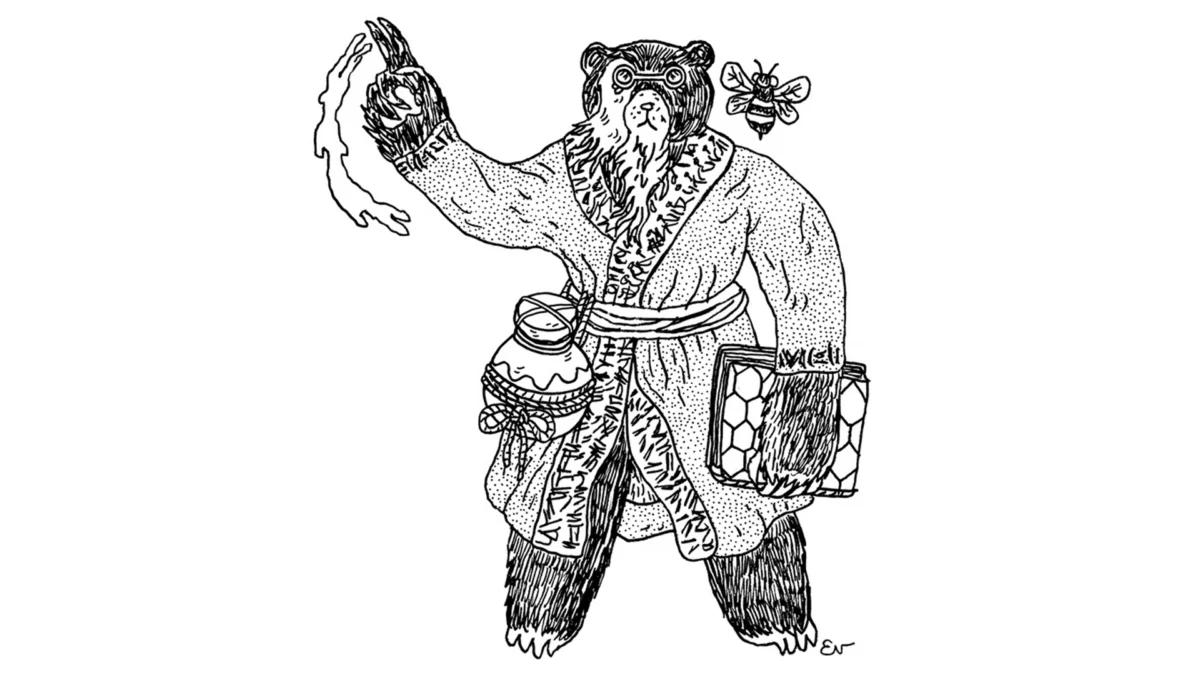
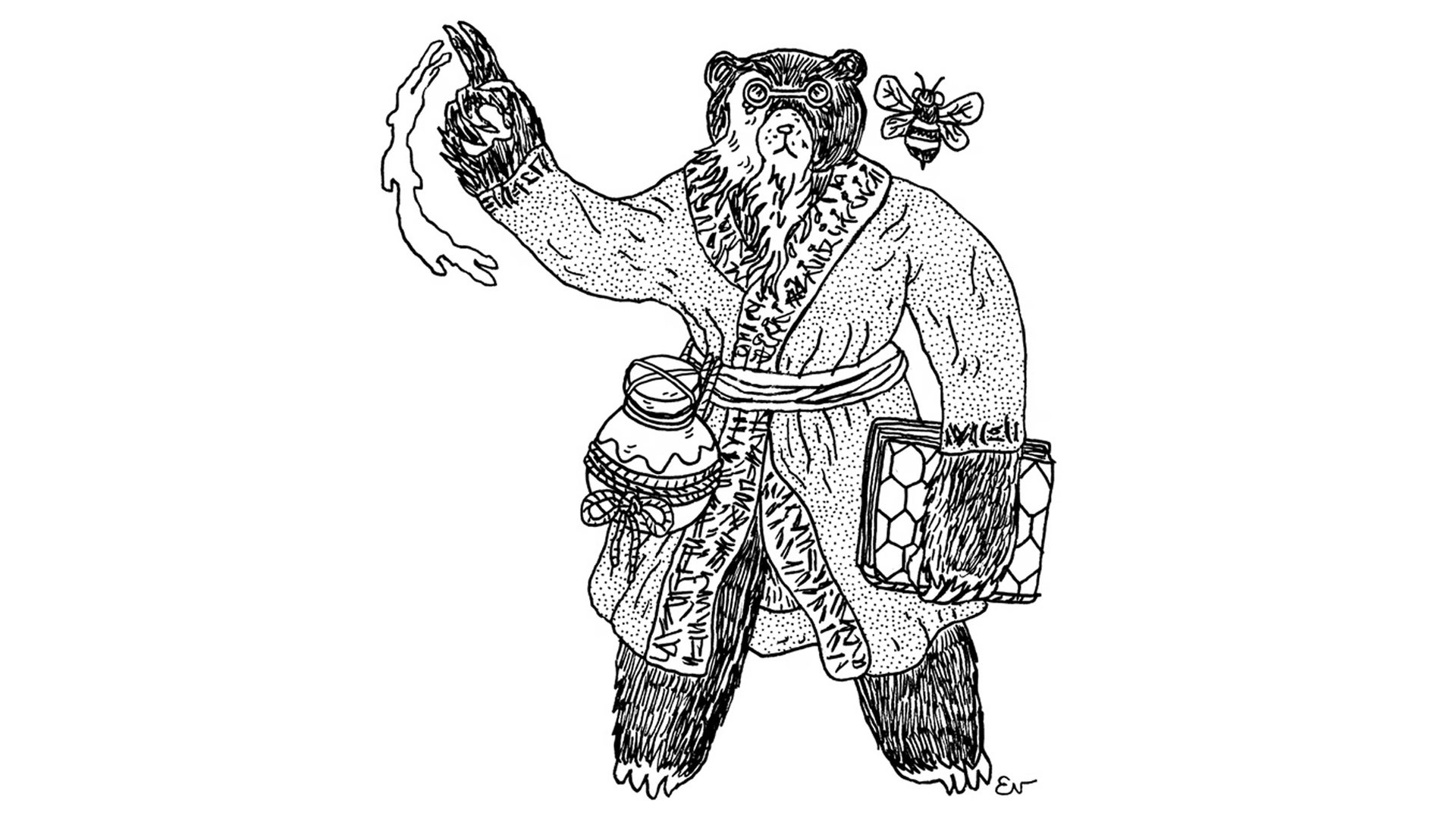
Together, these influences promise a TTRPG experience that is less about conquering evil and more about navigating a world where magic is a source of constant, hilarious, and often self-inflicted problems. The game’s aesthetic, brought to life by illustrator Evlyn Moreau, is crucial in conveying this tone, likely featuring stylized, expressive art that perfectly complements the whimsical and chaotic narrative.
The Creative Minds Behind the Magic
The success and unique flavor of any TTRPG are inextricably linked to the vision and expertise of its creators. "Hello Wizard I Have a Problem" benefits from the combined talents of designer Sam Armstrong and illustrator Evlyn Moreau, both of whom bring a distinctive portfolio to the project.
Sam Armstrong: A Designer of Distinctive Narratives: Sam Armstrong, the creator behind "Hello Wizard I Have a Problem," is known for crafting TTRPGs that often subvert genre expectations and focus on specific, intriguing character archetypes. His previous works demonstrate a clear design philosophy centered on narrative-driven mechanics and unique premises.
- All Bastard: This fantasy TRPG pits players against each other, taking on roles as either a band of bragging heroes or the "bastards" they ostensibly defeated. This game exemplifies Armstrong’s interest in exploring different perspectives within a narrative and challenging conventional heroic tropes. It suggests a designer who enjoys playing with meta-narratives and giving players agency over how stories are told and retold. The competitive, boastful element of "All Bastard" hints at the "impressing fellow sorcerers" mechanic in "Hello Wizard," where players are subtly vying for the most entertaining narrative contribution.
- Slasher: A horror roleplaying game, "Slasher" showcases Armstrong’s versatility and his ability to craft immersive experiences across different genres. While "Slasher" is tonally distinct from "Hello Wizard," it underscores his skill in designing rulesets that effectively channel a specific mood and player experience. The success of a horror game, like a comedy game, relies heavily on establishing and maintaining a particular atmosphere through its mechanics and prompts.
Armstrong’s body of work suggests a designer who is not afraid to experiment with TTRPG formats, prioritize compelling character concepts, and develop mechanics that directly serve the game’s core narrative and thematic goals. His experience in creating systems that encourage specific types of interaction (boasting, fear, comedic failure) positions him well to deliver on the promises of "Hello Wizard I Have a Problem."
Evlyn Moreau: Illuminating Worlds with Distinctive Art: The visual identity of "Hello Wizard I Have a Problem" is shaped by the artwork of illustrator Evlyn Moreau. Moreau’s contributions are vital in establishing the game’s tone and aesthetic, communicating its unique blend of fantasy and absurdity before a single die is rolled. Her previous work on RPGs like "Liminal High School" suggests an artistic style that can effectively convey quirky, imaginative, and often off-kilter worlds.
Moreau’s art often features expressive characters, vibrant color palettes, and a slightly whimsical, sometimes surreal quality that perfectly complements the absurdist humor Armstrong aims for. In "Liminal High School," her art would have been instrumental in grounding the fantastical elements within a relatable, yet slightly strange, high school setting. For "Hello Wizard I Have a Problem," her artwork will be key in visualizing the incompetent spellcasters, their bizarre spell effects, and the chaotic world they inhabit. The visual style is crucial in setting the stage for comedy, often amplifying the humor through exaggerated expressions, fantastical creatures, and dynamic scene compositions. The collaboration between Armstrong’s narrative design and Moreau’s artistic vision promises a cohesive and immersive experience where the mechanics, story, and visuals all work in concert to deliver a truly unique TTRPG.
The Crowdfunding Journey: Community Engagement and Project Milestones
The journey of "Hello Wizard I Have a Problem" from concept to impending publication has been significantly bolstered by a successful crowdfunding campaign on Kickstarter. The campaign, which was active until "later this afternoon" (as per the original article, indicating its successful conclusion), served not only as a financial vehicle but also as a vital platform for community engagement and validation of the game’s unique premise.
Crowdfunding platforms like Kickstarter have become indispensable for independent TTRPG designers, allowing them to bypass traditional publishing gatekeepers and connect directly with a passionate audience. The success of "Hello Wizard I Have a Problem" on Kickstarter is a strong indicator of the market’s appetite for fresh, innovative, and humor-driven TTRPGs. It suggests that Armstrong and Moreau have tapped into a desire for games that prioritize fun, improvisation, and collaborative storytelling over rigid rulesets and serious narratives.
The campaign offered various pledge tiers designed to appeal to different levels of support. A pledge of £8 (approximately $10 USD) secured backers a physical copy of the game, with an estimated delivery in June. This tier caters to players who appreciate the tactile experience of a physical rulebook, emphasizing the tangible reward for their support. For those who prefer digital access or wish to contribute at a lower price point, a PDF version was available for £4 (approximately $5 USD). These accessible price points likely contributed to the campaign’s broad appeal, making the game attainable for a wide range of TTRPG enthusiasts.
Beyond immediate funding, a successful Kickstarter campaign often signifies a strong community backing. Backers are not just investors; they are early adopters, advocates, and often provide valuable feedback. The engagement during the campaign helps build anticipation and establishes a core player base even before the game officially releases. The mention of potential future availability on Armstrong’s Itch.io page (sam-armstrong.itch.io) also highlights the growing importance of independent digital storefronts for TTRPG distribution, ensuring the game remains accessible to a wider audience post-Kickstarter. The successful funding allows Armstrong and Moreau to bring their vision to life, covering production costs, artist fees, and distribution, validating their creative efforts through direct community support.
Accessibility and Design Philosophy: Lowering the Barrier to Entry
A critical aspect of "Hello Wizard I Have a Problem" that contributes to its appeal is its deliberate focus on accessibility. The design philosophy champions straightforward rules and quick setup, aiming to make the game welcoming for both seasoned TTRPG veterans and newcomers alike.

Streamlined Rules: The game’s rules system is described as "very straightforward and intended to be easy for players to learn." This commitment to simplicity is a conscious design choice that lowers the barrier to entry, allowing players to grasp the core mechanics quickly and dive into the fun without extensive pre-game study. In an era where some TTRPGs can be dense with complex rules, skill trees, and intricate combat systems, a game that prioritizes immediate playability stands out. This approach allows the focus to remain squarely on improvisation, storytelling, and comedic interaction, rather than rule adjudication.
Rapid Setup: Coupled with simple rules, "quick and easy" setup is another cornerstone of the game’s accessibility. This means less time spent poring over character sheets, calculating stats, or preparing elaborate scenarios. Players can likely jump into a session with minimal preparation, making it an ideal choice for spontaneous game nights, convention play, or introducing new players to the hobby. This design choice recognizes the value of time and the desire for instant gratification in modern leisure activities.
Augmenting Play: Advice and Optional Rules: While simplicity is paramount, the rulebook will also contain "advice and optional rules players can use to augment their playthroughs." This demonstrates a nuanced understanding of player needs. The core game remains accessible, but for groups who desire more depth, variety, or a slightly different flavor, the optional rules provide avenues for customization. This allows players to tailor the experience to their group’s preferences, balancing ease of play with potential for greater complexity or themed sessions. This modular approach ensures the game can grow with its players, offering new ways to engage without sacrificing its initial accessibility.
This design philosophy aligns with a broader movement in the TTRPG industry towards more "rules-light" or "narrative-focused" games. These games often prioritize player agency, collaborative storytelling, and thematic immersion over intricate mechanics and simulation. By embracing this approach, "Hello Wizard I Have a Problem" positions itself as an accessible, engaging, and highly re-playable option for a diverse audience.
Implications for the TTRPG Landscape
The emergence and successful crowdfunding of "Hello Wizard I Have a Problem" carry several significant implications for the broader tabletop roleplaying game landscape, signaling shifts in player preferences, design trends, and the continued democratization of game creation.
The Ascendancy of Indie TTRPGs: The game’s success on Kickstarter reinforces the vital role of independent designers and publishers in driving innovation within the TTRPG space. Without the backing of major publishing houses, creators like Sam Armstrong and Evlyn Moreau can bring unique, niche concepts to fruition, enriching the diversity of games available. This trend empowers creators to experiment with unconventional themes and mechanics, confident that a dedicated community will support compelling ideas.
Validation of Absurdist and Comedic Themes: For a long time, fantasy TTRPGs were synonymous with serious, epic narratives. "Hello Wizard I Have a Problem" provides strong validation for the viability and demand for games that prioritize humor, absurdity, and lighthearted fun. Its success indicates that players are increasingly looking for experiences that offer comedic relief and a chance to playfully subvert traditional genre tropes. This could encourage more designers to explore comedic premises, leading to a richer variety of tonal experiences in the market.
Evolution of Game Master Roles and Collaborative Play: The GM-less or rotating GM system employed by "Hello Wizard" is a testament to the ongoing evolution of game design towards more collaborative and less hierarchical play structures. This approach democratizes the storytelling process, ensuring that all players have an equal stake in shaping the narrative and removes the pressure from a single GM. The game’s positive reception suggests a growing player base interested in these inclusive, shared narrative experiences, potentially inspiring more games to adopt similar structures.
Emphasis on Accessibility and Player-Centric Design: The game’s commitment to straightforward rules and quick setup reflects a broader industry trend towards making TTRPGs more accessible. As the hobby expands, there’s a clear demand for games that can be learned quickly, played spontaneously, and enjoyed by diverse groups, including those new to TTRPGs. "Hello Wizard" serves as a model for how to achieve this without sacrificing depth or engaging gameplay, proving that simplicity can be a powerful design choice.
Impact on Creator Careers: For Sam Armstrong and Evlyn Moreau, the success of "Hello Wizard I Have a Problem" is a significant career milestone. It not only provides financial stability for the project but also enhances their reputation as innovative and capable creators. This success can open doors for future projects, collaborations, and increased visibility within the TTRPG community, cementing their positions as influential voices in independent game design.
Conclusion
"Hello Wizard I Have a Problem" stands as a vibrant example of the dynamic and imaginative future of tabletop roleplaying games. By brilliantly combining the chaotic charm of incompetent magic, a deeply collaborative GM-less system, and a robust "Problem Generator" for endless comedic mishaps, it offers a refreshing antidote to more serious fantasy fare. Drawing inspiration from the likes of Monty Python and What We Do in the Shadows, the game promises rapid-fire, character-driven absurdity.
Designed by the innovative Sam Armstrong and brought to visual life by Evlyn Moreau, this game’s successful crowdfunding campaign underscores a significant demand for accessible, humor-driven TTRPGs that prioritize player interaction and narrative improvisation. Its straightforward rules and quick setup make it an inviting prospect for both seasoned players and newcomers, while its optional rules offer avenues for deeper engagement.
As "Hello Wizard I Have a Problem" moves from its crowdfunding phase towards its anticipated release in June, it is poised to carve out a unique and beloved niche in the TTRPG world. It represents not just a game, but a statement about the joy of collaborative storytelling, the liberating power of comedic failure, and the boundless creativity thriving within the independent TTRPG community. Players eager to embrace their inner, bumbling sorcerer and revel in the glorious chaos of magic gone wrong will undoubtedly find themselves saying, "Hello Wizard, yes, I do have a problem… and I can’t wait to play it."