HP Omen Max 16: A Gaming Beast That’s Also a Creative Powerhouse
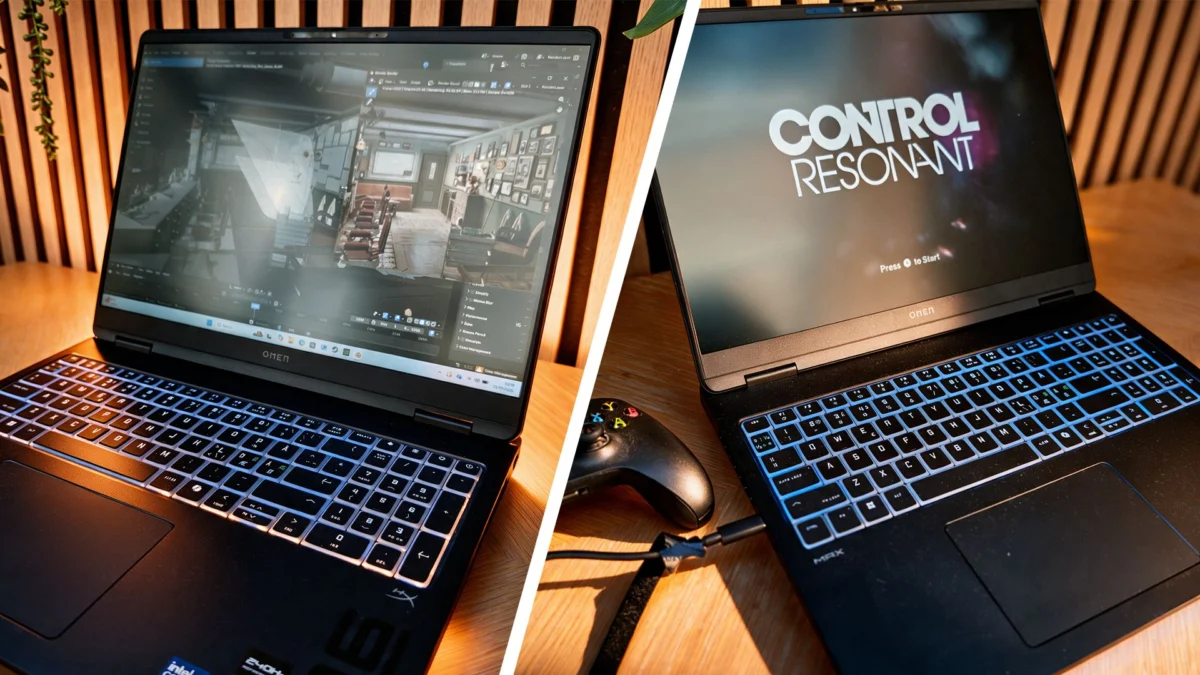
The HP Omen Max 16 is more than just a gaming laptop; it’s a high-performance machine that seamlessly bridges the gap between intense gaming sessions and demanding creative workflows. With its potent combination of cutting-edge hardware, including an RTX 5080 GPU and an Intel Core Ultra 9 275HX processor, this laptop offers a compelling proposition for students and professionals alike who demand versatility and raw power. While the eye-watering price tag is a significant consideration, the Omen Max 16 presents a unique opportunity to invest in a device that can genuinely support a creative and gaming journey for years to come.
First Impressions: A Subtle Nod to the Gaming World
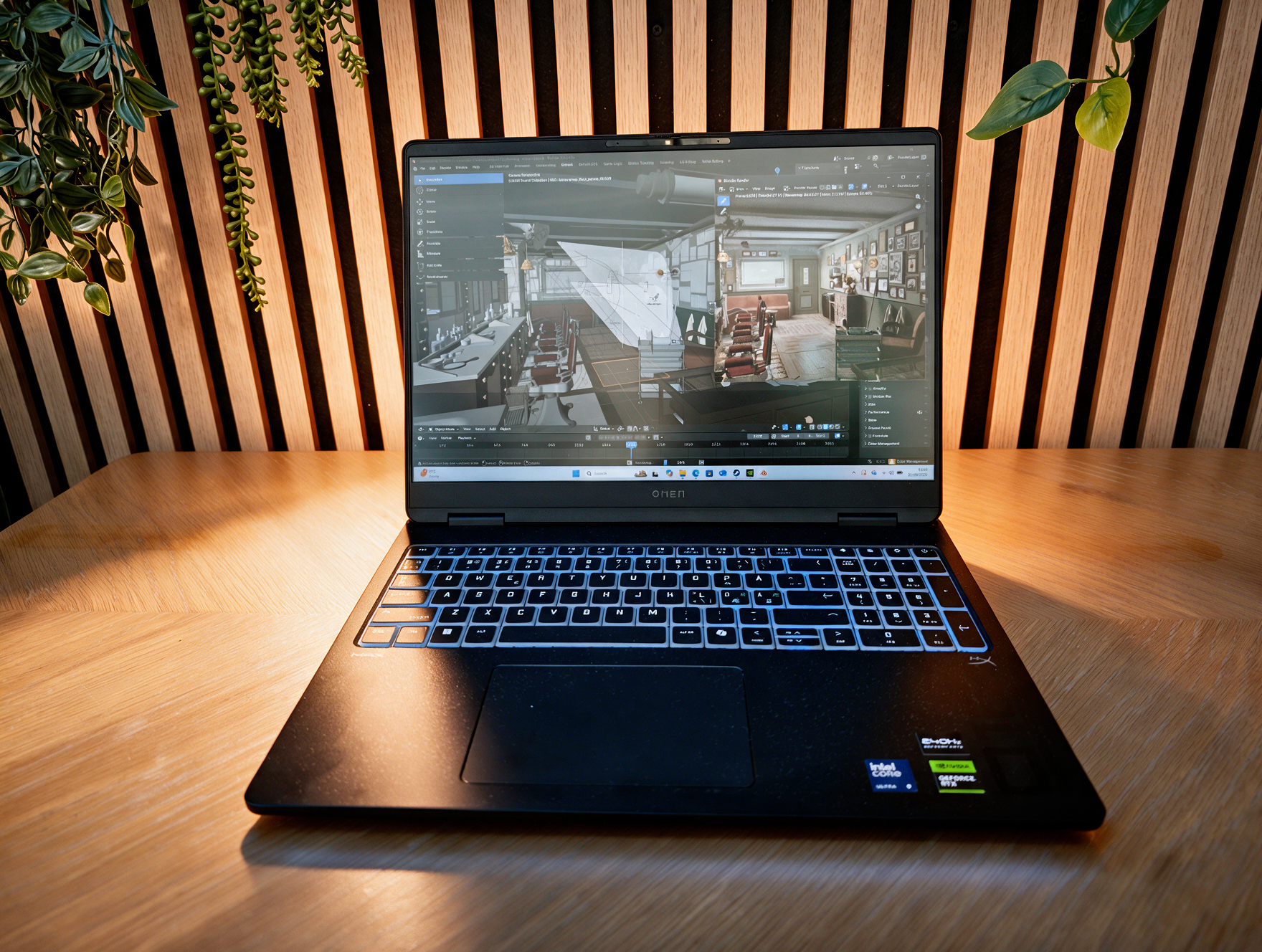
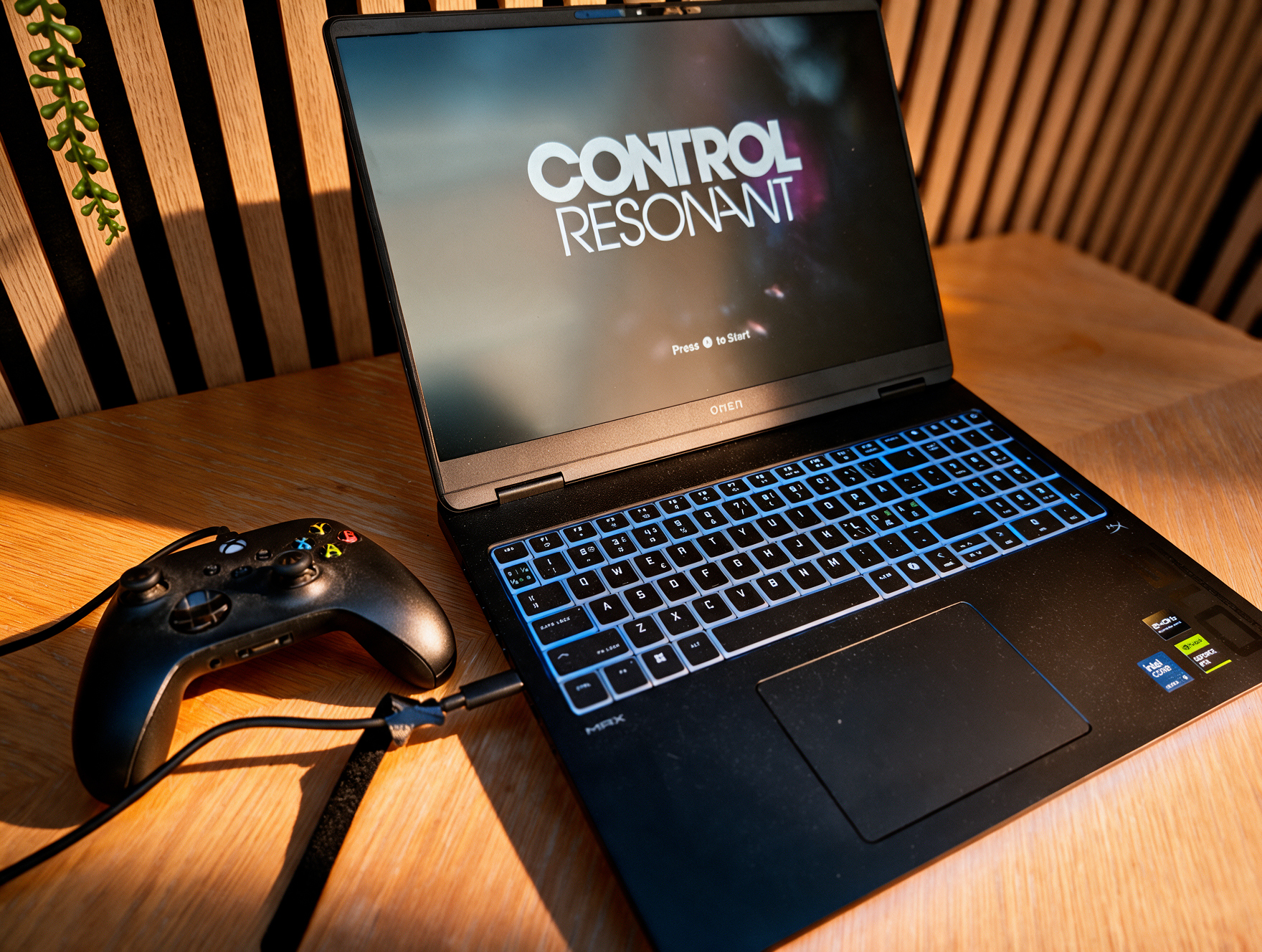
Upon opening the lid of the HP Omen Max 16, the initial visual cue is the gentle pulse of blue and purple LEDs emanating from the keyboard. This subtle yet distinct gamer aesthetic transforms a typical workspace into something more akin to a stylish nightclub. While this chromatic display might be a bit much for a formal presentation to a potential employer or a lecture hall, it’s a characteristic that can be easily managed with a simple toggle. Beyond the lighting, the Omen Max 16 quickly reveals its true strengths, offering a performance envelope that is far more persuasive than its vibrant illumination.
The Surprise of Portability: A Powerful Machine That Travels
When encountering laptops equipped with top-tier components like an RTX 5080 graphics card and a high-end Intel Core Ultra 9 processor, one often anticipates a substantial weight, akin to carrying a paving slab. However, the HP Omen Max 16 defies these expectations. It is remarkably lighter than one might assume, making it a viable companion for commutes to lectures, train journeys, or even client meetings without becoming a burden. While it may not rival the feather-light nature of less powerful ultrabooks, its weight is surprisingly close to that of a typical MacBook Pro. This portability is a crucial factor; a laptop with this level of power is only truly useful if it can be easily transported to where its capabilities are needed.
Bridging Two Worlds: The Art of the Seamless Transition
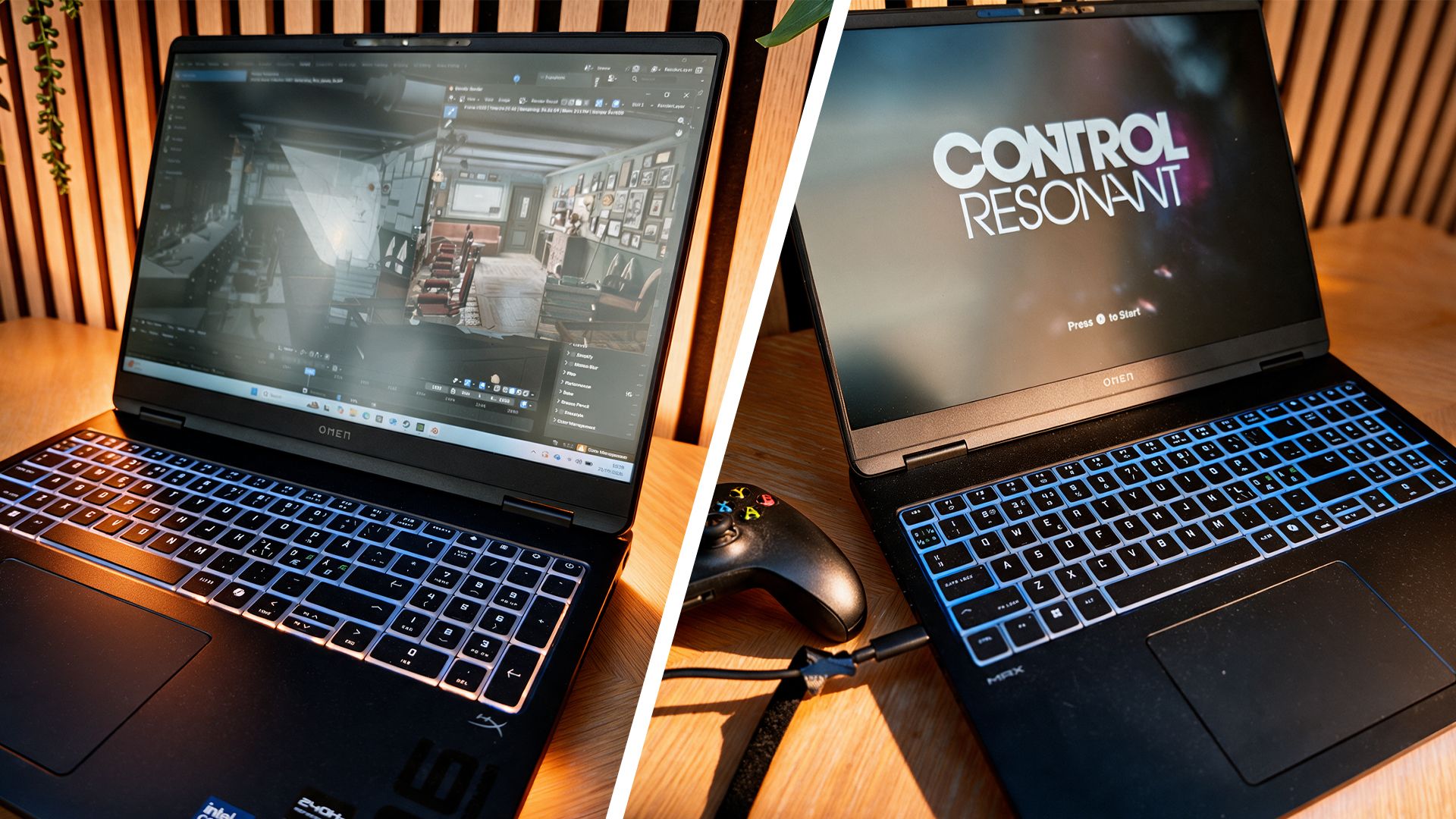
What truly distinguishes the Omen Max 16 is its ability to shed its dual-identity perception with remarkable speed. Nvidia has long strived to appeal to both gamers and content creators with its RTX technology. For gamers, this translates to advancements like DLSS (Deep Learning Super Sampling) and the potential of DLSS 5, offering enhanced frame generation and sophisticated path-traced lighting. Creators, on the other hand, benefit from CUDA and OptiX, with the RTX cores acting as the workhorses for demanding rendering tasks in applications like Cycles. While this dual-pronged approach makes for an impressive marketing pitch and has been demonstrated in various tech showcases, the practical execution of this duality as an everyday routine was not something the author initially anticipated. The ability to effortlessly switch between "Gamer Ready" and "Studio" drivers, a process requiring only a few clicks, allows the user to decisively define the GPU’s purpose for the day, rather than grappling with its multifaceted potential.
Two Worlds, One Laptop: A Harmonious Integration
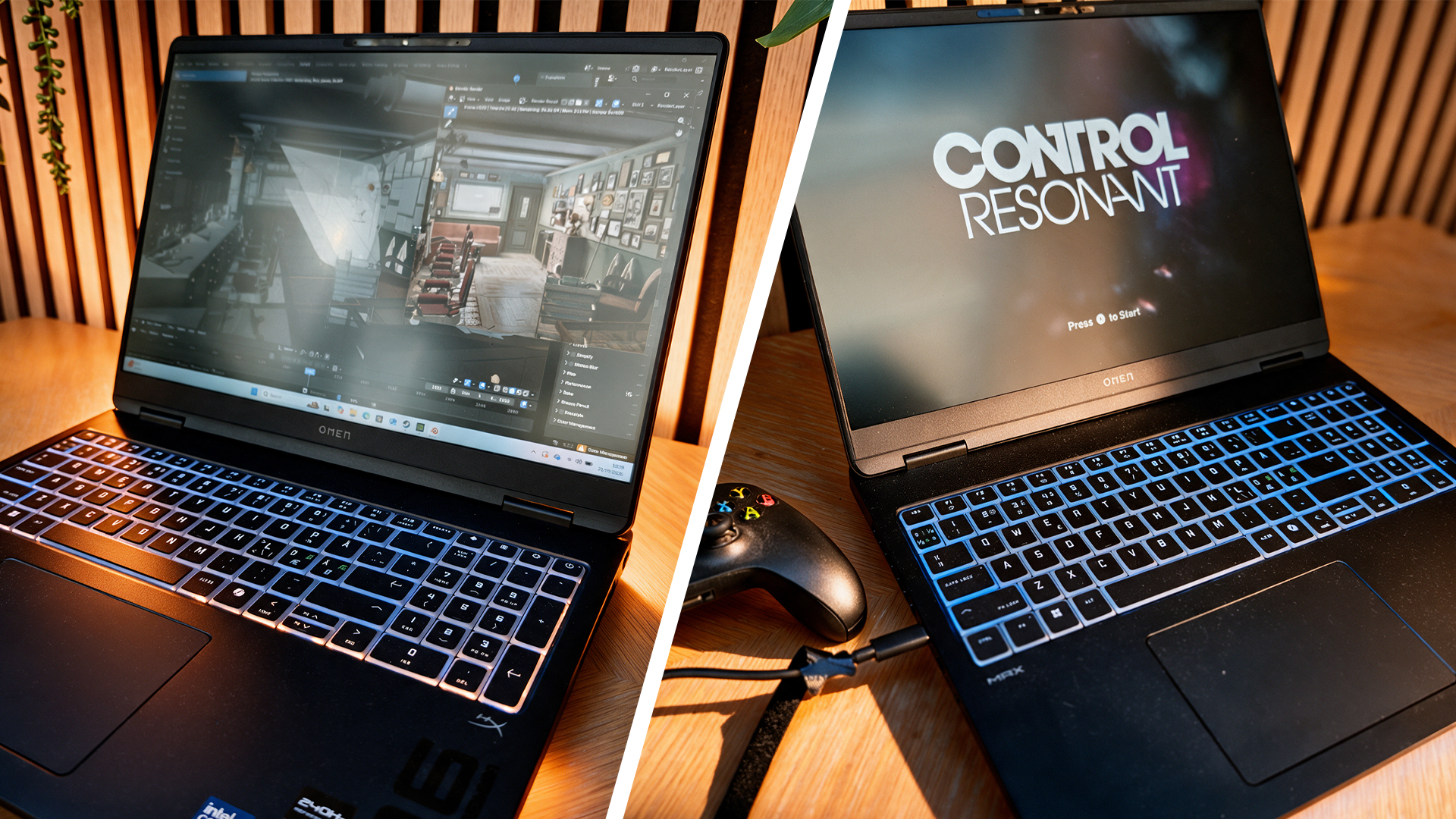
The author’s experience began with a morning immersed in Blender, a 3D creation suite. The Omen Max 16 handled this demanding application with exceptional grace. The viewport remained fluid, even when rendering complex scenes in Cycles, a task that would typically necessitate frequent breaks for coffee on less capable hardware. The generous 16GB of GDDR7 memory on the GPU ensured that the user was not constrained by concerns over texture quality or performance stalls. As evening descended, the focus shifted to gaming with an early review build of "Control Resonant." With the game’s settings maxed out, ray tracing enabled, and framerates consistently high, the laptop demonstrated its prowess in entertainment as well. The remarkable aspect is that all of this was achieved on the same machine, from the same desk, and transported in the same bag, all operating with incredible smoothness and without a hint of hassle. This seamless performance, particularly from an operating system like Windows, which the author admits to having a complex relationship with, is a significant testament to the laptop’s capabilities.
The Power of Convergence: Rethinking Back-to-School Purchases
The convergence of high-end creative capabilities and premium gaming performance is particularly noteworthy, especially during periods like back-to-school sales when consumers are often inclined to seek out more budget-friendly options. However, the Omen Max 16 presents a compelling argument for looking beyond the cheapest deals. For aspiring game artists, the distinction between a gamer and a creator often blurs; 3D artists and animators frequently indulge in gaming in their downtime. Experiencing how a shipped, ray-traced game performs on serious hardware can be an integral part of their educational journey. Having the capability to excel in both realms within a single laptop, despite minor caveats such as battery consumption and the potential for RGB lighting to be less appreciated in academic settings, and never having to compromise on performance, appears to be a clear advantage. The question then arises: why isn’t this approach more commonplace? The answer, as is often the case, lies in the price.
The Uncomfortable Truth: Price as a Barrier
Now, we arrive at the less palatable aspect: the cost. HP’s recommended retail price for this top-tier configuration – featuring a GeForce RTX 5080, Intel Core Ultra 9 275HX, 32GB of RAM, and a 1TB SSD – stands at a formidable £2,999. However, at the time of this review, retailers like Very offered the machine at a reduced price of £2,619, representing a substantial saving of £380. While this discount is certainly welcome, it still places the laptop in a price bracket that elicits hesitation. For an 18-year-old student, the ease with which loans and overdrafts can be secured can make such a significant purchase seem less daunting. Retailers often facilitate "buy now, pay later" schemes, and the fine print on such offers can be alarming. For instance, the same Very page indicates a representative APR of 44.9% if payment deadlines are missed, a rate that is indeed astonishing. The cost of this laptop can feel deceptively manageable precisely at a time when individuals are least equipped to absorb such financial commitments.
A Comparative Look: The Omen 16 vs. the Max 16
To contextualize the premium price of the Omen Max 16, it’s essential to consider HP’s more modestly specced Omen 16. This alternative, equipped with an RTX 5060, is currently available for £1,299, a significant reduction from its original £1,600 price tag. This model is undeniably a capable gaming laptop and would likely suffice for many first-year students, offering a solid entry point into high-performance computing.
However, the question remains: what does the additional £1,320 unlock? The answer lies in crucial hardware differentials. The less expensive Omen 16 features 8GB of VRAM compared to the Max 16’s 16GB. Its RAM capacity is 16GB, whereas the Max 16 boasts 32GB. The storage is also halved, with a 512GB SSD on the standard model versus the Max 16’s 1TB. Furthermore, the processor differs significantly: an eight-core Ryzen in the standard model contrasts with the 24 cores of the Intel Core Ultra 9 275HX in the Max 16. While storage and RAM can be upgraded post-purchase, VRAM capacity is immutable. This VRAM ceiling directly impacts the density of scenes that can be sculpted, the size of texture sets that can be baked, and the complexity of Unreal Engine 5 levels that can be lit before performance begins to degrade. This limitation could become a bottleneck in the final years of study, precisely when a polished showreel is most critical.
The Investment in Future Potential
The core argument for the HP Omen Max 16’s premium price point is not about immediate gratification but about future-proofing. The additional expenditure of £1,320 is essentially an investment to prevent technological limitations from hindering progress in the crucial final years of a student’s academic journey. This laptop will not magically bestow artistic talent or automate the demanding tasks of content creation. It could, however, present a temptation to indulge in another hour of Call of Duty when dedicated work on a "Call of Duty killer" project is more pressing.
It is important to acknowledge that many highly talented artists have honed their skills on hardware that would make even the RTX 5060 seem extravagant. For individuals just beginning to explore their creative and gaming interests, the sheer power of the Omen Max 16 (with its RTX 5080) might be overkill. In such cases, Nvidia laptops with lower-tier specifications can still effectively cater to both creative and gaming needs. Moreover, a candid financial assessment is paramount: if acquiring the premium Omen Max 16 necessitates relying on credit with a 44.9% APR, it is likely not a prudent financial decision. The 1TB drive, while substantial, can also fill up surprisingly quickly once demanding software like Unreal Engine 5, multiple project files, and large asset libraries are installed.
However, for those who are confident that the next four years will be dedicated to intensive work in Blender, Unreal Engine, and engaging with games that push GPU performance to its limits – games that serve as inspiration for creating their own virtual worlds – the Omen Max 16 represents a rare instance where the indulgent choice and the sensible one converge in a single device. While the author admits to a certain discomfort in how readily this argument resonates, particularly given the cost involved, and acknowledges a history of questionable student loan expenditures (such as a Neo Geo AES), there is a discernible line of common sense to be drawn. An Omen laptop, or a comparable Nvidia RTX-equipped machine, can serve as a reliable and powerful tool throughout a course of study and beyond, for individuals serious about both playing and creating games.
Supporting Data and Specifications:
- CPU: Intel Core Ultra 9 275HX
- GPU: Nvidia GeForce RTX 5080
- RAM: 32GB DDR5
- Storage: 1TB NVMe SSD
- Display: 16-inch (resolution and refresh rate would be beneficial here)
- Graphics Memory: 16GB GDDR7
- Starting Price (RRP): £2,999
- Discounted Price (at time of writing): £2,619 at Very.co.uk
Official Responses:
HP’s marketing for the Omen line consistently emphasizes its dual capability, targeting both serious gamers and demanding creative professionals. The "Gamer Ready" and "Studio" driver options are a direct response to the need for optimized performance across diverse applications. The company aims to position its high-end Omen models as versatile workstations capable of handling the most intensive tasks, from real-time rendering to AAA gaming.
Implications for Students and Professionals:
The HP Omen Max 16 represents a significant investment that could pay dividends for students and professionals in fields such as game development, 3D animation, architectural visualization, and visual effects. By consolidating the power required for both demanding creative software and high-fidelity gaming into a single, relatively portable package, it eliminates the need for separate machines. This can streamline workflows, reduce setup time, and ensure that users are not hampered by hardware limitations as their projects and skills evolve. The extended VRAM and processing power are particularly beneficial for tackling increasingly complex and graphically intensive projects, especially those utilizing cutting-edge game engines like Unreal Engine 5. However, the high cost necessitates careful financial planning and a clear understanding of one’s long-term needs. For those whose academic or professional trajectory firmly points towards resource-intensive 3D work and gaming, the Omen Max 16 could indeed be a wise, albeit expensive, investment.