From Sarajevo’s Shadows to Hollywood’s Frontier: How AI is Reshaping the Narrative of Filmmaking
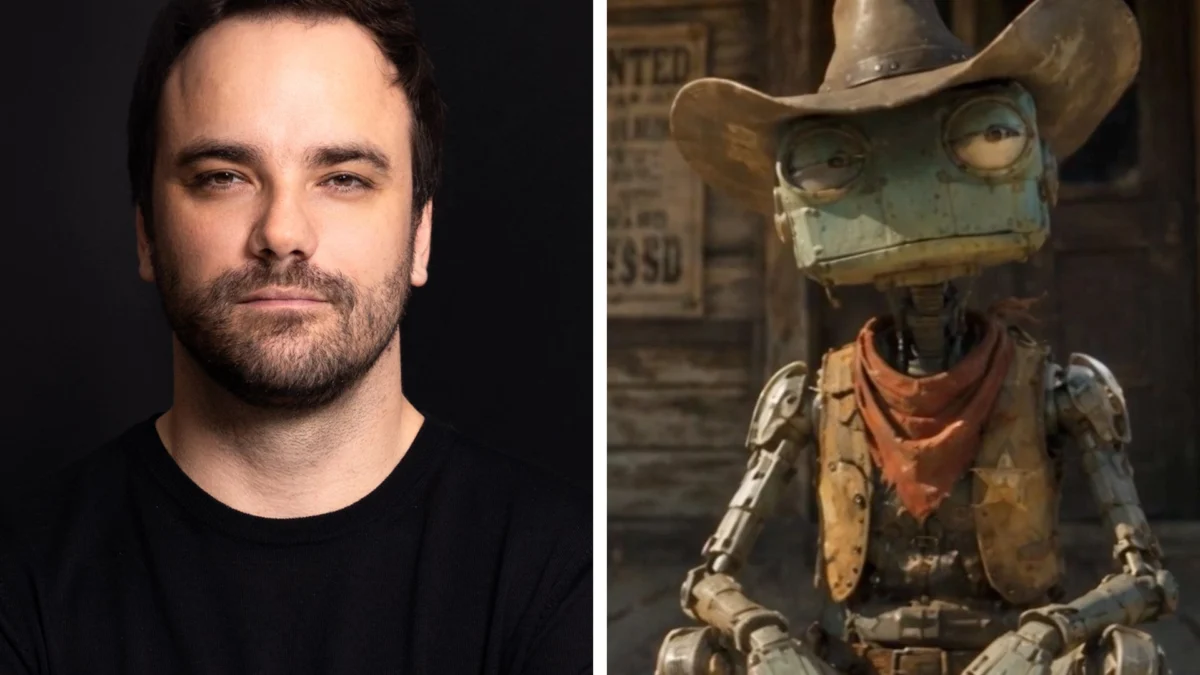
The traditional gatekeepers of storytelling are facing an unprecedented challenge. A new wave of AI-powered tools, championed by innovators like Nikola Todorovic, co-founder of Flow Studio, promises to democratize filmmaking, drastically reduce production costs, and empower a new generation of storytellers. This seismic shift, reminiscent of Hollywood’s own rebellious origins, is poised to redefine who gets to tell stories and how.
The Genesis of a Vision: A Storyteller’s Struggle for Agency
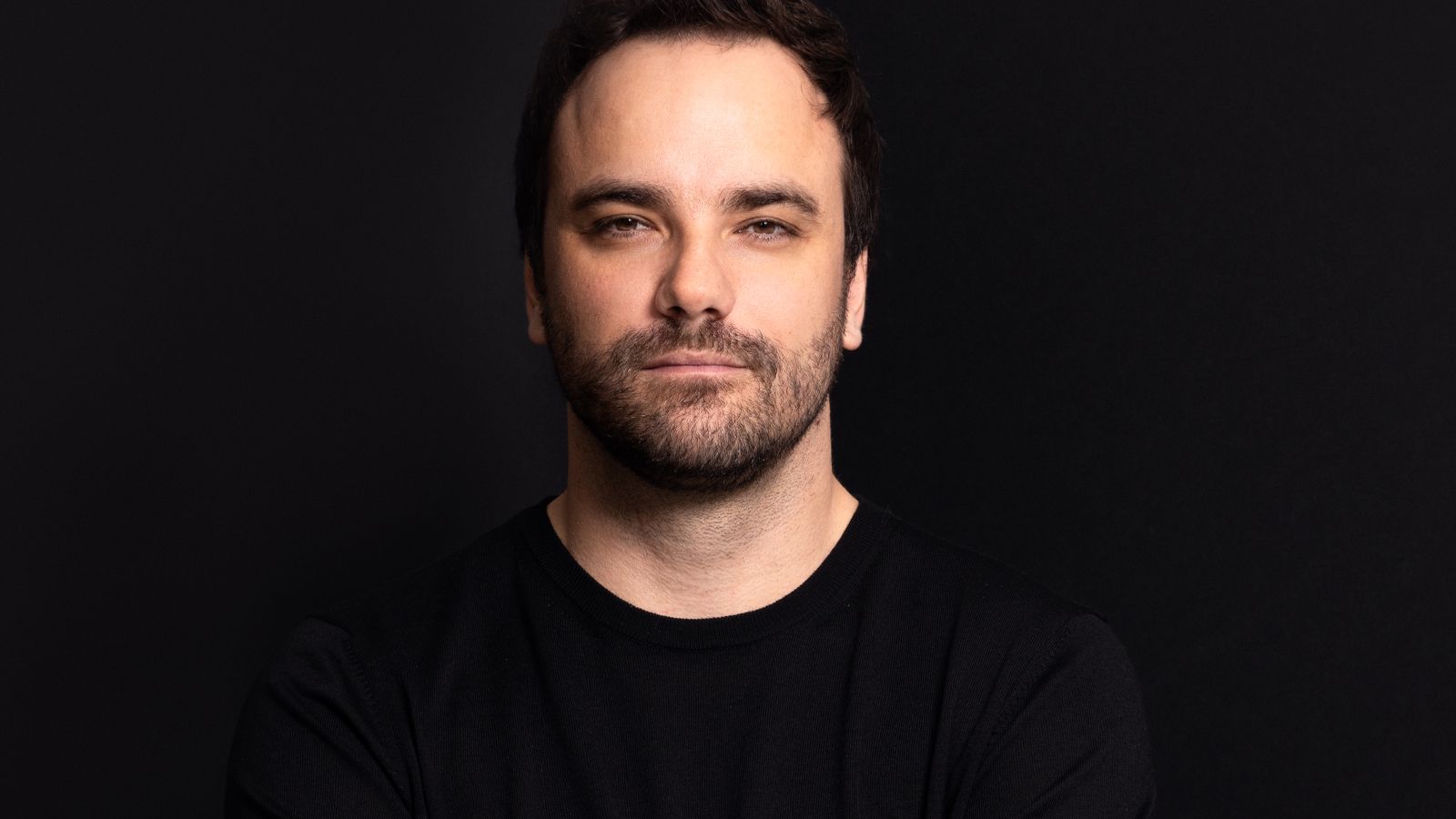
Nikola Todorovic’s journey into the world of filmmaking began not with dreams of red carpets and blockbuster deals, but in the war-torn landscape of Bosnia and Herzegovina. For him, stories were not mere entertainment; they were a lifeline, a therapeutic balm that helped him navigate a tumultuous reality. "Storytelling was an escape," he reflects, "but also something closer to therapy, a way of making sense of things he didn’t yet have words for."
His early encounters with the industry were marked by a stark realization of the barriers to entry. Meeting a producer at the age of twenty, Todorovic recalls desperately trying to absorb every nugget of wisdom, a testament to a lifetime spent without access to mentors or established pathways. This experience ignited a deep-seated frustration with a system that, in his view, too often dictated who could tell stories. The necessity of relocating to Los Angeles, navigating a labyrinth of permissions, fundraising, and approvals, struck him as an unnecessary hurdle that stifled creativity and concentrated power. "Concentrate that much control over who gets to tell stories," he argues, "and you’re not far from propaganda."
A Digital Renaissance: AI as the Great Equalizer
It is this fundamental critique of the existing power structures that fuels Todorovic’s fervent advocacy for AI in filmmaking. Partnering with Autodesk, Flow Studio is at the forefront of this revolution, and Todorovic speaks about generative AI not as a mere technological advancement, but as a force for rectifying long-standing inequities.
He frequently highlights the seemingly irrational economics of the film industry, contrasting the cost of building a hospital—around $20 million—with the potential for a film, costing ten times as much, to vanish without a trace after a single weekend. "Absolutely insane," he exclaims, viewing this disconnect as evidence of an industry detached from any reasonable cost-benefit analysis. He draws a stark parallel between the relatively modest budget of Steven Spielberg’s "E.T." ($4 million) and the exorbitant sums now routinely allocated to streaming productions, often exceeding $300 million.
Echoes of Hollywood’s Past: A History of Disruption
Todorovic draws a compelling historical parallel to understand the current AI-driven transformation. He points to the early 20th century, when Thomas Edison’s company held a virtual monopoly on filmmaking technology and distribution. Aspiring filmmakers and exhibitors, stifled by licensing fees and control, sought refuge in a distant California. "They moved there because they were like, ‘okay, I can shoot on a beach, I can shoot in the US’," Todorovic explains. "But most importantly, it took forever to come by train across the country. By the time the lawyers came to shut down the production, they were already done. And the California judges were much more lenient." This exodus, driven by a desire to escape a monopoly on storytelling, ultimately birthed the Hollywood studios.
The narrative, however, is cyclical. The independent producers who fled one monopoly eventually built their own, first dominating distribution by owning theaters, and later production as budgets ballooned. The advent of streaming services shattered the distribution monopoly, and Todorovic firmly believes that AI is now poised to break the production monopoly.
The Promise of Radical Cost Reduction: Democratizing Production
"What I think is going to happen now," Todorovic states with conviction, "we’re going to cut production costs from hundreds of millions of dollars. Honestly, we can cut it by 95, 99%." This dramatic reduction in expenditure is not just an economic advantage; it is a fundamental shift in accessibility. Tools like Flow Studio’s 3D Editor + Canvas and Maya’s MotionMaker are not merely technological innovations; they are instruments of rebellion against a system that has historically favored established players and limited the voices that can be heard.
Navigating the New Landscape: Discovery in an Age of Abundance
While the prospect of radical cost reduction is undeniably exciting, Todorovic acknowledges the complexities of the ensuing landscape. "When that happens, there’s going to be so much content that it’s going to be all about discovery," he warns. He anticipates that major studios, with their vast marketing budgets, will likely dominate this "discovery layer," drawing parallels to the music industry where the ease of digital distribution has not necessarily translated to widespread recognition for all artists. The bottleneck, he suggests, has merely shifted downstream.
The Unsung Heroes: AI and the VFX Artist’s Plight
Todorovic speaks with particular empathy for Visual Effects (VFX) artists and other "below-the-line" professionals who, he argues, have historically borne the brunt of the industry’s precarious economics. He notes the stark contrast between the potential IPO of AI companies and the lack of equivalent opportunities for those at the lower rungs of the film industry, who often face job insecurity and limited financial upside.
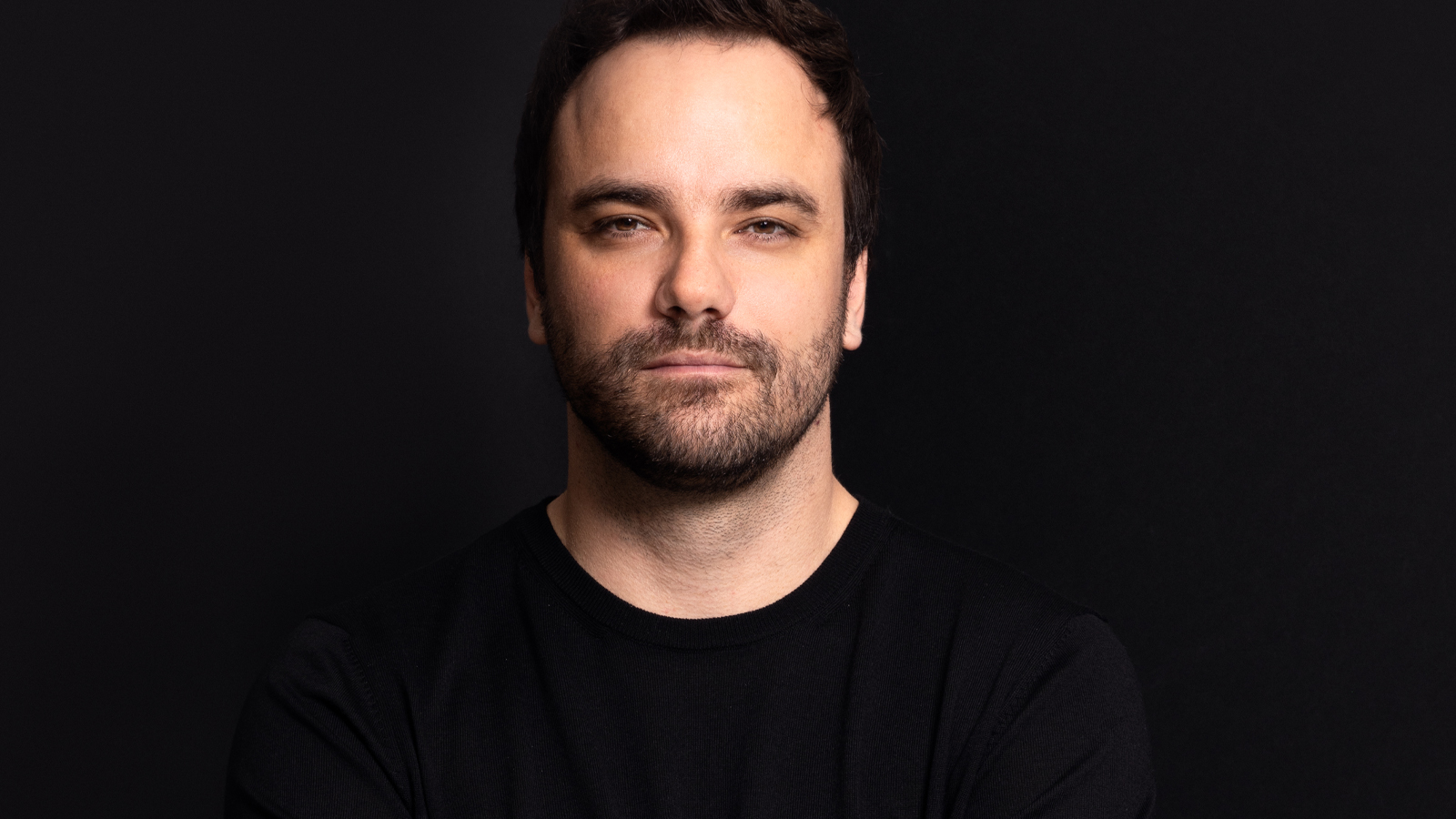
His personal experience as a former VFX artist and compositor fuels his frustration with productions that trumpet their minimal use of CGI while overlooking the months of arduous work by hundreds of artists. "To him, that’s not a badge of authenticity; instead, it’s several hundred people’s work being erased for a marketing line." He highlights the compounding challenges faced by these artists, who have already navigated the pandemic and industry strikes, and now confront the emergence of AI. While he understands the anger directed at AI, he emphasizes that the technology itself is not responsible for the industry’s pre-existing vulnerabilities.
Embracing Change: The Inevitable Evolution of Storytelling
Todorovic acknowledges that resistance to technological change is a recurring theme in the film industry. He recalls the initial skepticism towards sound, 3D animation, and even films shot on iPhones. Each innovation, he argues, has been met with apprehension before ultimately being integrated into the filmmaking process. AI filmmaking tools, he contends, are simply the latest iteration of this ongoing evolution.
The question of how long the current dynamics will persist before a new form of monopoly emerges remains unanswered. Todorovic refrains from offering precise timelines, acknowledging the inherent unpredictability of such transformative periods. However, his core belief remains unwavering: AI is opening doors for new filmmakers and, crucially, for new stories that have long been waiting to be told.
The Future is Now: A Call to Action for Aspiring Storytellers
The implications of AI in filmmaking are profound and far-reaching. By drastically lowering the barrier to entry, these tools empower individuals and small teams to bring their visions to life without the need for massive financial backing or reliance on traditional Hollywood gatekeepers. This democratization of production has the potential to foster a more diverse and vibrant cinematic landscape, reflecting a wider array of voices, experiences, and perspectives.
As the industry grapples with this paradigm shift, the focus is likely to move from the immense cost of production to the challenge of discovery. Studios may leverage their marketing prowess to navigate this new reality, but the fundamental power to create will be more widely distributed than ever before.
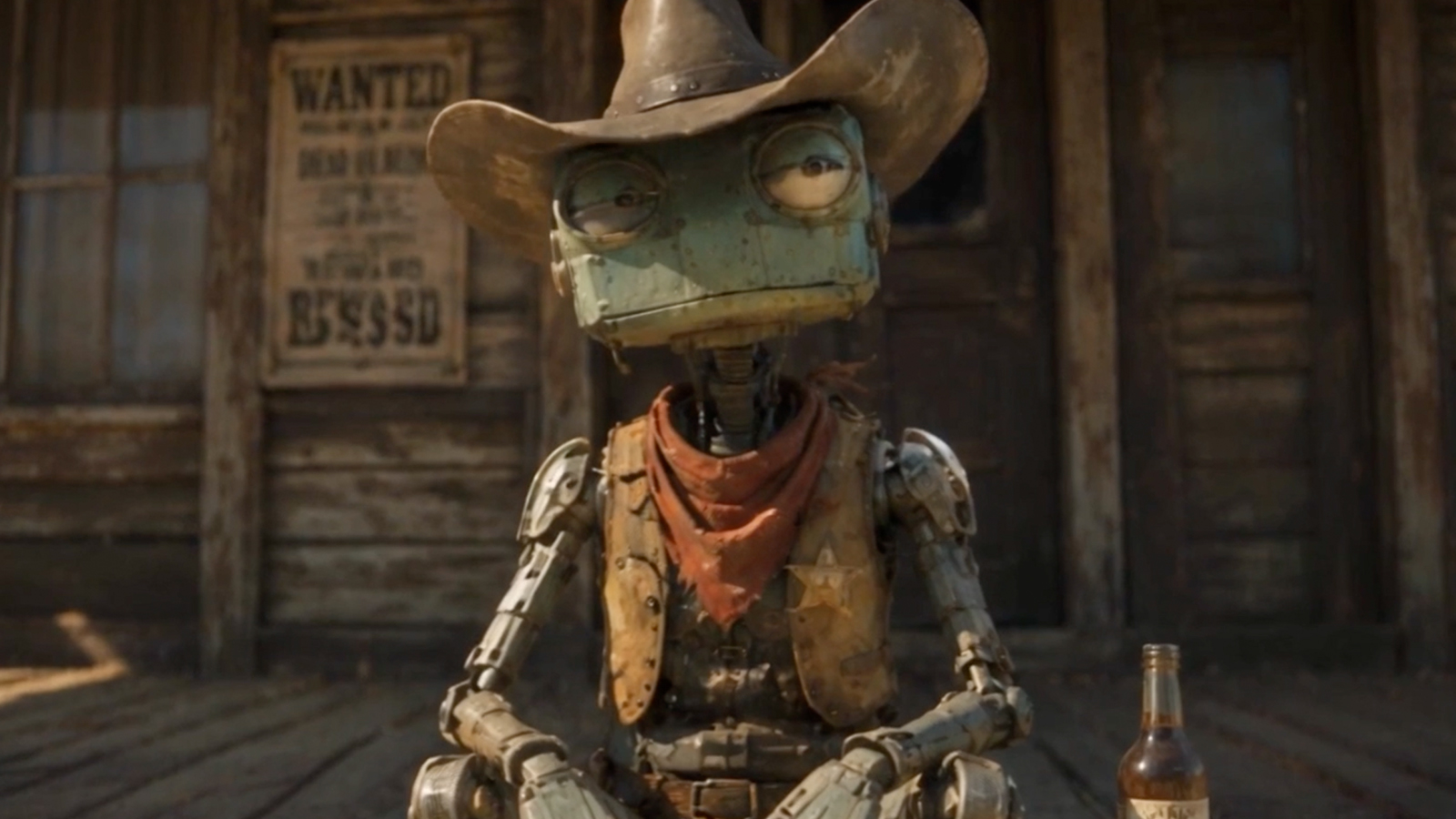
For aspiring filmmakers, this is not a moment to fear the unknown, but to embrace the possibilities. The tools are becoming more accessible, the costs are plummeting, and the narrative control is shifting. The story of filmmaking is being rewritten, and the ink is now in the hands of a new generation of storytellers, empowered by the transformative potential of artificial intelligence.
Discover more about the revolutionary tools shaping the future of filmmaking by exploring the resources available on the Autodesk blog, including insights into Flow Studio.