Hyrule Reimagined: The Legend of Zelda: Ocarina of Time Remake Dominates Switch 2 Reviews, Garnering Near-Universal Acclaim
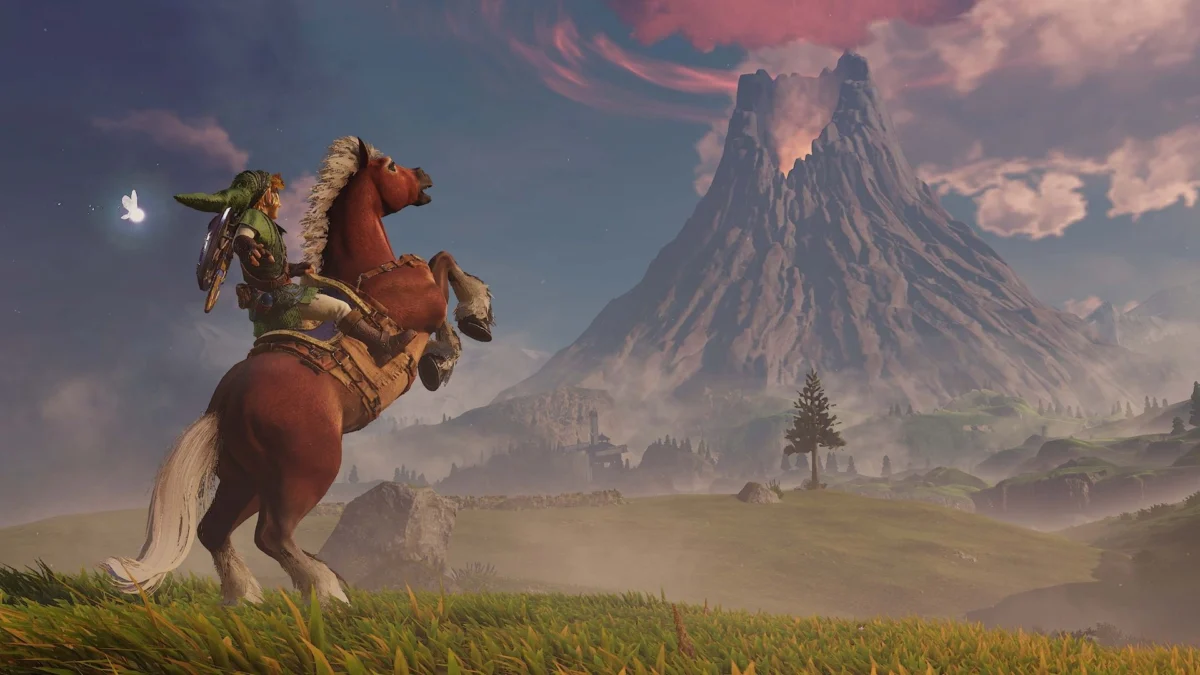
A timeless masterpiece reborn, Nintendo’s latest venture into the revered Ocarina of Time for the Switch 2 console has captivated critics, with early reviews painting a picture of near-perfect reverence for a game already etched in gaming history. The highly anticipated remake, set to launch on November 5th, is lauded for its stunning visual overhaul, re-orchestrated score, and modernized gameplay, all while retaining the magic that made the 1998 Nintendo 64 original a landmark achievement.
The digital landscape is abuzz with anticipation and, now, overwhelming praise for the latest iteration of The Legend of Zelda: Ocarina of Time. Early reviews are flooding in, and the consensus is clear: Nintendo has not only honored its legendary 1998 title but has elevated it for a new generation of players and a nostalgic return for seasoned adventurers. Sitting at an astounding 96 on Metacritic, the remake has secured a treasure trove of perfect scores, with critics finding precious little to fault in this ambitious reimagining. This near-universal acclaim is a testament to the enduring power of Ocarina of Time and Nintendo’s meticulous approach to its beloved franchises.
A Symphony of Praise: Critics Hail the Ocarina of Time Remake
The critical reception for the Ocarina of Time remake has been nothing short of spectacular, with many publications awarding it the highest possible marks. This widespread adoration underscores the game’s status as not just a beloved classic, but a title that continues to resonate deeply with players.
GamesRadar+ has bestowed a perfect five-star rating, declaring it "a remake for the ages." Reviewer Anna Koselke effusively praises Nintendo’s ability to breathe new life into Hyrule without sacrificing the original’s intrinsic charm. Koselke highlights the "stunning visuals" that render the familiar world with breathtaking detail and the newly voiced dialogue, which adds a new layer of emotional depth to the narrative. The reimagined soundtrack, she notes, is a particular triumph, evoking powerful memories while simultaneously feeling fresh and contemporary.
Echoing this sentiment, TechRadar also awarded a full five stars, describing the remake as "a thoroughly well-thought-out retelling of one of the most loved video games of all time." Reviewer Josephine Watson commends the meticulous redesign of familiar locations, enemies, and puzzles, noting how each element has been enhanced without losing its core identity. The refreshed soundtrack is again singled out for its masterful reinterpretation. However, TechRadar offers a slight caveat, suggesting that while the remake is exceptional, it could have perhaps pushed the boundaries even further in its ambition. A minor concern also raised is that some of the original game’s challenging difficulty may have been softened through the modernization process, a point that resonates with some long-time fans seeking a familiar level of challenge.
Game Informer has weighed in with a strong 9.25 out of 10, labeling the remake as "a straightforward recreation. But an admittedly very good one." Reviewer Kyle Hilliard appreciates the visual upgrade and the significantly improved camera mechanics, which address some of the original’s spatial frustrations. However, Hilliard observes that Nintendo has perhaps played it a touch too safe with the overall transformation. While the game undoubtedly looks and feels modern, he suggests it might not offer the sensation of an entirely new adventure for those intimately familiar with the N64 original. This perspective highlights a common debate in remake culture: the delicate balance between fidelity and innovation.
The enthusiasm reaches a crescendo with Shacknews, which delivers a perfect 10/10, heralding the remake as "a tour de force that redefines what remakes can be." Their review emphasizes how Nintendo has managed to make even the most ingrained mechanics feel revitalized. The reworked combat system is noted for its improved responsiveness, and the redesigned dungeons are praised for offering fresh perspectives on classic layouts. A particularly insightful observation from Shacknews is the expanded role of Navi, the iconic fairy companion. No longer just a source of occasional, albeit sometimes annoying, guidance, Navi is presented as a more integral and supportive character, enriching the player’s connection to Link’s journey.
Further solidifying the remake’s critical success, Destructoid also awards a flawless 10/10, proclaiming it "one of the best examples of how to properly reimagine an enduring masterpiece." The review lauds the enhanced visuals, the smooth 60fps performance that brings Hyrule to life with unprecedented fluidity, and the vastly improved control scheme. Similar to TechRadar, Destructoid acknowledges that some players might find the remake slightly less challenging than its predecessor, a trade-off for enhanced accessibility.
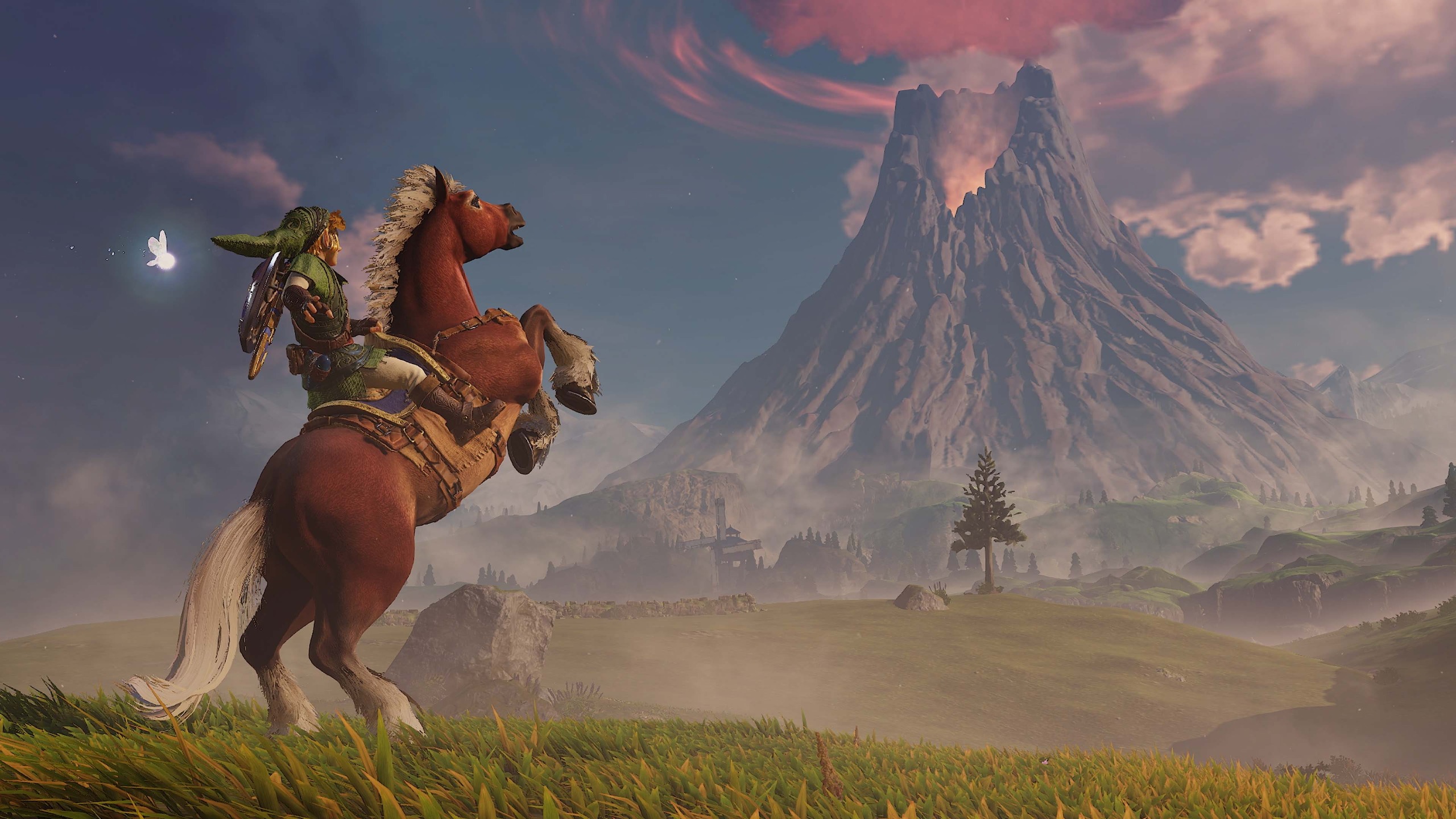
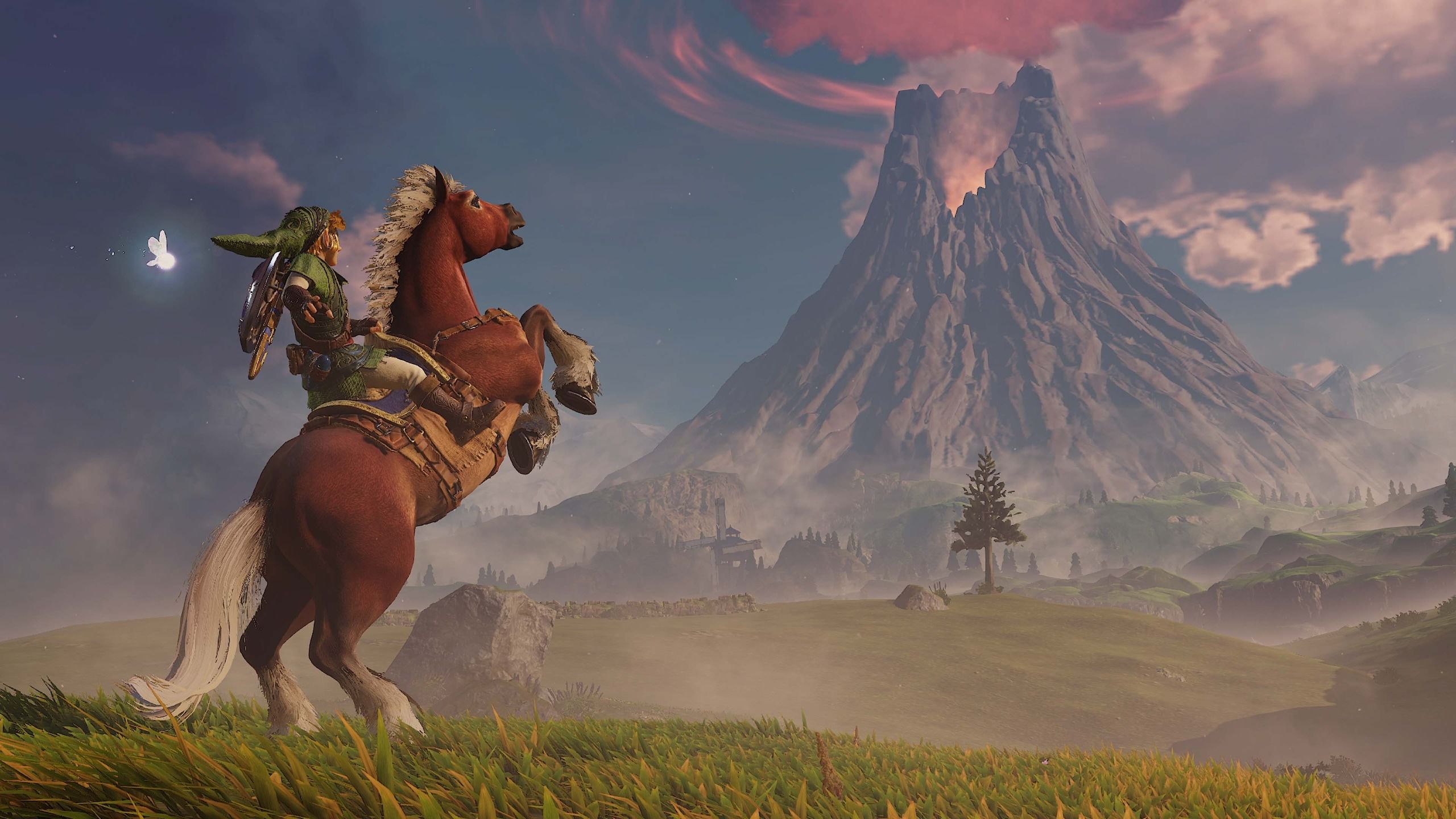
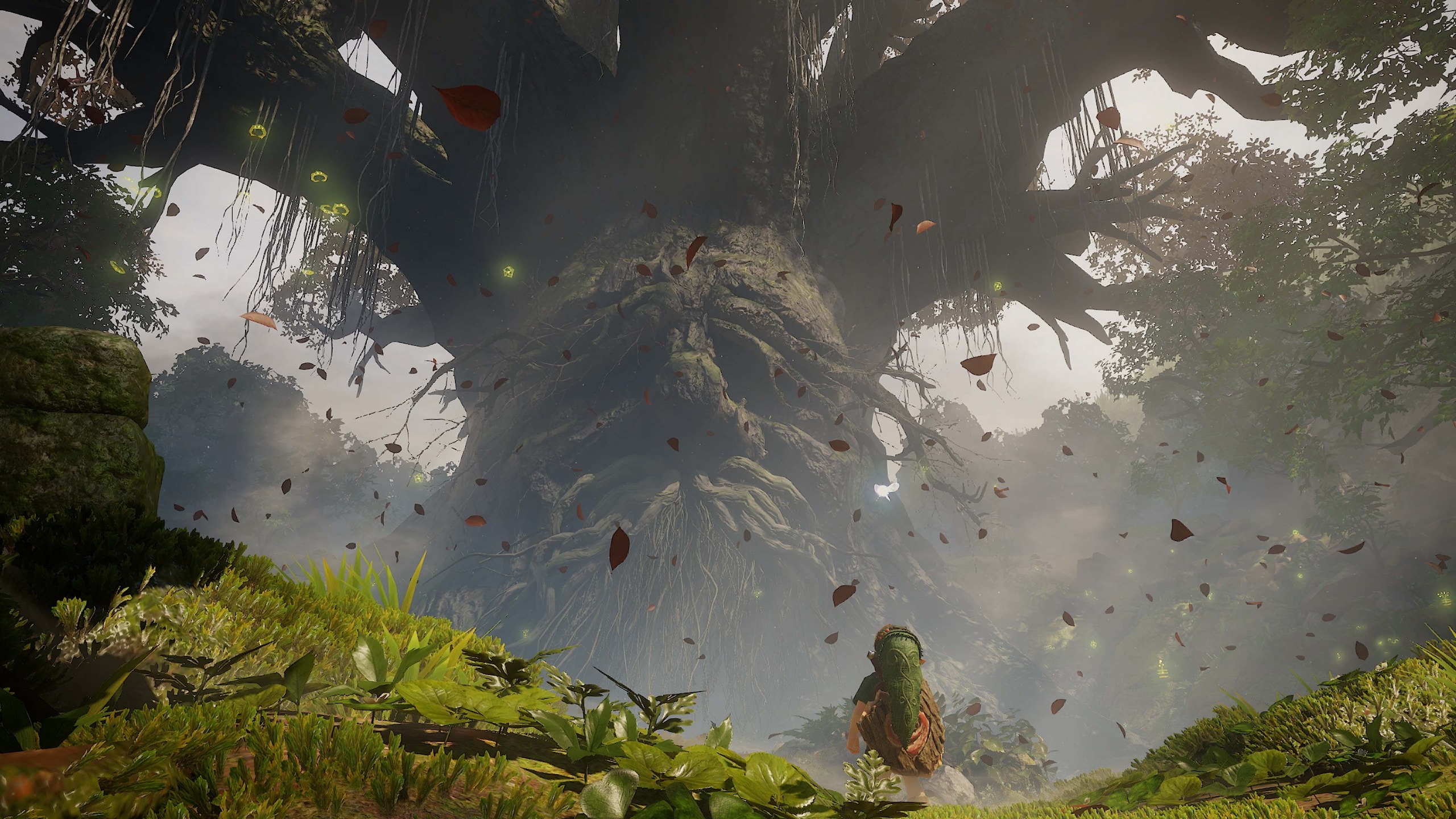
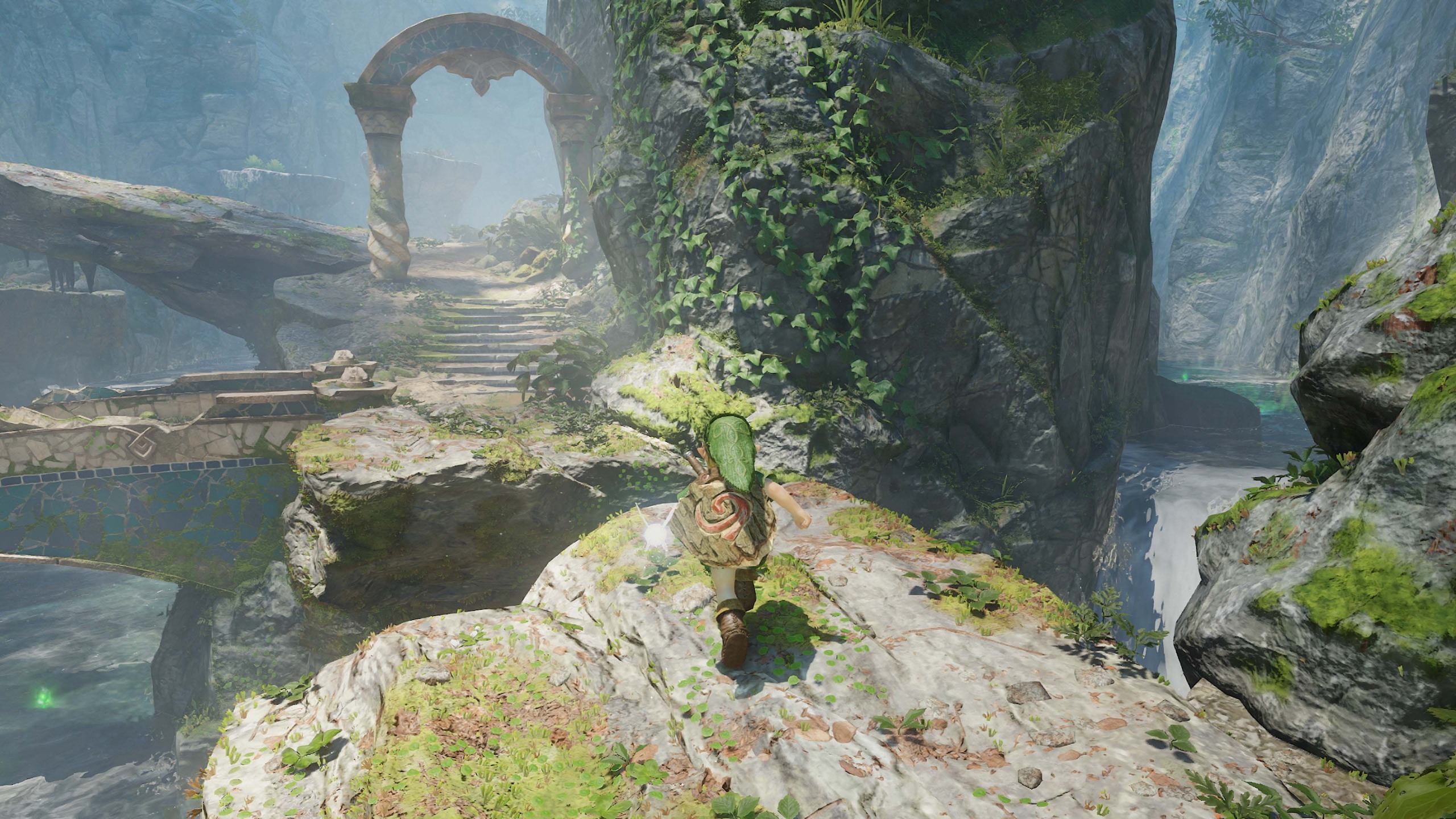
Even The Guardian‘s esteemed critic, Keza MacDonald, is captivated, awarding the game five stars and describing the remake as "a dream come true." MacDonald offers a unique perspective on the new art direction, likening the meticulously crafted Hyrule to opulent theatre scenery and Link himself to a handcrafted doll, with his equipment appearing as larger-than-life props. This stylistic choice, she argues, moves beyond mere photorealism and beautifully complements the inherent fairytale essence of the original narrative.
A Familiar Journey, Elevated: The Enhancements Bringing Ocarina of Time to the Switch 2
The Legend of Zelda: Ocarina of Time remake, launching on November 5th, is far more than a superficial polish. Nintendo has undertaken a comprehensive revitalization, breathing new life into every facet of this seminal adventure. Hyrule has been meticulously rebuilt, not just with a striking new visual style that remains tonally faithful to the original, but also with a re-orchestrated soundtrack that swells with emotion and nostalgia. The game’s notoriously clunky controls have been refined, offering a smoother and more intuitive experience for modern gamers.
Key among these improvements are the introduction of free jumping, allowing for greater player agency in traversal, and a modern camera system that significantly enhances situational awareness and combat precision. The once text-based dialogue has been fully voiced, adding a new dimension of character and immersion. Furthermore, dungeons have been reimagined with updated layouts and puzzles, while character interactions have been expanded, offering deeper insights into the inhabitants of Hyrule and their plight. These substantial overhauls ensure that while the core adventure remains reassuringly familiar to those who grew up with the classic, it also feels fresh and engaging for a new generation.
Chronological Evolution: From N64 Icon to Switch 2 Masterpiece
The journey of The Legend of Zelda: Ocarina of Time from its groundbreaking 1998 release on the Nintendo 64 to its 2026 reimagining on the Switch 2 is a testament to its timeless design and Nintendo’s dedication to its most cherished IPs. The original Ocarina of Time was a revolutionary title, setting new benchmarks for 3D adventure games. Its innovative lock-on targeting system, vast interconnected world, and compelling narrative laid the groundwork for countless games that followed.
The initial release on the Nintendo 64 was a critical and commercial success, widely regarded as one of the greatest video games ever made. Its impact on the gaming industry is immeasurable, influencing game design principles for decades. Over the years, it has seen ports and remasters on various platforms, including the GameCube and the 3DS, each iteration refining the experience for contemporary hardware.
The decision to bring Ocarina of Time to the Switch 2 represents a significant leap, leveraging the console’s advanced capabilities to deliver a visual and auditory experience that was unimaginable in 1998. This remake isn’t just a port; it’s a full-fledged reconstruction, meticulously crafted to honor the past while embracing the future of gaming technology. The inclusion of features like free jumping and fully voiced cutscenes are direct responses to evolving player expectations and the advancements in game development.
Supporting Data: Metacritic Score and Developer Insights
The critical consensus is powerfully quantified by the remake’s stellar 96 Metacritic score, a figure that places it among the highest-rated games of all time. This aggregate score, compiled from dozens of professional reviews, speaks volumes about the remake’s quality and widespread appeal. While specific developer quotes directly addressing the remake’s design philosophy are not detailed in the provided text, Nintendo’s consistent track record with beloved franchises suggests a deliberate and passionate approach. Their history of successful remakes, such as the recent Star Fox remake, indicates a commitment to preserving the essence of their classic titles while integrating modern gameplay elements. The careful balance struck between nostalgia and innovation is clearly a core tenet of their remake strategy.
Implications: Redefining the Remake Landscape and Securing Nintendo’s Legacy
The success of The Legend of Zelda: Ocarina of Time remake on the Switch 2 carries significant implications for both Nintendo and the broader gaming industry. For Nintendo, it reaffirms their position as masters of their own IPs, capable of not only preserving but enhancing their most iconic franchises for new audiences. The remake serves as a powerful draw for the Switch 2, showcasing the console’s potential to deliver high-fidelity experiences that blend nostalgia with cutting-edge technology.
Moreover, this release sets a new benchmark for what constitutes a successful video game remake. By prioritizing faithful adaptation with thoughtful modernizations, Nintendo has demonstrated a blueprint for developers looking to revisit classic titles. The emphasis on retaining the original’s core magic while improving accessibility and presentation offers a compelling model that avoids the pitfalls of either excessive reverence or unnecessary reinvention.
The remake’s reception also highlights the enduring appeal of the Zelda franchise and its ability to transcend generations. For players who grew up with the original, it’s a powerful trip down memory lane. For newcomers, it’s an introduction to a foundational piece of gaming history, presented in a way that is both accessible and awe-inspiring. This successful bridging of generational gaps is crucial for the continued longevity of the Zelda series and Nintendo’s legacy.
The remake’s minor criticisms, such as the potential loss of some difficulty and the absence of a "Master Quest" mode in some early reports, are themselves telling. They suggest that even in near-perfection, there’s always room for deeper engagement for the most dedicated players. However, these points are largely overshadowed by the overwhelming praise for the game’s core experience.
In conclusion, The Legend of Zelda: Ocarina of Time remake on the Switch 2 is poised to be a landmark release. It is a masterclass in how to honor a beloved classic while simultaneously crafting an experience that is relevant, engaging, and breathtakingly beautiful for the modern gaming era. The near-universal acclaim from critics underscores its profound impact, solidifying its place not just as a successful remake, but as a new chapter in the legend of Hyrule.