Id Software Devs Speak Out Amidst Devastating Layoffs: "It’s Impossible to Make a AAA Game with Half the People"
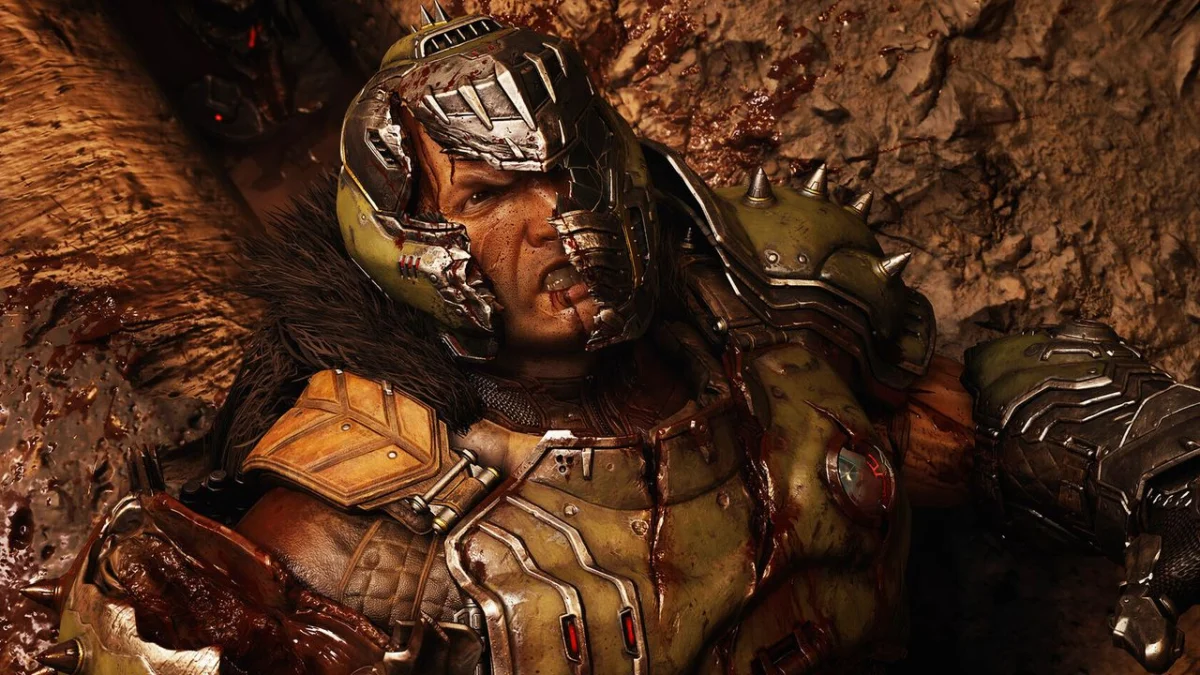
Microsoft’s recent wave of job cuts has struck a significant blow to id Software, the legendary studio behind the Doom and Quake franchises. While official statements aim to reassure fans, an internal perspective paints a grim picture of morale and the future of AAA game development at the company.
The gaming industry has been rocked by a series of substantial layoffs across major publishers, and Xbox’s recent restructuring has not been an exception. Among the hardest hit is id Software, the iconic developer responsible for groundbreaking titles that have shaped the first-person shooter genre for decades. Reports indicate that a staggering 136 roles were eliminated from the studio, a number that has sent shockwaves through the community and left many questioning the future of this beloved institution.
Official pronouncements from both Microsoft and id Software have attempted to quell anxieties, asserting that the studio retains the necessary talent and resources to continue producing the high-caliber games and technology for which it is renowned. However, the sincerity and accuracy of these reassurances are being met with considerable skepticism, particularly in light of candid statements from within the studio that paint a starkly different reality.
The Human Cost of Restructuring
The emotional and professional toll of such extensive layoffs is immeasurable. For the individuals affected, it represents not just a loss of employment but the severing of professional bonds and the disruption of careers built over years, often decades. For those who remain, the experience is deeply demoralizing, casting a long shadow of uncertainty over their own futures and the studio’s trajectory.
Chris Hays, a lead services programmer at id Software, has offered a searingly honest account of the impact these layoffs have had. In an interview with the YouTube channel "Auf ein Bier," conducted shortly after the devastating news, Hays did not pull his punches, articulating the profound shock and disillusionment felt by many within the studio. The timing of the announcement, occurring just one day before the release of a highly anticipated DLC for Doom: The Dark Ages, only amplified the sense of betrayal and distress.
"Everyone had just gotten off of a worse-than-usual crunch to get the DLC out the door, finally get a breather, and we were excited for our launch on the Tuesday," Hays recounted, his voice conveying a palpable sense of injustice. "Instead of watching in anticipation for people, streamers, and seeing all the hard work they put in finally pay off? Now they don’t know what they’re doing."
This sentiment underscores a critical point: the layoffs were not a gradual reduction or a strategic pivot, but a sudden and brutal event that shattered the morale of a team that had just pushed themselves to the brink for a major release. The immediate aftermath was not one of celebration, but of confusion and heartbreak.
Internal Discord and a Crisis of Confidence
Hays’s description of the atmosphere within id Software is particularly damning. He characterized the experience as "inhumane" and "demoralizing," stating unequivocally that "morale has never been lower." This sentiment is exacerbated by a perceived lack of clear communication and strategic direction from Microsoft.
"There’s been plenty of things said internally that mimics the same things that we’ve all seen as public statements by the company," Hays explained. "But how that actually results in making games? That’s not clear. I don’t know. I don’t know where this goes."
The core of the issue, as Hays sees it, lies in the fundamental impossibility of maintaining AAA game development standards with a significantly reduced workforce. "It is hard to make a game that is AAA, that is like we’ve done before, with half the people. And by hard, I mean impossible," he stated with grim certainty.
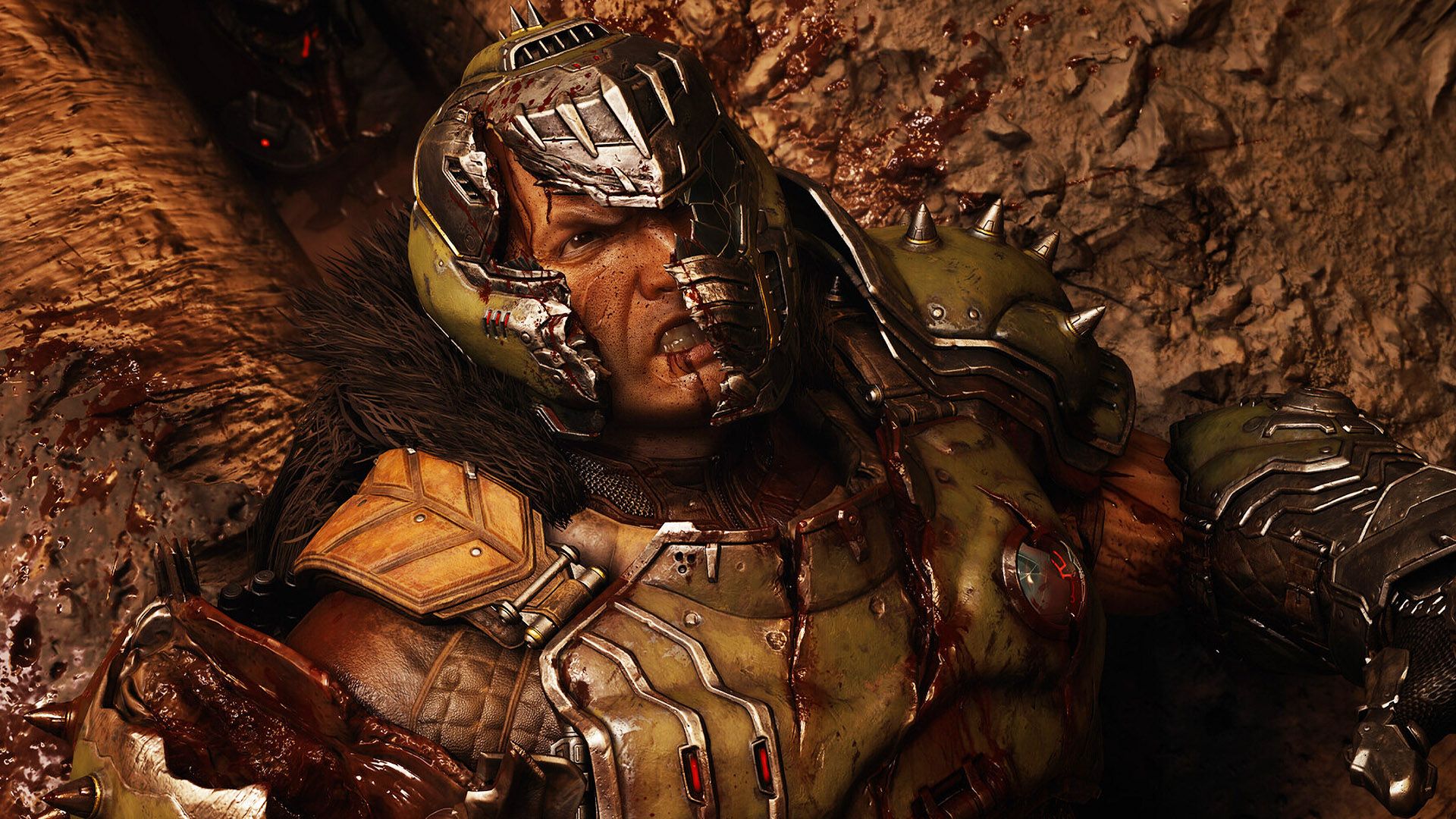
The removal of entire departments and specialized disciplines creates critical gaps that are not easily filled. "It’s hard to make a game when there are entire departments gutted that you need, entire disciplines that are gone," Hays elaborated. "So if they’ve got some kind of new plan for how this is going to work, that hasn’t been told [to us]. We don’t know what that is."
The Illusion of Continuity: "We’re Not the Same id"
Microsoft’s public relations efforts have emphasized that id Software remains "the same id," striving to maintain the perception of continuity and stability. However, Hays directly refutes this narrative, highlighting the irreplaceable human element that defines the studio’s success.
"First of all, we’re not the same id. We’re half the same id," he declared. "It was the people—what made us special was the people and the relationships that we have. It’s not the IP, our name doesn’t matter. It was the relationships we built and the experience that we had together."
This perspective suggests that the true value of id Software lies not merely in its established franchises, but in the collective expertise, collaborative spirit, and deep-seated experience of its employees. The loss of over a hundred individuals inevitably erodes this invaluable institutional knowledge and creative synergy.
Hays posits that Microsoft’s damage control is primarily aimed at preventing further talent drain. By attempting to project an image of stability, the company hopes to dissuade remaining employees from seeking opportunities elsewhere and to mitigate the reputational damage that could hinder future recruitment efforts.
A Damaged Reputation and a Bleak Recruitment Outlook
According to Hays, Microsoft’s actions have irrevocably damaged its reputation within the gaming industry. The promise of "hiring to retire," once a cornerstone of employment security at id Software, has been shattered. This breach of trust extends beyond the immediate impact of the layoffs, creating a lasting skepticism towards any assurances offered by studio management, who are perceived as having little autonomy in decision-making.
"They have burned a lot of bridges—it’s not just us," Hays lamented. "Originally, we were told, ‘we hire to retire.’ We were ready to be there until we retired, and no-one believes that anymore. Even the best management at the studio level won’t matter if they just decide one year they would get a 0.1% stock increase if they shut down the studio."
The deep-seated mistrust extends to the parent company itself. "I think as long as we’re under Microsoft, no-one will believe anything," Hays stated. "No-one is going to believe studio management giving assurances on things, because they know they’re not making the shots. They’re not gonna trust Microsoft ever, so by proxy, they can’t trust studio management."
This erosion of trust has profound implications for id Software’s ability to attract and retain top talent in the future. The studio’s reputation as a desirable place to work has been significantly tarnished, making it a far more challenging prospect to recruit skilled professionals who may now view a career at Microsoft-owned studios as inherently precarious.
Unanswered Questions and Strategic Blind Spots
The rationale behind the specific roles eliminated also raises serious concerns. Hays pointed out the perplexing nature of cutting critical functions, leaving a void in essential areas of development.
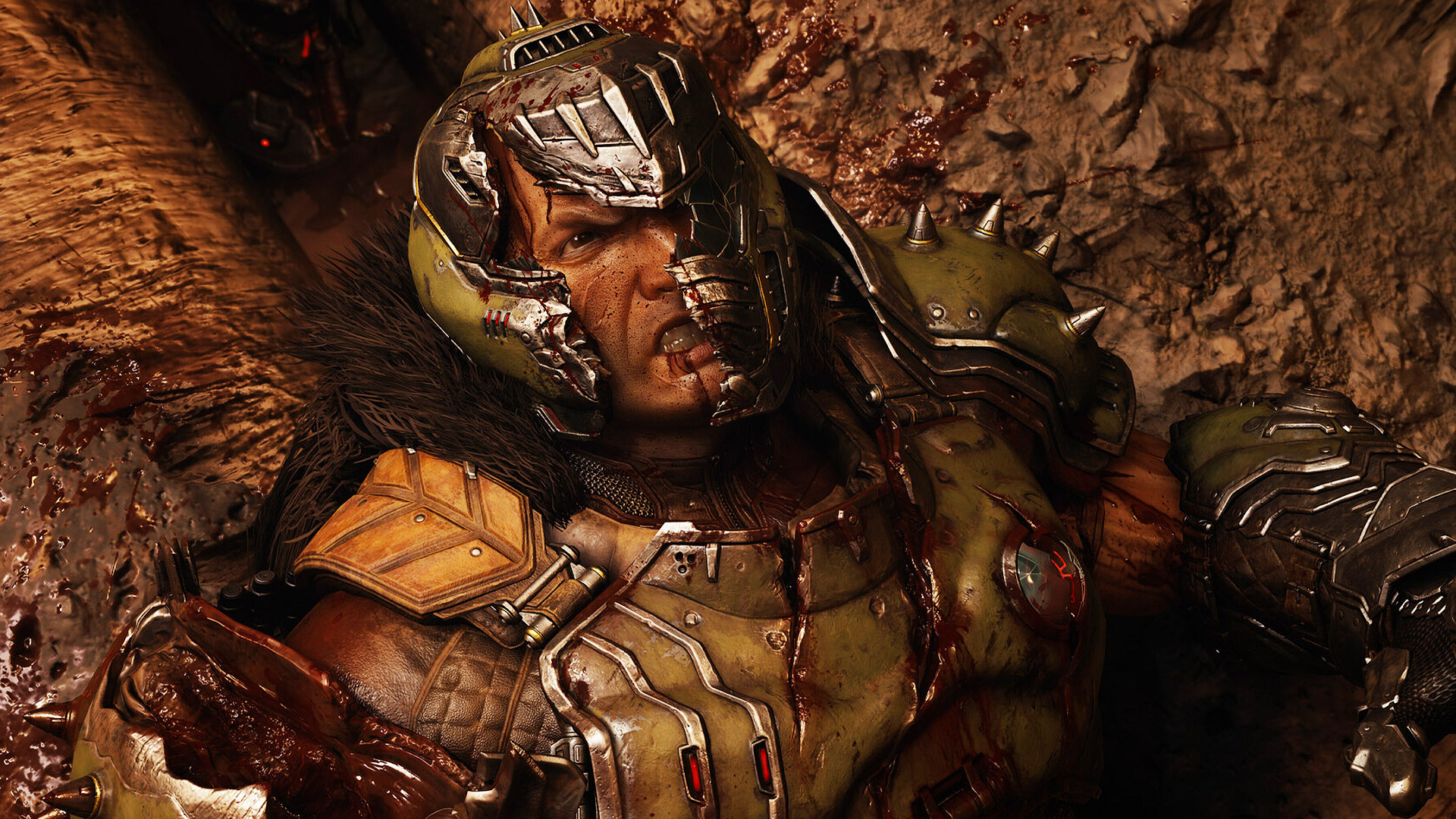
"A lot of the cuts are hard to understand—to be clear, you can’t cut 50% of a AAA studio in ANY way, and have it make sense," he asserted. "I don’t know how that works. There are certain pieces where it’s like, ‘who will do that work now?’"
He posed a series of rhetorical questions that highlight the practical consequences of these reductions: "Who’s going to make our skyboxes when we get rid of our skybox artist? How are we going to maintain our infrastructure when we get rid of an infrastructure team? How will we maintain an engine when so much of the engine team was let go?"
These questions underscore a fundamental disconnect between the strategic decisions being made and the realities of game development. The cuts appear to have been made without sufficient foresight or a clear understanding of the interdependencies within a AAA development studio.
"These decisions were not made with foresight," Hays concluded, his assessment sharp and critical. "They were not made with the idea of a healthy games studio continuing forward. They fundamentally don’t understand art. They don’t understand art, they don’t understand games, they don’t understand that business model."
A Pattern of Questionable Decisions
The situation at id Software is not an isolated incident. Microsoft’s recent history with its gaming acquisitions is replete with decisions that have baffled industry observers and drawn criticism from developers and fans alike. The closure of Tango Gameworks, the studio behind the critically acclaimed Hi-Fi Rush, shortly after its release, stands as a particularly egregious example. This move, alongside the premature cancellation of Project Blackbird despite positive early reception, and the continued struggles and layoffs at Zenimax studios even as The Elder Scrolls Online finds renewed success, paints a concerning picture.
Furthermore, the layoff of a senior concept artist at Bethesda, responsible for iconic character designs in Skyrim and a long-standing employee of 27 years, exemplifies the indiscriminate nature of these cuts, impacting individuals with deep institutional knowledge and significant contributions to beloved franchises.
These decisions collectively suggest a corporate strategy that prioritizes short-term financial metrics over long-term creative investment and studio health. Hays’s own speculation about Microsoft’s fiscal year planning hints at this, suggesting a focus on immediate financial gains rather than sustainable growth.
"Part of me thinks that they’re looking at fiscal year 2027, and they see that we don’t make money in 2027 because we released a game already," he mused. "It’s hard to know, since they don’t tell us anything, but it’s clear that the way they do accounting—the way they align their spreadsheets for their financial reports—is not the way we used to do it."
The internal perspective from id Software paints a grim reality of massive layoffs, shattered morale, and a profound loss of faith in Microsoft’s leadership and strategic vision for its game development studios. The future of AAA game development at id Software, and potentially other Microsoft-owned studios, hangs precariously in the balance, overshadowed by a series of decisions that appear to prioritize fiscal expediency over the enduring creative spirit that defines the industry.