India’s Monsoon Revival: A Crucial Respite Amidst Lingering Drought Concerns
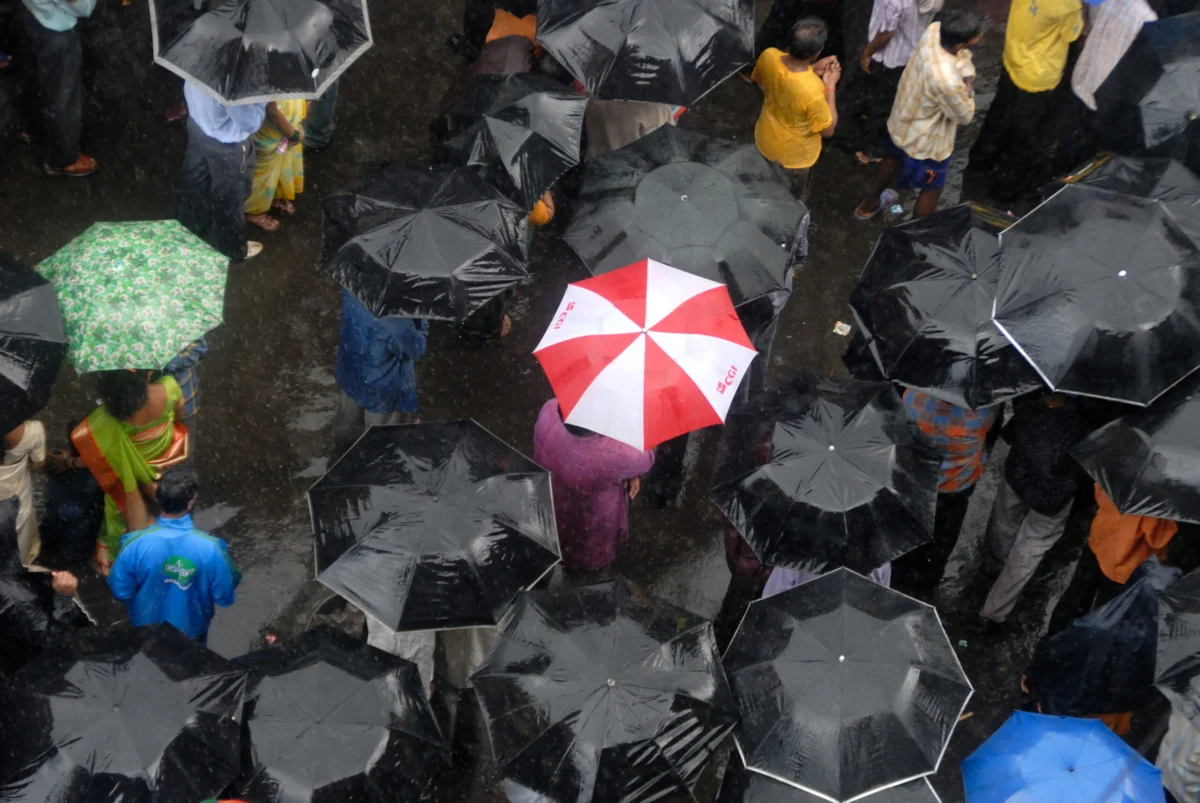
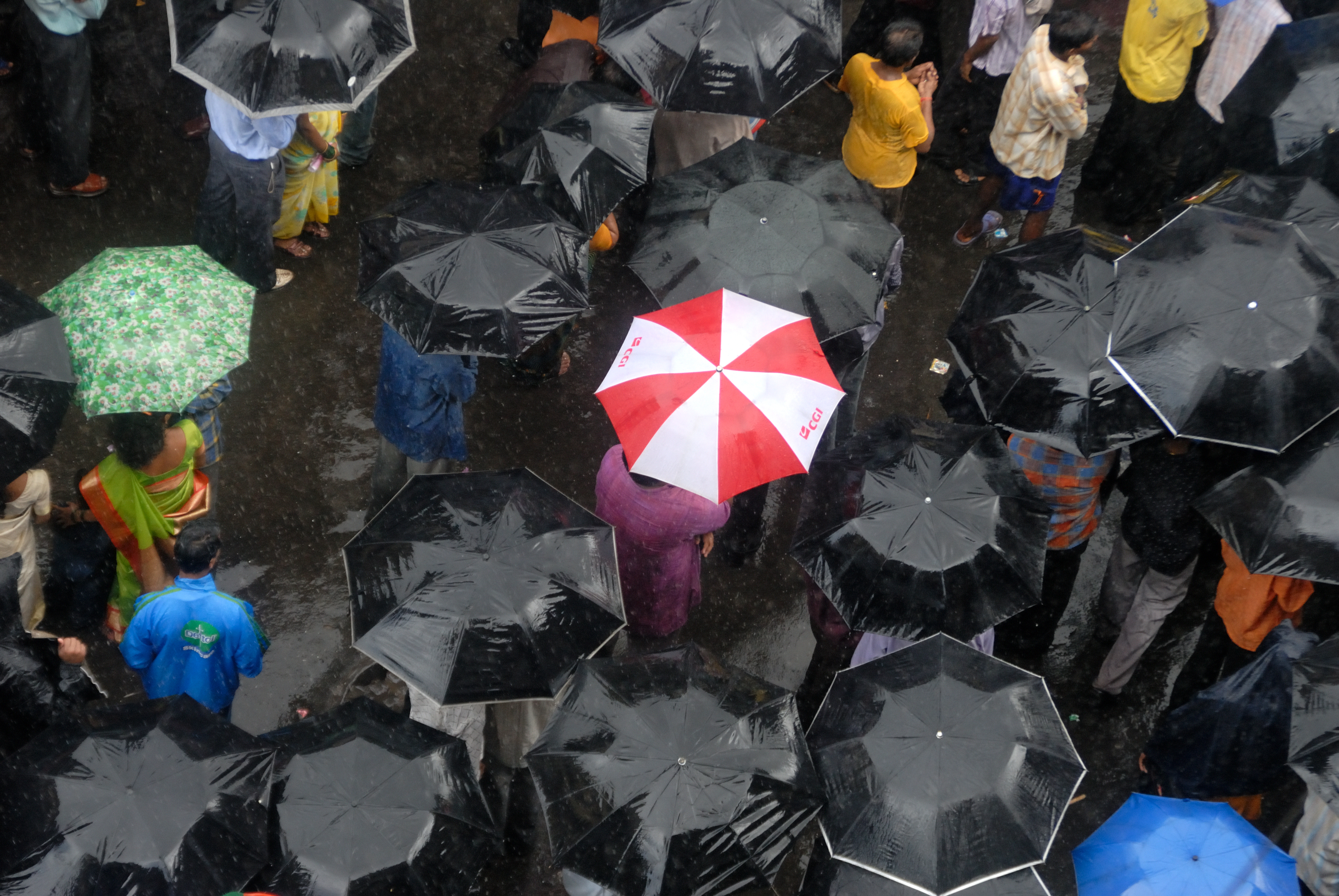
Mumbai, India – After weeks of anxious anticipation and unprecedented water scarcity, India’s vital monsoon rains have finally reawakened, offering a much-needed reprieve to the nation’s financial capital, Mumbai, and several other parched regions. The sudden revival of this climatic phenomenon comes as a significant relief, following the driest June in over a decade that led to widespread water rationing in Mumbai and threatened agricultural livelihoods across the country.
The Drying Reality: A Prolonged Wait for the Rains
The month of June, typically the harbinger of India’s life-sustaining monsoon, had been unusually dry this year. Mumbai, a megacity grappling with a colossal population and its attendant water demands, registered its driest June in 12 years. This alarming deficit in rainfall prompted authorities to implement stringent water-saving measures, including rationing in several areas, to mitigate the escalating crisis. The delay in the monsoon’s arrival, which was expected a couple of weeks earlier, cast a long shadow of concern over the nation’s agricultural sector, its reservoirs, and the broader economy.
The monsoon is not merely a meteorological event for India; it is the lifeblood of its agrarian economy. With nearly half of the country’s farmland reliant on rainfall rather than irrigation, the timely arrival and adequate intensity of the monsoon are paramount for crop yields, food security, and the livelihoods of millions of farmers. The prolonged dry spell exacerbated existing heatwaves, intensified water stress, and raised fears of a significant agricultural setback.
A Sudden Turnaround: The Monsoon’s Resurgence
However, the narrative has taken a dramatic turn. Following an unexpected hiatus over western India, the monsoon rains have suddenly gained momentum. This resurgence signals a vital shift, with the rains now actively progressing into parts of Maharashtra, Telangana, Chhattisgarh, Karnataka, and Odisha, as reported by Reuters. The renewed downpour is expected to bring much-needed water to drying crops, alleviate the oppressive heat, and ease the critical water stress that had gripped many regions.
For Mumbai, the imminent arrival of monsoon rains, projected within the next two days, promises an end to the disruptive water cuts. This development offers a tangible solution to the immediate water crisis faced by the city’s inhabitants and industries. The visual of rain-laden clouds, once a distant hope, is now a tangible reality, offering a collective sigh of relief.
A Deeper Dive: Understanding the Monsoon’s Dynamics
The Indian monsoon is a complex and dynamic system, influenced by a myriad of atmospheric and oceanic factors. Its variability, while a natural characteristic, can lead to significant deviations from average rainfall patterns, with profound consequences for the subcontinent.
H2: Chronology of the Crisis and Revival
The sequence of events leading to and from the monsoon’s delay paints a stark picture of the challenges faced.
- Early June: The usual onset of the monsoon over India was conspicuously absent. Initial forecasts indicated a slight delay, but the extent of the postponement soon became a matter of serious concern.
- Mid-June: Mumbai recorded its driest June in 12 years. Water levels in reservoirs supplying the city began to dip precariously. Authorities initiated discussions and planning for potential water rationing.
- Late June: Water rationing measures were officially implemented in various parts of Mumbai and surrounding areas. The economic and social implications of this scarcity began to be felt. News outlets widely reported on the dire situation, highlighting the dependence on the monsoon for India’s survival.
- Early July: A sudden and significant revival of monsoon activity was observed. Satellite imagery and meteorological data indicated a strengthening of the monsoon current, pushing westward and bringing much-needed precipitation.
- Present: The monsoon is now actively advancing across several key states, including Maharashtra, Telangana, Chhattisgarh, Karnataka, and Odisha. Mumbai is anticipating the arrival of monsoon showers within the next 48 hours, signaling an end to the immediate water crisis.
H3: The Science Behind the Stall and Revival
The delay in the monsoon’s onset was attributed to a confluence of factors, including a weakened low-pressure system over the Bay of Bengal and the influence of El Niño conditions. El Niño, characterized by warmer-than-average sea surface temperatures in the central and eastern tropical Pacific Ocean, has been historically linked to weaker monsoons in India.
The subsequent revival is likely due to a shift in atmospheric pressure patterns and the strengthening of the Arabian Sea branch of the monsoon. This resurgence underscores the inherent unpredictability of the monsoon and the constant need for vigilance and adaptation.
Supporting Data: Quantifying the Deficit and the Hope
The impact of the delayed monsoon can be understood through quantitative data that highlights the extent of the deficit and the potential for recovery.
H2: June’s Rainfall Deficit: A Stark Reality
- Overall Deficit: India received over 42% less rainfall than the average for June, up until the recent revival. This significant shortfall underscores the severity of the dry spell.
- Mumbai’s Record: The financial capital experienced its driest June in 12 years, a statistic that directly translated into the implementation of water restrictions.
- Reservoir Levels: Reports from various regions indicated critically low levels in major reservoirs, raising concerns about water availability for agriculture, industry, and domestic consumption throughout the year.
H3: The Path to Recovery: Catching Up with the Average
While the revival brings much-needed relief, the season still has a substantial deficit to overcome.
- Current Forecast: The full monsoon season is currently forecast to be around 90% of the long-period average. This still represents a deficit, though significantly better than the earlier projections and the June figures.
- Catch-Up Game: The coming weeks will be crucial for the monsoon to compensate for the lost rainfall. The intensity and distribution of the showers during July and August will determine the overall success of the season.
- El Niño’s Lingering Influence: The forecast of 90% of the average rainfall is partly attributed to the continued influence of El Niño, which typically suppresses monsoon rainfall. This factor highlights the potential for continued variability and the need for proactive water management strategies.
Official Responses: Navigating the Crisis
Government agencies and meteorological departments have been at the forefront of monitoring the situation and implementing measures to address the crisis.
H2: Meteorological Department’s Vigilance
The India Meteorological Department (IMD) has been continuously tracking the monsoon’s progress, issuing regular updates and forecasts. Their role in predicting the onset, intensity, and withdrawal of the monsoon is crucial for national planning and disaster preparedness. The IMD’s pronouncements on the monsoon’s revival have provided much-needed reassurance to the public and policymakers.
H3: Water Management and Conservation Efforts
In response to the looming water crisis, various state governments and municipal bodies have:
- Implemented Water Rationing: As seen in Mumbai, cities and towns have introduced timed water supply and restrictions on non-essential water usage.
- Promoted Water Conservation: Public awareness campaigns encouraging rainwater harvesting, judicious use of water, and the repair of leaks have been intensified.
- Managed Reservoir Operations: Authorities have been carefully managing water releases from reservoirs to ensure equitable distribution and prevent further depletion.
- Assessed Agricultural Impact: Agricultural departments have been evaluating the impact of the dry spell on crops and providing guidance to farmers on water-saving irrigation techniques and crop diversification where possible.
Implications: A Nation’s Reliance and Future Preparedness
The recent monsoon saga carries significant implications for India, highlighting its deep-seated dependence on this climatic phenomenon and the urgent need for robust long-term strategies.
H2: Agriculture: The Backbone of the Economy Under Strain
The agricultural sector, which employs a substantial portion of India’s population and contributes significantly to its GDP, is inherently vulnerable to monsoon variability.
- Crop Yields: A prolonged or deficient monsoon can lead to reduced crop yields, impacting food availability and prices. This year’s delayed start has already put many kharif (summer) crops at risk.
- Farmer Livelihoods: The economic stability of millions of farmers is directly tied to the success of the monsoon. Crop failure can lead to debt, distress, and migration.
- Food Security: Any significant disruption to agricultural production can have broader implications for national food security and potentially lead to increased reliance on imports.
H3: Economic Ramifications: Beyond the Farm Fields
The impact of the monsoon extends far beyond agriculture, touching various facets of the Indian economy.
- Water Availability for Industry: Many industries, particularly power generation and manufacturing, rely heavily on water. Scarcity can lead to production disruptions and increased operational costs.
- Hydroelectric Power: Reduced rainfall can impact the generation of hydroelectric power, potentially leading to increased reliance on fossil fuels and affecting energy security.
- Inflationary Pressures: Shortages of agricultural produce can contribute to food inflation, impacting the purchasing power of consumers and potentially fueling broader economic instability.
H4: Climate Change and Future Resilience
The increasing frequency of extreme weather events, including prolonged dry spells and intense rainfall, is a stark reminder of the growing threat of climate change.
- Need for Adaptation: India must accelerate its efforts to adapt to the changing climate. This includes investing in climate-resilient agriculture, improving water management infrastructure, and promoting sustainable land-use practices.
- Technological Solutions: Leveraging technology for better weather forecasting, efficient irrigation, and water conservation will be crucial.
- Policy Interventions: Strong policy frameworks are needed to promote water conservation, invest in water infrastructure, and support farmers in adopting climate-smart agricultural practices.
The revival of the monsoon offers a temporary respite, a crucial window to recover from the immediate crisis. However, it also serves as a potent reminder of India’s enduring vulnerability to climatic fluctuations and the imperative to build a more resilient future. The nation’s ability to navigate the challenges posed by a variable monsoon will be a defining factor in its long-term economic prosperity and the well-being of its citizens.