
Indie Animator’s Viral Hit Demonetized: A Crisis of Authenticity on YouTube
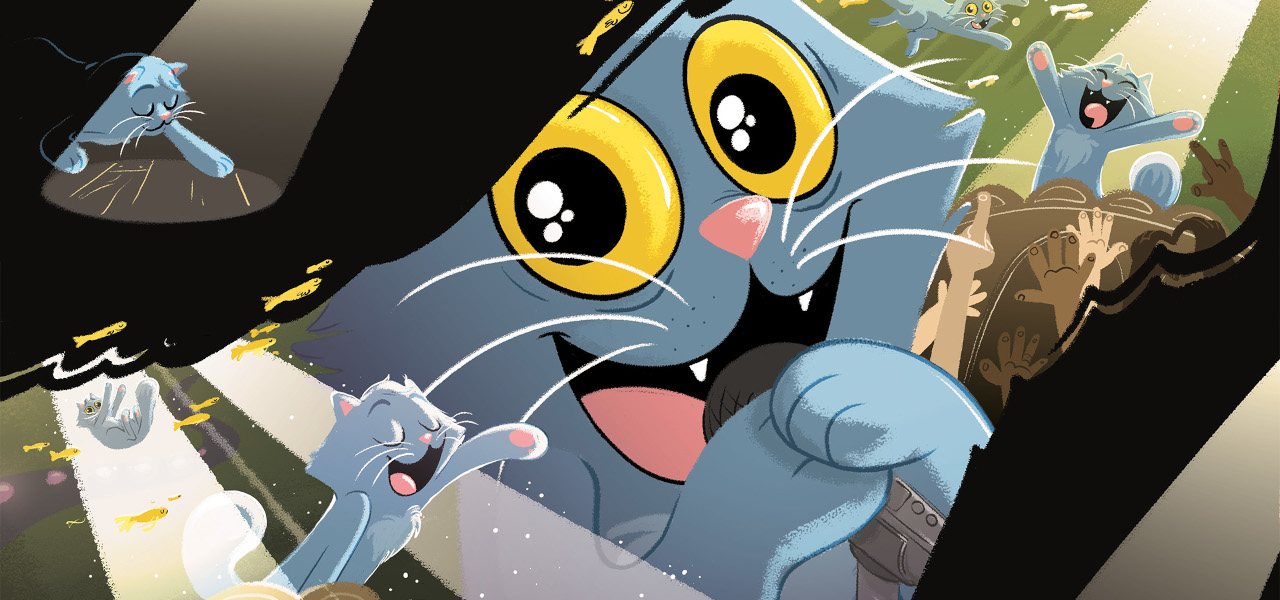
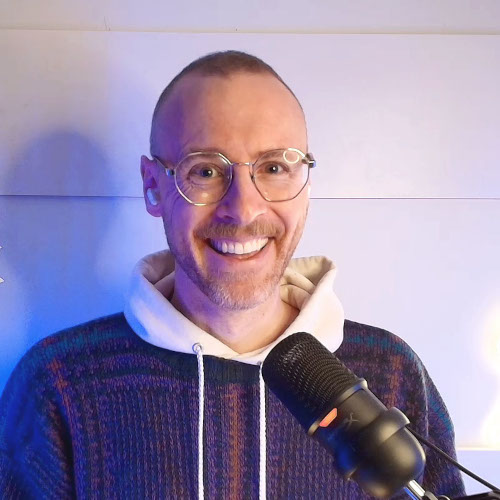
Halifax, NS – May 6, 2026 – Nathan Little, a seasoned animator with a notable resume including work on popular animated series like The Loud House and The Casagrandes, found his vibrant online presence abruptly muted. His popular "Sydney the Song Cat" YouTube channel, a project that has garnered millions of views and showcased his independent creative spirit, was demonetized on April 12th, citing "inauthentic content." This decision has sent ripples of concern through the independent animation community, highlighting the precarious balance creators must strike between artistic expression and platform algorithms.
Little, a graduate of Sheridan College, has been meticulously crafting Sydney’s whimsical world from his home in Halifax, Nova Scotia, since 2022. Using Toon Boom software, he single-handedly animates the cheerful feline character, setting her to various popular songs and trends. His dedication has resulted in a prolific output of short videos and music clips, consistently engaging a broad audience across platforms like TikTok, Instagram, and YouTube. However, this consistent creation, which he views as a testament to his authentic, hands-on approach, has now been met with an opaque and frustrating algorithmic judgment.
The Unexpected Blow: Demonetization and Digital Disconnection
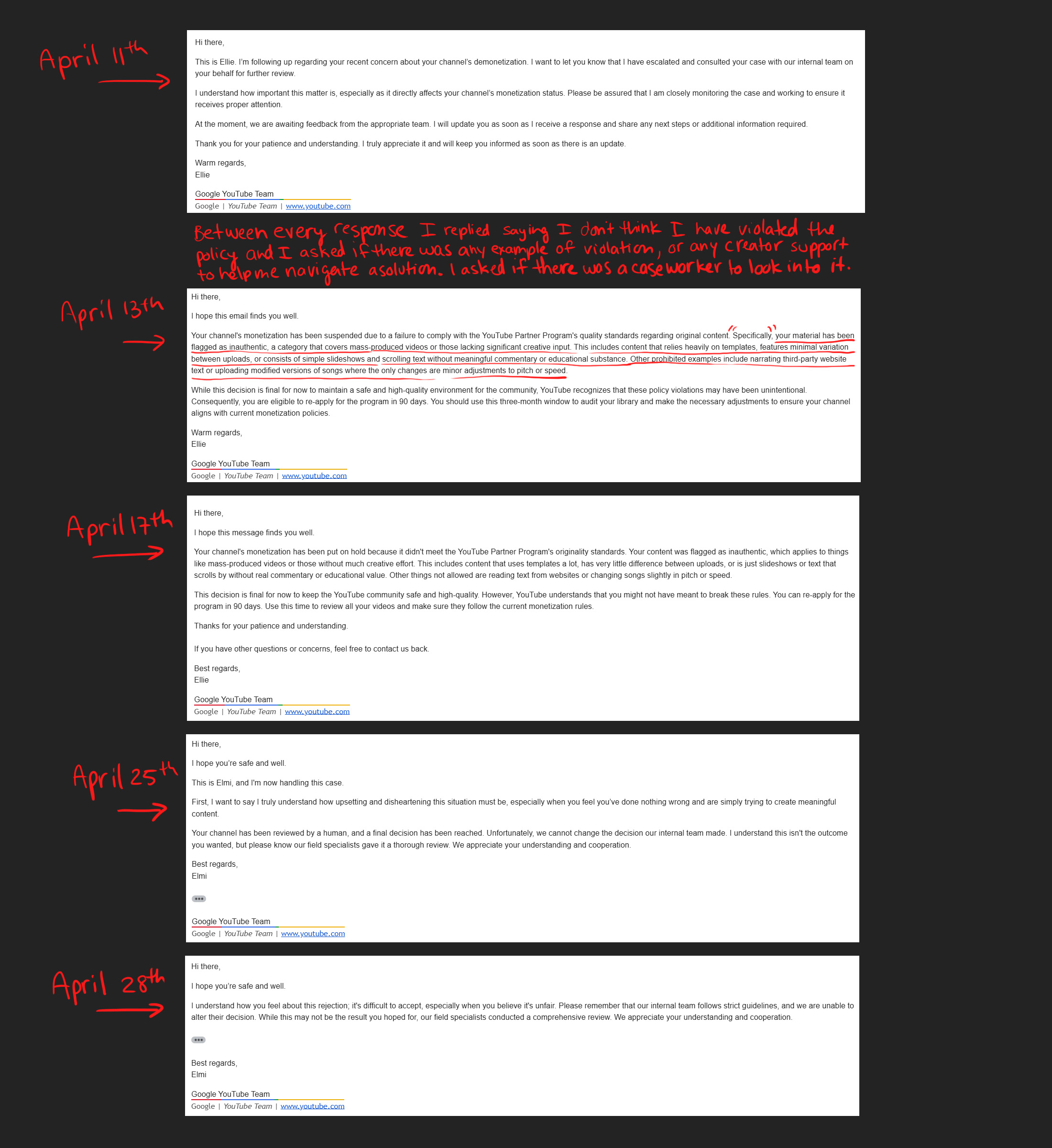
The email arrived on a Saturday morning, a stark interruption to Little’s creative routine. As a long-standing member of YouTube’s Partner Program, he was blindsided. "Like, am I missing something? Maybe in the past four years I’ve missed something. Who knows?" he mused, re-reading YouTube’s policies in disbelief. His initial attempts to appeal the decision through the platform’s standard channels proved futile. A frustrating interaction with creator support, which involved navigating a chatbot and receiving a series of generic, template-based responses, left him with more questions than answers.
"The appeal form didn’t work, so I went to creator support and reached, through a chatbot, either a person or someone presenting as one, who told me they would escalate it," Little recounted. "A few days later, a template email turned up in my junk folder, full of catch-all phrases that didn’t point to any specific violation." When he pressed for clarification, asking if a human had genuinely reviewed his case, he was met with a final, unyielding response stating the decision was irreversible and the case closed.
The lack of specific feedback left Little in a state of bewildered introspection. "I went back to the channel, and I’m like, do I start deleting stuff? Is that the path forward? I started to delete, and I got like two or three videos in and thought, ‘This is crazy. There’s no way this is being flagged under these policies.’" His attempts to elicit a concrete explanation were met with further impersonal communication. "The language was identical. ‘Hello, I hope you are safe and well’ in both titles. ‘I understand that you are frustrated, but the decision is made.’ I’m sure it’s still being cut and pasted because there wasn’t an interaction with what I was actually asking. If it really was a human, it wasn’t genuine customer service."
Significantly, Little’s channel has no copyright strikes or community guidelines violations. While individual videos have occasionally faced minor flagging for issues like content categorization or regional music restrictions – typical "friction" for any creator – the complete demonetization of his entire channel, representing four years of dedicated work, feels disproportionate and inexplicable. He now faces a three-month waiting period before he can reapply for monetization, a significant financial and motivational setback.
Decoding "Inauthentic Content": A Vague Accusation in the Algorithmic Age
The term "inauthentic content" itself, as interpreted by platforms like YouTube, is a source of considerable anxiety for independent creators. Little is keen to emphasize that his demonetization was not an accusation of AI-generated content, a distinction that carries significant weight in the current digital landscape. He notes that channels demonstrably employing AI for mass production have seemingly remained untouched by such punitive measures.
"I think you could have a full AI channel and they would be okay with that," Little stated, highlighting the perceived inconsistency. "That’s not what this is saying." Instead, he suspects YouTube’s algorithm may be interpreting his work as "repackaging other people’s stuff." However, he firmly refutes this notion. Sydney is a character he meticulously rigs and animates by hand in his living room. While the audio often incorporates existing popular music, a common practice in short-form content creation, the visual animation is entirely original.
His best guess points to a potential cross-platform misinterpretation. "The closest he’ll come to a guess is that something transferred over from TikTok, where the Sydney videos originally started, and got picked up differently by YouTube’s systems." This possibility underscores the complex and often opaque ways in which content is processed and judged across different digital ecosystems.
Little’s experience is far from isolated. Since he shared his predicament on Instagram, numerous fellow animators have reached out with eerily similar stories. Many are in the process of developing projects, including books and television shows, that rely on the audience cultivated through platforms like YouTube. "How do you work with something that’s that unstable, when you rely on that as part of the proof or validation of your audience?" he questioned, voicing a sentiment shared by many independent creators. The uncertainty surrounding platform policies and algorithmic decisions poses a significant threat to the sustainability of their livelihoods and creative endeavors.
The Genesis of Sydney: A Personal Quest for Animation Autonomy
The "Sydney the Song Cat" project was born out of a personal desire to reconnect with the act of animating. After years spent as a TV animation supervisor, a role that often involves managing others’ work and adhering to strict production schedules, Little felt a growing disconnect from the hands-on creative process. "I want to control more of what I do. I want to have a character, honestly, even if it never reaches anything beyond, I get to control it for three hours every night and animate what I want to animate with it," he explained.
Launched in 2022, Sydney was conceived as an experiment: could he realistically produce consistent, hand-drawn 2D animation on a frequent basis to sustain a channel? Recognizing the need for efficiency, he streamlined the process from the outset. He developed a quick cat rig in Toon Boom and utilized Photoshop for backgrounds, a practical approach that allowed him to animate at a pace that could keep up with the demands of online content.
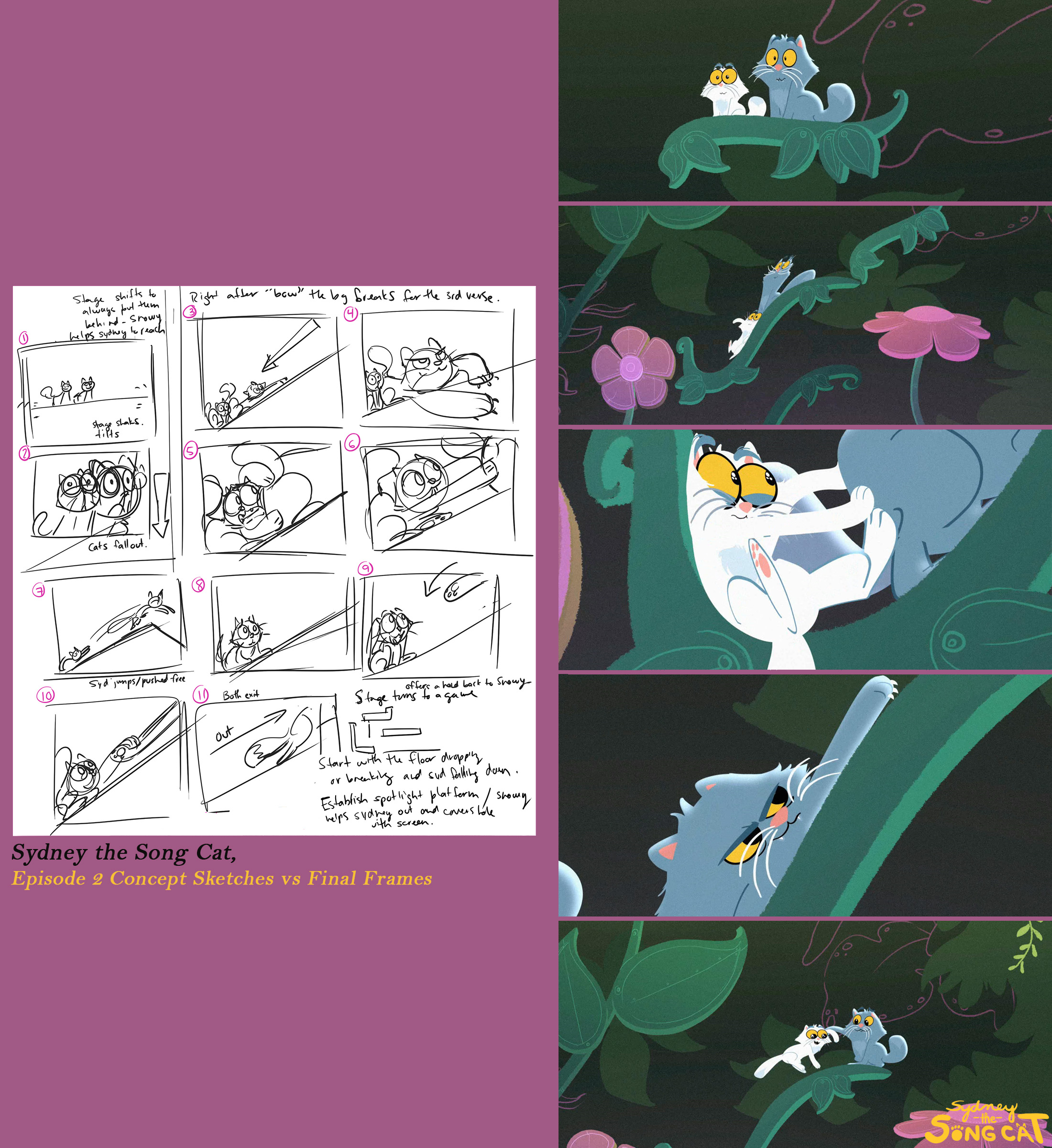
The early iterations of Sydney were deliberately simple. She lacked a tail, a decision made while Little focused on mastering the animation of her core movements and facial expressions. He began with a single happy mouth shape, gradually introducing a sad expression and expanding her emotional range as his comfort and skill grew. This iterative development allowed him to build a foundation of reusable assets and animation cycles, a common and accepted practice in animation pipelines of any scale.
"Multi-million dollar studio productions will reuse assets constantly," Little pointed out. "There are little bits of animation that I can use as a core beginning point, but every single video I need to adjust to new music, I need to put in lip sync, and many of the videos are fully from scratch." This meticulous adaptation and integration of new audio with existing animation is the hallmark of his creative process.
The rise of platforms like TikTok and YouTube, with their vast and accessible sound libraries, also played a crucial role in the project’s viability. What was once a cumbersome and expensive process of sourcing music and sound effects for animation students in 2004 has become, by 2022, a readily available resource for creators. This accessibility democratized the creation of music-driven animation, allowing Little to focus on the visual storytelling.
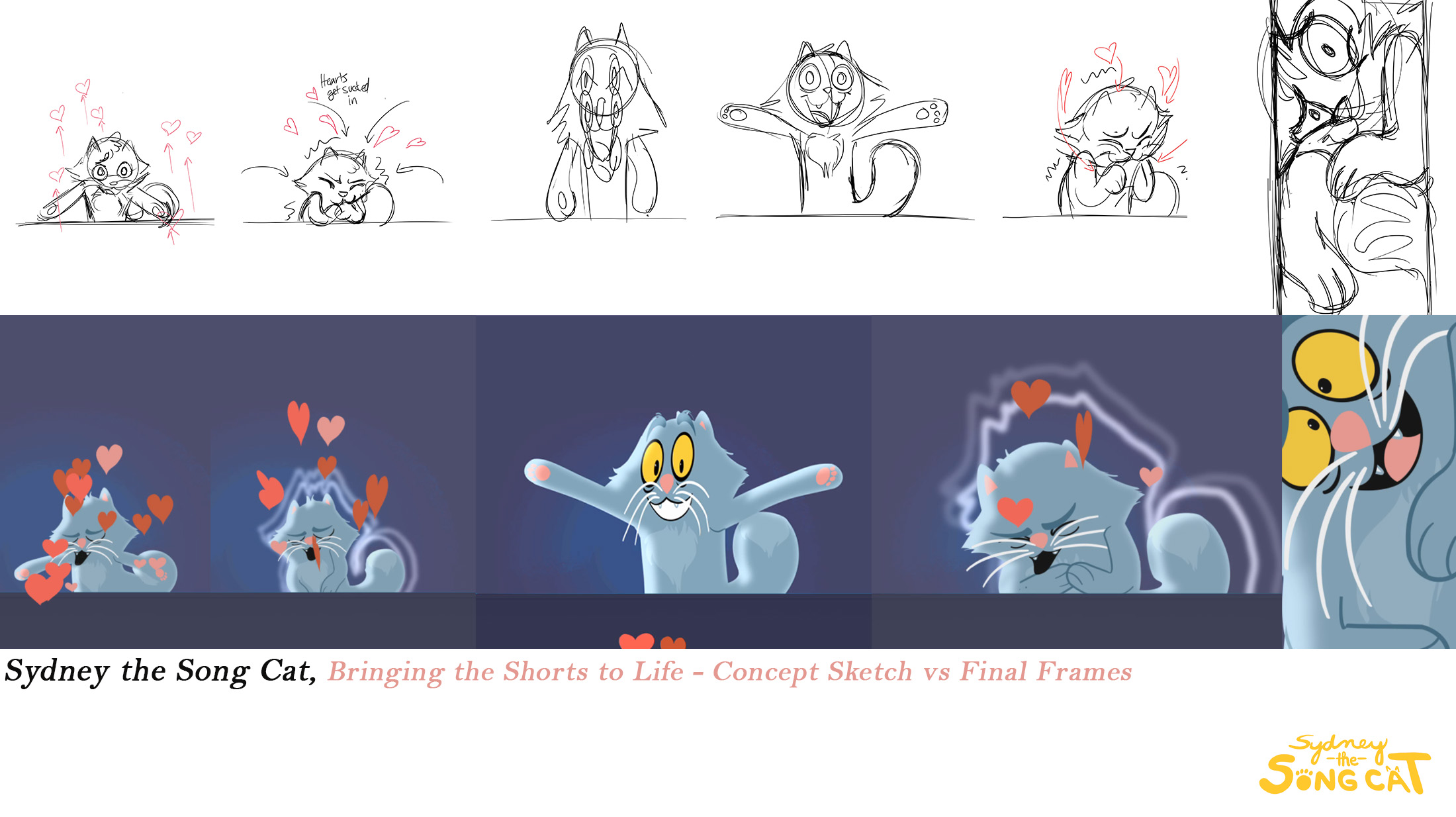
The choice of a cat as the central character was a natural one, tapping into the internet’s long-standing affinity for feline content. More importantly, Sydney provided Little with a creative outlet to explore trends and participate in online culture in a way that felt comfortable and authentic to him. "I’m an actor on the inside. I just don’t want to be in front of the camera doing it. So it is rewarding to me to be able to participate in these trends in ways that I think are funny, but not with my face. It’s with Sydney doing it," he explained.
Transparency and Trust: Building a Connection Beyond the Algorithm
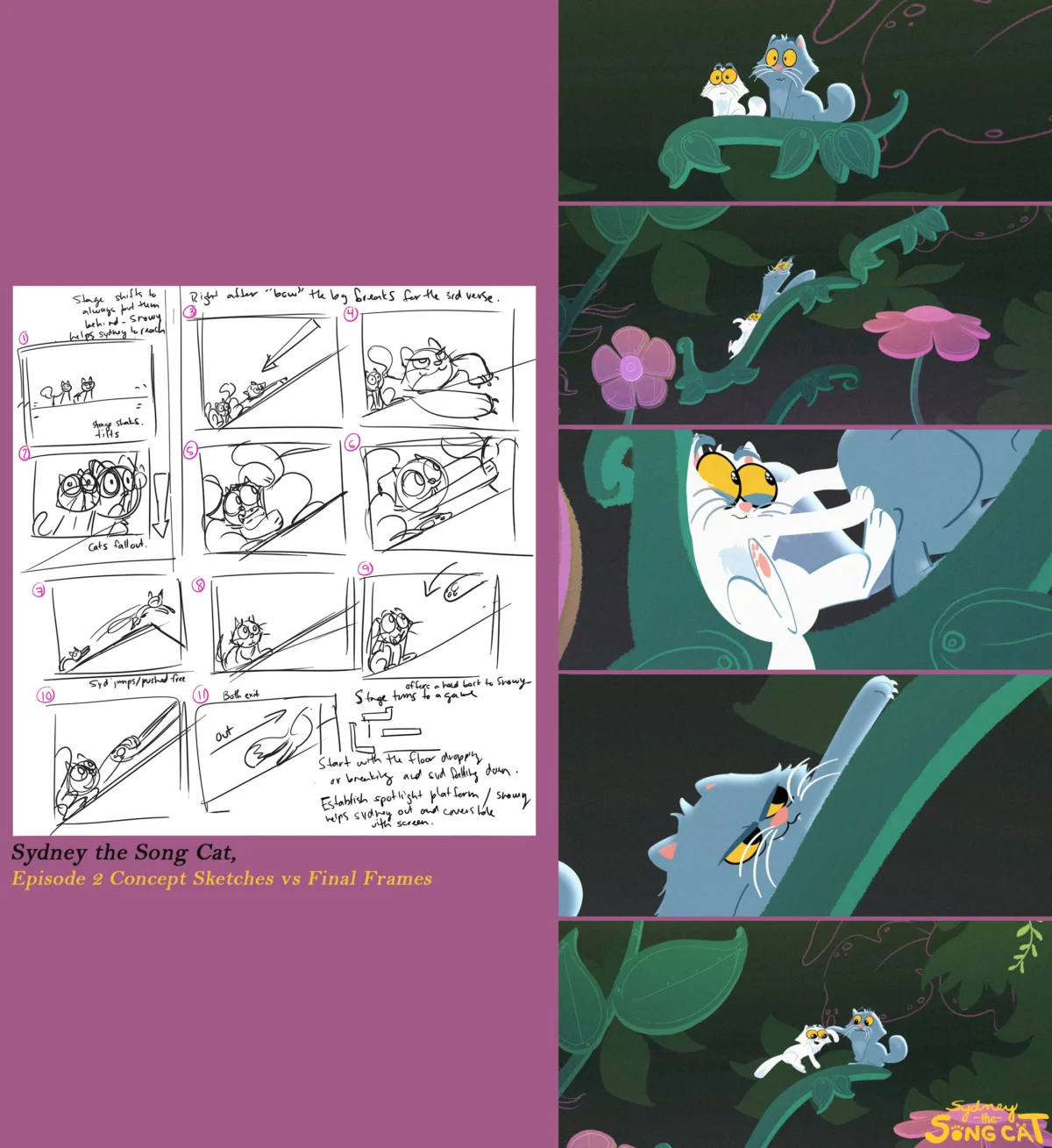
Despite the inherent anonymity of his animated avatar, Little understands the crucial importance of maintaining a human connection with his audience. This is why he actively shares behind-the-scenes content, process videos, and creator edits of his pilot episodes. "I’ve put myself on there just to show there’s a human creator. I’ve put creator edits of my pilot episode just to show there are storyboards and there’s sound recordings and these are my voice actors, like all of that behind it," he stated.
This commitment to transparency serves as a powerful counterpoint to the abstract nature of algorithmic judgment. The Sydney channel is replete with evidence of a real person meticulously crafting each frame, a testament to the genuine effort and artistic integrity behind the project. The existence of these process videos, showcasing storyboards, sound recordings, and voice actor collaborations, directly contradicts the notion of "inauthentic content" by illuminating the human labor and creative decision-making involved.
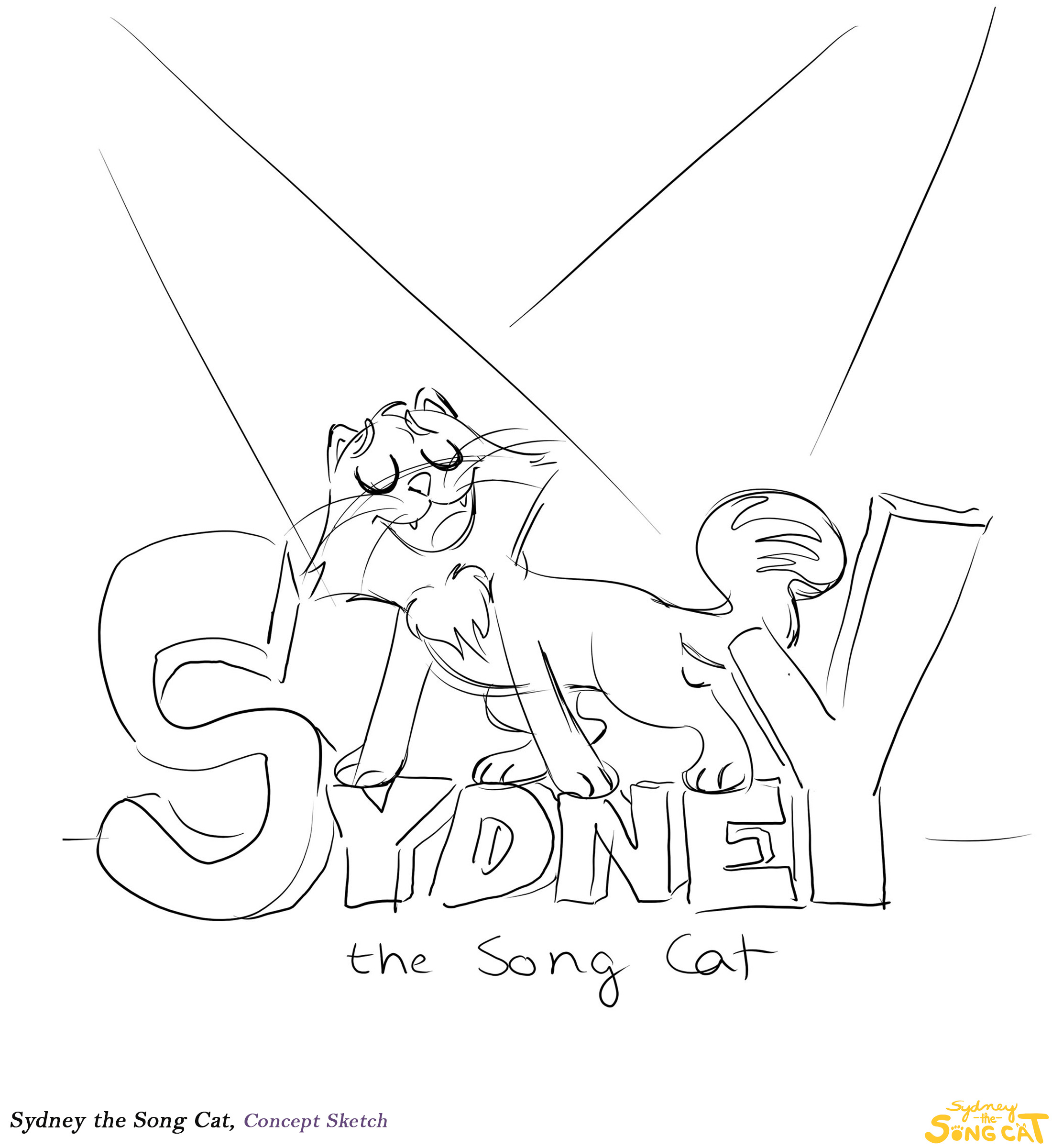
As of now, Little continues his twice-weekly posting schedule, with pilot episodes for a potential series progressing on Patreon. He remains hopeful that by July, when he can reapply for monetization, YouTube’s systems will be able to recognize the authentic, hand-crafted nature of his work. However, the experience has left him and many other independent animators grappling with a profound question: in an era increasingly shaped by opaque algorithms and broad policy interpretations, how can they ensure their genuine creative contributions are valued and recognized, rather than being lost in the digital ether? The demonetization of "Sydney the Song Cat" serves as a stark reminder of the challenges faced by independent creators navigating the ever-evolving landscape of online content platforms.


Leave a Comment