Into the Radius 2 Faces Slight Delay on PlayStation VR2: Navigating the Rigors of Sony’s Certification Process
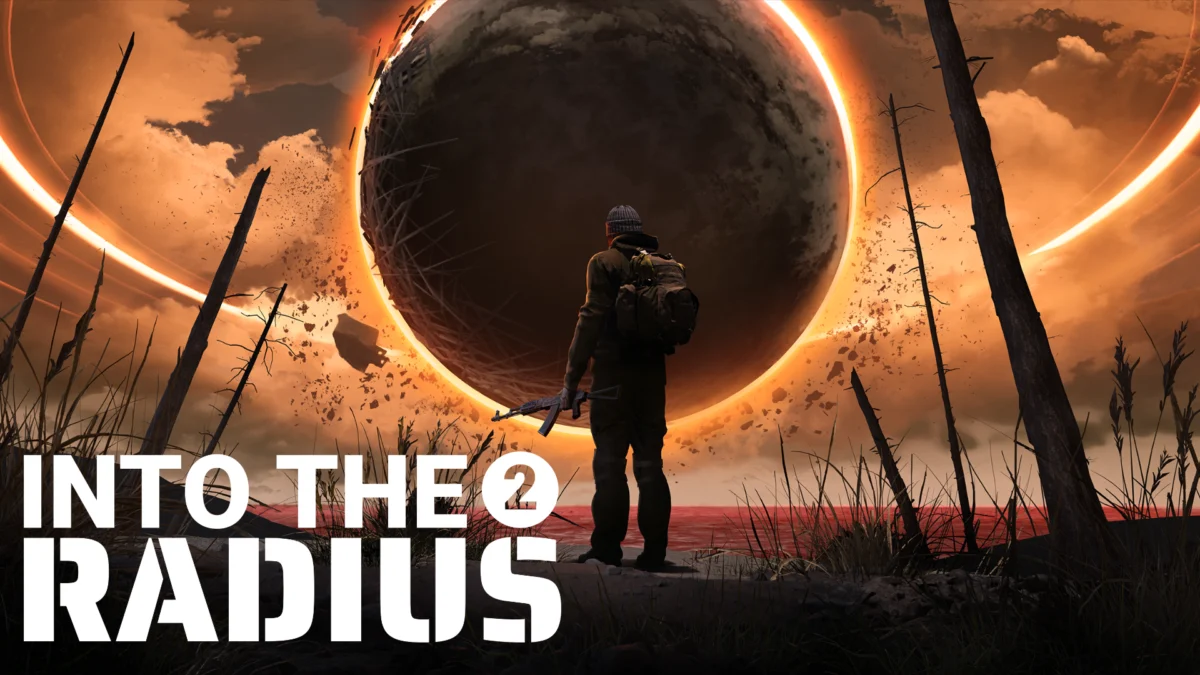
The highly anticipated survival shooter Into the Radius 2 has encountered a brief setback on its journey to the PlayStation VR2 platform. Originally scheduled for a late September debut, developer CM Immersive has announced that the title will now arrive on October 8, 2024. This two-week postponement, while minor in the grander scheme of game development cycles, highlights the intricate and often demanding path that developers must navigate when bringing complex virtual reality experiences to Sony’s high-end hardware.
As one of the most respected franchises in the VR survival-horror genre, Into the Radius 2 carries the weight of high expectations. The delay, though disappointing for eager fans, underscores a commitment to quality and the specific technical hurdles inherent in the PlayStation ecosystem.
Main Facts: The October Shift
The core of the announcement centers on a shift in the release calendar. Previously slated for launch on September 24, Into the Radius 2 is now locked in for an October 8 release on PS VR2. According to the developer, the primary driver for this change is the "final certification stage"—a critical period where the platform holder, Sony Interactive Entertainment, evaluates the software to ensure it meets strict performance, stability, and security standards.
CM Immersive noted that during this final check, several elements were identified that required further "attention" to ensure the game is in the "best possible shape" for its console debut. While the game has already found success on PC and standalone VR platforms, the transition to the PS VR2 involves integrating specific hardware features that are unique to the PlayStation 5 ecosystem.
The PS VR2 version is expected to be a "premium" port, utilizing the full suite of the headset’s capabilities, including:
- Native 90fps performance (without reliance on reprojection).
- Eye-tracked dynamic foveated rendering to optimize visual fidelity.
- Advanced haptic feedback within the headset itself.
- Adaptive triggers on the Sense controllers to simulate firearm resistance.
Chronology: The Road to the Pechorsk Anomaly
To understand the significance of this delay, one must look at the trajectory of the Into the Radius franchise and its iterative development process.
The Legacy of the Original
The first Into the Radius gained a cult following on PCVR for its uncompromising realism, "STALKER-esque" atmosphere, and tactile gun mechanics. It was a slow-burn success that eventually migrated to the Meta Quest platform, proving that complex survival mechanics could work on mobile chipsets.
The Sequel’s Early Access Journey
Into the Radius 2 followed a similar path, launching in Early Access on Steam earlier this year. This allowed CM Immersive to gather community feedback, balance the punishing difficulty, and refine the looting and crafting loops. Following its success on PC, the game transitioned to the Meta Quest 3, marking its exit from the "Early Access" label on those platforms.
The PlayStation Announcement
In mid-2024, CM Immersive confirmed that the sequel would finally make its way to the PlayStation VR2. This was a significant milestone because Sony’s platform has historically been less hospitable to "Early Access" titles than Steam or the Meta Horizon Store. For a game to appear on the PlayStation Store, it generally needs to be a "Version 1.0" or a highly polished build, which explains why the PS VR2 version was announced only after the game had matured on other platforms.
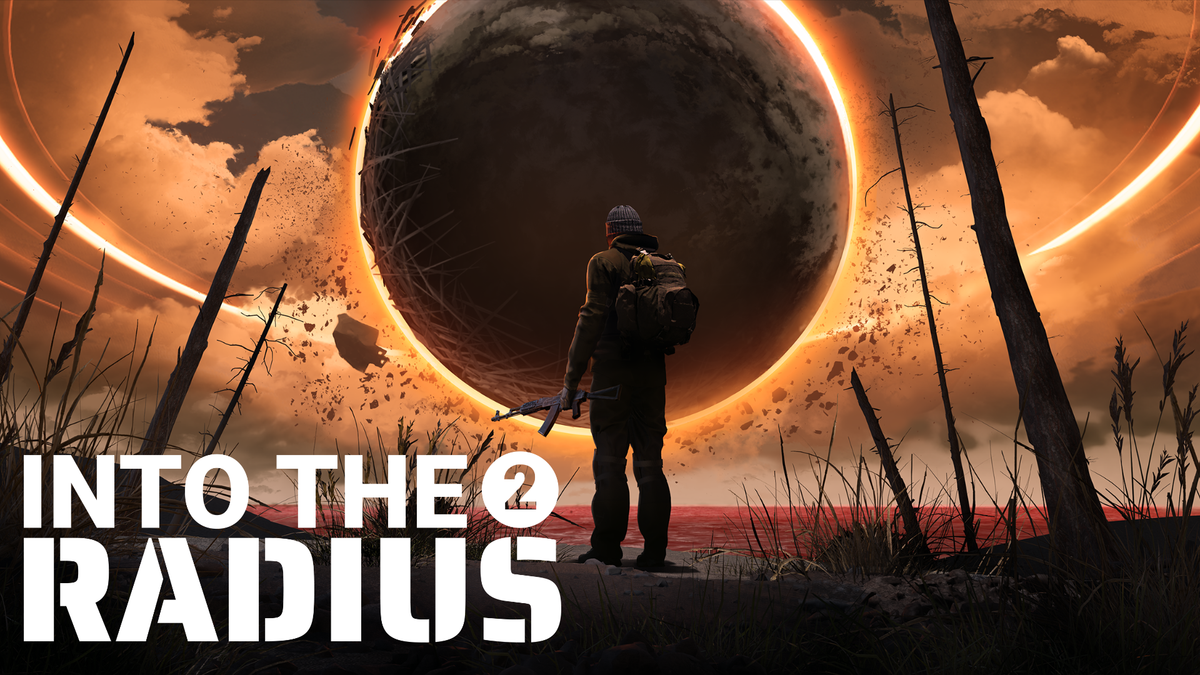
The September 24 Goal
Until the recent announcement, September 24 was the target date. The developer had been vocal about the technical features of the port, promising a version of the game that would rival high-end PC builds thanks to the PS5’s processing power and the PS VR2’s OLED displays.
Supporting Data: Technical Standards and the Sony Hurdle
The delay of Into the Radius 2 brings to light the "rigorous" nature of Sony’s certification process. In conversations with various VR developers, industry analysts have noted that Sony’s Quality Assurance (QA) and technical requirements are often more stringent than those of Meta or Valve.
The "Gold Standard" of Certification
While Steam allows developers to push updates and patches with almost no oversight, and Meta has streamlined its "App Lab" and Main Store processes, Sony maintains a "walled garden" approach. A game must pass a battery of tests regarding:
- Frame Rate Stability: Sony is particularly sensitive to frame drops in VR, as inconsistent performance is a leading cause of motion sickness.
- Hardware Integration: Ensuring that the eye-tracking and haptics do not interfere with system-level software.
- Trophy and Social Integration: Correct implementation of the PlayStation Network’s backend services.
Hardware-Specific Optimization
The PS VR2 version of Into the Radius 2 is not a simple port. The inclusion of Dynamic Foveated Rendering (DFR) is a significant technical undertaking. By using eye-tracking to determine exactly where the player is looking, the game can render that specific area at maximum resolution while downscaling the periphery. This allows the PS5 to push visuals that would normally require a much more expensive PC GPU. If the eye-tracking calibration or the DFR implementation has even minor bugs, Sony’s certification team will likely flag it for revision.
Furthermore, the developer has committed to a native 90fps. In the VR world, many developers use "reprojection" (creating synthetic frames) to hit 90Hz or 120Hz. Native 90fps is a higher bar of entry, requiring deeper optimization of the game engine—in this case, likely a heavily modified version of Unreal Engine.
Official Responses: Quality Over Immediacy
In an official communication to the press and the community, CM Immersive emphasized that the delay was a proactive choice to ensure player satisfaction. The email stated:
"During the final certification stage, we identified a few things that still need attention. We want to use this time to make sure the PS VR2 version is in the best possible shape before players enter the Radius."
This messaging is consistent with a broader trend in the VR industry where "launching right" is seen as more important than "launching now." Given the niche nature of the high-end VR market, a buggy launch can permanently damage a game’s reputation and its long-term sales tail.
The developer also clarified the roadmap for future content. While the base game (the single-player survival experience) will launch on October 8, the highly anticipated co-op gameplay mode is slated for a later update. While some sources suggested a 2026 timeline, the developer’s current focus remains on a stable 2024 rollout for the core experience, with co-op support expected to follow as the platform-specific optimizations are finalized.

Implications: What This Means for the VR Market
The delay of Into the Radius 2 has several implications for players, the developer, and the PlayStation VR2 platform itself.
For the Players: A Polished Experience
For the end-user, a two-week delay is generally a positive sign. It indicates that the developer is not willing to "patch it later," a practice that has become unfortunately common in modern gaming. For a game as atmospheric and "crunchy" as Into the Radius 2—where managing inventory, cleaning weapons, and surviving hostile anomalies require precision—technical glitches can be immersion-breaking.
For Sony: Maintaining the Premium Label
Sony’s insistence on a rigorous certification process is a double-edged sword. On one hand, it can lead to delays and frustrate developers who are used to the more relaxed environments of PC development. On the other hand, it protects the "PlayStation" brand. By ensuring that Into the Radius 2 meets high standards, Sony maintains the PS VR2’s reputation as a destination for high-fidelity, "console-quality" VR, distinguishing it from the often-cluttered libraries of standalone headsets.
For the VR Ecosystem: The Complexity of Multi-Platform Development
This situation highlights the growing complexity of VR development. Developers are now tasked with creating games that must run on everything from mobile-grade processors (Quest 2/3) to high-end PCs and specialized console hardware (PS5/PS VR2). Each platform requires its own set of optimizations. The "certification" hurdle is the final gatekeeper in this process, ensuring that the "Radius" feels as haunting and tactile on a console as it does on a $2,000 gaming rig.
Conclusion: Looking Toward October 8
While the two-week wait may feel long for fans of the Pechorsk Anomaly, the move to October 8 positions Into the Radius 2 as a flagship horror title for the Halloween season. With its native 90fps performance, advanced haptics, and the power of the PlayStation 5 behind it, the game is poised to be one of the definitive survival experiences on the PS VR2.
CM Immersive’s decision to respect the certification process rather than rush a potentially flawed product reflects the maturity of the studio and the importance of the PlayStation audience. As the VR industry continues to evolve, such delays may become a standard part of the transition from the "Wild West" of Early Access to the structured world of console gaming.
Players can currently wishlist Into the Radius 2 on the PlayStation Store, ensuring they are ready to step back into the fog when the gates finally open this October.