From Wobble to VR: No Brakes Games Unveils Physics-Based Puzzler ‘Tiny Flock’
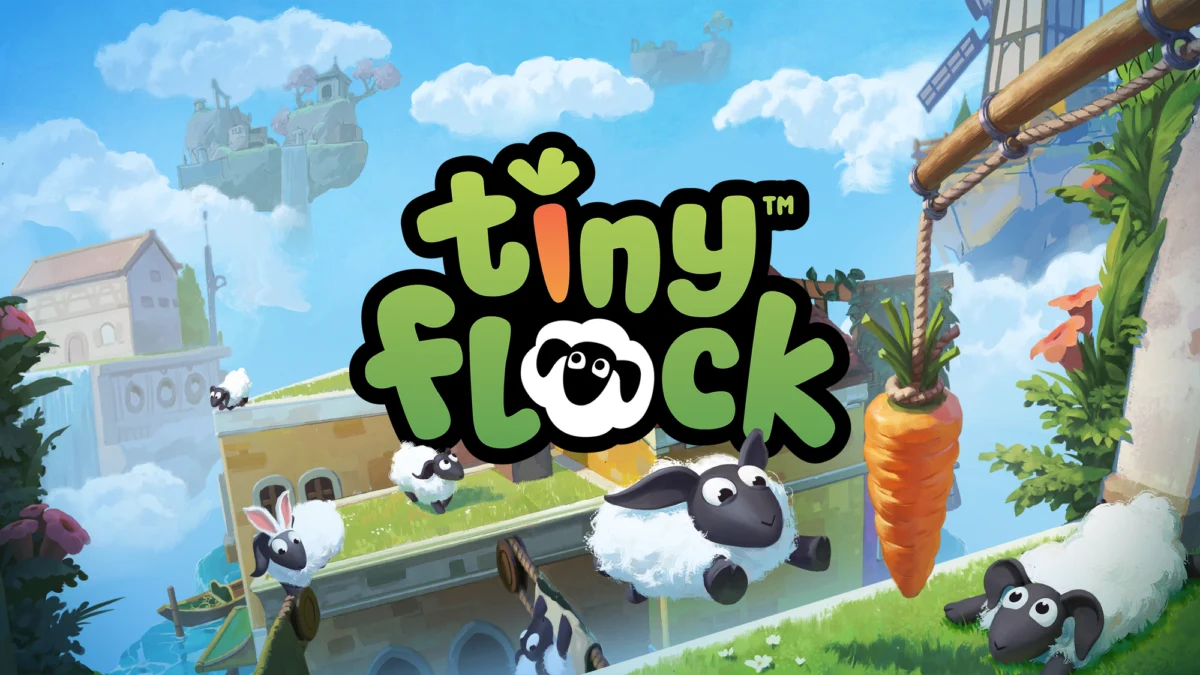
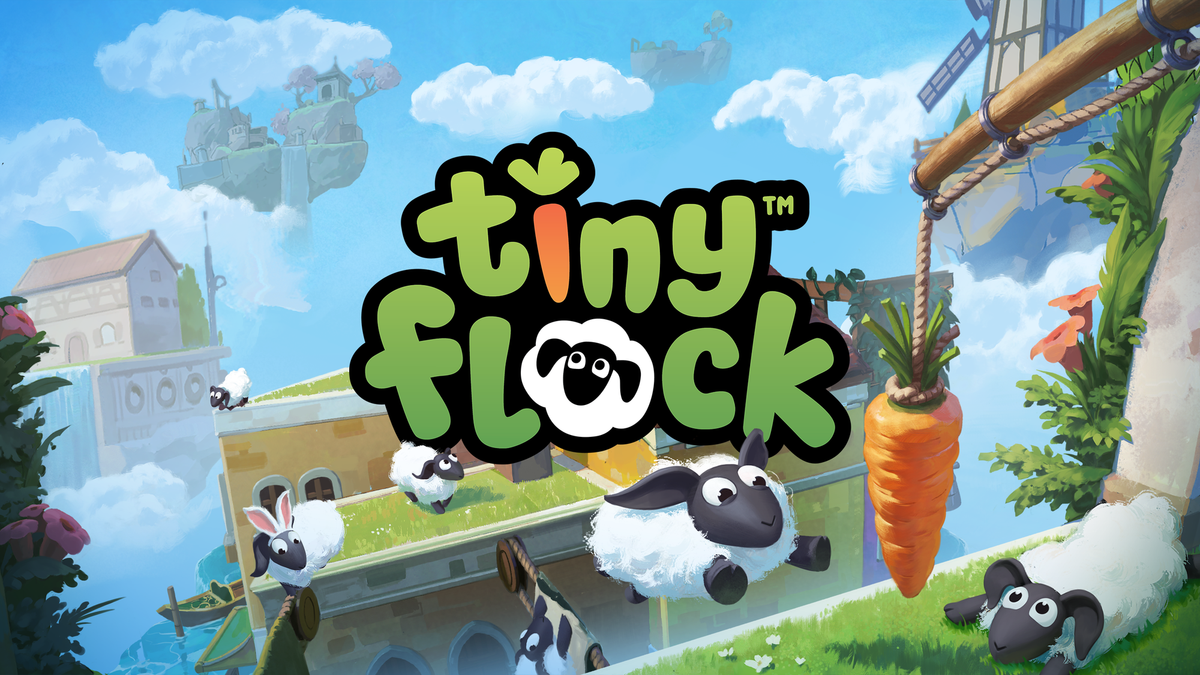
DUBLIN – No Brakes Games, the acclaimed independent studio behind the global phenomenon Human Fall Flat, has officially announced its latest project: Tiny Flock. Stepping away from the traditional screen-based platforming that defined their previous success, the developer is diving headfirst into the world of virtual reality. Tiny Flock is described as a "made-for-VR" physics-based puzzle game, scheduled to arrive on SteamVR and Meta Quest platforms.
The announcement, accompanied by a vibrant reveal trailer, introduces a shift in perspective for the studio. While Human Fall Flat focused on the clumsy, third-person manipulation of a "wobbly" protagonist, Tiny Flock places the player in a god-like role, tasking them with shepherding a group of adorable, vulnerable sheep through a series of intricate, floating diorama levels.
Main Facts: A New Frontier in Tactile Puzzling
Tiny Flock represents a significant evolution for No Brakes Games. The title is built from the ground up for VR, leveraging the medium’s unique capacity for spatial depth and hand-tracked interaction. The core premise revolves around guiding a flock of sheep through 21 handcrafted 3D levels, each designed as a self-contained diorama.
The gameplay philosophy remains consistent with the studio’s "emergent" roots. Rather than offering a single scripted path to victory, Tiny Flock provides players with a sandbox of interactive objects and physics-driven mechanics. Players are encouraged to:
- Construct and Manipulate: Build bridges, stack crates, and create makeshift paths to navigate treacherous gaps.
- Interactive Environments: Pull ropes, flip levers, and throw objects to clear obstacles.
- Physics-First Problem Solving: Use the momentum of objects and the weight of the sheep to trigger environmental reactions.
The visual style departs from the minimalist, low-poly aesthetic of the studio’s predecessor, opting instead for a lush, vibrant world filled with tactile details. The "diorama" approach is a deliberate choice for VR, as it minimizes motion sickness while maximizing the sense of scale, making the player feel like a giant interacting with a living miniature world.
Chronology: The Road from Human Fall Flat to Tiny Flock
To understand the weight of this announcement, one must look at the trajectory of No Brakes Games over the last decade.
2016: The Birth of a Physics Juggernaut
Founded by Tomas Sakalauskas, No Brakes Games released Human Fall Flat in 2016. Initially a solo project, the game’s unique physics engine—which made even simple tasks like opening a door a hilarious challenge—caught the attention of the burgeoning "Let’s Play" community on YouTube and Twitch.
2017–2023: Unprecedented Growth
Through consistent updates and a strong partnership with publisher Curve Games, Human Fall Flat became one of the best-selling independent games of all time, surpassing 50 million copies sold across PC, consoles, and mobile. The studio’s success was built on the "toy-like" nature of its physics, a philosophy that prioritizes player experimentation over rigid game design.
2024: The Pivot to VR
With the announcement of Tiny Flock, No Brakes Games is signaling a move toward more immersive hardware. While a sequel to Human Fall Flat is also in development (announced in 2023), Tiny Flock serves as a specialized venture into the VR space, utilizing the lessons learned from physics-based comedy to create a more intimate, tactical puzzle experience.
2026: The Expected Release
While a specific date has not been set, the official website and early marketing materials point toward a 2026 release window. This timeline suggests a polished, high-fidelity experience designed to take full advantage of the Meta Quest 3 and high-end PC VR headsets.
Supporting Data: Why Physics and VR Are a Perfect Match
The decision to develop Tiny Flock specifically for VR is backed by current trends in the gaming industry. According to market analysis, physics-based "sandbox" games are among the most retained titles in VR libraries.
The Tactile Advantage
In traditional gaming, physics is often a visual flourish. In VR, physics is the interface. Data from VR titles like Job Simulator and Bonelab show that players find the most satisfaction in "haptic engagement"—the ability to pick up, throw, and stack objects with natural hand movements. Tiny Flock capitalizes on this by making the shepherd’s "hands" the primary tool for interaction.
The Rise of the Diorama Aesthetic
The "diorama" style used in Tiny Flock follows a successful lineage of VR titles such as Moss and Ghost Giant. Industry data suggests that "third-person VR" (where the player looks down at a scene) is highly effective for puzzle games because:
- Comfort: It significantly reduces the "vergence-accommodation conflict" that causes nausea in first-person VR movement.
- Spatial Awareness: It allows for complex 3D puzzles where the player can physically lean in to inspect a mechanism or look around a corner.
Platform Reach
By targeting both SteamVR and Meta Quest, No Brakes Games is positioning Tiny Flock to reach the widest possible VR audience. The Meta Quest ecosystem alone currently accounts for a dominant share of the standalone VR market, providing a massive built-in user base for "adorable" and "family-friendly" puzzle content.
Official Stance: The Philosophy of Creative Freedom
While the studio has kept specific plot details under wraps, their official communications emphasize a commitment to player agency. A spokesperson for No Brakes Games noted that the "no pre-determined solutions" approach is the DNA of the studio.
"We want players to feel like they are playing with a physical toy set," the studio stated during the announcement. "In Tiny Flock, if you think a solution should work because of the laws of physics, it probably will. Whether you build a sturdy bridge or catapult a sheep over a ravine, the choice—and the consequence—is yours."
This "no-fail" or "multi-solution" design philosophy is intended to make the game accessible to casual players while offering a high ceiling for "physics wizards" who want to find the most efficient (or most chaotic) way to clear a level.
Implications: What Tiny Flock Means for the VR Industry
The entry of a studio with the pedigree of No Brakes Games into the VR market has several broader implications for the industry.
1. Validation of the VR Market
When a developer responsible for a 50-million-unit seller invests in a "made-for-VR" title, it serves as a vote of confidence in the platform’s maturity. It suggests that VR is no longer seen as a gimmick for tech demos, but a viable home for high-quality, creative indie titles.
2. The Shift Toward Systemic Gameplay
Many early VR games relied on "on-rails" experiences or simple wave shooters. Tiny Flock represents a shift toward "systemic" gaming in VR—where the game is a collection of systems (gravity, friction, buoyancy) that interact in unpredictable ways. This could pave the way for more sophisticated simulation games in the virtual space.
3. Broadening the VR Demographic
The "adorable" aesthetic and "shepherding" mechanic of Tiny Flock appeal to a broader demographic than the typical VR enthusiast. Much like Human Fall Flat became a staple for families and co-op partners, Tiny Flock has the potential to become a "gateway" game for younger players and those new to VR, helping to diversify the platform’s user base.
4. Technical Benchmarking
With the 2026 release window, Tiny Flock will likely be optimized for the next generation of standalone VR hardware. Developers will be watching closely to see how No Brakes Games manages complex physics calculations—notoriously taxing on processors—on mobile chipsets like those found in the Meta Quest series.
Conclusion: A High-Stakes Leap for No Brakes
Tiny Flock is more than just a game about sheep; it is a calculated expansion of a design philosophy that has already conquered the PC and console markets. By combining the charm of a diorama with the unpredictable hilarity of a physics engine, No Brakes Games is attempting to capture lightning in a bottle for a second time.
As we move toward the 2026 release, the gaming community will be eager to see if the "wobbly" magic of Human Fall Flat can be successfully translated into the immersive, high-stakes world of virtual reality. For now, the sheep are waiting, the levers are ready to be pulled, and the VR world is about to get a little bit more crowded—and a lot more adorable.
About No Brakes Games:
Based in Vilnius, Lithuania, and Dublin, Ireland, No Brakes Games is an independent developer best known for Human Fall Flat. The studio focuses on creating innovative, physics-based experiences that empower player creativity.