John Blanche, Visionary Artist Who Defined "Grimdark" and Shaped Warhammer, Dies at 77
LONDON, UK – June 3, 2026 – The worlds of tabletop gaming, fantasy art, and miniature wargaming are united in mourning the loss of John Blanche, a legendary illustrator and art director whose singular vision irrevocably shaped the "grimdark" aesthetic now synonymous with universes like Warhammer. Blanche passed away on June 1, 2026, at the age of 77, leaving behind an artistic legacy that influenced generations of creators, players, and hobbyists.
News of his passing was shared by his longtime friend and collaborator, Trish Carden, on behalf of his wife, Lin. The announcement prompted an immediate and profound outpouring of tributes from across the global tabletop industry and the wider fantasy art community, underscoring the immense impact of a man whose art transcended mere illustration to become the very fabric of fictional worlds.
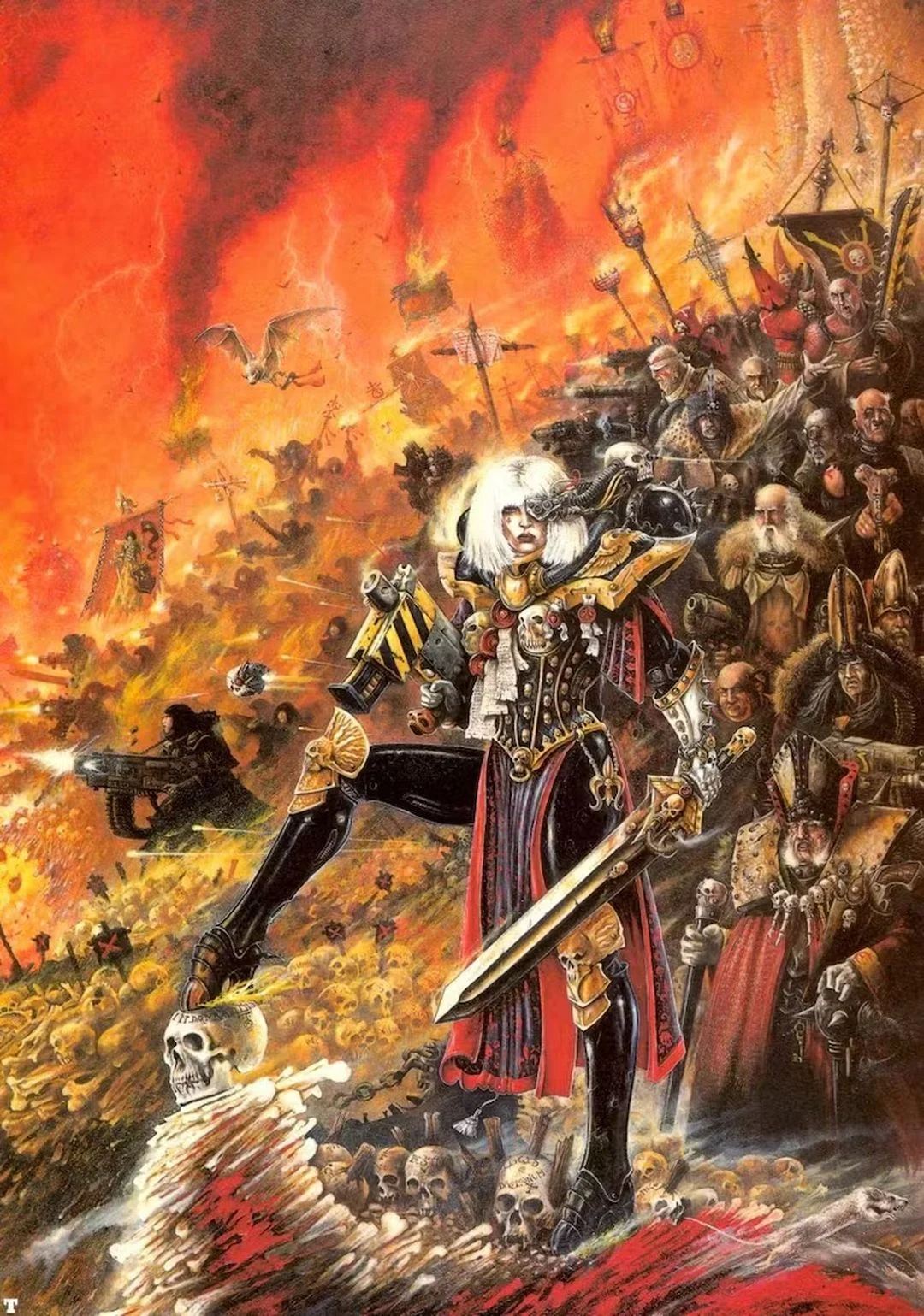
Blanche’s distinctive artwork for Games Workshop’s Warhammer Fantasy Battle and Warhammer 40,000, alongside his contributions to Dungeons & Dragons and the Fighting Fantasy gamebooks, didn’t just accompany these settings – it defined them. His grim, gothic, and often unsettling imagery established a visual language of decay, despair, and baroque horror that would become an enduring hallmark of these iconic franchises. For many, to imagine Warhammer is to imagine a world filtered through John Blanche’s eyes.
A Legacy Cast in Shadows: The Main Facts
John Blanche was more than an artist; he was a world-builder through brushstrokes and ink. Born in 1948, his career blossomed in the vibrant, experimental landscape of 1970s fantasy illustration. His partnership with Games Workshop began in 1977, a pivotal moment that would lead to a four-decade-long association during which he served as a principal illustrator and, critically, as art director.
His influence was not just on the look of individual pieces but on the entire philosophy of visual design for a company that would grow to global prominence. Blanche’s work for the inaugural Warhammer Fantasy Battle in 1983 and, most famously, Warhammer 40,000: Rogue Trader in 1987, established the decaying, gothic, and overtly militaristic tone that differentiated these games from their contemporaries. He was the architect of "grimdark," a term that describes a fictional setting characterized by its oppressive atmosphere, moral ambiguity, and the absence of clear heroes. His art presented a universe burdened by ancient history, pervasive conflict, and a pervasive sense of impending doom – a far cry from the shining heroes and pristine futures often found in science fiction and fantasy.
Even after his retirement from Games Workshop in 2023, Blanche remained a vibrant force in the community, collaborating on miniature projects and inspiring licensed hobby paint ranges that emulated his signature style. His passing marks the end of an era, but his indelible mark on the visual landscape of fantasy and science fiction will undoubtedly continue to resonate for generations.
Chronology of a Visionary: From Early Penstrokes to Grimdark Dominance
Early Career and the Dawn of a Distinctive Style (1970s – Early 1980s)
John Blanche’s artistic journey began in an era ripe with cultural shifts, where punk rock challenged conventions and fantasy literature was experiencing a renaissance. His early work showcased a fascination with the grotesque, the ornate, and a certain unsettling beauty that would become his trademark. He cultivated a style deeply rooted in classic illustration, yet imbued with a raw, almost visceral energy that set him apart.
His relationship with Games Workshop, then a nascent company focused on importing Dungeons & Dragons and other RPGs, began in 1977. Blanche quickly became a key contributor to White Dwarf magazine, the company’s flagship publication, providing evocative artwork that captivated early readers. He was instrumental in illustrating the first British edition of Dungeons & Dragons, introducing a darker, more intricate aesthetic to a game often depicted with more conventional, heroic fantasy imagery. These initial collaborations laid the groundwork for a creative partnership that would redefine an entire genre.
Shaping the Worlds of Warhammer: Art Director and Architect of Grimdark (1983 – 2000s)
The launch of Warhammer Fantasy Battle in 1983 was a watershed moment, and Blanche’s artwork for its first edition cover immediately set a new standard. His illustrations helped establish the game’s unique blend of dark fantasy, medieval warfare, and grotesque horror, long before miniatures fully populated the tabletop. This period saw his influence expand dramatically as he became central to the development of Games Workshop’s burgeoning catalogue of worlds and miniatures.
Following Games Workshop’s strategic relocation to Nottingham during the 1980s, Blanche ascended to the critical role of art director. In this capacity, he wasn’t just an artist; he was a curator and a visionary leader. He oversaw internal art teams, commissioned freelance illustrators, and played a crucial role in shaping the aesthetic of Citadel Miniatures. Under his guidance, the visual identity of Games Workshop matured, becoming increasingly distinct and cohesive.

However, it was with the unveiling of Warhammer 40,000: Rogue Trader in 1987 that Blanche’s vision truly solidified the "grimdark" aesthetic. His artwork for this groundbreaking science-fiction wargame presented a far-future Imperium consumed by decay, superstition, and unending war. It was a universe choked with religious iconography, towering gothic cathedrals, omnipresent skulls, archaic relics, and impossible, often terrifying, machinery. This decaying, baroque vision distinguished Warhammer 40,000 from every other science-fiction setting of its time, cementing Blanche’s reputation as one of gaming’s most influential artists. His art was a defiant rejection of sleek, utopian futures, opting instead for a future that felt ancient, oppressive, and steeped in blood-soaked history.
Beyond the Imperium: Fighting Fantasy and Enduring Influence (1980s – 2023)
While most closely associated with Warhammer 40,000, Blanche’s influence extended far beyond a single game. His evocative artwork graced numerous Fighting Fantasy gamebooks, most notably Steve Jackson’s Sorcery! series (1983), where his bizarre creatures, strange landscapes, and atmospheric black-and-white illustrations brought these interactive adventures vividly to life. He continued to contribute to White Dwarf magazine, various roleplaying games, and miniature wargames throughout his long career, his style instantly recognizable and consistently impactful.
His artistic philosophy wasn’t limited to printed pages. Blanche’s ideas deeply informed miniature design, world-building, and even the very hobby culture itself. So profound was his impact that painters and hobbyists coined the term "Blanchitsu" to describe a specific style of miniature painting inspired by his work. This approach emphasizes muted, desaturated colours, weathered and gritty finishes, and a storytelling approach to miniatures, often incorporating intricate details and unique conversions to evoke the grim and baroque aesthetic he pioneered. It’s a testament to his influence that hobbyists sought to replicate not just his finished art, but the very feeling and atmosphere he conveyed.
Retirement and Continued Creative Spark (2023 – 2026)
After more than four decades of dedicated service, John Blanche officially retired from Games Workshop in 2023. Yet, retirement did not signify an end to his creative output. He continued to collaborate on various miniature projects, lent his expertise to the development of licensed hobby paint ranges designed to capture his unique palette and textural style, and remained an active and cherished figure within the broader tabletop gaming community. His passion for art and for the worlds he helped create never waned.
Supporting Data: Deconstructing the Grimdark Aesthetic
The aesthetic popularized by John Blanche and now widely known as "grimdark" is characterized by several key elements:
- Pervasive Decay and Ruin: Blanche’s worlds are not pristine. Buildings are crumbling, technology is ancient and often poorly understood, and characters bear the scars of countless battles and a harsh existence. This sense of entropy is central to the grimdark feel.
- Baroque and Gothic Grandeur: Despite the decay, there is an overwhelming sense of scale and ornate detail. Cathedrals are impossibly vast, armour is intricate and heavy, and religious iconography is ubiquitous, often juxtaposed with scenes of extreme violence or horror.
- The Grotesque and the Sublime: Blanche had a masterful ability to depict both horrifying creatures and beautiful, if often unsettling, figures. His art often blurred the lines between monster and man, showcasing mutation, augmentation, and the dehumanizing effects of war.
- Muted and Earthy Palettes: While capable of vibrant colours, Blanche often favoured a muted, desaturated palette, heavy on browns, greys, and desaturated reds. This contributed to the oppressive, ancient feel of his settings.
- Symbolism and Storytelling: Every piece of his art tells a story. Skulls, chains, candles, and archaic weapons are not just props but symbols loaded with meaning, hinting at deep lore and tragic histories.
- Rejection of Conventional Heroism: His characters, even the ostensibly "good" ones, are often morally compromised, fanatical, or simply overwhelmed by the forces they face. There are no shining heroes in a Blanche piece, only survivors, zealots, or tragic figures.
This combination created a visual style that was utterly unique and deeply influential. It offered an alternative to the clean, optimistic science fiction of Star Trek or the straightforward heroism of traditional fantasy. Instead, Blanche presented a universe where humanity was a desperate, struggling empire, constantly on the brink of collapse, fighting against insurmountable odds in a galaxy that cared nothing for its suffering. This profound narrative conveyed through art is the true genius of his work.
Official Responses and the Outpouring of Tributes
The news of John Blanche’s passing triggered an immediate and widespread reaction across social media platforms and official channels. Trish Carden’s poignant announcement on behalf of Lin Blanche served as a somber beacon, igniting a wave of heartfelt tributes.
Games Workshop, the company where Blanche spent the vast majority of his career, released a statement acknowledging his immeasurable contributions. A representative from Games Workshop stated, "John Blanche was a foundational pillar of Games Workshop’s artistic identity. His unique vision not only shaped the look of Warhammer but inspired countless artists, designers, and hobbyists. He imbued our worlds with a depth and character that remains unparalleled. We extend our deepest condolences to his family and celebrate the extraordinary life of a true legend."
Fellow artists, designers, and writers from across the tabletop industry shared personal anecdotes and reflections on Blanche’s impact. Adrian Smith, another renowned fantasy artist, posted, "John Blanche’s art was a revelation. It showed us that fantasy could be gritty, visceral, and deeply unsettling, yet still beautiful. He challenged conventions and created something utterly new." Rick Priestley, co-creator of Warhammer, commented, "John was not just an illustrator; he was a co-creator of worlds. His imagination gave form to our wildest concepts, and his influence is woven into the very DNA of Warhammer."
The fan community, perhaps the most direct beneficiaries of Blanche’s genius, flooded forums, social media, and art sites with tributes. Thousands of posts shared favorite Blanche illustrations, personal stories of inspiration, and images of "Blanchitsu"-style miniatures. The sheer volume and emotional depth of these tributes highlighted how deeply his art had resonated with individuals, becoming a cherished part of their formative experiences in tabletop gaming. He was remembered not only for his artistic achievements but also for his generosity as a mentor and friend, his willingness to share his knowledge and encourage burgeoning talent.
Implications: The Enduring Shadow of a Master
John Blanche’s passing leaves an irreplaceable void in the world of fantasy art. His unique vision was so fundamental to the identity of Warhammer and the broader grimdark aesthetic that his absence will undoubtedly be felt for decades to come.
The Future of Grimdark
While the grimdark aesthetic is now firmly established and widely imitated, Blanche’s original interpretation possessed a raw, organic quality that will be difficult to replicate. His work was not just about darkness; it was about the beauty found in decay, the heroism in desperation, and the sublime terror of cosmic scale. Future artists working within the grimdark genre will continue to draw from his wellspring of ideas, but the original wellspring itself has now ceased to flow. This might lead to an evolution of the aesthetic, perhaps pushing it in new directions, but Blanche’s foundational tenets of gothic horror, technological decay, and existential dread will remain central.
Artistic Inspiration and Legacy
Blanche’s work will continue to serve as a powerful source of inspiration for new generations of artists. His mastery of composition, texture, and mood, combined with his fearless exploration of the grotesque and the beautiful, offers endless lessons. University art programs and hobby communities alike will undoubtedly continue to dissect and celebrate his unique approach, ensuring that his artistic philosophy endures. The "Blanchitsu" movement, in particular, demonstrates how his influence extends beyond static images into the dynamic realm of three-dimensional art and creative expression.
Games Workshop’s Artistic Direction
For Games Workshop, Blanche’s legacy is both a blessing and a challenge. His vision provided the bedrock upon which the company’s most successful franchises were built. While new artistic directors and illustrators have evolved the aesthetic over time, often making it more polished or action-oriented, Blanche’s original grimdark spirit remains the soul of the Imperium and the Old World. His passing may prompt a period of reflection for the company, perhaps a renewed appreciation for the raw, unsettling beauty of his early work, or an opportunity to subtly shift the visual narrative in entirely new directions. Regardless, his foundational contributions will forever anchor the visual identity of Warhammer.
Cultural Impact
John Blanche’s influence stretches beyond the confines of tabletop gaming, subtly permeating wider popular culture. Elements of grimdark can be seen in video games, literature, and even film, often without direct attribution, simply because his style became so synonymous with a particular brand of dark fantasy and sci-fi. He helped legitimize a more mature, complex, and often uncomfortable vision of speculative fiction, proving that art could be both challenging and immensely popular.
Few creators leave such an indelible imprint on an entire hobby, shaping its very visual language and cultural identity. For millions of players and enthusiasts worldwide, the worlds of Warhammer, Dungeons & Dragons, and Fighting Fantasy look the way they do because John Blanche first imagined them. His artwork transformed tabletop gaming’s visual landscape and established a legacy that will continue to inspire artists, gamers, and hobbyists for generations to come. He was a true titan, and his vision, cast in shadows and glory, will forever light the path for those who dare to delve into the grim and the dark.
Be sure to try…
Warhammer Fantasy Battle (1983): The first edition of Warhammer Fantasy Battle featured Blanche’s iconic cover artwork, a potent blend of dark fantasy and medieval horror. It marked the beginning of his decades-long association with Games Workshop, and his illustrations helped establish the game’s distinctive blend of the grotesque and the heroic, influencing the appearance of the setting long before miniatures reached the tabletop.
Warhammer 40,000: Rogue Trader (1987): The original edition of Warhammer 40,000 introduced players to a bleak, gothic future unlike any other science-fiction universe. Blanche’s artwork defined the Imperium’s colossal cathedrals, skull-strewn battlefields, and pervasive religious iconography, creating the visual foundations of the grimdark aesthetic that still defines the game today. It was here that his vision of a dying galaxy reached its zenith.
Fighting Fantasy: Sorcery! (1983): Although best known for Warhammer, Blanche’s illustrations throughout Steve Jackson’s Sorcery! gamebook series left a lasting impression on fantasy gaming fans. His bizarre creatures, strange and perilous landscapes, and evocative black-and-white artwork brought the adventure books to life, immersing countless readers in a world of perilous magic and dark enchantment.