
The Blueprint of Imagination: How Concept Art World is Defining the Future of Visual Development
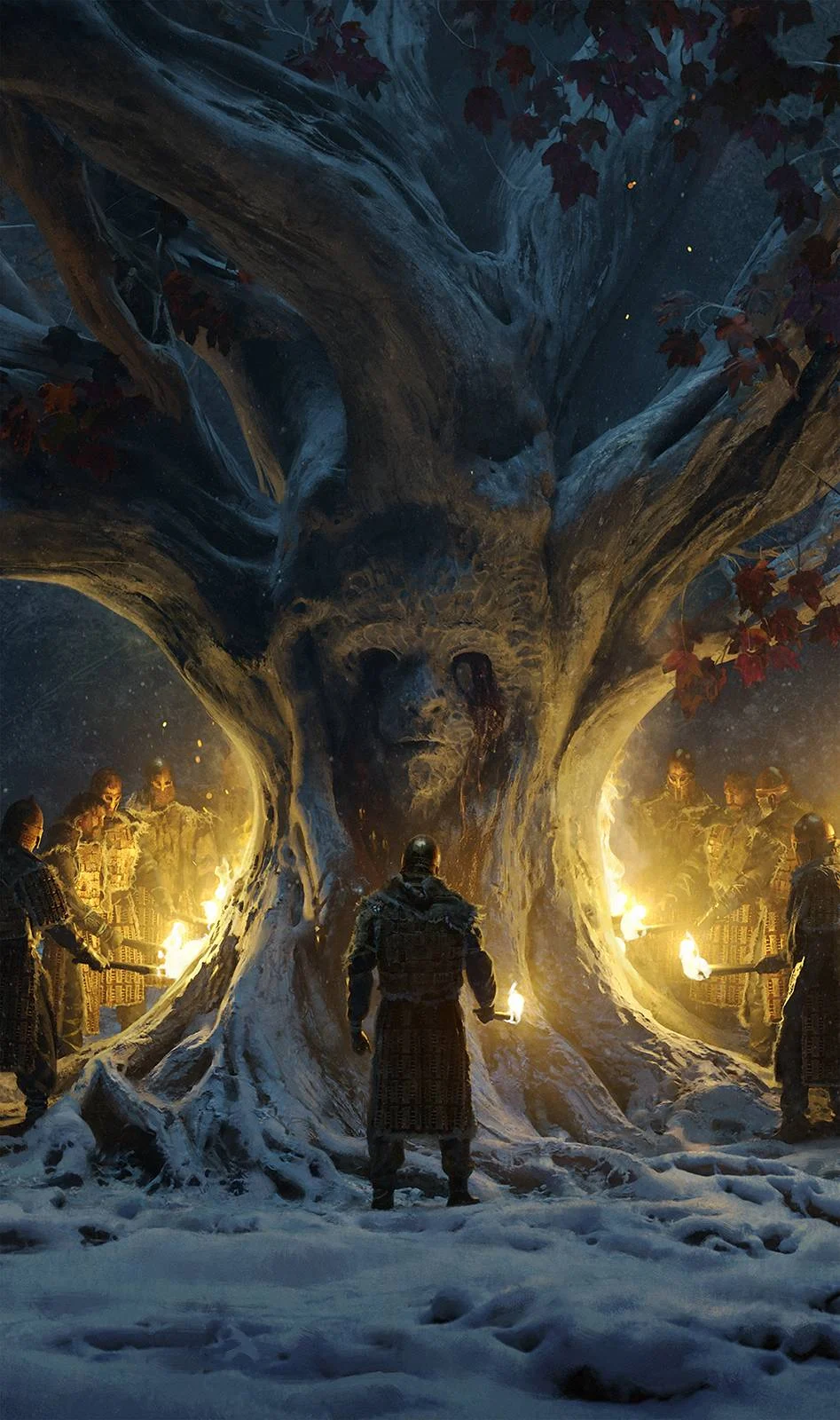
In the rapidly evolving landscape of the global entertainment industry, the bridge between a writer’s script and the final frame on a cinema screen or a pixel on a gaming monitor is built by a specialized group of visionaries: concept artists. Recently, Concept Art World (CAW), a premier digital institution dedicated to the craft of visual development, has underscored its role as a critical gatekeeper and gallery for this industry. By spotlighting the works of legendary designers like Eduardo Peña, Eric Ryan, and Jordan Lamarre-Wan, and championing the intricate world-building of films like Guillermo del Toro’s The Shape of Water, the platform is doing more than just showcasing portfolios—it is documenting the DNA of modern mythology.
As the industry grapples with the rise of generative technology and the shifting demands of digital media, the preservation of human-led artistry has become a focal point of professional discourse. Concept Art World’s latest updates serve as a testament to the enduring power of manual craftsmanship and the intellectual property rights of the creators who build our favorite worlds.
Main Facts: The Pillars of Modern Concept Design
The current landscape of visual development is defined by a handful of masters whose work dictates the aesthetic of multi-billion dollar franchises. Concept Art World has recently highlighted several key figures and projects that represent the pinnacle of the field:
- Eduardo Peña: A world-renowned concept architect and art director, Peña’s work is synonymous with scale and atmosphere. Known for his contributions to The Hobbit trilogy and Jupiter Ascending, his portfolio represents the intersection of architectural realism and high-fantasy imagination.
- Eric Ryan: A veteran of the gaming and film industries, Ryan’s expertise in character and creature design has been instrumental for studios like Sony Santa Monica (notably on the God of War series) and various Marvel projects. His work focuses on the anatomical integrity and psychological presence of digital beings.
- Jordan Lamarre-Wan and "Epic Mickey": The revival of interest in the concept art of Epic Mickey highlights a pivotal moment in gaming history where "Disneyana" was reimagined through a dark, steampunk lens. Lamarre-Wan’s work is a masterclass in thematic contrast and environmental storytelling.
- Guillermo del Toro’s The Shape of Water: The platform has brought renewed focus to the art book Creating a Fairy Tale for Troubled Times. This project serves as a case study in how concept art functions as the emotional heartbeat of a film, moving beyond mere "blueprints" to become a narrative force.
Beyond these highlights, Concept Art World has taken a definitive stand on the most pressing issue in the creative arts: the use of AI. The platform has officially prohibited the training of AI systems using its hosted content, marking a significant move in the protection of artist rights.
Chronology: The Evolution of the Concept Art Narrative
The journey of concept art from the "hidden" backrooms of production houses to the public-facing spotlight of sites like Concept Art World has been a multi-decade evolution.
- The 1970s–1990s (The Physical Era): Concept art was largely a physical medium. Artists like Ralph McQuarrie (Star Wars) and H.R. Giger (Alien) worked with gouache, oils, and airbrushes. Their work was rarely seen by the public until years after a film’s release.
- The 2000s (The Digital Revolution): The transition to tablets and Photoshop allowed for faster iterations. This era saw the rise of artists like Eduardo Peña, who could blend 3D modeling with digital painting to create hyper-realistic environments that directors could use to "scout" locations before they were ever built.
- 2010–2020 (The Rise of the Resource Hub): Platforms like Concept Art World emerged to aggregate this work. It was no longer enough to just see the movie; fans and aspiring professionals wanted to see the process. This decade saw the "Art of" book become a staple of coffee tables worldwide.
- 2021–Present (The Protectionist Era): With the advent of large language models and image generators, the chronology has shifted toward legal and ethical boundaries. Concept Art World’s current stance reflects a global movement among creative professionals to "de-center" AI and re-center the individual artist.
Supporting Data: The Impact of Visual Development
The importance of the artists featured on Concept Art World is backed by the sheer scale of the projects they influence.
- Economic Scale: The global concept art market is intrinsically tied to the video game and film industries, which are projected to reach a combined valuation of over $400 billion by 2028. Every dollar spent on a blockbuster production is filtered through the vision of the concept artist.
- The "Epic Mickey" Legacy: Jordan Lamarre-Wan’s work on Epic Mickey didn’t just serve a game; it revitalized the "Oswald the Lucky Rabbit" IP for Disney. This demonstrates how concept art can have a direct impact on corporate brand strategy and the revival of legacy characters.
- The "Del Toro" Effect: Guillermo del Toro’s The Shape of Water won four Academy Awards, including Best Picture. Critics and scholars point to the visual development phase—documented in the book featured by CAW—as the reason for the film’s success. The "Amphibian Man" went through hundreds of iterations to ensure he was both monstrous and empathetic, a task that required the nuanced touch of human designers.
Official Responses and Industry Stance
The creative community has responded with overwhelming support for the curated approach taken by Concept Art World. Industry leaders emphasize that the value of an artist like Eric Ryan or Eduardo Peña lies not just in their ability to render an image, but in their "visual literacy"—their understanding of history, culture, and physics.
The Anti-AI Mandate
In an official statement reflected in their site policy, Concept Art World clarified: "All images are © by the artist(s) or their respective copyright holders. Any training of AI systems using this content is strictly prohibited."
This response is a direct challenge to the "fair use" arguments posed by tech companies. By asserting these rights, CAW is positioning itself as a "safe harbor" for artists who fear their life’s work being synthesized into a data set without compensation or consent.
Artist Perspectives
While Eduardo Peña and Eric Ryan often speak through their work, their involvement with tutorial platforms and industry spotlights suggests a commitment to the "human-to-human" transfer of knowledge. Professional concept artists argue that while AI can generate a "cool image," it cannot "design." Design requires solving specific narrative problems—something the artists featured on CAW have spent decades mastering.
Implications: The Future of the Creative Workforce
The enrichment of the Concept Art World platform and its focus on high-tier talent like Peña and Ryan has several long-term implications for the entertainment industry:
1. The Professionalization of "World-Building"
We are seeing the emergence of "World-Building" as a standalone discipline. Eduardo Peña’s work, which often involves complex sociological and architectural thinking, suggests that the concept artist of the future will need to be part-historian, part-engineer, and part-philosopher.
2. The Premium on Human Originality
As the market becomes flooded with AI-generated imagery, the "human-made" label will likely become a premium brand. Sites like Concept Art World act as a verification system. By showcasing the process—the sketches, the failed iterations, and the final masterpieces—they provide the "proof of work" that audiences and studios are beginning to value more highly.
3. Educational Shifts
The inclusion of tutorials and artist spotlights on CAW indicates a shift in how the next generation is trained. There is a move away from "learning software" toward "learning to see." The focus on Jordan Lamarre-Wan’s Epic Mickey art, for example, teaches students about tone and subversion, lessons that go far beyond the technical ability to use a digital brush.
4. Legal Precedents in Digital Intellectual Property
The strict prohibition of AI training on the CAW platform may serve as a model for other digital galleries. If more major hubs for creative work adopt these terms, it could create a "walled garden" effect where the highest quality reference material is legally off-limits to scraping bots, potentially forcing a shift in how AI companies source their data.
Conclusion
Concept Art World remains a vital artery in the heart of the creative industries. By celebrating the careers of Eduardo Peña, Eric Ryan, and Jordan Lamarre-Wan, and by documenting the profound visual storytelling of The Shape of Water, the platform does more than just show us beautiful pictures. It reminds us that behind every dragon, every spaceship, and every haunted wasteland, there is a human mind attempting to make sense of the world through art.
In an era of digital uncertainty, the commitment to protecting these creators and their intellectual property is not just a policy—it is a defense of human imagination itself. As we look toward 2026 and beyond, the role of the concept artist as the primary architect of our collective dreams has never been more essential.




Leave a Comment