Justice in the Crosshairs: A Forensic Legal Analysis of the Trial of Frank Castle
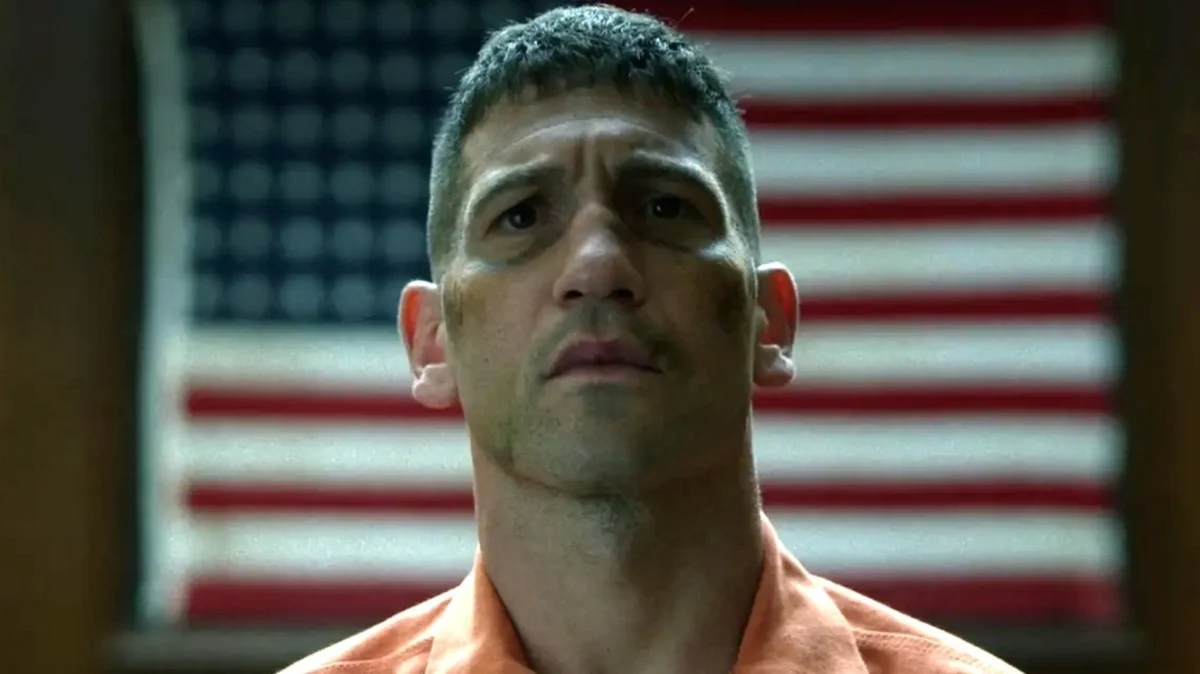
The legal system is built upon a fundamental, if sometimes uncomfortable, axiom: every individual, regardless of the depravity of their alleged crimes, is entitled to a vigorous defense. In the fictional landscape of the Marvel Cinematic Universe, perhaps no figure tests this principle more than Frank Castle, the lethal vigilante known as the Punisher. A decorated war veteran turned mass executioner, Castle represents a unique challenge for the judiciary—a defendant who admits to his crimes but remains a folk hero to some and a monster to others.
To understand the bridge between televised drama and the cold reality of the courtroom, we consulted with Alexander Conley, a practicing defense attorney and founder of Conley Law, PLLC. Conley, a graduate of New England Law Boston with extensive experience in the Massachusetts District and Superior Courts, provided a comprehensive "fact check" on the legal proceedings depicted in Daredevil Season 2, while offering a broader analysis of how the American legal system would truly handle a figure as volatile as the Punisher.
Main Facts: The Charges Against Frank Castle
In the context of the Netflix/Disney+ series, Frank Castle is not merely a petty criminal; he is a systematic disruptor of the social contract. His "punishment" of the criminal underworld involves hundreds of counts of first-degree murder, illegal possession of military-grade weaponry, arson, and kidnapping.
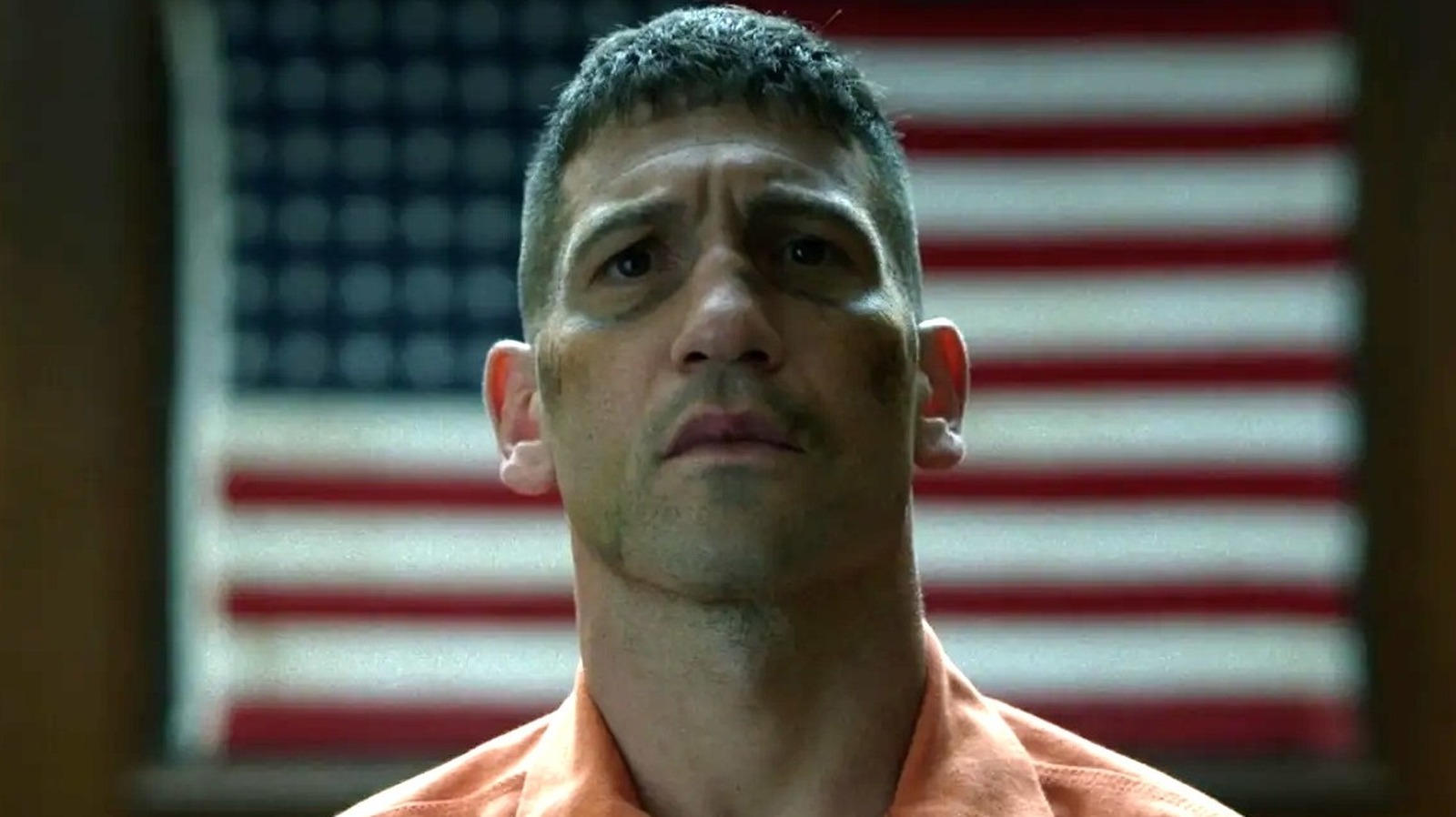
The core legal dilemma presented in the trial of the Punisher is the conflict between "malice aforethought"—the intent to kill—and the "insanity defense." Castle’s actions are undeniably premeditated; he plans his hits with tactical precision. However, his defense team, led by Matt Murdock and Foggy Nelson, posits that a traumatic brain injury (TBI) sustained during the massacre of his family rendered him incapable of adhering to the law.
Key Legal Stakes:
- The Charge: Multiple counts of first-degree murder, which in New York carries the potential for life imprisonment without the possibility of parole.
- The Defense Strategy: A "Lack of Criminal Responsibility" defense, commonly known as the insanity defense, coupled with a push for "Diminished Capacity" to reduce charges to manslaughter.
- The Prosecution’s Goal: A swift conviction to maintain public order and prevent the glorification of vigilantism.
Chronology: The Procedural Slog vs. Television Drama
In Daredevil Season 2, the trial of Frank Castle (the "People v. Frank Castle") moves with a kinetic energy that Alexander Conley notes is largely divorced from real-world legal timelines.
- The Arrest and Arraignment: Following a series of high-profile shootings in Hell’s Kitchen, Castle is apprehended. In reality, a case of this magnitude would involve years of discovery, pre-trial motions, and forensic analysis before a jury was ever empaneled.
- The Discovery Phase: The defense uncovers evidence of a conspiracy involving the District Attorney’s office and the botched sting operation that led to the death of Castle’s family. In a real trial, this would trigger extensive "Brady" motions (demands for exculpatory evidence).
- The Expert Testimony: The defense introduces medical evidence of Castle’s brain injury. Conley notes that in a real court, the prosecution would have months to hire their own experts to debunk these claims, leading to a "battle of the experts" that could last weeks.
- The "Hostile Witness" Meltdown: The trial concludes abruptly when Frank Castle takes the stand and essentially confesses to his crimes in a fit of rage, sabotaging his own defense. While dramatic, Conley points out that the procedural handling of this moment—specifically Matt Murdock’s monologue to the jury—violates standard courtroom rules.
"Trials are generally a slow, methodical process," Conley explains. "The speed at which the Punisher’s trial moves is designed for narrative tension, but it bypasses the administrative reality of the New York court system."
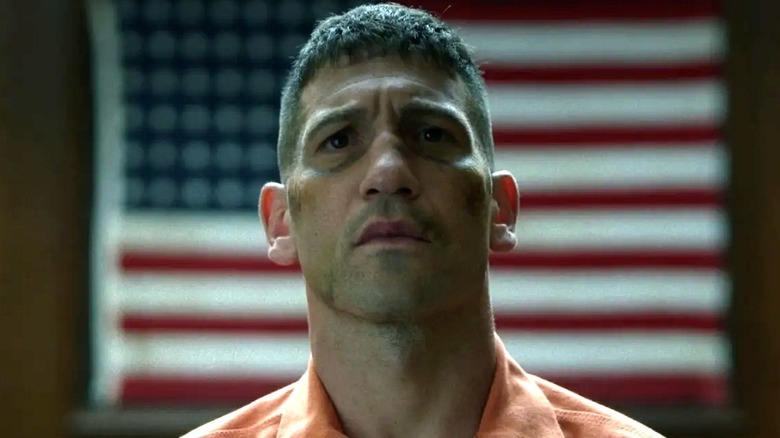
Supporting Data: The Viability of the "Insanity Defense"
The crux of the Punisher’s defense is his mental state. Under the M’Naghten Rule (and various modern adaptations), a defendant can be found not guilty by reason of insanity if they did not understand the nature of their act or did not know the act was wrong.
The Brain Injury Defense
Alexander Conley finds the show’s use of the brain injury defense to be one of its more accurate elements. "It’s a reasonable defense to pursue a lack of criminal responsibility defense in that circumstance," Conley says. Frank Castle suffered a gunshot wound to the head; neurologically, this can lead to an inability to regulate impulses or a permanent state of "fight or flight."
However, the hurdle is Castle’s high level of functioning. The prosecution would argue that his ability to clean weapons, plan logistics, and evade police demonstrates a clear "appreciation of the wrongfulness" of his actions. He isn’t killing at random; he is choosing targets based on a personal moral code, which suggests a functioning, albeit warped, intellect.
Character Evidence and FRE 404
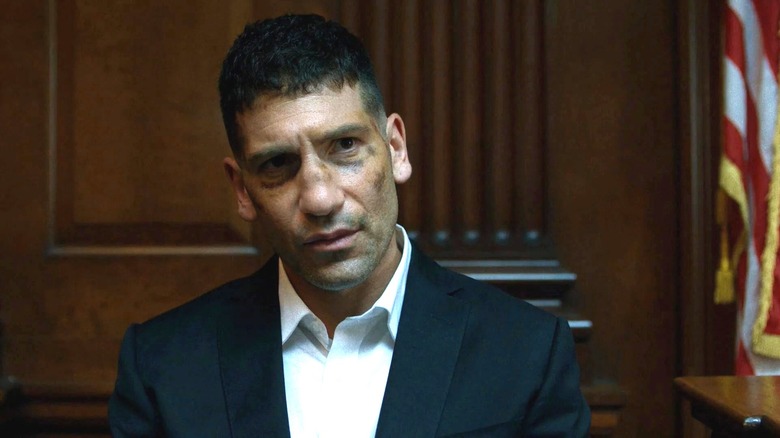
The trial heavily utilizes "character evidence," such as the testimony of Colonel Ray Schoonover. Under the Federal Rules of Evidence (specifically Rule 404), evidence of a person’s character is generally not admissible to prove that on a particular occasion the person acted in accordance with that character.
"Character evidence usually doesn’t come in," Conley clarifies. "They try to get around it by using it as evidence of his potential mental state. If you can get it in, it’s helpful for sympathy, but judges are usually very strict about preventing a trial from becoming a referendum on whether the defendant is a ‘good person’ overall."
Official Responses: An Attorney’s Critique of the Murdock/Nelson Strategy
When asked to evaluate the performance of the fictional attorneys, Conley highlighted a major breach in legal protocol during the climax of the trial. In the show, Matt Murdock asks to treat his own client as a "hostile witness" so he can cross-examine him.
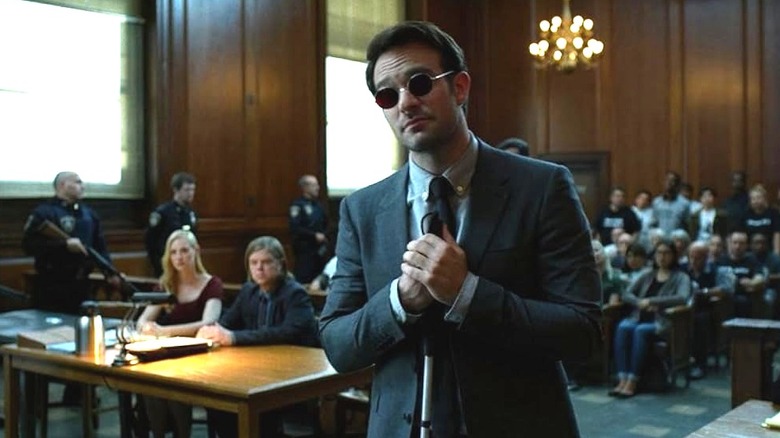
"Matt basically starts testifying himself as to what he wants the jury to hear," Conley notes. "That would never be allowed. He goes on a monologue to the jury. No judge would permit an attorney to replace a witness’s testimony with their own narrative in that manner."
Furthermore, Conley points out the ethical tightrope of the defense. A defense attorney’s job is to provide the best representation possible, but when a client like Castle actively seeks to be convicted or "punished," it creates a conflict between the client’s wishes and the attorney’s duty to the law.
Implications: Jury Nullification and the "Punisher" Effect
Perhaps the most fascinating aspect of a potential Punisher trial is the risk of Jury Nullification. This occurs when a jury believes a defendant is guilty according to the law but chooses to acquit them because they disagree with the law itself or sympathize with the defendant’s motives.

The Robin Hood Dilemma
"Motive is usually not part of what you’re permitted to argue," says Conley. You cannot legally argue that stealing is okay because you gave to the poor. However, in the court of public opinion, the Punisher’s motive—cleaning up a corrupt city that the police have failed—is incredibly persuasive.
Real-World Parallels
Conley draws a parallel to the recent case of Luigi Mangione, accused of killing UnitedHealthcare CEO Brian Thompson. The social media reaction to that case revealed a disturbing level of public sympathy for the alleged killer based on grievances with the healthcare industry.
"For a case like the Punisher, where there’s so much potential publicity, you would have to find jurors who can put aside preconceived notions," Conley explains. "In the Marvel Universe, finding twelve people in New York who haven’t been affected by vigilante violence or who don’t have an opinion on the Punisher would be an impossible task for any prosecutor."
The Judge’s Discretion
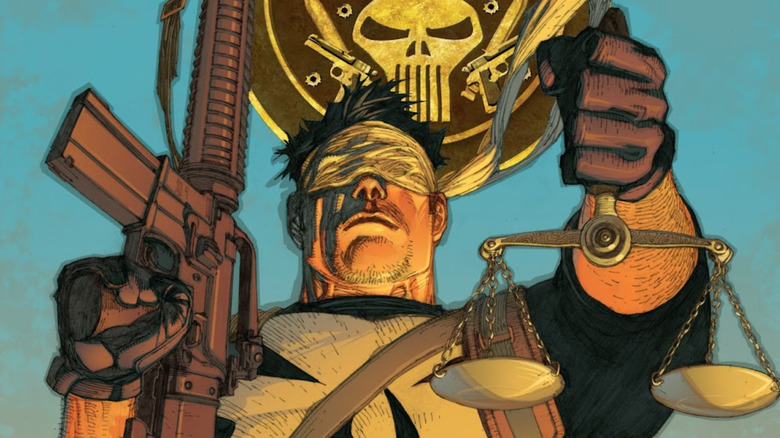
Even if a jury finds Castle guilty, the final "punishment" rests with the judge. During sentencing, a judge can consider mitigating factors that a jury cannot. A "tough on crime" judge might see Castle as a necessary evil, while a constitutionalist would see him as the ultimate threat to the rule of law.
Conclusion: The Verdict on the Vigilante
The trial of Frank Castle serves as a mirror to the anxieties of a society that feels the legal system is broken. While Daredevil Season 2 takes significant liberties with courtroom procedure for the sake of drama, it captures the essential difficulty of trying a "heroic" murderer.
As Alexander Conley concludes, the true challenge of taking the Punisher to trial isn’t the evidence—the evidence of his guilt is overwhelming. The challenge is the human element: a jury’s potential to embrace the very chaos the law is designed to prevent. In the end, the trial of the Punisher is less about the guilt of one man and more about the fragility of the institutions tasked with judging him.