LAcon V Worldcon Film Festival Unveils Stellar 2026 Winners, Celebrating Global Speculative Cinema
Anaheim, CA – [Date of publication, e.g., October 26, 2024] – The LAcon Worldcon Film Festival, an eagerly anticipated new addition to the venerable World Science Fiction Convention, today announced the esteemed award-winning films for its 2026 iteration. Held in conjunction with LAcon V, the 84th World Science Fiction Convention, the festival is set to showcase a diverse and imaginative slate of international cinema at the Anaheim Convention Center from August 27 to 31, 2026.
This year’s festival experienced an unprecedented level of engagement, receiving over 100 submissions from independent filmmakers representing more than 25 countries across six continents. The winning selections stand as a testament to the vibrant health and boundless creativity within international science fiction, fantasy, horror, animation, and independent filmmaking, promising attendees an unparalleled cinematic journey into the speculative.
Shawn Marier, the festival director, expressed immense pride in the curated lineup. "I’m very proud of the films we’ve selected for the LAcon Film Festival," Marier stated. "They prove that speculative fiction is alive and well in the international independent film world. One of the highlights for me is getting to show speculative fiction films from around the globe." His remarks underscore the festival’s core mission: to provide a global platform for genre cinema, fostering cross-cultural appreciation for narratives that explore the limits of imagination.
The LAcon Worldcon Film Festival marks only its second annual occurrence, building upon the highly successful pilot project launched during the 2025 World Science Fiction Convention in Seattle. This rapid establishment highlights a growing recognition within the Worldcon community of the vital role film plays in the broader speculative fiction ecosystem. Films are meticulously chosen by a distinguished jury comprising both seasoned filmmakers and dedicated fans, ensuring a selection process rooted in both artistic merit and genre authenticity. The 2026 jury included notable figures such as Tina Anderson, Kathy Bond, Ching-In Chen, Abie Ekenezar, Kin Ferate, Chris Garcia, David Haas, Kevin Lawrence, Arendse Lund, Sarah Scrivano, and Mark Sebring. Their collective expertise and passion were instrumental in sifting through a competitive field to identify the true gems of independent speculative cinema.
A Legacy of Imagination: The Chronology of Worldcon and Its Cinematic Evolution
The World Science Fiction Convention, affectionately known as Worldcon, boasts a storied history dating back to its inaugural gathering in 1939 in New York City. Conceived by a passionate community of science fiction enthusiasts, it rapidly evolved into the premier global event for celebrating speculative literature and art. For decades, Worldcon has served as the intellectual and social epicenter for fans, writers, artists, editors, and publishers of science fiction and fantasy, bestowing the prestigious Hugo Awards – a benchmark of excellence in the field – since 1953.
While literature, art, and academic discourse have traditionally formed the bedrock of Worldcon programming, the cultural landscape of speculative fiction has undergone significant transformation over the past half-century. Film and television have emerged as equally potent mediums for storytelling, capturing the imaginations of millions and bringing complex speculative concepts to a mainstream audience. Despite this burgeoning presence of genre cinema, a dedicated, official film festival remained an untapped frontier for Worldcon until recently.
The idea of a Worldcon Film Festival began to gain serious traction in the early 2020s, driven by a desire to fully embrace the multi-faceted nature of modern speculative storytelling. The 2025 World Science Fiction Convention in Seattle took the pioneering step of hosting a pilot film festival. This initial venture proved to be an overwhelming success, drawing enthusiastic audiences and demonstrating a clear demand for a curated cinematic experience within the convention’s framework. The Seattle pilot established critical operational blueprints, from submission protocols and jury selection processes to screening logistics and award categories, all while maintaining the inclusive and community-focused ethos inherent to Worldcon. Lessons learned from Seattle, particularly regarding audience engagement, technical requirements, and the balancing of diverse genre interests, were meticulously integrated into the planning for LAcon V.
Building on this successful precedent, LAcon V embraced the film festival as a full-fledged component of its 2026 programming. The organizational team, under the guidance of Shawn Marier, meticulously crafted a framework designed to elevate independent genre cinema. The decision to host the festival at the Anaheim Convention Center, a sprawling and technologically advanced venue, further underscored the commitment to providing a professional and accessible platform for filmmakers. The call for submissions for the 2026 festival resonated widely, tapping into a global network of independent artists eager for exposure and recognition within the esteemed Worldcon environment. The remarkable volume and international diversity of submissions speak volumes about the festival’s immediate impact and its potential to become a cornerstone event for genre filmmakers worldwide.
Global Visions: Supporting Data and Thematic Richness of the 2026 Selections
The LAcon Worldcon Film Festival’s achievement in attracting over 100 submissions from more than 25 countries signifies not merely quantitative success, but a profound qualitative endorsement of its vision. This impressive turnout highlights the festival’s growing reputation as a significant nexus for independent speculative fiction filmmakers. The geographical breadth of submissions, spanning North America, Europe, Asia, Africa, and Oceania, confirms speculative fiction’s universal appeal and its capacity to transcend cultural boundaries, reflecting diverse societal concerns through the lens of the fantastic.
The winning films of 2026 offer a fascinating cross-section of contemporary genre filmmaking, demonstrating both technical prowess and narrative depth. While American productions dominated several categories, key international wins underscore the global nature of speculative storytelling:
-
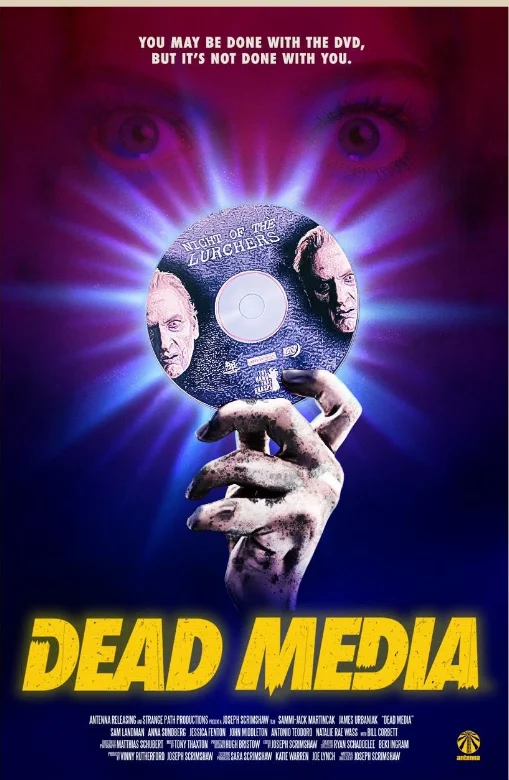
Best Feature (Over 45 minutes): Dead Media
- Director: Joseph Scrimshaw | Country: United States
- Screening: Friday, August 28 at 6:00 PM
- Dead Media hints at a thematic exploration of obsolete technologies, forgotten narratives, or perhaps even the cultural remnants of a bygone era. In an increasingly digital world, the concept of "dead media" can evoke a sense of nostalgic dread or a cautionary tale about our reliance on fleeting platforms. Scrimshaw’s work likely delves into the social or psychological impact of such themes, perhaps through a science fiction or horror framework.
-
Best Featurette (15–45 minutes): Pocket Change
- Directors: Tanner Mobley & Heston Roewe | Country: United States
- Screening: Saturday, August 29 at 11:00 AM
- The title Pocket Change suggests a smaller, perhaps more intimate story, or one where seemingly insignificant elements have profound consequences. It could be a poignant fantasy about overlooked magic, a subtle sci-fi narrative about minor temporal shifts, or a low-budget horror piece where a small item holds immense power.
-
Best Short (Under 15 minutes): Battle of LA
- Director: Patrick Pizzolorusso | Country: United States
- Screening: Saturday, August 29 at 3:00 PM
- This title immediately evokes large-scale conflict, possibly an alien invasion or a dystopian urban warfare scenario set in Los Angeles. As a short film, it would likely focus on a concentrated moment of action, a character’s struggle for survival, or a powerful visual statement on the nature of conflict.
-
Best Science Fiction: One Minute Problem

- Director: Nicolás Delgado de la Cámara | Country: United States
- Screening: Sunday, August 30 at 5:00 PM
- The brevity implied by One Minute Problem suggests a high-concept, intellectually stimulating piece that uses a sci-fi premise to explore a philosophical or ethical dilemma within a constrained timeframe. It could be a commentary on time travel, artificial intelligence, or a unique technological singularity.
-
Best Fantasy: The Screenwriter
- Director: Mark Petrasso | Country: Italy
- Screening: Thursday, August 27 at 1:00 PM
- Italy’s win in the Best Fantasy category with The Screenwriter is particularly intriguing. This film might delve into meta-narratives, where the act of creation itself becomes fantastical, or where a screenwriter’s fictional worlds bleed into reality. It hints at a sophisticated exploration of imagination, storytelling, and perhaps the magical realism often found in European cinema.
-
Best Horror: Bug
- Director: Filip Momirovski | Country: North Macedonia
- Screening: Sunday, August 30 at 1:00 PM
- North Macedonia’s Bug taking Best Horror suggests a potent, perhaps allegorical, exploration of fear. The title itself is primal and unsettling, hinting at body horror, psychological terror, or a socio-political commentary disguised within a creature feature. It represents a significant international contribution to the horror genre, showcasing unique cultural perspectives on dread.
-
Best Animated: The Black Smoke of Prediction…
- Director: Damir dado Šuša | Country: Croatia
- Screening: Saturday, August 29 at 5:00 PM
- Croatia’s The Black Smoke of Prediction… in animation promises a visually distinctive and perhaps surreal narrative. Animation offers unparalleled freedom in expressing fantastical or abstract concepts, and this title suggests a mystical, prophetic, or even apocalyptic theme, potentially drawing on folklore or unique artistic styles.
-
Best Student Film: My Name is Ringo
- Director: Jon Peter Lewis | School: University of Southern California (USC) | Country: United States
- Screening: Friday, August 28 at 1:00 PM
- The inclusion of a Best Student Film category, won by a USC production, highlights the festival’s commitment to nurturing emerging talent. My Name is Ringo likely showcases a fresh perspective and innovative approach, indicative of the next generation of genre filmmakers being trained at prestigious institutions.
The jury, comprised of diverse voices from both filmmaking and fandom, played a crucial role in curating this eclectic collection. Their combined insights ensured that the selected films not only met high technical and artistic standards but also genuinely resonated with the spirit of speculative fiction, embodying the genre’s capacity for wonder, critique, and boundless imagination. The predominantly American winners in the short-form categories reflect the robust independent filmmaking scene in the United States, particularly in the genre space, while the international victories in Feature, Fantasy, Horror, and Animation underscore the festival’s truly global reach and commitment to showcasing diverse cinematic voices.
Official Responses and the Vision for Speculative Cinema
The enthusiasm emanating from the festival organizers is palpable, particularly from Director Shawn Marier. His statement reflects not just satisfaction with the selection process, but a profound belief in the power of independent film as a vehicle for speculative storytelling. "Getting to show speculative fiction films from around the globe" is more than a logistical achievement; it is a philosophical statement about the festival’s role in fostering a truly international dialogue through genre. Marier’s vision likely extends to creating a space where filmmakers, often working with limited budgets, can find a receptive and knowledgeable audience, bridging the gap between niche interest and mainstream recognition.
Representatives from LAcon V and the Southern California Institute for Fan Interests (SCIFI), Inc., the non-profit organization presenting the convention, are expected to echo this sentiment, emphasizing the synergistic relationship between the film festival and the broader Worldcon experience. A spokesperson for LAcon V, speaking hypothetically, might articulate, "The Worldcon Film Festival is rapidly becoming an indispensable part of LAcon V. It enriches the convention’s offerings by demonstrating the incredible vibrancy of speculative fiction across all mediums. Our aim is to not only celebrate established literary and artistic talent but also to shine a spotlight on the visionary filmmakers who are pushing the boundaries of what’s possible on screen."
The successful integration of the film festival into Worldcon programming also sends a clear message to the filmmaking community: Worldcon is a welcoming and credible platform for genre cinema. For the winning filmmakers, the recognition provides not only prestige but also invaluable exposure. While direct quotes from the directors are not yet available, one can imagine their sentiments revolving around gratitude for the platform, excitement to share their unique visions with a dedicated audience, and the honor of being recognized by a jury that understands the nuances of speculative storytelling. A winning director might express, "To have our film recognized at Worldcon, an institution synonymous with the very best in science fiction and fantasy, is an incredible honor. It validates the hard work and passion we poured into bringing our story to life and gives us an invaluable opportunity to connect with a global community that truly understands and appreciates our genre." Such responses would underscore the festival’s role as a vital launchpad for independent cinematic voices.
Implications for the Future of Independent Speculative Film and Worldcon
The establishment and rapid success of the Worldcon Film Festival, particularly its 2026 iteration at LAcon V, carries significant implications for both the independent speculative fiction film scene and the future trajectory of Worldcon itself.
Firstly, for independent filmmakers, the festival offers a crucial, high-profile platform. In an industry often dominated by studio blockbusters, finding avenues for distribution and audience engagement can be challenging for independent productions. Worldcon, with its dedicated and discerning audience of hundreds, if not thousands, of genre enthusiasts, provides an unparalleled opportunity for these films to be seen, discussed, and celebrated. This exposure can be instrumental in securing further funding, attracting distributors, or simply building a grassroots following for emerging talents. The festival’s international scope further means that filmmakers from less traditional cinematic hubs have a chance to gain global recognition, fostering a truly diverse and inclusive genre landscape.
Secondly, the festival strengthens Worldcon’s identity as a comprehensive celebration of speculative fiction in all its forms. By formally embracing cinema, Worldcon acknowledges the evolution of the genre and its pervasive influence across media. This expansion attracts a broader demographic of attendees, including film students, industry professionals, and fans who primarily engage with speculative fiction through visual narratives. It enriches the overall convention experience, offering diverse programming that caters to a wider array of interests beyond the traditional literary panels and author readings. The film festival, alongside the Hugo Awards, firmly positions Worldcon as a central hub not just for literary excellence but for cinematic innovation within the speculative realm.
Looking ahead, the future prospects for the Worldcon Film Festival appear exceedingly bright. Its success suggests a trajectory of growth, potentially leading to increased submissions, expanded programming, and even greater international participation. There is a strong possibility that the festival could inspire other genre conventions to integrate similar cinematic components, thereby creating a more robust network for independent genre film exhibition globally. The festival also plays a crucial role in bridging the perceived gap between literary and cinematic speculative fiction, demonstrating that both mediums are equally powerful in exploring complex themes, envisioning new worlds, and challenging human perception.
Economically and culturally, hosting such an event has tangible benefits for Anaheim and the broader Southern California region. It draws an international audience, contributing to local tourism and hospitality sectors. More importantly, it reinforces Southern California’s long-standing legacy as a global center for entertainment and storytelling, showcasing its capacity to host not just major studio productions but also the cutting edge of independent and international genre cinema.
As LAcon V approaches in August 2026, the Worldcon Film Festival stands as a testament to the enduring power of imagination, a vibrant showcase for global talent, and a promising new chapter in the rich history of the World Science Fiction Convention. The announcement of its 2026 winners is not merely a list of titles, but a clarion call to celebrate the diverse and dynamic future of speculative storytelling on screen.