The Pulsating Earth: Oskar Lehemaa and the Evolution of Estonian Folk-Body Horror
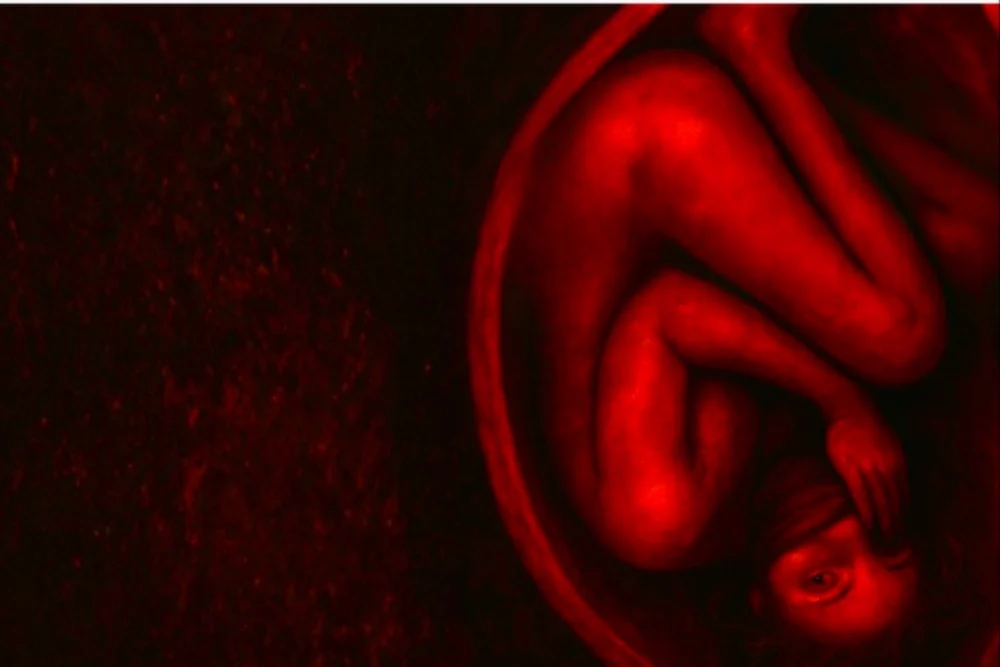
The intersection of visceral body horror and the atmospheric dread of folk traditions has long been a fertile ground for cinema. From the rural isolation of The Wicker Man to the clinical terror of David Cronenberg, the genre thrives on the subversion of the familiar. Now, Estonian director Oskar Lehemaa is poised to bridge these two worlds with his upcoming English-language debut, Birth.
Unveiled at the prestigious Frontières Co-Production Market, Birth represents a significant leap for both the director and the burgeoning Estonian film industry. By blending the primal anxieties of parenthood with the ancient, untamed mysteries of the Baltic wilderness, Lehemaa aims to create a "high-visibility European genre film" that challenges the boundaries of contemporary horror.
Main Facts: The Genesis of ‘Birth’
At its core, Birth is a narrative of desperation and the dark side of the biological clock. The story follows Carl and Emma, a couple who have spent years navigating the grueling and often heartbreaking world of infertility. On the precipice of beginning IVF—a process often described as a clinical and emotional gauntlet—they decide to seek a "last resort." This takes them deep into the Estonian woods to a secluded fertility retreat that promises natural, ancient solutions to their modern problem.
However, the retreat’s methods are far from holistic wellness. As the couple becomes embroiled in the retreat’s enigmatic rituals, they realize they have not been invited as guests, but as essential components of a sacrificial rite.
The project marks Lehemaa’s first foray into English-language filmmaking, a strategic move designed to broaden the film’s international reach while maintaining its distinctly Estonian soul. Produced by Stellar Film, led by Evelin Penttilä and Johanna Maria Tamm, and supported by the Tallifornia Film Fund, Birth is being positioned as a prestige genre title aimed at the global festival circuit and wide distribution.
Chronology: From ‘Bad Hair’ to the Global Stage
Oskar Lehemaa’s rise in the international film community has been marked by a penchant for the "grotesque" and the "uncompromising." To understand the trajectory of Birth, one must look at the milestones of Lehemaa’s career:
- The ‘Bad Hair’ Breakthrough (2019): Lehemaa first gained international notoriety with his short film Bad Hair (Karv). A masterclass in body horror, the short depicted a balding man’s descent into madness after using a mysterious hair growth serum. The film was a hit at Sundance and several genre festivals, establishing Lehemaa as a director who could find horror in the mundane aspects of physical vanity.
- ‘The Old Man Movie’ (2019): Demonstrating his versatility, Lehemaa co-directed The Old Man Movie (Vanamehe film), a stop-motion animated comedy. While seemingly a departure from horror, the film retained a gritty, surrealist edge and a deep connection to Estonian cultural tropes, further solidifying his reputation as a unique voice in Baltic cinema.
- Development of ‘Birth’ (2022–2023): Following his success in shorts and animation, Lehemaa began developing the script for Birth. The concept was born from a desire to explore the paradoxes of creation and the terrifying reality of the human body’s biological functions.
- Frontières Co-Production Market (2024): The project was officially presented at Frontières, the premier market for genre films held in conjunction with the Fantasia International Film Festival and the Marché du Film in Cannes. This platform has historically been a launchpad for modern classics like Raw and The Void.
- Pre-Production and Partnership (Present): With Stellar Film and Tallifornia on board, the project is currently in the late stages of development, securing international co-production partners in Scandinavia and Ireland to finalize the budget and logistical framework for a high-scale production.
Supporting Data: The Rise of Baltic Genre Cinema and Folk Horror
The development of Birth coincides with two major trends in the global film industry: the revitalization of folk horror and the emergence of the Baltic states as a hub for high-quality production.
The Folk Horror Revival
Since the mid-2010s, films like Robert Eggers’ The Witch and Ari Aster’s Midsommar have signaled a "folk horror revival." Audiences are increasingly drawn to stories that explore the "uncanny" nature of rural life and the collision between modern rationality and ancient superstition. According to industry analysts, "elevated horror"—films that prioritize atmosphere and psychological depth alongside traditional scares—has seen a 25% increase in box office performance relative to traditional "slasher" films over the last decade.
Estonia as a Production Hub
Estonia has become an attractive destination for international filmmakers due to its competitive cash rebate system (up to 30% of local production costs) and its diverse landscapes. However, Birth represents a shift from Estonia being a mere filming location to being a creative powerhouse. Stellar Film has been at the forefront of this movement, fostering local talent that can compete on a global scale.
Technical Collaboration
A key data point in the production of Birth is the recruitment of cinematographer Elen Lotman. Lotman is one of the most respected DPs in Northern Europe, known for her ability to capture the texture of the natural world. The collaboration between Lehemaa’s "tightly composed" aesthetic and Lotman’s expertise in natural light is expected to provide the film with a visual language that is both claustrophobic and expansive.
Official Responses: The Vision Behind the Terror
In an extensive interview with Variety, Lehemaa and his producers detailed the thematic and artistic goals for the project.
Lehemaa on the Setting:
"The setting for ‘Birth’ came about very organically," Lehemaa explained. "It simply made sense to tell a story about pregnancy in an environment literally teeming with life: the Estonian forest. If you lie on the forest floor in Estonia in spring, you can practically feel life pulsating through the ground. Nature also opens the door to folk horror, a subgenre particularly well suited to be-careful-what-you-wish-for stories."
On the Paradox of Childbirth:
The director is particularly interested in the duality of the human experience. "I sincerely believe pregnancy and childbirth are nature’s greatest miracles. At the same time, they’re also profoundly grotesque and terrifying. ‘Birth’ explores both sides of that paradox… Perhaps one a little more than the other."
On Gender and Society:
Lehemaa noted that the film would not shy away from social commentary. "Parenthood is also shaped by deeply ingrained gender expectations, and I’m interested in gently poking at those assumptions and questioning the roles we take for granted."
Producer Evelin Penttilä’s Strategy:
Representing Stellar Film, Penttilä emphasized the commercial and artistic ambitions of the project. "We are in active dialogue with producers in Scandinavia and Ireland. Our aim is to position ‘Birth’ as a high-visibility European genre film, capable of traveling from leading festivals to global distribution. With Oskar’s uncompromising artistic vision, we are confident this project will leave a lasting impression."
Implications: A New Era for Estonian Storytelling
The production of Birth carries significant implications for the future of Estonian cinema and the horror genre at large.
1. Globalizing Local Folklore
By creating a "mysterious new cult" that is unique to the story while drawing on Estonian roots, Lehemaa is participating in a "globalized localism." This allows the film to feel authentic and grounded in a specific place while remaining accessible to an international audience that may not be familiar with Baltic mythology. It sets a precedent for how smaller film industries can export their culture through the "Trojan Horse" of genre cinema.
2. The Evolution of Body Horror
While body horror is often associated with technology or disease, Birth connects it to the most fundamental biological process: reproduction. This shift suggests a move toward more "organic" horror that resonates with contemporary anxieties about bodily autonomy, environmental collapse, and the pressures of the nuclear family.
3. Economic and Cultural Growth
If Birth achieves its goal of global distribution, it will serve as a proof-of-concept for the Estonian film industry’s ability to produce English-language content. This could lead to increased investment in the region and more opportunities for Baltic creators to lead international co-productions.
4. Audience Expectations
Lehemaa’s promise of "messed-up scenes that will permanently sear themselves into audiences’ brains" suggests that Birth will not be a "safe" horror film. In an era where many studio horror films rely on jump scares, Lehemaa is doubling down on the "uncompromising" imagery that defined Bad Hair. This positions Birth alongside the works of directors like Julia Ducournau (Titane) or Brandon Cronenberg (Possessor), catering to a sophisticated audience that craves visceral, challenging cinema.
As Birth moves through the production pipeline, it stands as a testament to the power of folk horror to address universal human fears. In the pulsating woods of Estonia, Oskar Lehemaa is preparing to deliver a film that explores the thin line between the miracle of life and the nightmare of the flesh. For the international film community, the arrival of Birth is not just the debut of an English-language director—it is the birth of a new chapter in European genre history.