Liang Wang’s "Into the Inhabited Silence": A Profound Exploration of Modern Isolation and Belonging
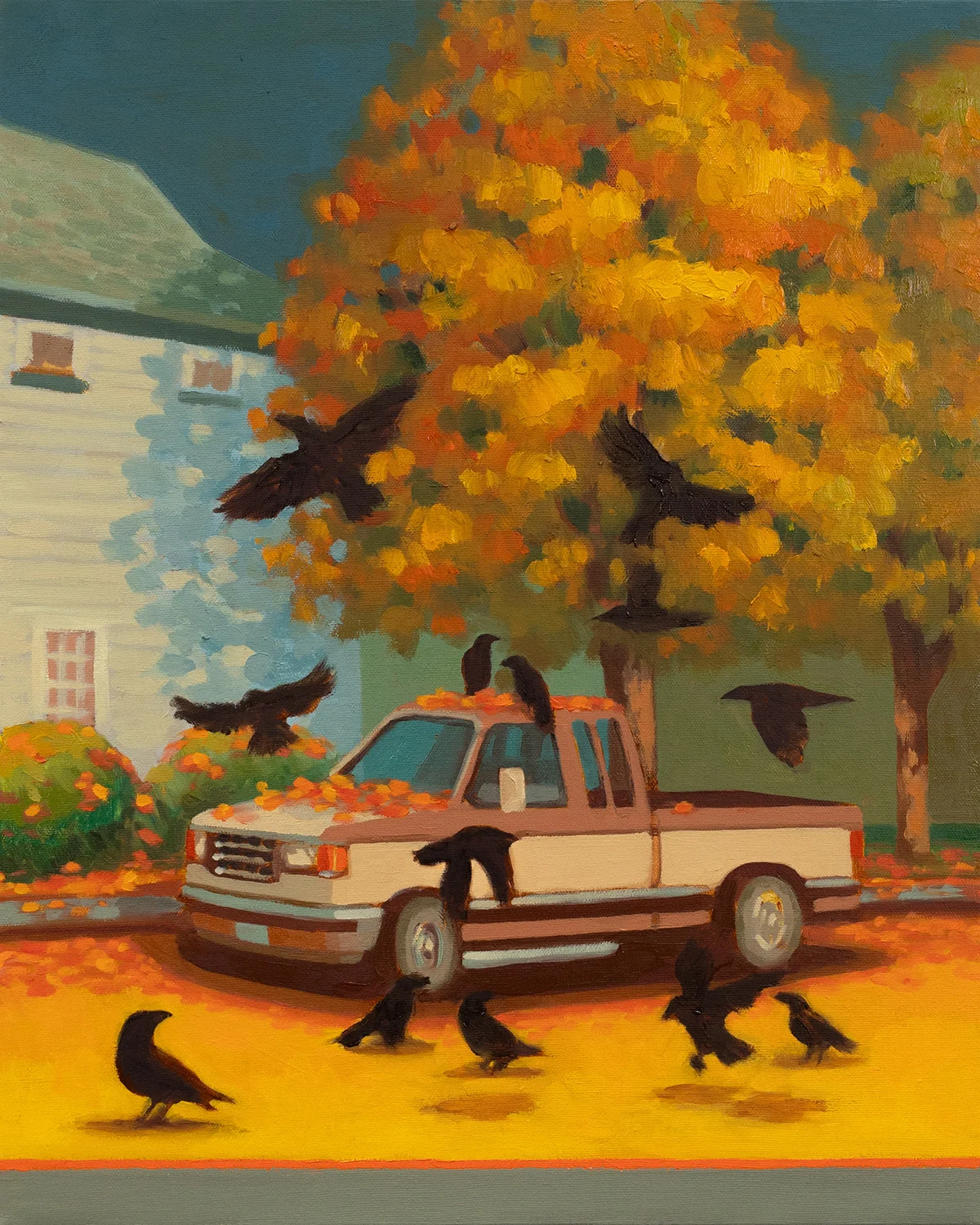
Vancouver, BC – A compelling new body of work by Taiwanese-Canadian painter Liang Wang is currently captivating audiences at Visual Space Gallery. Titled "Into the Inhabited Silence," the exhibition delves into the complex psychological landscapes of modern isolation, the enduring resonance of cultural memory, and the subtle yet significant frictions inherent in daily co-existence. Wang, a Vancouver-based artist holding a Bachelor of Fine Arts from OCAD University, leverages his personal journey across continents and cultures to craft an artistic practice that probes the very essence of belonging and the inherent vulnerabilities of displacement.
Unpacking the Core Themes: Isolation, Memory, and Co-existence
"Into the Inhabited Silence" is not merely a collection of paintings; it is a deeply introspective exploration of the human condition in the 21st century. Wang’s artistic inquiry is rooted in his lived experience, navigating the often-contradictory spaces between urban density and the untamed vastness of the natural world. His canvases serve as portals into the psychological territory where human habitation intersects with the infinite expanse of the wild, focusing on the humble structures humanity erects as anchors within the natural order.
The exhibition’s title itself, "Into the Inhabited Silence," is a powerful evocation of this theme. It suggests a conscious entry into a space that is both occupied and serene, a place where the external quietude allows for an internal reckoning. This silence, however, is not empty. It is "inhabited" by the echoes of our past, the anxieties of our present, and the quiet hum of our continued existence.
Wang’s personal narrative is intrinsically woven into the fabric of his art. Having spent significant portions of his formative years in bustling urban centers, the encounter with the "quiet vastness" of the Canadian West Coast marked a pivotal turning point in his perspective. This encounter introduced an "unfamiliar, heavy solitude" that, paradoxically, fostered a more profound and introspective mode of observation. This is the crucible from which "Into the Inhabited Silence" emerges.
A Cinematic Palette and the Visual Heartbeat of Solitude
The artist articulates his vision with striking clarity, revealing the deliberate choices behind his aesthetic. "In these paintings," Wang explains, "that isolation is translated through a high-key, cinematic palette." This deliberate use of color is not arbitrary. It aims to convey the internal experience of solitude, transforming it from a potentially oppressive force into something vibrant and almost luminous. The "vibrant, internal light of these structures acts as a visual heartbeat, pushing back against the dark weight of the surrounding forest." This imagery is potent, suggesting a tenacious assertion of human presence and inner life against the overwhelming power of nature.
The "dark weight of the surrounding forest" evokes the immense, often intimidating, presence of the natural world. It speaks to the sheer scale of nature compared to the often-fragile human endeavors within it. Yet, Wang’s "cinematic palette" imbues these structures with an undeniable vitality. They are not simply passive objects but actively resist the encroaching darkness, radiating an inner warmth and resilience. This juxtaposition is central to the exhibition’s thematic core.
Portraits of Co-existence: The Subtle Frictions of Shared Spaces
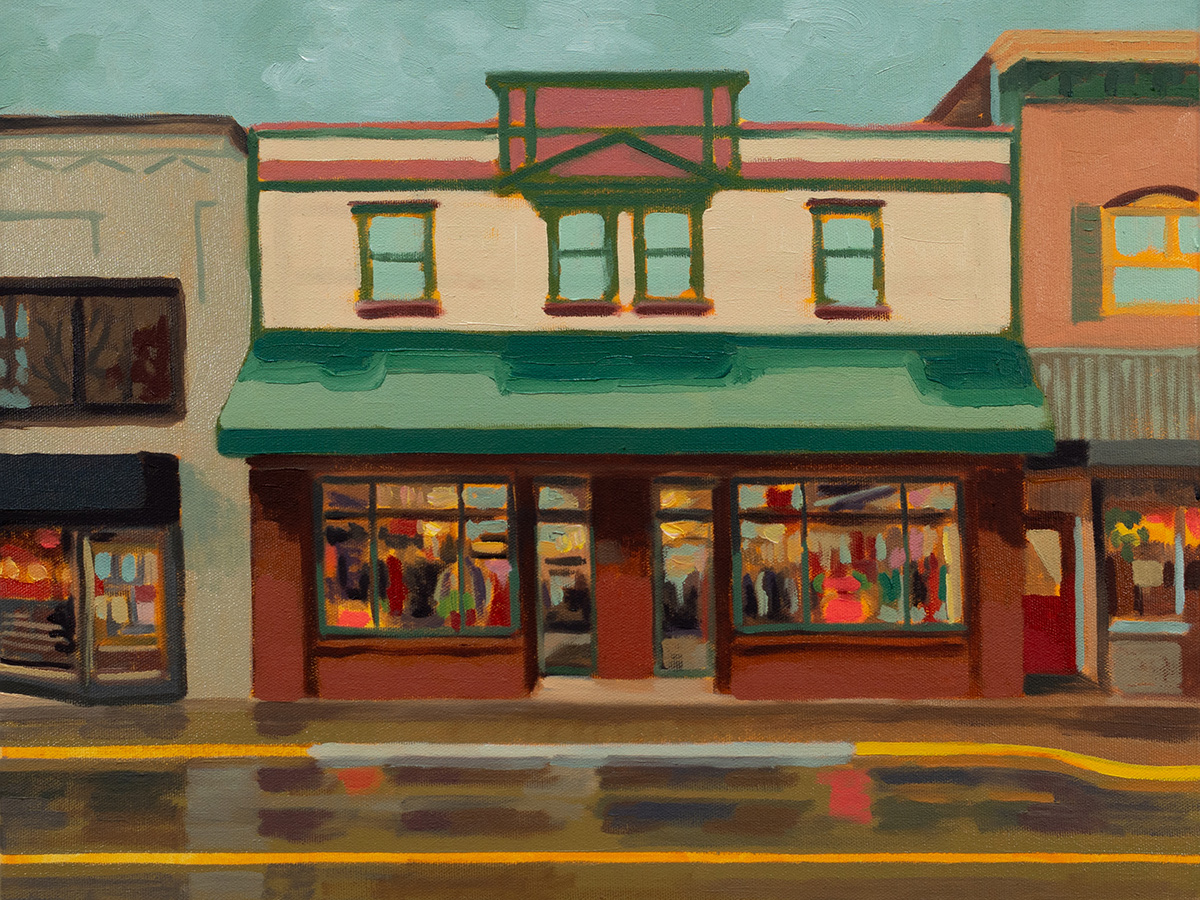
Ultimately, Wang posits that these works function as "portraits of co-existence." This is a crucial distinction. They are not solely about isolation but about how isolation is experienced and navigated within a shared environment. The paintings meticulously capture "the quiet friction of daily life in places where wildlife and human infrastructure share the same space." This is a reality for many, particularly in regions where human settlement encroaches upon or exists in close proximity to natural habitats.
The "quiet friction" is a subtle but profound observation. It speaks to the unspoken negotiations, the minor inconveniences, and the moments of unexpected connection that arise when distinct worlds collide. It could be the rustle of leaves hinting at an unseen creature, the distant call of an animal interrupting the domestic quiet, or the visual dissonance of a man-made structure nestled within a wild landscape. These are the subtle dialogues that Wang artfully portrays.
By "framing everyday utility against an overwhelming natural backdrop," Wang’s series achieves a dual purpose. Firstly, it "measures our fundamental smallness in the world." This is a humbling yet necessary realization, a reminder of humanity’s place within the grand tapestry of existence. The vastness of nature dwarfs our ambitions and our constructions, fostering a sense of perspective.
Secondly, and perhaps more importantly, the exhibition "honours the quiet ways we carve out a place to belong." Despite our inherent smallness, humanity possesses an enduring drive to create meaning, to establish roots, and to find a sense of home. The paintings celebrate these quiet acts of resilience, the everyday rituals and the humble dwellings that allow us to assert our presence and forge connections within the immense and often indifferent natural world.
Chronology of Artistic Development and Influences
While the exhibition "Into the Inhabited Silence" represents a current culmination of Liang Wang’s artistic vision, his practice is the product of a rich and evolving journey. Born in Taiwan and later immigrating to Canada, Wang’s upbringing was marked by a constant negotiation of cultural identities and geographical landscapes. This early exposure to diverse environments has undoubtedly shaped his artistic sensibilities, imbuing his work with a nuanced understanding of displacement and belonging.
His academic foundation at OCAD University provided him with a rigorous training in visual arts, honing his technical skills and fostering critical discourse around contemporary art practices. The BFA from such a reputable institution signifies a commitment to formal study and a deep engagement with the theoretical underpinnings of artistic creation.

Wang’s artistic trajectory can be seen as a continuous exploration of the themes that resonate most deeply with him: the internal lives of individuals, the impact of societal structures on personal well-being, and the complex relationship between humanity and the environment. His move to Vancouver, a city renowned for its stunning natural beauty and its own unique urban-natural interface, has provided fertile ground for his recent explorations. The specific qualities of the West Coast landscape – its dense forests, rugged coastlines, and the often-misty atmosphere – have clearly provided a powerful muse for "Into the Inhabited Silence."
The influences on Wang’s work are likely multifaceted, drawing from both historical and contemporary art movements. His "cinematic palette" might suggest an engagement with filmmakers who masterfully use color to evoke mood and emotion, or perhaps with painters who have explored the psychological impact of light and shadow. The focus on isolation and the human condition could also align with traditions of portraiture and genre painting, albeit with a contemporary, introspective twist.
Supporting Data: Thematic Resonance in Contemporary Art
The themes explored in "Into the Inhabited Silence" are not isolated to Wang’s oeuvre; they resonate deeply within the broader contemporary art landscape. In an era characterized by increasing urbanization, global interconnectedness, and the pervasive influence of digital technologies, the experience of isolation and the search for authentic connection have become paramount.
Artists worldwide are grappling with similar questions. The erosion of traditional community structures, the rise of social media’s curated realities, and the existential anxieties of a rapidly changing world have all contributed to a heightened awareness of individual solitude and the challenges of genuine human interaction. Wang’s work offers a visual language to articulate these often-inarticulable feelings.
Furthermore, the urgent discourse surrounding environmentalism and humanity’s relationship with the natural world provides another layer of context for Wang’s exhibition. As climate change looms and the impact of human activity on ecosystems becomes increasingly evident, artists are exploring themes of co-existence, stewardship, and the inherent value of the natural world. Wang’s focus on the "inhabited silence" and the delicate balance between human structures and the wild aligns with this critical dialogue.
The gallery’s decision to host "Into the Inhabited Silence" at Visual Space Gallery is also significant. Galleries often serve as arbiters of artistic merit and cultural relevance, selecting exhibitions that speak to contemporary concerns and offer new perspectives. The exhibition’s presence in a recognized gallery space lends it a degree of validation and provides a platform for wider public engagement.
Official Responses and Critical Acclaim
While specific official responses from art critics and institutions are not detailed in the provided content, the very act of exhibiting at Visual Space Gallery signifies a level of professional acknowledgment. The gallery itself, through its programming, implicitly endorses the artistic merit and thematic significance of the works it presents.
Art critics and curators, in their reviews and exhibition selections, play a crucial role in shaping public perception and understanding of an artist’s work. A positive reception from such figures would further amplify the impact of "Into the Inhabited Silence," drawing attention to Wang’s unique perspective and artistic achievements. The inclusion of the artist’s own statement is a powerful form of "official response," offering direct insight into his intentions and conceptual framework. This self-reflexivity is increasingly valued in contemporary art, allowing audiences to engage with the artist’s process and motivations.
Implications and Broader Significance
The implications of Liang Wang’s "Into the Inhabited Silence" extend beyond the gallery walls. In a world that often prioritizes outward connection and constant engagement, Wang’s work encourages a contemplation of the inner life and the value of quietude. It challenges the notion that solitude is inherently negative, instead suggesting that it can be a fertile ground for introspection, self-discovery, and a deeper appreciation of our surroundings.
The exhibition also serves as a poignant reminder of our interconnectedness, not only with each other but also with the natural world. By highlighting the subtle frictions and quiet accommodations of shared spaces, Wang prompts us to consider our responsibilities as inhabitants of this planet. His work encourages a more mindful and respectful engagement with the environments we occupy, urging us to find a harmonious balance between human needs and ecological preservation.
For individuals who have experienced displacement or cultural negotiation, Wang’s art offers a visual language of understanding and validation. His exploration of what it means to belong, and the inherent vulnerabilities of not belonging, can resonate deeply with those who have navigated similar journeys. The exhibition provides a space for reflection on identity, place, and the enduring human quest for connection.
In conclusion, Liang Wang’s "Into the Inhabited Silence" is a timely and profound exhibition that masterfully blends personal experience with universal themes. Through his evocative use of color, insightful compositions, and deeply considered thematic explorations, Wang invites viewers to confront the complexities of modern isolation, the enduring power of cultural memory, and the quiet yet persistent ways in which we seek to belong in an ever-changing world. The exhibition is a testament to the power of art to illuminate the human condition and to foster a deeper understanding of ourselves and our place within the vast, inhabited silence.