The End of an Era: Japanese Cultural Icon and Studio Ghibli Legend Akihiro Miwa Passes Away at 91
The world of international cinema, music, and Japanese cultural history lost one of its most luminous and defiant stars this week. Akihiro Miwa, the legendary singer, actor, and voice behind some of Studio Ghibli’s most iconic characters, has passed away at the age of 91. Known for a career that spanned over seven decades, Miwa was not only a titan of the arts but a pioneering figure in Japan’s LGBTQ+ movement and a tireless advocate for global peace.
The Final Curtain: Details of His Passing
On June 28, 2026, the agency representing Akihiro Maruyama—universally known by his stage name Akihiro Miwa—confirmed that the performer had died of natural causes on the morning of June 20. According to the official statement, Miwa passed away peacefully at 9:30 a.m., surrounded by the quiet dignity that characterized his later years.
The agency revealed that Miwa had been in declining health for several months, leading to a gradual withdrawal from the public eye. Despite his physical frailty, his spirit remained intact until the very end. His final reported words, "Thank you," were shared by his representatives as a final message of gratitude to the millions of fans who supported his avant-garde journey from the post-war ruins of Nagasaki to the heights of global stardom.
A private funeral service was held for close family and associates prior to the public announcement, honoring Miwa’s wish for a serene transition.
Chronology of a Resilient Life: From Nagasaki to the Stage
To understand the weight of Akihiro Miwa’s loss, one must look at the extraordinary timeline of his life, which mirrored the transformation of modern Japan.
Survival and the Birth of an Artist (1935–1951)
Born in Nagasaki in 1935, Miwa’s childhood was marked by one of the most cataclysmic events in human history. At the age of 10, he survived the atomic bombing of his hometown. This experience did more than just haunt him; it forged his lifelong commitment to pacifism. He often spoke of the "blinding light" and the subsequent silence, memories that fueled his later critiques of war and nuclear proliferation.
The Rise of a Chanson Singer (1952–1960s)
In 1952, at the age of 17, Miwa moved to Tokyo and began his career as a singer in the cabarets of Ginza. He specialized in French chanson, bringing a European sensibility to the Japanese stage. It was during this time that he began to challenge the rigid gender norms of the era. With his striking beauty and penchant for feminine attire, he became a sensation, often referred to as the "Sister of the Orchids."
Cinematic Success and Social Defiance (1960s–1980s)
Miwa transitioned into acting, starring in cult classics like Black Lizard (1968), where he played a high-society criminal mastermind. The film, based on a play by Yukio Mishima, cemented his status as a queer icon. Despite the social stigma surrounding homosexuality in 20th-century Japan, Miwa lived openly, refusing to hide his identity. He became a beacon for the LGBTQ+ community, proving that one could be both "othered" and immensely respected.
The Studio Ghibli Years (1990s–2000s)
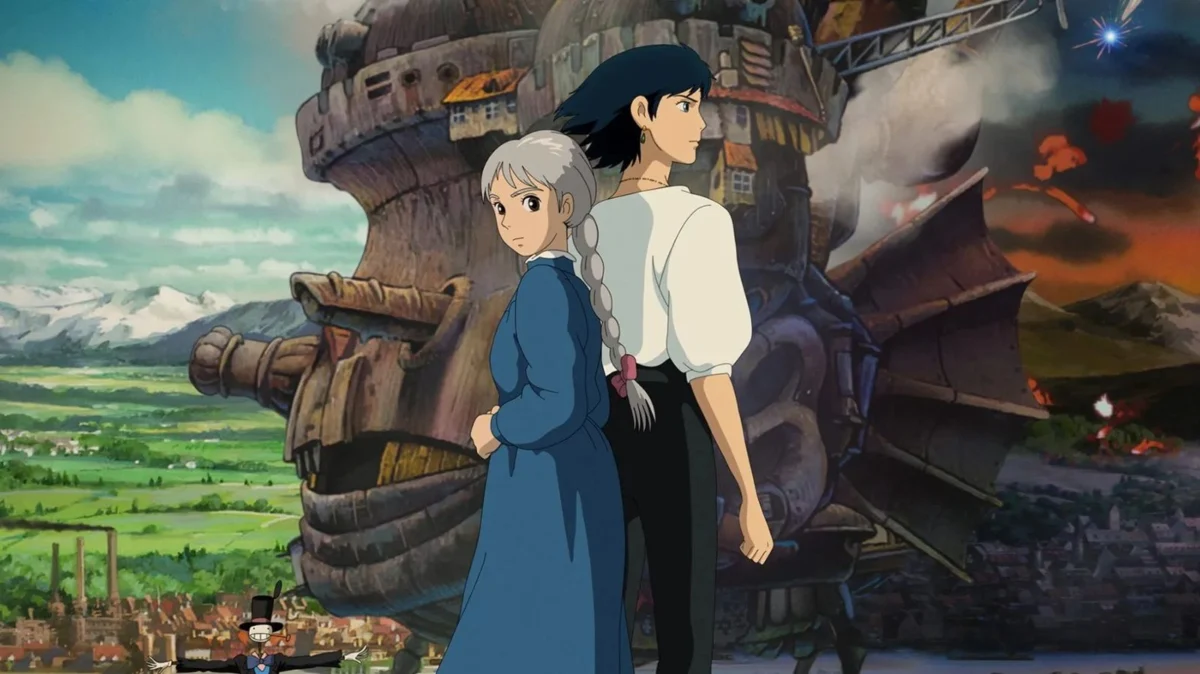
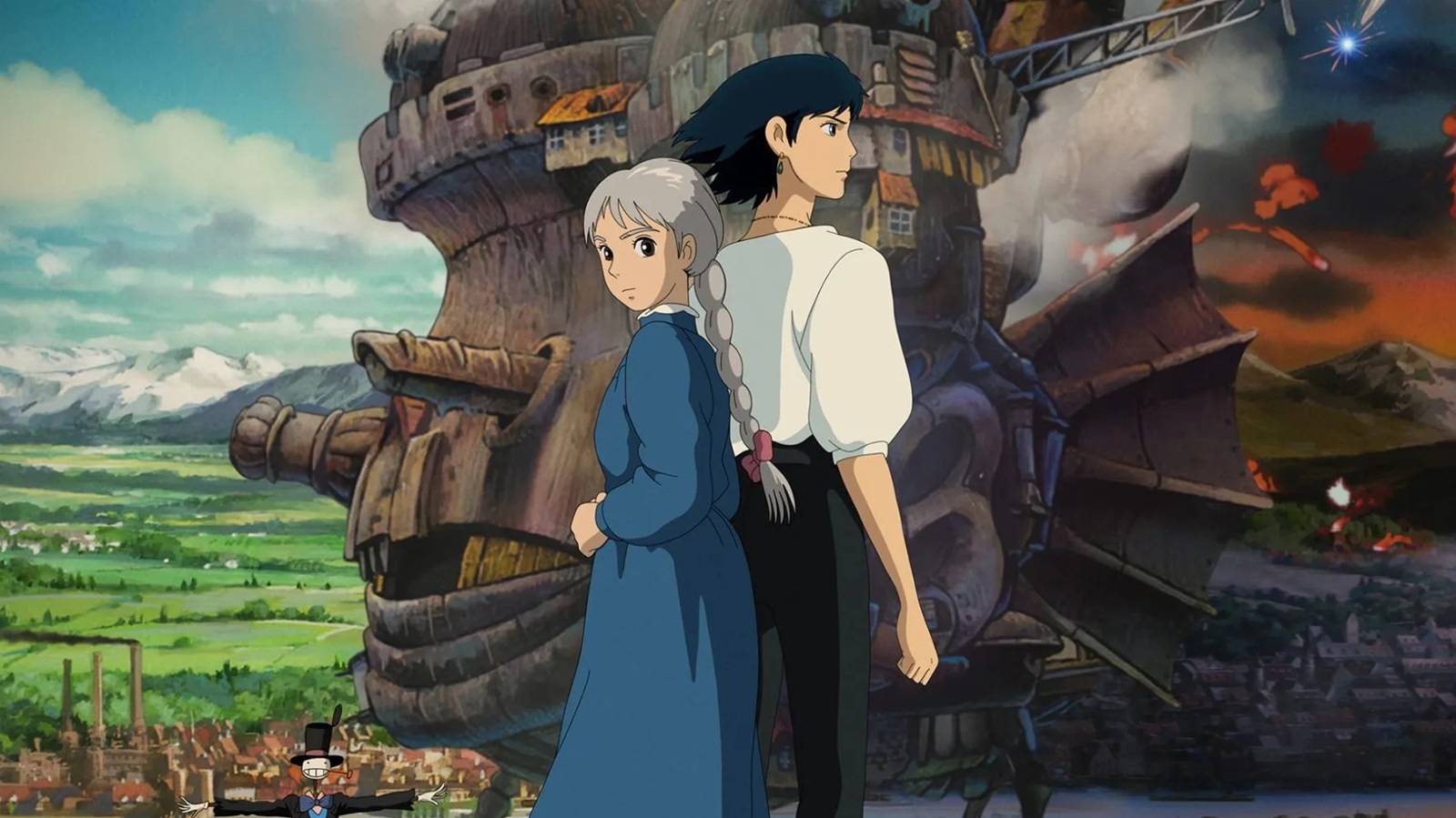
While already a household name in Japan, Miwa gained a new generation of international fans through his collaboration with legendary director Hayao Miyazaki. In 1997, he provided the voice for Moro, the ancient and terrifyingly wise wolf goddess in Princess Mononoke. In 2004, he returned to Ghibli to voice the Witch of the Waste in Howl’s Moving Castle. These roles required a voice that could convey both immense power and deep vulnerability—qualities Miwa possessed in abundance.
Supporting Data: A Legacy of Art and Activism
Miwa’s career was defined by its versatility. He was a polymath who excelled in every medium he touched.
- Musical Impact: Miwa is often credited with popularizing the "Yoito-make no Uta" (The Song of the Working Mother), a powerful tribute to the working class that broke social barriers and highlighted the struggles of poverty in post-war Japan.
- Literary and Philosophical Contributions: Throughout his life, Miwa authored numerous books on aesthetics, philosophy, and social issues. His 2019 recovery from a cerebral infarction became a testament to his resilience, as he continued to write and lecture even after his illness.
- The "Miwa Phenomenon": In the early 2000s, Miwa experienced a resurgence in popularity as a "spiritual guide" on Japanese television. His distinctive yellow hair and calm, authoritative presence made him a sought-after commentator on life, love, and morality.
Official Responses and Tributes
The news of Miwa’s passing has triggered a wave of tributes from the highest echelons of the Japanese entertainment industry and beyond.
Takuya Kimura, the actor who voiced the titular wizard in Howl’s Moving Castle, released a poignant statement via his official channels: "Witch of the Waste, thank you, too. Rest in peace." The brevity of the message echoed the deep respect shared between the two performers, who brought one of animation’s most complex relationships to life.
Studio Ghibli representatives expressed their profound sadness, noting that Miwa’s voice was "an essential thread in the tapestry of Miyazaki’s worlds." They credited his performance as Moro for giving Princess Mononoke its spiritual and primal gravity.
Advocacy Groups: Various LGBTQ+ organizations in Japan have hailed Miwa as a "pioneer who walked so we could run." A spokesperson for a Tokyo-based equality group stated, "Akihiro Miwa did not just perform; he existed as a protest against narrow-mindedness. He showed us that beauty and truth are inseparable."
Implications: The Void Left Behind
The passing of Akihiro Miwa marks more than just the death of a celebrity; it signifies the closing of a chapter on the "Showa" era of Japanese entertainment—a time characterized by larger-than-life personalities who were shaped by the trauma of war and the subsequent cultural explosion of the 1960s.
The Future of Japanese Voice Acting
Miwa’s voice was unique—deep, resonant, and gender-fluid. In the world of anime, where voice acting is a revered art form, his absence creates a void that will be difficult to fill. His ability to portray characters that transcended traditional gender roles (like the maternal yet fierce Moro) set a standard for "character-acting" that goes beyond mere vocal mimicry.
A Continuing Call for Peace
Perhaps his most lasting implication will be his final message to the world. Alongside the announcement of his death, his agency released a handwritten note prepared by Miwa during his final years. In it, he wrote:
"The key to solving all the world’s problems is love. If people truly embraced love, there would be no war, no discrimination, and no hunger. My only wish is for a world where everyone can live as they are, free from the shadows of prejudice."
This message serves as a mandate for his followers. At a time of increasing global tension, Miwa’s transition from a victim of the atomic bomb to a prophet of peace remains a powerful narrative of transformation.
Cultural Preservation
There are already calls within Japan to establish a permanent exhibit or museum dedicated to Miwa’s life and work. From his intricate stage costumes to his writings on the "Spirit of Japanese Beauty," his archive is considered a national treasure.
Conclusion: A Legacy of Light
Akihiro Miwa’s life was a masterclass in authenticity. He survived the darkest day in human history and spent the rest of his 91 years creating light through art. Whether he was singing a French ballad, voicing a mythical goddess, or advocating for the rights of the marginalized, he did so with an unwavering commitment to his own truth.
As fans across the globe revisit the haunting growls of Moro or the flamboyant schemes of the Witch of the Waste, they are not just watching animation; they are listening to the echoes of a man who lived a thousand lives in one. Akihiro Miwa’s final "Thank you" is one that the world now returns to him in kind.
Rest in peace, Akihiro Miwa. The world is a little less colorful without you, but the path you blazed remains illuminated for all who follow.