Seismic Shift at id Software: idTech Engine Development Stalls Amidst Widespread Xbox Layoffs
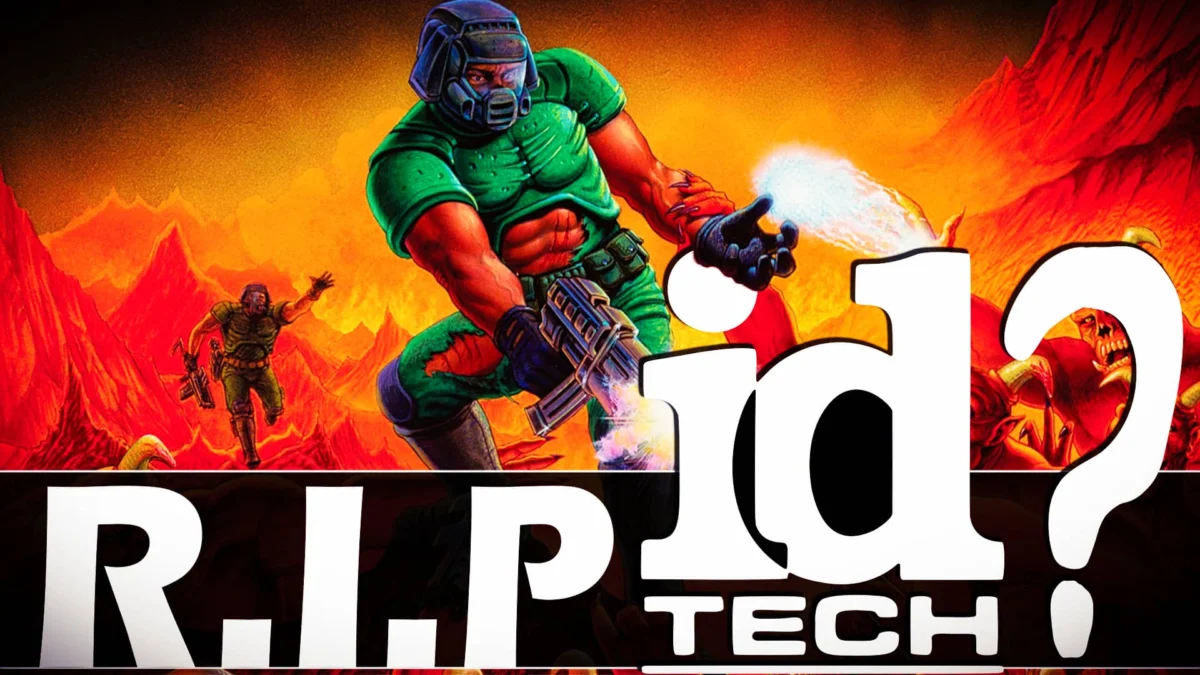
A cornerstone of first-person shooter history, id Software’s legendary idTech engine, may be facing an uncertain future. Reports indicate that the core development team responsible for this influential technology has been largely disbanded as part of massive, company-wide layoffs sweeping across Xbox divisions.
The news, which has sent ripples through the gaming industry, suggests a significant strategic pivot for Microsoft’s gaming arm, potentially impacting the development of future AAA titles and the broader landscape of game engine technology. id Software, the studio behind iconic franchises like Doom, Quake, and Wolfenstein, has consistently pushed the boundaries of graphical fidelity and gameplay innovation, largely powered by its proprietary idTech engine. This engine has not only served as the backbone of id’s own groundbreaking titles but has also been licensed to, and influenced, a staggering number of other games and engines, solidifying its position as one of the most important technological assets in gaming history.
The Broader Context: A Restructuring of Unprecedented Scale
The reported layoffs at id Software are not an isolated incident. They are part of a sweeping restructuring initiative announced by Xbox CEO Asha Sharma, impacting approximately 3,200 employees across the entire Xbox division through fiscal year 2027. In a company-wide email, Sharma detailed the rationale behind these drastic measures, citing the need for significant operational adjustments and a realignment of strategic priorities.
"We are beginning the most significant restructure in XBOX history," the email stated. "After careful consideration, I’ve made the difficult decision to reduce our team by approximately 3,200 throughout FY27. This will include approximately 1,600 role eliminations today, and in addition, four studios will leave XBOX to new management. I recognize that a year-long restructuring creates additional challenges. Unfortunately, it is not possible to make all the necessary changes in a single day, and I wanted to be direct about the scale."
This broad directive has evidently led to targeted reductions across various studios and departments within the Xbox ecosystem, with the core idTech development team at id Software appearing to be a significant casualty.
A Glimpse into the Impact: First-Hand Accounts Emerge
While official statements remain measured, anecdotal evidence from industry veterans paints a stark picture of the immediate fallout. Prominent figures in the game development community have shared insights that strongly suggest the dismantling of the dedicated idTech engine team.
Scott Miller, founder of Apogee Software and a figure deeply embedded in the history of PC gaming, took to social media to express his dismay. His tweet, accompanied by a visual representation of the impact, hinted at the scale of the departures from id Software, specifically mentioning the cessation of work on the engine.
Further corroboration comes from industry insiders and developers themselves. A post shared by "Rebs Gaming" on X (formerly Twitter) highlighted a poignant message from Michael Maynard, an id Software developer with over two decades of tenure. Maynard’s statement, shared as a linked image, conveyed a sense of profound loss and uncertainty regarding the future of idTech’s development. His words suggest that the specialized expertise and institutional knowledge residing within this team may now be dispersed.

These personal accounts, while not official confirmations, provide a crucial human element to the broader corporate announcements, underscoring the significant impact these layoffs are having on individuals who have dedicated years, even decades, to shaping the technological foundations of some of the most beloved video games.
The Legacy of idTech: A Pillar of Gaming Innovation
To understand the gravity of these reports, one must appreciate the profound influence of the idTech engine. Since its inception, idTech has been synonymous with pushing the envelope in 3D graphics, physics simulation, and network code. The engine’s evolution mirrors the advancement of the first-person shooter genre itself.
- idTech 1 (The Doom Engine): Revolutionized 3D environments and spawned a genre.
- idTech 2 (The Quake Engine): Introduced true 3D polygonal models, significantly enhancing visual realism.
- idTech 3 (The Quake III Arena Engine): Became a benchmark for online multiplayer performance and graphical detail, powering numerous other games.
- idTech 4 (The Doom 3 Engine): Brought advanced lighting and shadowing techniques to the forefront.
- idTech 5/6/7: Continued to innovate with features like MegaTexture technology and advanced rendering techniques, powering titles like Rage, Wolfenstein: The New Order, and Doom Eternal.
The engine’s modular design and robust feature set made it an attractive option for both internal id Software projects and external licensing, contributing to its widespread adoption and influence. Its ranking as the fourth most important game engine of all time in previous analyses by GameFromScratch underscores its historical significance. The potential cessation of active development on this engine represents not just the end of an era for id Software, but a significant shift in the technological landscape of game development.
Official Statements and Further Information
The official communication from Xbox leadership, as articulated by CEO Asha Sharma, frames these layoffs as a necessary step for future growth and strategic repositioning. While the email provides a high-level overview of the restructuring, specific details regarding the fate of individual technologies like idTech have been less forthcoming.

However, industry publications like GamesIndustry.biz have provided extensive coverage of the broader Xbox layoffs, detailing the scope and the impact across various studios. These reports, alongside the direct communication from leadership, offer a comprehensive view of the corporate decisions driving these organizational changes.
For a deeper dive into the context and implications of these events, a recent video analysis from GameFromScratch offers further insights into the Xbox layoffs, the history of the idTech game engine, and potential future ramifications.
Implications for the Future of Gaming
The reported disbandment of the core idTech development team at id Software raises critical questions about the future of the engine and, by extension, the future direction of id Software itself.
- Engine Maintenance and Support: Will idTech continue to be supported and maintained for existing projects and licensed titles? The absence of a dedicated development team could lead to stagnation or a reliance on external partners for crucial updates and bug fixes.
- Future Game Development: Without the internal engine expertise, how will id Software approach the development of its next generation of games? Will they license an external engine, such as Unreal Engine or Unity, or will a new internal engine development strategy emerge from the reorganized structure?
- Licensing and Third-Party Impact: Many games and smaller studios have relied on the idTech engine. A cessation of active development could leave these projects in a precarious position, potentially requiring costly migrations to other engines.
- Talent Drain: The departure of highly specialized and experienced engine developers represents a significant loss of talent from the industry. This expertise is difficult to replicate and will likely be sought after by competing game development studios.
- Strategic Reorientation: The layoffs suggest a broader strategic shift within Xbox. The focus may be moving towards consolidating existing franchises, investing in new intellectual properties, or streamlining development pipelines by leveraging more standardized engine solutions.
The coming months will be crucial in determining the full scope of these changes and their lasting impact on id Software, Xbox, and the wider gaming industry. While the immediate future of idTech appears uncertain, its legacy as a foundational technology that powered some of the most influential games ever created is undeniable. The industry will be watching closely to see how id Software and Xbox navigate this seismic shift.