Literary Frontiers: A Comprehensive Overview of the 2026 Speculative Fiction Landscape
The landscape of speculative fiction is undergoing a period of profound transformation, marked by a convergence of historical reimagining, socio-political commentary, and the exploration of burgeoning technologies. As we move through the mid-2026 publishing cycle, the industry is seeing a significant influx of works that challenge traditional genre boundaries while addressing contemporary anxieties regarding identity, colonialism, and the rise of artificial intelligence.
From the dark, magical alleys of 19th-century Paris to the far reaches of a politically fractured solar system, the upcoming slate of releases—curated from the latest reports in Locus Magazine—showcases a diverse array of voices. This report provides an in-depth analysis of these key literary contributions, their thematic underpinnings, and their broader implications for the future of the genre.

I. Main Facts: The Essential New Releases of 2026
The current publishing window features a robust mixture of debut novels, series conclusions, and career-spanning anthologies. The following works represent the vanguard of this season’s literary output:
- S.C. Bandreddi’s The Game of Oaths (Candlewick): A debut young-adult historical dark fantasy set in 1896 Paris, focusing on a magical circus where performers must win a deadly tournament to gain freedom.
- Maurice Broaddus’s A City Dreaming (Tor): The concluding volume of the Astra Black trilogy, which weaves political intrigue and interplanetary conflict within the Muungano Empire.
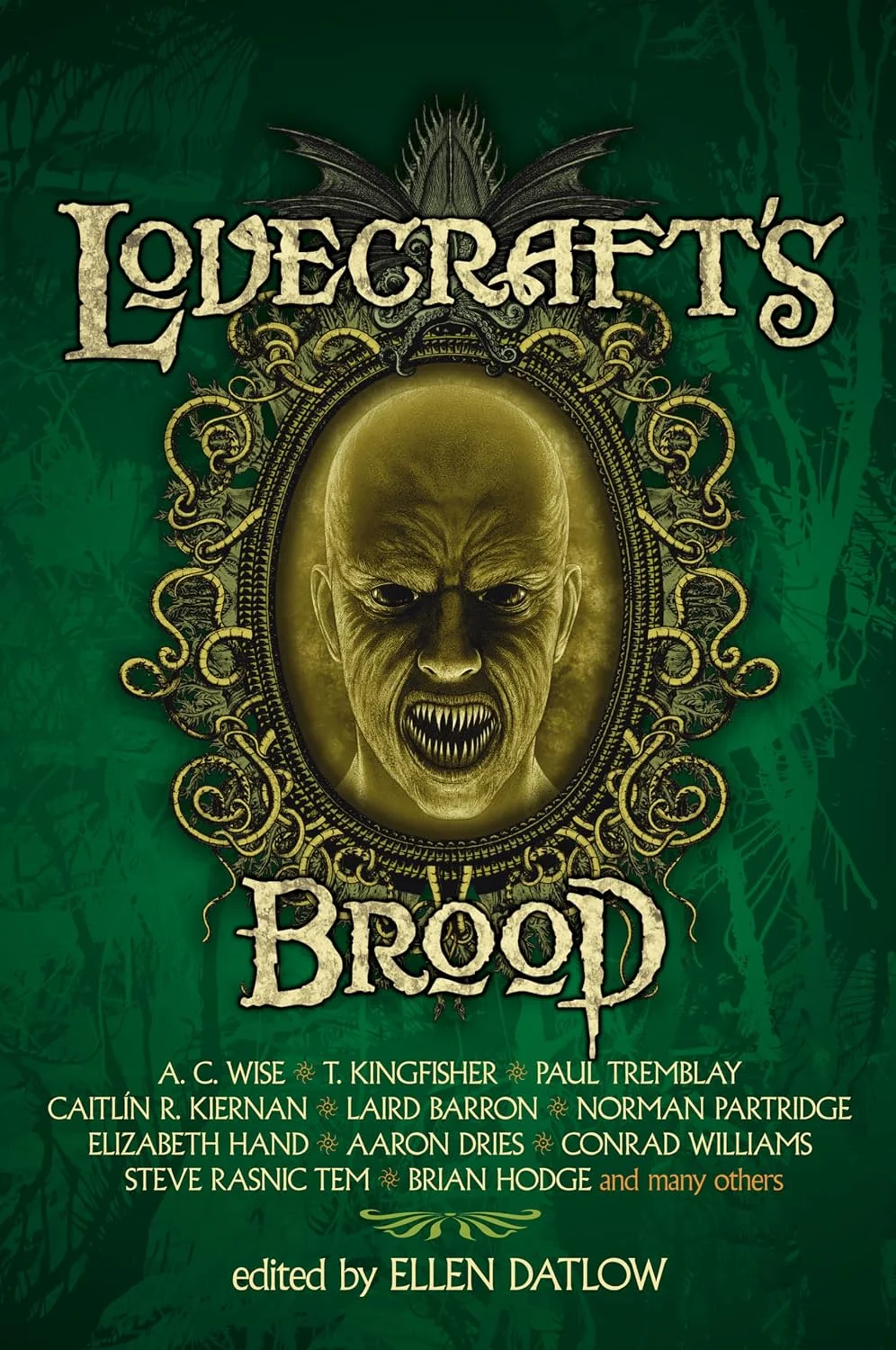
- Ellen Datlow’s Lovecraft’s Brood (Tachyon): A major anthology of cosmic horror featuring 19 tales from the last two decades by luminaries such as Paul Tremblay and Caitlín R. Kiernan.
- Kate Heartfield’s Mercutio (Harper Voyager UK): A literary "prequel" to Shakespeare’s Romeo and Juliet, blending historical fiction with high fantasy as Mercutio teams up with Dante Alighieri.
- Justin C. Key’s The Hospital at the End of the World (Harper): A near-future SF novel examining the dehumanization of medicine in an AI-driven healthcare system.
- Adrian Tchaikovsky’s The Best of Adrian Tchaikovsky (Subterranean): A massive 37-story retrospective of one of the most prolific voices in modern SF and fantasy.
II. Chronology of Release and Development
The rollout of these titles follows a strategic release calendar designed to capture diverse market segments, from the UK literary scene to the American YA market.

Early Year Momentum (February – May 2026)
The year began with Justin C. Key’s The Hospital at the End of the World in February. As a medical doctor himself, Key’s transition into speculative fiction has been noted for its "hard" realism. By May, the focus shifted to the United Kingdom with the release of Kate Heartfield’s Mercutio. Heartfield, known for her ability to weave historical accuracy with mythic elements, chose this window to debut her Shakespearean reimagining, tapping into the perennial interest in the Bard’s secondary characters.
The Summer Surge (June – July 2026)
June 2026 stands as the most crowded month of the cycle. S.C. Bandreddi introduced The Game of Oaths on June 26th, positioning it as a summer blockbuster for YA readers. Simultaneously, Maurice Broaddus brought his Astra Black trilogy to a close with A City Dreaming, and Allan Kaster released the tenth volume of The Year’s Top Hard Science Fiction Stories, documenting the best technical SF of the previous year (2025).

Moving into July, the focus shifts toward short fiction and satire. Ellen Datlow’s Lovecraft’s Brood and Haralambi Markov’s The Language of Knives are slated for mid-July, catering to the horror and dark fantasy audience during the peak of the convention season. Finally, Alex Shvartsman’s The Best of All Possible Planets provides a lighter, satirical counterpoint to the heavier themes of the earlier months.
III. Supporting Data: Thematic Trends and Genre Statistics
An analysis of these ten pivotal works reveals several dominant trends that are currently shaping the science fiction and fantasy (SFF) markets.

1. The Rise of "High-Concept" Anthologies
Anthologies continue to be a primary vehicle for genre preservation and evolution. Allan Kaster’s The Year’s Top Hard Science Fiction Stories 10 includes 11 stories from 2025, featuring titans like Nancy Kress and Bruce Sterling. This collection serves as a barometer for "Hard SF," emphasizing scientific accuracy and technological extrapolation. Conversely, Ellen Datlow’s Lovecraft’s Brood focuses on the "Cosmic Dread" subgenre, proving that the influence of H.P. Lovecraft remains a potent, if contested, foundation for modern horror.
2. Social Commentary through Historical and Future Lenses
The data suggests a pivot toward using speculative settings to address real-world history. S.C. Bandreddi’s The Game of Oaths is not merely a circus fantasy; it explicitly incorporates themes of colonialism and the exploitation of diverse bodies in 19th-century Europe. Similarly, Justin C. Key’s work acts as a critique of modern corporate medicine, utilizing a near-future setting to explore the loss of human empathy in the face of algorithmic efficiency.

3. Diversity and Queer Representation
The 2026 slate shows a continued commitment to diverse narratives. Jen St. Jude’s Where You’ll Find Us and Haralambi Markov’s The Language of Knives both place queer identity at the center of their narratives. St. Jude’s work, in particular, utilizes the "time-slip" trope to create a sanctuary for queer youth across different decades, highlighting a growing sub-genre of "Queer Joy" and "Found Family" in YA fantasy.
IV. Official Responses and Author Perspectives
While official press releases often focus on plot summaries, the authors and editors involved have offered insights into the creative philosophies driving these projects.

On the Legacy of Short Fiction
Adrian Tchaikovsky, in his introduction to his "Best Of" collection, noted the difficulty of curating a career that spans across "weirdness," space opera, and epic fantasy. Tchaikovsky explicitly stated his decision to omit his Shadows of the Apt stories to provide space for more experimental "weird" tales, a move praised by intro-writer John Scalzi as a testament to Tchaikovsky’s range.
On Reimagining the Classics
Kate Heartfield has spoken regarding the "untapped potential" of Mercutio. By pairing him with Dante Alighieri, Heartfield aims to bridge the gap between Elizabethan drama and Medieval epic, suggesting that the "Faerie invasion" in her novel serves as a metaphor for the chaotic creative energy of the Renaissance.

On Satire and Escape
Alex Shvartsman, discussing The Best of All Possible Planets, has been vocal about the need for "breezy" reads in a heavy political climate. While his work draws from Voltaire’s Candide, Shvartsman’s "Official Response" to the current state of the world is to provide a "ride" that allows readers to relax while still engaging with a sharp, Douglas Adams-esque wit.
V. Implications: The Future of Speculative Fiction
The releases of 2026 suggest several long-term implications for the publishing industry and the cultural role of speculative fiction.

The Institutionalization of AI Critique
The inclusion of Justin C. Key’s The Hospital at the End of the World suggests that the "AI Revolution" has moved from a niche trope to a central pillar of social-critique SF. As real-world AI integration accelerates, we can expect a surge in "Luddite-adjacent" literature that champions human intuition over machine logic.
The "Astra Black" Effect and Afro-futurism
Maurice Broaddus’s successful completion of the Astra Black trilogy marks a significant milestone for Afro-futurist space opera. The series’ focus on the "Muungano Empire" provides a blueprint for non-Western-centric galactic empires, likely inspiring a new wave of writers to explore decolonized futures.

The Commercial Viability of the "Dark Circus" and "Grimm" Themes
The success of works like Bandreddi’s and Markov’s indicates that there is still a massive appetite for Slavic myth and dark, historical aesthetics. The "magical circus" remains a potent setting for exploring labor rights and the "spectacle" of the marginalized, a theme that resonates deeply with modern gig-economy workers and activists.
Conclusion
The 2026 literary season is more than just a collection of new titles; it is a sophisticated dialogue between the past and the future. Whether through the cosmic dread of Ellen Datlow’s selections or the rebellious spirit of S.C. Bandreddi’s protagonists, these works reflect a genre that is increasingly comfortable with its role as a premier vehicle for social, political, and philosophical inquiry. As these books hit the shelves, they offer readers not just an escape, but a new set of tools for understanding a rapidly changing world.

While you’re here, please take a moment to support the continued reporting of speculative fiction news. Magazines like Locus rely on reader contributions to maintain this level of deep-dive journalistic coverage. Your support ensures that the voices of these authors and the analysis of their work continue to reach a global audience.