Locus Magazine Unveils Comprehensive Guide to the Evolving Landscape of SF/F/H Periodicals
OAKLAND, CA – [Insert Current Date] – Locus magazine, the venerable journal of record for the science fiction, fantasy, and horror (SF/F/H) genres, has released its updated and meticulously compiled list of active periodicals. This essential resource spans print, online, and electronic publications, including regularly updated websites, focusing on those that actively publish fiction, reviews, or critical analysis within speculative fiction. The compilation serves as an indispensable guide for readers seeking new voices, writers scouting publishing opportunities, and critics tracking the pulse of the genre.
The announcement underscores Locus‘s enduring commitment to chronicling the dynamic evolution of SF/F/H literature. From established print giants like Analog and Asimov’s to the vast and vibrant ecosystem of online zines and digital platforms, the list offers a panoramic view of the diverse avenues through which speculative fiction reaches its audience today. This initiative not only celebrates the genre’s rich history but also highlights its continuous innovation and expansion into new formats and thematic territories.
Main Facts: A Beacon in the Speculative Fiction Cosmos
Locus magazine’s latest compilation is more than just a list; it is a critical snapshot of the current state of SF/F/H periodical publishing. By meticulously tracking new and ongoing publications, Locus provides an invaluable service to the global speculative fiction community. The scope of this undertaking is comprehensive, encompassing:
- Print Magazines: The traditional stalwarts that have shaped the genre for decades, offering tangible reading experiences and often serving as benchmarks for quality and innovation.
- Online Magazines: A rapidly expanding category that has democratized publishing, offering diverse voices, experimental formats, and often quicker publication cycles. These include webzines, literary journals with a speculative bent, and platforms dedicated entirely to genre fiction.
- Electronic Periodicals: Digital-first publications, often available through subscriptions or direct downloads, blurring the lines between traditional magazines and e-books.
- Regularly Updated Websites: Platforms that consistently publish new fiction, reviews, or criticism, operating with the regularity and editorial rigor of a periodical.
The primary criteria for inclusion revolve around the publication of original fiction, insightful reviews, or substantive criticism, ensuring that the list is directly relevant to the core creative and intellectual output of the SF/F/H genres. This curation by Locus magazine, renowned for its authoritative reporting and deep industry knowledge, establishes the list as a definitive resource for anyone engaged with speculative fiction. The magazine also actively invites submissions from new titles for consideration, reinforcing its role as a living, evolving document of the genre’s landscape. Publishers and editors are encouraged to send their titles to Locus Publications, 655 13th St. #100, Oakland CA 94612 or via email to [email protected].
Chronology: Tracing the Evolution of Speculative Fiction Periodicals
The history of science fiction, fantasy, and horror is inextricably linked to the evolution of its periodicals. From the pulp magazines of the early 20th century that birthed iconic characters and concepts to the glossy, professional magazines of the mid-century, and finally to the digital revolution of the 21st century, these publications have been the crucibles in which the genres were forged and refined. Locus‘s latest list, while current, implicitly tells this story of continuous transformation.
The Golden Age and Beyond: Print’s Enduring Legacy
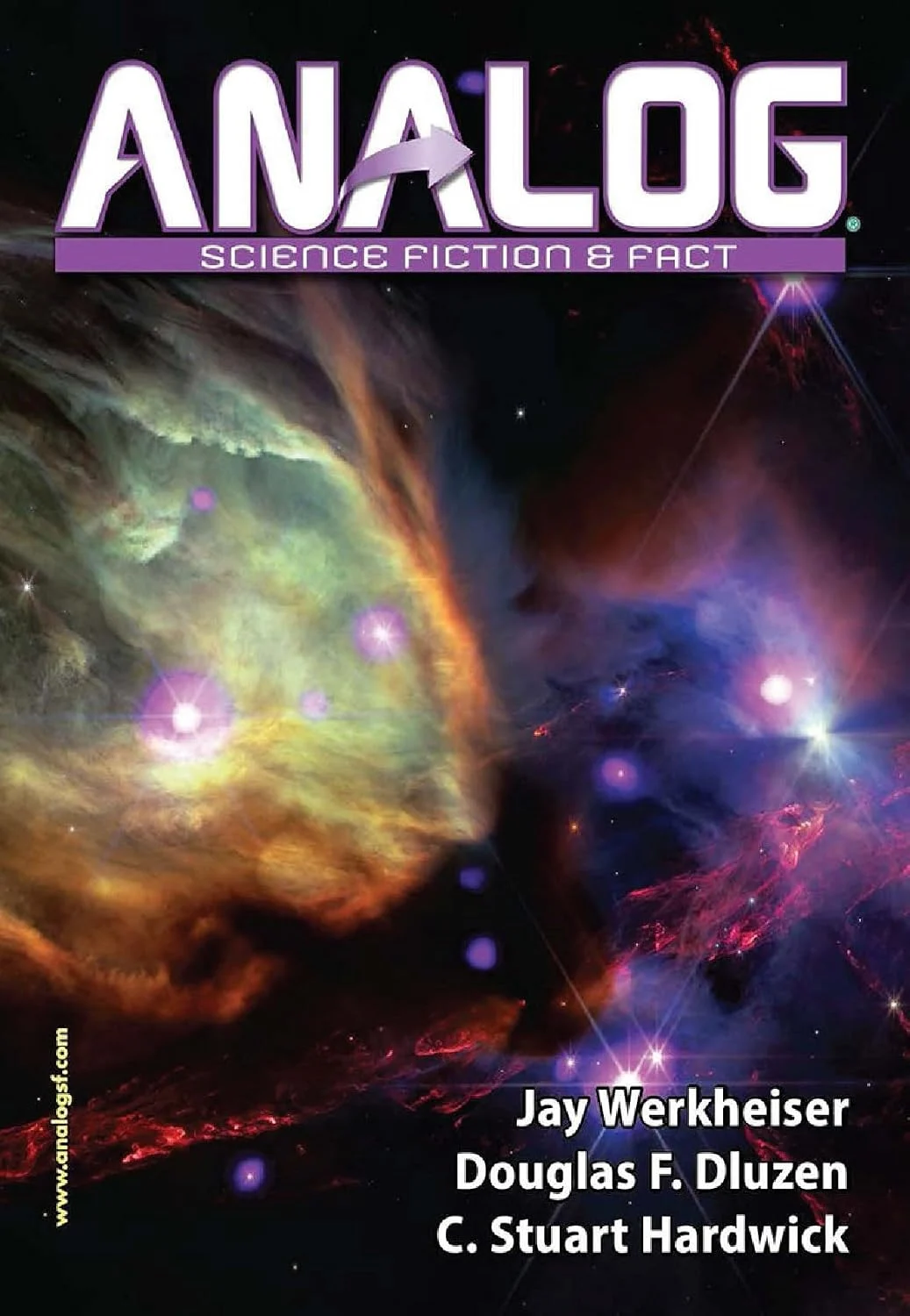
The foundation of modern speculative fiction publishing was laid by magazines such as Amazing Stories (1926), Astounding Science-Fiction (later Analog Science Fiction and Fact, 1930), and Weird Tales (1923). These pioneers established the very concept of genre-specific periodicals, creating dedicated spaces for new forms of storytelling. Analog Science Fiction and Fact, prominently featured in the Locus list with its March-April 2026 cover, stands as a direct descendant of this golden era. Under legendary editors like John W. Campbell Jr. and later Stanley Schmidt, Analog became synonymous with hard science fiction, emphasizing scientific plausibility and technological extrapolation. Its continued presence in the 2020s speaks to the enduring appeal of thoughtfully crafted, scientifically grounded narratives and the loyalty of its readership.

Similarly, Asimov’s Science Fiction, founded in 1977 by Joel Davis with Isaac Asimov as editorial director, represents a slightly younger but equally influential tradition. Asimov’s quickly distinguished itself by publishing a blend of hard science fiction and more literary, character-driven stories, becoming a multi-award-winning publication. Its consistent appearance on the Locus list highlights the staying power of print magazines that maintain high editorial standards and adapt to changing literary tastes while upholding core genre values. These magazines are not merely relics; they are living testaments to the power of print and dedicated editorial vision.
The Digital Dawn: A New Frontier for Storytelling
The late 20th and early 21st centuries witnessed a paradigm shift with the advent of the internet. This technological revolution profoundly impacted publishing, giving rise to an entirely new ecosystem of online magazines. These digital platforms, often born from passion projects and fueled by the accessibility of web publishing, rapidly diversified the speculative fiction landscape. They offered lower barriers to entry for new writers, allowed for quicker publication schedules, and fostered unprecedented thematic and stylistic experimentation.
The Locus list prominently features a vast array of these online magazines, reflecting their dominance in terms of sheer volume and innovation. Publications like Clarkesworld, founded in 2006 by Neil Clarke, quickly established themselves as leaders in the digital sphere, known for publishing high-quality, often experimental, science fiction and fantasy, frequently accompanied by audio versions. Lightspeed Magazine, with its October 2026 issue highlighted by Locus, launched in 2010 by John Joseph Adams, quickly became a go-to source for modern science fiction and fantasy, known for its diverse voices and strong editorial curation. Nightmare Magazine, Lightspeed‘s sister publication, carved out a crucial niche for horror fiction, demonstrating the capacity of online platforms to cater to specific subgenres with dedicated focus.
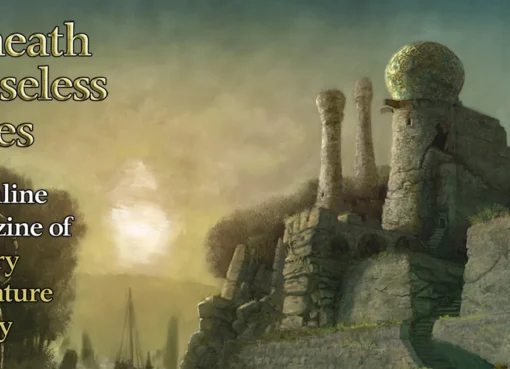
These online pioneers, alongside a multitude of others like Beneath Ceaseless Skies (specializing in literary adventure fantasy), Strange Horizons (known for its diverse and often avant-garde fiction and poetry), and The Dark (offering dark fantasy and horror), have not only survived but thrived, proving the viability and vitality of digital-first publishing. The inclusion of Tangent Online, a long-standing review site, further underscores the importance of critical discourse in the digital age.
Supporting Data: A Deep Dive into the Diverse Periodical Ecosystem
The Locus list provides a rich dataset, illustrating the breadth and depth of contemporary speculative fiction publishing. Beyond the titans of print and the established online leaders, there is a thriving middle ground of innovative platforms, each contributing uniquely to the genre.
The Print Mainstays: Pillars of the Genre
- Analog Science Fiction and Fact: Continues its tradition of publishing hard science fiction, often featuring novelettes and novellas alongside thought-provoking editorials and non-fiction science articles. Its commitment to scientific accuracy and exploration of future technologies remains a cornerstone of its identity.
- Asimov’s Science Fiction: Known for its diverse range of science fiction, from traditional to more literary and experimental. It consistently attracts top-tier authors and is a perennial award-winner, valued for its high-quality prose and engaging narratives.
The Online Vanguard: A Spectrum of Speculative Voices
The proliferation of online magazines has been a game-changer, democratizing access to speculative fiction for both creators and consumers. The Locus list showcases this vibrant diversity:

- Adventitious: Represents the newer wave of online platforms, often with a distinct aesthetic or thematic focus, catering to niche interests within speculative fiction.
- Augur: An independent Canadian literary journal that publishes speculative fiction and poetry, often with a focus on diverse and marginalized voices, demonstrating the international reach of online publishing.
- Aurealis: An Australian speculative fiction magazine, highlighting the global nature of the genre and its publishing ecosystem.
- Beneath Ceaseless Skies: Unique for its focus on "literary adventure fantasy," publishing two stories every two weeks, often with audio versions, and emphasizing world-building and strong character arcs.
- Black Cat Weekly: A digital magazine offering a mix of mystery, science fiction, and fantasy, often featuring classic reprints alongside new stories, appealing to a broad readership.
- Clarkesworld: A powerhouse in online SF/F, celebrated for its high-quality fiction, interviews, and non-fiction. Its commitment to paying professional rates and providing audio content has made it a benchmark for digital publishing.
- Contours of Sagittarius: A newer or more niche entry, indicative of the constant emergence of new platforms seeking to carve out their own space.
- The Dark: Focuses on dark fantasy and horror, known for its atmospheric and often unsettling short fiction.
- Escape Artists (Escape Pod, PseudoPod, PodCastle): A collective of award-winning podcasts that present audio fiction across SF, horror, and fantasy, demonstrating the evolving definition of "periodical" to include audio formats.
- Flash Point SF: Another example of a dedicated online platform for science fiction, contributing to the genre’s expansive digital footprint.
- Foofaraw: Represents the experimental and often quirky side of online publishing, indicating a willingness to explore less conventional narratives.
- Fusion Fragment: Known for publishing diverse and boundary-pushing speculative fiction, often with a focus on the weird and the literary.
- Kaleidotrope: A long-running online magazine known for publishing a wide variety of speculative fiction, from science fiction to fantasy to horror.
- Lightspeed Magazine: A leading online platform for science fiction and fantasy, celebrated for its strong editorial vision and dedication to showcasing diverse voices and innovative storytelling.
- NewMyths.com: An older, continuously running online magazine that has consistently published speculative fiction for years, showcasing the longevity possible in the digital space.
- Nightmare Magazine: A premier online destination for horror and dark fantasy, featuring original stories, reprints, and non-fiction, solidifying its reputation as a genre leader.
- Otherside: Suggests a focus on alternative or genre-adjacent speculative narratives, reflecting the blurring lines of genre.
- Pulp Literature: A Canadian magazine publishing literary and genre fiction, poetry, and comics, bridging the gap between traditional literary journals and genre periodicals.
- Reactor (formerly Tor.com): A significant online platform that transitioned from being primarily a publisher blog to a full-fledged magazine and critical hub, offering a wide array of fiction, essays, and reviews. Its influence in the genre is immense.
- Saros Speculative Fiction: Represents the newer, independent voices emerging in the online sphere, often with a specific editorial bent or mission.
- Speculative Insight: A platform dedicated to publishing insightful speculative fiction, often with a focus on thought-provoking themes.
- *StarLine:** The official publication of the Science Fiction and Fantasy Poetry Association, underscoring the importance of poetry within speculative genres.
- Strange Horizons: An influential online magazine known for its literary and politically engaged speculative fiction, poetry, and non-fiction, often pushing boundaries and championing underrepresented voices.
- The Sunday Morning Transport: A unique venture offering a single, high-quality speculative fiction story delivered weekly, emphasizing a curated, focused reading experience.
- Tangent Online: A crucial resource for reviews of short speculative fiction, serving as a vital part of the genre’s critical apparatus.
- Tome & Space: Another example of a contemporary online magazine contributing to the rich tapestry of digital speculative fiction.
The Outer Limits: Niche and Experimental Ventures
- Quotidian Bagatelle: This inclusion under "The Outer Limits" section suggests publications that might be more experimental, highly niche, or pushing the boundaries of what constitutes a "periodical." Such ventures are vital for fostering innovation and preventing stagnation within the genre.
This detailed breakdown reveals a publishing ecosystem that is not only robust but also incredibly adaptable, constantly seeking new ways to connect stories with readers.
Official Responses: Locus as the Genre’s Cartographer
While the Locus article itself is the "official response" in the form of a curated list, its very existence and the accompanying call for submissions speak volumes about the magazine’s ongoing mission and perspective. Locus positions itself as the genre’s essential cartographer, meticulously mapping the ever-shifting territories of SF/F/H publishing.
The explicit invitation for publishers to submit their titles for listing is a clear statement of intent: Locus aims for comprehensiveness and accuracy. It acknowledges that the landscape is constantly changing, with new magazines emerging and existing ones evolving. This open-door policy ensures the list remains dynamic and truly reflective of the contemporary scene, rather than a static historical document.
Furthermore, the act of compiling and publishing such a list is an endorsement of the periodical format itself. In an era dominated by novels and anthologies, Locus reaffirms the vital role that magazines play in nurturing new talent, providing a space for shorter, impactful narratives, and fostering critical discourse. By shining a spotlight on these publications, Locus provides them with visibility and legitimacy, acting as a crucial nexus point for the entire SF/F/H community. The magazine’s dedication ensures that these vital arteries of the genre continue to flow.
Implications: Shaping the Future of Speculative Storytelling
The updated Locus list carries profound implications for all stakeholders within the SF/F/H genres – readers, writers, and the industry at large.
For Readers: Unprecedented Access and Discovery
For enthusiasts of science fiction, fantasy, and horror, the Locus list is a treasure map. It simplifies the often-overwhelming task of discovering new content, new authors, and new perspectives. Readers can easily navigate between established print giants and innovative online platforms, choosing formats and editorial tastes that align with their preferences. This comprehensive guide fosters a more engaged and informed readership, ensuring that quality speculative fiction, regardless of its publication format, finds its audience. It highlights the sheer volume of high-quality short fiction available, which often serves as a proving ground for future novel-length works.

For Writers: Expanded Opportunities and a Clearer Market
For aspiring and established writers, the list is an invaluable market guide. It provides a clear overview of potential outlets for their work, each with its unique editorial slant, submission guidelines, and payment rates. Understanding the diverse ecosystem of publications – from those specializing in hard SF to literary fantasy, from horror to experimental narratives – allows writers to strategically target their submissions, increasing their chances of publication. The sheer number of active periodicals signifies a healthy demand for short-form speculative fiction, offering more avenues for professional growth and recognition.
For the Genre: Health, Diversity, and Evolution
The existence of such a robust and diverse periodical landscape, as cataloged by Locus, is a strong indicator of the overall health and vibrancy of the SF/F/H genres.
- Diversity of Voices: Online platforms, in particular, have been instrumental in amplifying voices from marginalized communities and bringing a wider array of cultural perspectives to speculative fiction. The list implicitly celebrates this growing inclusivity.
- Innovation in Storytelling: The varied editorial approaches across these magazines encourage experimentation in form, theme, and style, pushing the boundaries of what speculative fiction can achieve.
- Critical Discourse: The inclusion of publications focused on reviews and criticism ensures that the genre remains intellectually engaged and self-reflective, fostering ongoing conversations about its direction and impact.
- Resilience of Formats: The coexistence of print and digital formats demonstrates the adaptability of the periodical medium. Hybrid models, where online content might lead to print anthologies or "best of" collections, are also becoming increasingly common, ensuring that the best stories reach the widest possible audience.
The Future of Periodical Publishing and Locus’s Role
Looking ahead, the trends highlighted by Locus‘s compilation suggest a future where speculative fiction periodicals will continue to evolve, embracing new technologies and business models, such as subscription services, patron-supported models, and multimedia integration. The challenge for these publications will be discoverability and financial sustainability in a crowded media landscape.
It is in this context that Locus magazine’s call for support becomes critically important. As an independent, reader-supported publication, Locus relies on donations to continue its essential work of tracking, reviewing, and championing the SF/F/H genres. Their comprehensive lists, insightful reviews, and industry news are vital for maintaining the health and dynamism of the speculative fiction community. Sustaining Locus directly contributes to sustaining the very ecosystem of periodicals it so diligently catalogs.
The updated Locus list is more than just a directory; it is a testament to the enduring power of speculative storytelling and the diverse, innovative platforms that bring it to life. It stands as a vital resource, guiding the community through the ever-expanding universe of science fiction, fantasy, and horror.