Locus Magazine Unveils Expansive Guide to the Vibrant World of Speculative Fiction Periodicals
Oakland, CA – Locus magazine, the venerable journal of record for the science fiction, fantasy, and horror (SF/F/H) genres, has once again provided an invaluable resource to the speculative fiction community with its latest comprehensive listing of new and established periodicals. This meticulously curated compilation encompasses print, online, and electronic publications, as well as regularly updated websites that feature fiction, reviews, and criticism within the expansive realm of speculative literature. The updated guide serves as a critical compass for readers seeking new voices and narratives, and for writers aiming to navigate the ever-evolving landscape of genre publishing.
The announcement underscores Locus‘s unwavering commitment to chronicling the dynamism and diversity of SF/F/H. By meticulously tracking these publications, Locus not only highlights the health of the industry but also provides a vital conduit for discovery, ensuring that both niche and mainstream efforts receive deserved attention. The list, a testament to the genre’s prolific output, invites publishers and editors to submit their titles for inclusion, reinforcing Locus‘s role as the definitive authority on speculative fiction publishing trends.
The Pulse of Speculative Fiction: Locus Magazine’s Enduring Commitment
For over five decades, Locus magazine has stood as a pillar of the science fiction, fantasy, and horror community, offering unparalleled coverage of the literary genre. Its latest periodical roundup is more than just a list; it is a snapshot of an industry that continues to innovate, adapt, and expand. The guide is segmented into distinct categories, reflecting the diverse formats through which speculative fiction now reaches its audience: traditional print, emerging electronic formats, and the increasingly dominant online platforms.
This comprehensive approach is crucial in an era where publishing models are in constant flux. From the enduring charm of a physical magazine to the instantaneous global reach of an online zine, Locus‘s listing ensures that no significant voice or platform goes unnoticed. It is a critical service for both established authors looking for new markets and emerging writers seeking their first professional publication, as well as for avid readers eager to delve into fresh narratives and insightful commentary.
Navigating the Evolving Landscape: A Chronology of Locus‘s Endeavor
The history of Locus magazine is inextricably linked to the history of speculative fiction itself. Founded in 1968, Locus emerged during a period of significant growth and change within the genre. In its early days, the magazine primarily tracked the output of major publishing houses and a burgeoning fanzine culture, predominantly in print. As technology advanced and the internet began to reshape media consumption, Locus demonstrated remarkable foresight and adaptability.

The late 20th and early 21st centuries witnessed a dramatic shift from a print-centric publishing model to a hybrid environment embracing digital distribution. Online magazines, e-zines, and web-based anthologies began to proliferate, offering lower barriers to entry for creators and unprecedented accessibility for readers. Locus responded by systematically incorporating these new platforms into its tracking efforts, recognizing that the medium might change, but the core mission – to cover the best of SF/F/H – remained constant. This chronological evolution of Locus‘s coverage reflects the genre’s own journey, from the golden age of pulp magazines to the contemporary digital renaissance. The magazine’s consistent effort to update and expand its listings is a continuous historical record, showcasing the enduring resilience and innovative spirit of speculative fiction publishing.
The Diverse Tapestry of Speculative Fiction Publications: Supporting Data and Analysis
The current Locus list provides robust supporting data for the assertion that speculative fiction is in a golden age of diverse publication. The sheer volume and variety of titles highlight a vibrant ecosystem, sustained by dedicated editors, passionate writers, and an eager readership.
Print, Online, and Electronic Periodicals: The Stalwarts and Innovators
This category often represents a blend of tradition and modernity, with publications that might offer print-on-demand options alongside digital subscriptions. These magazines typically aim for a high production quality, fostering a sense of permanence and collectibility while embracing the convenience of electronic distribution.
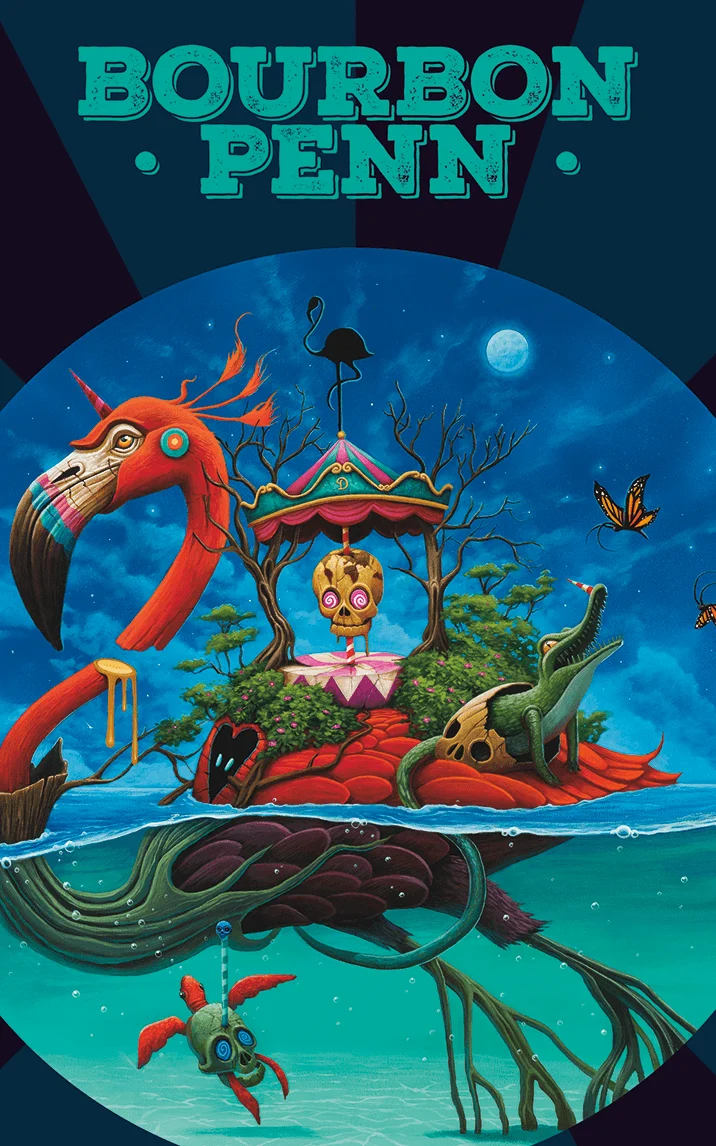
- Bourbon Penn: Known for its distinctive blend of surrealism, dark fantasy, and literary horror, Bourbon Penn consistently pushes the boundaries of genre conventions, offering readers stories that are as unsettling as they are thought-provoking. Its visual aesthetic, often featuring striking cover art, complements its unique editorial vision.
- Electronic Brain: This publication taps into the heart of science fiction, frequently exploring themes of artificial intelligence, technological singularity, and the human condition in a rapidly advancing world. It serves as a vital platform for hard science fiction and speculative exploration.
- Pale Grey Idol: A title that evokes mystery, Pale Grey Idol is likely to delve into the atmospheric and psychological aspects of horror and dark fantasy, favoring subtle dread over overt scares. It caters to readers who appreciate nuanced storytelling and deep character exploration within unsettling settings.
- Wyldblood: Suggesting a connection to untamed nature and primal forces, Wyldblood probably champions fantasy narratives, particularly those with a folkloric bent, epic scope, or a focus on environmental themes. It’s a space where magic and myth intertwine with contemporary storytelling.
These publications, whether delivered physically or digitally, represent the curated, often literary end of the speculative fiction spectrum, providing a home for sophisticated and challenging narratives that might not fit mainstream anthologies.
The Digital Frontier: Online Magazines Leading the Charge
The internet has democratized publishing, allowing for an explosion of online magazines that are accessible globally, often for free or at a minimal subscription cost. This accessibility has fostered incredible diversity in content, editorial voice, and stylistic approach.

- Aurealis: Hailing from Australia, Aurealis has long been a respected voice in the international speculative fiction scene, featuring a mix of science fiction, fantasy, and horror from both established and emerging authors.
- Beneath Ceaseless Skies: A bi-weekly online magazine dedicated to literary adventure fantasy, Beneath Ceaseless Skies is celebrated for its evocative prose and richly imagined worlds, often featuring sword and sorcery or mythic fantasy.
- Black Cat Weekly: This publication offers a diverse array of genre fiction, often including mystery, adventure, and classic pulp reprints alongside new speculative fiction, appealing to a broad readership.
- Clarkesworld: A multi-award-winning online magazine, Clarkesworld is a titan in the field, renowned for publishing cutting-edge science fiction and fantasy, with a strong emphasis on international voices and innovative storytelling.
- The Dark: As its name suggests, The Dark specializes in dark fantasy and horror, focusing on atmospheric and psychologically rich stories that explore the shadowy corners of human experience.
- DreamForge Anvil: This magazine champions optimistic and uplifting speculative fiction, offering a refreshing counterpoint to darker narratives and focusing on stories of hope, ingenuity, and positive futures.
- Escape Artists: A network of award-winning podcasts and magazines, including Escape Pod (SF), PseudoPod (horror), and PodCastle (fantasy), providing audio and textual fiction that reaches a wide audience.
- Flash Point SF: Dedicated to flash fiction in the science fiction genre, this platform provides concise, impactful stories that pack a punch in a limited word count, perfect for busy readers.
- Foofaraw: An intriguing title, Foofaraw likely offers a quirky, unconventional, or humorous take on speculative fiction, embracing the whimsical and the absurd.
- Lightspeed Magazine: Another multi-award-winning publication, Lightspeed delivers a potent mix of science fiction and fantasy, known for its diverse authors and exploration of contemporary themes.
- Mysterion: Focuses on Christian-themed speculative fiction, exploring faith, morality, and spirituality through the lens of science fiction and fantasy narratives.
- Nightmare Magazine: A leading online horror magazine, Nightmare consistently publishes some of the most chilling and thought-provoking horror stories in the genre, from psychological terror to cosmic dread.
- Reactor: Formerly Tor.com, Reactor is a major online hub for speculative fiction news, reviews, essays, and original short fiction, making it a central meeting point for the genre community.
- SF Commentary: An Australian fanzine turned online periodical, SF Commentary offers insightful criticism, reviews, and essays on science fiction literature, providing a historical perspective and deep analysis.
- Small Planet: This publication focuses on translated speculative fiction, broadening the horizons of English-speaking readers by bringing diverse international voices and perspectives to the forefront.
- Speculative City: A literary magazine exploring the urban environment through speculative fiction, focusing on themes of city life, infrastructure, and the human experience in metropolitan landscapes.
- Speculative Insight: Likely a platform for essays, reviews, and critical analysis of speculative fiction, offering deeper dives into genre trends, tropes, and literary significance.
- Strange Horizons: An acclaimed weekly online magazine, Strange Horizons is celebrated for its literary quality, diverse voices, and commitment to publishing a wide range of speculative fiction, poetry, and criticism.
- The Sunday Morning Transport: A relatively newer entrant, this online publication aims to deliver high-quality speculative fiction directly to subscribers’ inboxes, often featuring exclusive content from prominent authors.
- Tangent Online: Primarily a review site for short speculative fiction, Tangent Online plays a crucial role in evaluating and promoting new stories published in various magazines and anthologies.
- Trollbreath Magazine: With a whimsical name, Trollbreath likely leans into humorous, quirky, or irreverent fantasy and science fiction, appealing to readers who enjoy a lighter or more satirical touch.
- Uncanny Magazine: An award-winning magazine known for its "sparkle and wit," Uncanny publishes a blend of science fiction and fantasy, poetry, essays, and interviews, with a strong emphasis on diverse voices and inclusive storytelling.
The proliferation of these online platforms signifies a healthy, dynamic, and increasingly inclusive genre. They offer unparalleled opportunities for both emerging and established writers to connect with a global audience, fostering a continuous influx of fresh ideas and perspectives.
Beyond the Conventional: "The Outer Limits"
This intriguing category often houses publications that defy easy categorization, pushing the boundaries of genre or format. These are the experimental spaces, the avant-garde outlets that challenge readers and writers alike.
- Quotidian Bagatelle: The name suggests a focus on the everyday (quotidian) but with a touch of triviality or charm (bagatelle), possibly implying very short, observational, or experimental pieces that blend the mundane with the speculative in unexpected ways. Publications in "The Outer Limits" are vital for the genre’s evolution, acting as incubators for new forms and ideas that may eventually influence the mainstream.
Locus‘s Enduring Mission: A Beacon for the Speculative Fiction Community
The comprehensive nature of Locus‘s listing is a direct reflection of its foundational mission: to serve as the central nervous system for the speculative fiction community. Far from being a mere directory, this ongoing project embodies Locus‘s dedication to fostering discovery, promoting critical engagement, and providing a platform for industry discourse.
The explicit invitation for publishers to submit titles for listing – via mail to Locus Publications, 655 13th St. #100, Oakland CA 94612, or email to [email protected] – highlights the collaborative spirit underpinning Locus‘s work. It is an acknowledgment that comprehensive coverage requires active participation from the community itself. By welcoming submissions, Locus ensures its listings remain as current and inclusive as possible, capturing the full breadth of the genre’s output, from established journals to nascent projects.
Moreover, Locus‘s commitment extends beyond simply listing publications. The magazine is renowned for its hundreds of reviews and news stories published each year, offering in-depth analysis and critical perspectives that help shape the genre’s ongoing narrative. This critical function is indispensable, guiding readers through a vast literary landscape and providing valuable feedback for creators. In an age of information overload, a trusted curator like Locus becomes an even more essential resource, offering discerning insights and highlighting works of particular merit.

This monumental effort, however, is not without its challenges. As an independent publication, Locus relies heavily on the support of its readership. The call for donations, prominently featured alongside the periodical listing, is a stark reminder of the financial realities of maintaining such a comprehensive and high-quality journalistic endeavor. Reader donations are the lifeblood that enables Locus to continue its vital work, sustaining the magazine and its extensive online presence, and ensuring that the speculative fiction community continues to have a dedicated and authoritative voice.
Implications for the Future of Speculative Fiction
The latest periodical roundup from Locus magazine offers profound implications for the future trajectory of science fiction, fantasy, and horror. It paints a picture of a genre that is not only robust but also incredibly adaptable and continuously reinventing itself.
A Thriving Ecosystem for Writers and Readers
The sheer volume of publications, spanning various formats and editorial missions, signifies a thriving ecosystem. For writers, this means more opportunities than ever before to find homes for their diverse stories, whether they specialize in hard science fiction, literary fantasy, cosmic horror, or something entirely new. The rise of online platforms, in particular, has lowered the barriers to entry, enabling new voices from around the globe to break into publishing. For readers, this translates into an unprecedented wealth of choices, allowing them to explore niche interests, discover new authors, and engage with a wider array of perspectives and cultural narratives. The genre is no longer confined to a few dominant voices but is a rich tapestry woven from countless threads.
Challenges and Resilience in Independent Publishing
While the list is a cause for celebration, it also implicitly highlights the ongoing challenges faced by independent and genre-specific publications. Financial sustainability remains a constant concern for many of these ventures, often run by passionate individuals or small teams with limited resources. The competition for reader attention is fierce, and the work of marketing and distribution can be daunting. Yet, the continued existence and growth of these periodicals demonstrate an incredible resilience and dedication. They are sustained by a deep love for the genre and a commitment to fostering creative expression, often operating on shoestring budgets and the tireless efforts of their editors.
The Enduring Importance of Curated Content
In an age dominated by algorithms and overwhelming digital noise, the role of curated content becomes paramount. Locus‘s methodical listing and critical engagement offer a vital service by sifting through the vast output, identifying significant contributions, and providing context. This curatorial function helps readers navigate the expansive landscape, discover quality work they might otherwise miss, and engage with the genre on a deeper, more informed level. The existence of publications focused on reviews and criticism, such as Tangent Online and SF Commentary, further emphasizes the community’s desire for thoughtful analysis and discourse, moving beyond mere consumption to critical appreciation.

In conclusion, Locus magazine’s latest periodical list is far more than a simple directory; it is a vital dispatch from the front lines of speculative fiction. It showcases a genre brimming with creativity, diversity, and an insatiable appetite for new stories. While challenges persist, the vibrant array of publications listed by Locus is a powerful testament to the enduring appeal and boundless potential of science fiction, fantasy, and horror. As Locus continues its indispensable work of chronicling this dynamic literary landscape, the call for community support remains a crucial reminder that the health of this thriving ecosystem ultimately rests on the collective engagement and generosity of its readers and creators.