Man almost sucked out through a window on a Ryanair flight
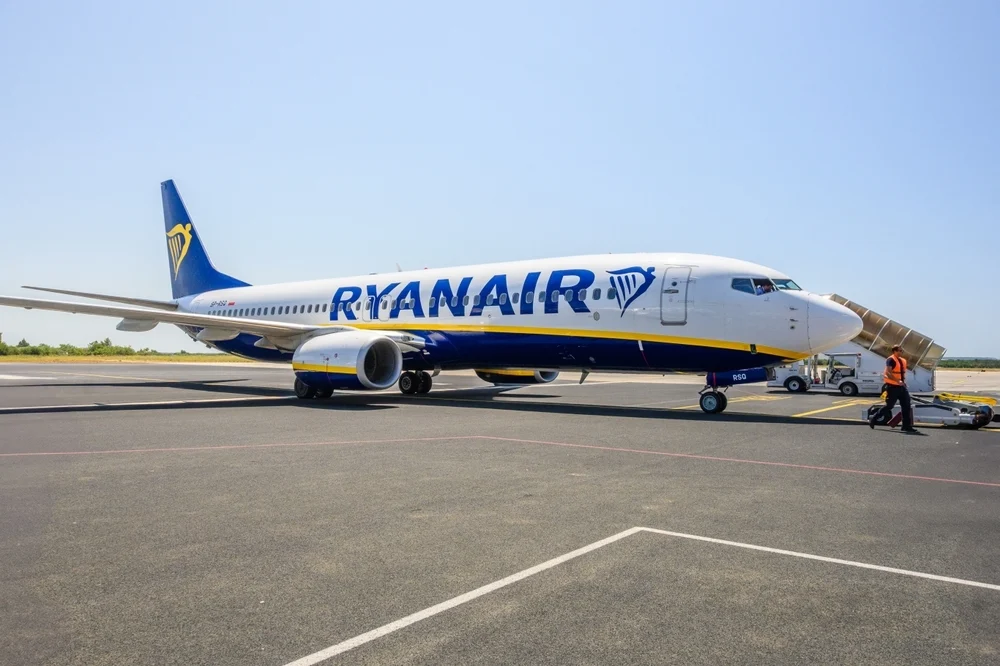
Terrifying Mid-Air Incident: Ryanair Passenger Narrowly Escapes Being Sucked Out of Shattered Aircraft Window
A routine Ryanair flight from Thessaloniki, Greece, took a terrifying turn when a malfunctioning engine sent debris hurtling into a passenger window, creating a gaping hole and nearly expelling a man from the aircraft mid-flight. The harrowing ordeal saw the passenger dangling precariously outside the plane, his life saved only by his safety harness and the quick-thinking actions of his wife and fellow passengers who managed to pull him back to safety.
The incident, which occurred shortly after departure, has raised significant concerns about aircraft safety and the potential consequences of mechanical failures at cruising altitudes. While the airline has since offered alternative travel arrangements, the psychological impact on those onboard is undeniable, with many understandably hesitant to resume their journeys.
The Heart-Stopping Moment: A Symphony of Fear and Courage
The flight, which had departed from Thessaloniki, Greece, was plunged into chaos when a sudden, violent "bang" echoed through the cabin. This deafening noise was the harbinger of a catastrophic event: a piece of debris, believed to have originated from a malfunctioning engine, struck a passenger window with immense force, shattering the glass and creating a perilous opening.
In the immediate aftermath of the impact, the cabin pressure differential, a fundamental principle of aviation, exerted an overwhelming force. A male passenger, whose identity has not been released, found himself being violently pulled towards the breach. Reports from shaken eyewitnesses paint a chilling picture: the man was partially sucked out of the aircraft, with his head and shoulders hanging precariously into the open air at thousands of feet above the ground. The sheer terror of the moment is almost unfathomable, a stark reminder of the fragility of life when exposed to the extreme conditions of high-altitude flight.
However, in this moment of extreme peril, human resilience and the bonds of companionship shone through. The passenger, crucially, remained secured by his safety harness, a testament to the importance of following flight crew instructions. His wife, exhibiting extraordinary courage and presence of mind, along with other brave passengers, immediately sprang into action. Working together, they managed to physically pull their fellow traveler back into the relative safety of the cabin, averting a potentially fatal tragedy. The coordinated effort underscores the power of collective action in the face of overwhelming adversity.
The Aftermath: A Safe Return and Lingering Apprehension
Miraculously, the passenger who was almost lost to the sky appeared to have escaped serious physical injury. This is a remarkable outcome given the extreme forces involved and the nature of the breach. The immediate priority for the flight crew was the safety and well-being of all passengers. Following standard emergency protocols, the decision was made to return to the point of origin. The aircraft made a swift and safe landing back in Thessaloniki, the city it had departed from just a short time earlier.
Upon landing, emergency services were on standby, ready to provide any necessary medical assistance. While the immediate physical danger had passed, the emotional toll on the passengers was palpable. The experience undoubtedly left many deeply shaken, the adrenaline of the near-disaster slowly giving way to the realization of how close they had come to a far worse outcome.
Ryanair, the operating airline, swiftly addressed the situation. Passengers were offered a replacement flight relatively soon after the incident. However, it is entirely understandable that many would have experienced significant apprehension about taking to the skies again so soon after such a traumatic event. The trust in the aircraft and the safety of air travel had been severely tested, and the prospect of another flight, even on a different aircraft, would have been a daunting one for many.
Chronology of a Crisis: From Routine to Rescue
The unfolding events can be pieced together through passenger accounts and the actions taken by the flight crew:
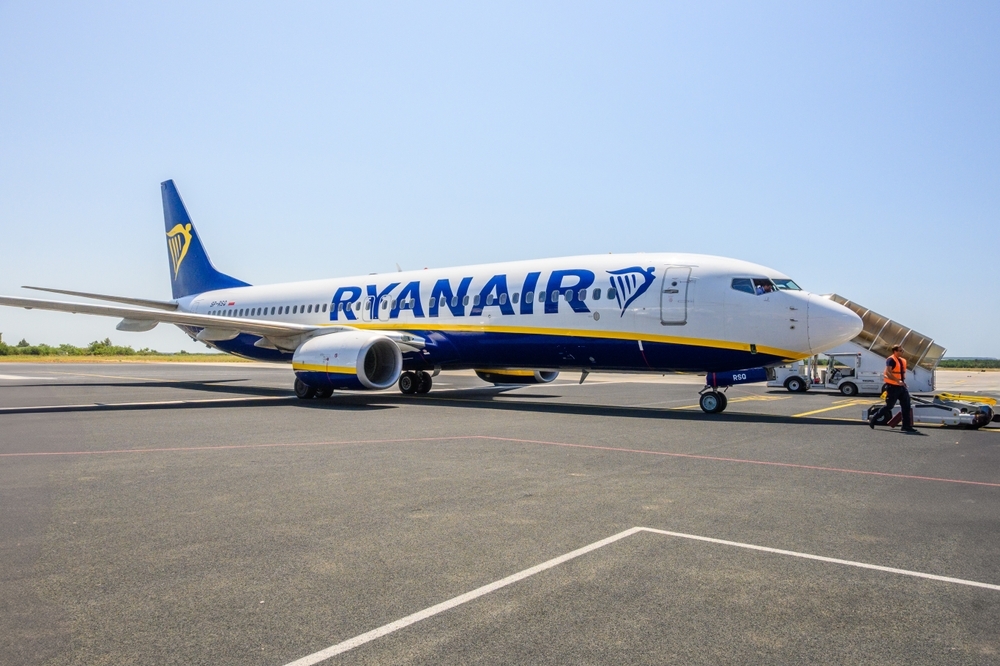
- Pre-Flight: The aircraft, a Ryanair service originating from Thessaloniki, Greece, commenced its scheduled flight. Passengers settled in for what was anticipated to be a routine journey.
- The "Bang": Approximately an unspecified period after takeoff, a loud, distinct "bang" was heard by passengers. This sound indicated a significant mechanical event occurring within or around the aircraft’s engines.
- Window Breach: Immediately following the bang, debris from the malfunctioning engine struck a passenger window, causing it to shatter and creating an opening to the outside.
- Near Ejection: The pressure differential pulled a male passenger towards the shattered window, with his head and shoulders protruding from the aircraft. He was held in place by his safety harness.
- Heroic Rescue: The passenger’s wife and other passengers reacted with immediate bravery, physically pulling him back into the cabin.
- Emergency Descent and Return: The flight crew, alerted to the critical situation, initiated emergency procedures. The aircraft safely returned to Thessaloniki Airport.
- On-Ground Support: Upon landing, medical personnel were available, and passengers were debriefed.
- Re-accommodation: Ryanair arranged for alternative travel options for affected passengers.
This timeline highlights the rapid escalation of the incident from a normal flight to a life-threatening emergency, and the swift, albeit reactive, measures taken to ensure passenger safety.
Supporting Data and Aviation Safety Protocols
While specific technical details regarding the exact cause of the engine malfunction and the subsequent debris strike are likely under thorough investigation by aviation authorities, the incident underscores several critical aspects of aviation safety.
Engine Malfunctions: Jet engines are complex pieces of machinery that operate under immense stress. While rigorous maintenance schedules and advanced engineering aim to prevent failures, they can and do occur. When an engine fails, particularly at altitude, the potential for catastrophic damage is significant. Debris ejected from a failing engine, often referred to as an "uncontained engine failure," can strike the fuselage, wings, or control surfaces, posing a severe threat to the aircraft’s structural integrity.
Aircraft Windows and Cabin Pressure: Aircraft windows are designed to withstand significant pressure differentials. They are typically made of multiple layers of reinforced acrylic. However, the force exerted by a direct impact from high-velocity debris can exceed the window’s structural limits. The sudden depressurization of the cabin caused by a breach is a critical emergency. The rapid loss of oxygen at high altitudes can lead to hypoxia, a dangerous condition that impairs cognitive function and can lead to unconsciousness. This is why the passenger remaining strapped in was crucial; it mitigated the immediate outward force and allowed for rescue.
Emergency Procedures: Aviation safety is built upon a foundation of robust emergency procedures. In the event of a significant in-flight emergency, flight crews are trained to assess the situation, prioritize safety, and take appropriate action, which often includes diverting to the nearest suitable airport. The decision to return to Thessaloniki demonstrates the crew’s adherence to these protocols.
The Role of Passengers: While the primary responsibility for safety lies with the airline and its crew, this incident also highlights the importance of passenger cooperation and, in this extraordinary case, the remarkable bravery of individuals. The quick thinking and physical intervention of the passenger’s wife and others were instrumental in preventing a far worse outcome.
Official Responses and Investigation
Following the incident, it is expected that aviation safety regulatory bodies, such as the Hellenic Civil Aviation Authority and potentially the European Union Aviation Safety Agency (EASA), will launch a comprehensive investigation into the event. This investigation will aim to:
- Determine the precise cause of the engine malfunction: This will involve a detailed examination of engine components, maintenance records, and flight data.
- Analyze the trajectory and impact of the debris: Understanding how the debris struck the fuselage and the window is crucial to assessing the extent of the damage and the forces involved.
- Evaluate the aircraft’s structural integrity post-impact: Engineers will assess any damage to the airframe and determine its airworthiness.
- Review the flight crew’s actions: The crew’s response to the emergency will be scrutinized to ensure adherence to standard operating procedures.
- Assess the performance of safety systems: This includes the integrity of the windows and the effectiveness of emergency equipment.
Ryanair, as the operating carrier, will be cooperating fully with the investigation. The airline has a vested interest in understanding the root cause of the failure to prevent future occurrences. Typically, airlines will issue statements acknowledging the incident, expressing concern for passenger well-being, and confirming their commitment to safety. The provision of a replacement flight and support for affected passengers are standard responses in such situations.
Implications for Air Travel and Future Safety Measures
This terrifying incident serves as a stark reminder that even in an industry as statistically safe as aviation, unforeseen events can pose extreme risks. The implications are multifaceted:
- Enhanced Engine Scrutiny: Investigations into such incidents often lead to heightened scrutiny of specific engine models or manufacturing processes. Recommendations may be issued for increased inspections or modifications to prevent similar failures.
- Aircraft Design and Resilience: While aircraft are designed with multiple layers of safety, events like this can prompt reviews of design considerations, particularly concerning the resilience of the fuselage to debris impacts.
- Passenger Preparedness and Training: While not directly at fault, the incident might reignite discussions about passenger awareness of safety procedures, although the extraordinary nature of this event makes it difficult to prepare for.
- Psychological Impact: The emotional toll on passengers involved in such near-death experiences is significant. Airlines and support services may need to consider offering more robust psychological support for those affected by traumatic inflight events.
- Public Perception of Safety: While rare, such incidents can, unfortunately, influence public perception of air travel safety. Transparent and thorough investigations, coupled with clear communication of safety measures, are vital to maintaining public confidence.
The Ryanair flight incident, while exceptionally alarming, ultimately highlights the robustness of aviation safety systems and the remarkable courage of individuals. The investigation will undoubtedly provide valuable insights, contributing to the continuous effort to make air travel as safe as humanly possible. The bravery displayed by the passenger’s wife and others on board will be remembered as a powerful testament to human courage in the face of unimaginable peril.