Masanori Ushiki’s "Fighters": A Futuristic Vision Rooted in a Rich Cultural Tapestry
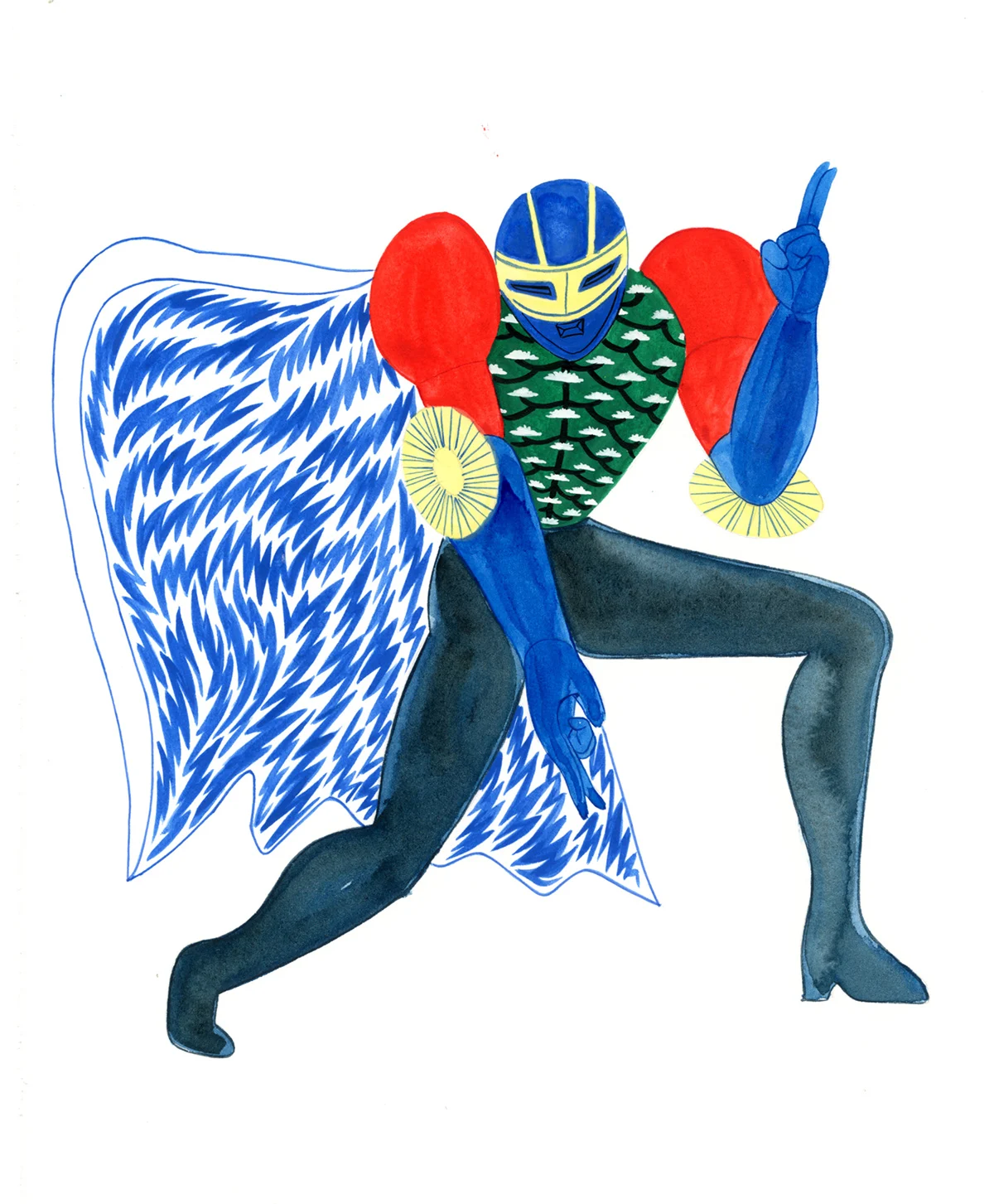
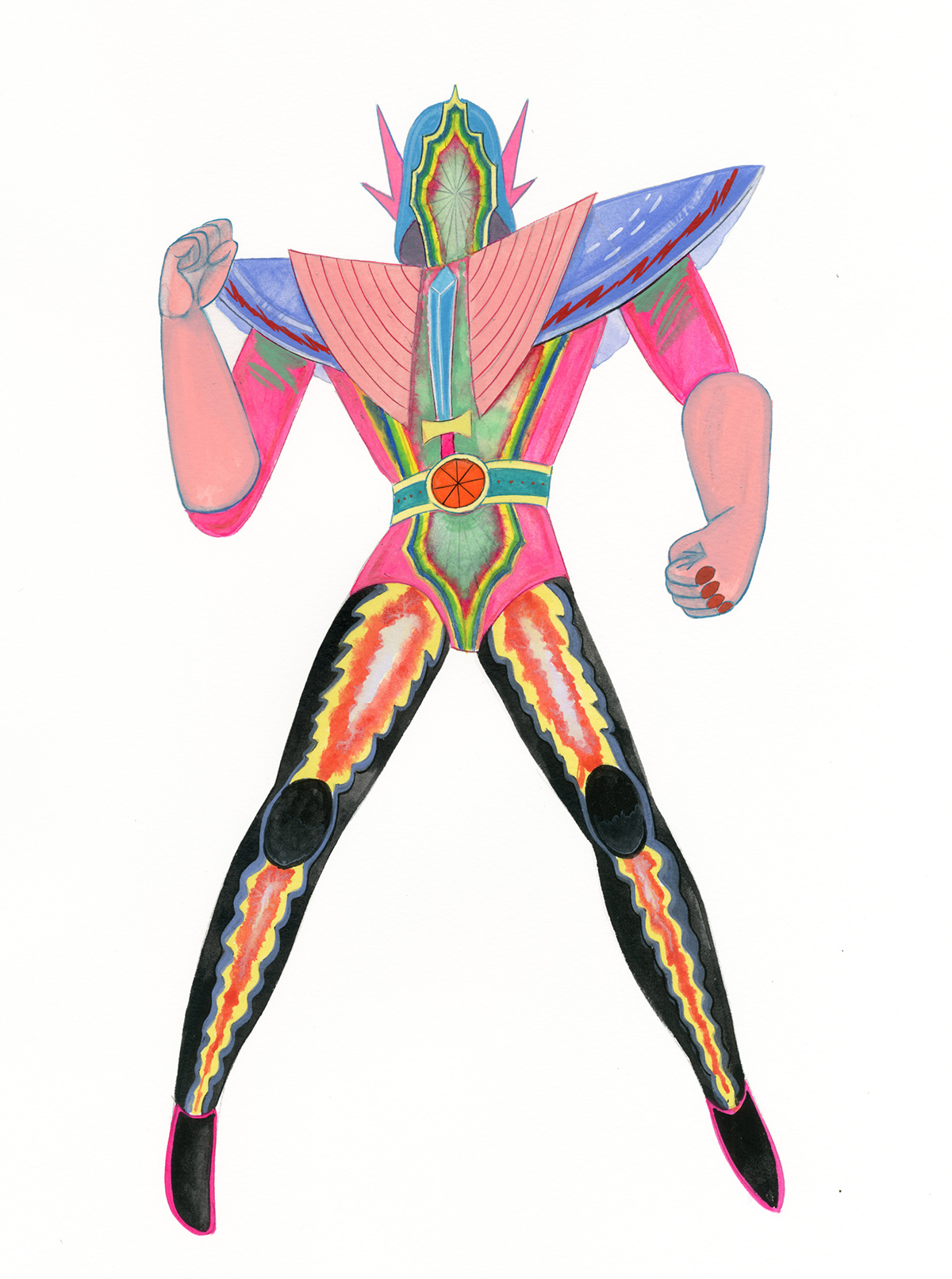
Kyoto-based artist Masanori Ushiki is captivating international audiences with his distinctive character designs, a vibrant fusion of retro Japanese aesthetics and a forward-looking artistic sensibility. His ongoing series, "Fighters," showcases a cast of original characters that are as visually arresting as they are conceptually rich, drawing inspiration from the dynamic worlds of Japanese anime, tokusatsu, vintage toys, and the bold graphic culture of the 1980s and 1990s. Ushiki’s work, which has graced exhibitions in Paris and Hong Kong, is characterized by its unique color palettes and intricate, textile-inspired patterns, imbuing each creation with a sense of rhythm and life.
Ushiki, who operates from the culturally vibrant city of Kyoto, has cultivated a unique artistic voice that resonates with a global appreciation for imaginative character design. His approach transcends mere illustration; he aims for a holistic visual storytelling, where each character’s essence is conveyed purely through their aesthetic. "I’ve always been fascinated by character design," Ushiki states in a candid reflection on his artistic philosophy. "I want each character to feel complete through its visual design alone. Fashion is an essential element of my work, and the repeated patterns inspired by textiles create a sense of rhythm across the picture plane. By allowing motifs to recur, I hope the viewer’s eye naturally moves through the composition, giving each image a quiet sense of movement."
This deliberate use of recurring patterns is not a mere stylistic flourish but a calculated element designed to guide the viewer’s engagement with his artwork. It fosters a sense of visual harmony and dynamism, transforming static images into immersive experiences. While his visual language is deeply rooted in the cultural landscape of his upbringing, Ushiki is quick to distance his work from simple nostalgia. His ambition is to forge an entirely new visual language, one that feels not like a relic of the past, but as if it has "arrived from the future." This forward-thinking perspective is what truly sets Ushiki’s "Fighters" apart, offering a compelling glimpse into imaginative worlds yet to be fully explored.
The Genesis of "Fighters": A Synthesis of Influences
Masanori Ushiki’s artistic journey is intrinsically linked to the cultural zeitgeist of Japan during the late 20th century. The era of the 1980s and 1990s was a golden age for Japanese popular culture, marked by an explosion of creativity in anime, tokusatsu (live-action special effects films and television shows), and the burgeoning toy and graphic design industries. These influences are palpable in Ushiki’s work, serving as foundational pillars upon which he constructs his original characters.
Anime’s Expressive Power: The vibrant storytelling and iconic character archetypes found in anime have undoubtedly shaped Ushiki’s approach to visual narrative. The exaggerated expressions, dynamic poses, and often fantastical designs prevalent in anime have provided a fertile ground for his own character conceptualization. He likely draws from the bold linework, the emphasis on distinct silhouettes, and the emotional resonance that anime characters so effectively convey.
Tokusatsu’s Larger-Than-Life Spectacle: The world of tokusatsu, with its towering robots, formidable monsters, and heroic protagonists clad in elaborate suits, offers a rich source of inspiration for Ushiki’s "Fighters." The inherent drama and visual spectacle of these productions, often characterized by their practical effects and imaginative creature designs, likely inform the heroic stances and powerful presence of Ushiki’s characters. The inherent theatricality of tokusatsu, where visual design plays a crucial role in establishing the narrative, aligns perfectly with Ushiki’s emphasis on character design as a primary storytelling tool.
The Allure of Vintage Toys: The 1980s and 1990s were also a period of significant innovation and popularity in the toy industry. From intricate action figures to stylized collectibles, these objects often possessed a distinct aesthetic that blended functionality with imaginative design. Ushiki’s characters, with their carefully considered forms and often modular or layered appearances, suggest an appreciation for the craftsmanship and playful design principles inherent in these vintage toys. The tactile quality and collectible nature of toys may also influence his desire to create characters that are appealing and memorable enough to be desired as individual entities.
Graphic Culture’s Bold Statements: The graphic design of the 1980s and 1990s was characterized by its bold typography, vibrant color palettes, and often geometric or abstract patterns. This era saw the rise of distinct visual identities for brands, music, and media, leaving an indelible mark on visual culture. Ushiki’s use of striking color combinations and intricate, repeating patterns in his character designs directly echoes this graphic sensibility. The rhythmic quality he aims for in his compositions can be seen as a direct descendant of the dynamic layouts and visual energy found in the graphic art of this period.
By synthesizing these diverse influences, Masanori Ushiki doesn’t merely replicate past styles; he reinterprets them through his unique artistic lens. The "Fighters" series is a testament to his ability to distill the essence of these cultural touchstones and forge them into something entirely new and original.
The Aesthetic Language of "Fighters": Color, Pattern, and Rhythm
The visual impact of Masanori Ushiki’s "Fighters" is undeniably tied to his masterful manipulation of color and pattern. These elements are not incidental; they are integral to the conceptual framework of his characters and the overall composition of his artwork.
Unique Color Palettes: Beyond the Expected
Ushiki’s choice of color is a defining characteristic of his work. He moves beyond conventional palettes, opting for combinations that are both striking and harmonious. This often involves:
- Bold Juxtapositions: He isn’t afraid to pair colors that might initially seem unconventional, creating visual tension and dynamism. This could involve vibrant neons alongside muted earth tones, or unexpected pairings of complementary colors that pop with intensity.
- Subtle Gradations: Within these bold choices, Ushiki often employs subtle gradations and shifts in hue, adding depth and sophistication to his color application. This prevents the colors from feeling flat and contributes to the intricate detail of his designs.
- Emotional Resonance: Color is a powerful tool for conveying emotion, and Ushiki likely uses his chosen palettes to evoke specific feelings or personalities for his characters. A character rendered in cool blues and silvers might exude a sense of stoicism or technological prowess, while one in warm reds and oranges might convey passion or aggression.
- Harmonious Contrast: Despite the boldness, there is an underlying sense of harmony in his color choices. This suggests a deep understanding of color theory, where contrasting elements are balanced to create a visually pleasing whole.
Intricate Textile-Inspired Patterns: A Tapestry of Detail
The most distinctive feature of Ushiki’s "Fighters" is undoubtedly the incorporation of intricate, textile-inspired patterns. These patterns are not merely decorative; they are imbued with meaning and contribute significantly to the overall aesthetic and conceptual depth of his characters.
- Rhythm and Movement: As Ushiki himself notes, these repeated patterns create a "sense of rhythm across the picture plane." This is achieved through the visual flow and repetition of motifs, guiding the viewer’s eye through the composition. This rhythmic quality can suggest the character’s internal energy or the potential for action.
- Textural Richness: The detailed nature of these patterns adds a palpable sense of texture to his artwork. Even in a two-dimensional medium, the viewer can almost feel the weave of the fabric, the embroidery, or the intricate print. This textural depth contributes to the tactile quality of his characters.
- Cultural References: While not explicitly stated, the nature of textile patterns often carries cultural significance. Ushiki’s use of these patterns may subtly reference traditional Japanese textiles, global fabric designs, or even abstract geometric motifs that evoke a sense of ancient artistry.
- Narrative Layering: The patterns themselves can be seen as a form of visual storytelling. They might hint at the character’s origin, their abilities, or their allegiances. The repetition of certain motifs can create a visual language that, over time, becomes recognizable and meaningful to the viewer.
- Visual Complexity: The intricacy of these patterns demands close observation, rewarding the viewer with a wealth of detail upon closer inspection. This complexity adds a layer of sophistication to his character designs, preventing them from feeling simplistic or superficial.
Together, Ushiki’s unique color palettes and intricate textile-inspired patterns coalesce to create characters that are not only visually striking but also possess a deep artistic and conceptual resonance. They are a testament to his ability to blend diverse influences into a singular, compelling aesthetic vision.
A Global Reach: Exhibitions and International Acclaim
Masanori Ushiki’s artistic vision has not been confined to his studio in Kyoto. His distinctive style and conceptually rich "Fighters" series have garnered international attention, leading to exhibitions in prominent art hubs like Paris and Hong Kong. This global recognition underscores the universal appeal of his work, transcending cultural boundaries and resonating with a diverse audience.
The inclusion of his work in international exhibitions signifies more than just an artist’s success; it highlights the growing appreciation for character-driven art and the unique perspectives offered by artists working outside of mainstream Western art traditions. Paris, renowned for its history of fashion and art, and Hong Kong, a dynamic nexus of Eastern and Western cultural exchange, provide fertile ground for Ushiki’s art to be encountered and appreciated by a sophisticated international clientele.
These exhibitions serve as crucial platforms for:

- Cultural Exchange: They allow for a dialogue between different artistic traditions and provide a window into contemporary Japanese art for global audiences. Ushiki’s work, with its specific cultural inspirations, offers a unique point of entry into understanding the nuances of Japanese visual culture.
- Art Market Engagement: Exhibitions in major international cities are vital for an artist’s career development, facilitating connections with collectors, gallerists, and critics. This exposure can lead to further opportunities, commissions, and broader dissemination of his work.
- Critical Discourse: The presence of Ushiki’s art in international exhibitions sparks critical discussion and analysis. Art critics and historians can examine his techniques, influences, and thematic concerns within a global context, contributing to a deeper understanding of his artistic contributions.
- Audience Expansion: Exhibitions introduce Ushiki’s art to new audiences who might not otherwise encounter it through online platforms or smaller, local showings. This expansion of his audience is crucial for building a lasting legacy.
The fact that Ushiki’s characters are described as "original" and "arrived from the future," rather than simply derivative, is key to their international appeal. While rooted in specific cultural histories, their forward-looking aesthetic and universal themes of design and characterization allow them to connect with viewers from all backgrounds. This ability to innovate while maintaining a strong sense of artistic identity is a hallmark of successful contemporary artists on the global stage.
The Artist’s Intent: Beyond Nostalgia, Towards the Future
Masanori Ushiki’s artistic philosophy is a carefully articulated blend of deep cultural appreciation and a resolute focus on the future. His statement, "While my visual language is rooted in the culture I grew up with, I’m not interested in nostalgia. I want to create original characters that feel as though they have arrived from the future," encapsulates his core motivation. This statement offers several key insights into his creative process and aspirations.
Reinterpreting the Past, Not Replicating It
Ushiki acknowledges the significant influence of the 1980s and 1990s Japanese visual landscape on his work. This includes the vibrant worlds of anime, the dramatic narratives of tokusatsu, the playful designs of vintage toys, and the bold graphics of the era. However, he emphasizes that this is not an exercise in simple imitation or sentimental longing for the past. Instead, he uses these elements as a foundation, a lexicon of visual language, to construct something entirely new.
- Inspiration as a Catalyst: The past serves as a catalyst for innovation. Ushiki’s engagement with these influences is transformative, not imitative. He takes the recognizable elements and reconfigures them, imbues them with new meaning, and propels them into an imagined future.
- Avoiding Sentimentalism: The term "nostalgia" often carries connotations of sentimentality or an uncritical yearning for bygone eras. Ushiki’s rejection of this suggests a desire for his work to possess a contemporary relevance and an independent artistic merit that stands on its own, rather than relying on the viewer’s past associations.
The Pursuit of Originality
The emphasis on "original characters" is central to Ushiki’s artistic mission. In a world saturated with established franchises and derivative designs, his commitment to creating entirely new visual entities is a significant undertaking.
- Unique Visual Identity: Originality in character design means developing a distinct silhouette, a unique color palette, and a signature aesthetic that is immediately recognizable as belonging to Ushiki. His intricate patterns and bold color choices are key to achieving this.
- Conceptual Depth: Originality also extends to the conceptual underpinnings of his characters. He aims for them to possess an internal logic and a compelling presence that makes them feel fully realized, even without explicit narrative context.
A Glimpse into the Future
The most provocative aspect of Ushiki’s statement is his desire for his characters to feel as though they have "arrived from the future." This suggests several interpretations:
- Advanced Aesthetics: His characters might embody a futuristic aesthetic that is sleek, technologically advanced, or possesses design sensibilities that are ahead of current trends. This could manifest in their forms, their textures, or the way their patterns suggest future technologies or societies.
- Evolving Visual Language: The "future" could also refer to an evolution of visual language itself. Ushiki might be exploring new ways of combining elements, new approaches to color and pattern, or new methods of conveying emotion and narrative through design that will become commonplace in the future.
- Unforeseen Narratives: Characters arriving from the future imply stories and contexts that are yet to be imagined. His creations might be pioneers, explorers, or inhabitants of worlds that are still in development in our collective imagination.
- Timeless Appeal: Paradoxically, creating work that feels like it’s from the future can also give it a timeless quality. By not being tied to a specific present moment or a past trend, his characters might possess an enduring appeal that transcends temporal boundaries.
Masanori Ushiki’s artistic statement reveals a profound engagement with the past as a source of inspiration, but with an unwavering gaze fixed on the horizon. His "Fighters" are not merely echoes of what has been; they are potent manifestations of what could be, designed to captivate and provoke thought about the future of art, design, and imagination.
The Significance and Implications of Ushiki’s Art
Masanori Ushiki’s "Fighters" series and his distinctive artistic approach carry significant implications for the contemporary art world and beyond. His work challenges conventional notions of artistic influence, celebrates the power of character design, and offers a unique perspective on the relationship between culture and future aesthetics.
Redefining Artistic Influence and Originality
Ushiki’s explicit statement about not being interested in nostalgia while drawing heavily from past cultural touchstones is a crucial point. It highlights a sophisticated understanding of influence, where inspiration is not about replication but about reinvention. In an era where cultural appropriation and the blurring of boundaries are frequent topics of discussion, Ushiki’s approach demonstrates how artists can engage with their heritage and popular culture in a way that is respectful, transformative, and ultimately, original. His "Fighters" are not mere pastiches; they are synthesized entities that speak with a new voice. This can inspire other artists to explore their own cultural roots with a forward-looking perspective, fostering a richer and more dynamic artistic landscape.
The Elevated Status of Character Design
Traditionally, character design has often been viewed as a component of larger artistic endeavors, such as animation, gaming, or comics. Ushiki, however, elevates character design to a primary art form in itself. His assertion that "each character to feel complete through its visual design alone" underscores the inherent artistic merit and storytelling potential within well-executed character creation. This recognition can encourage a greater appreciation for the skill, creativity, and conceptual depth involved in designing compelling characters, potentially leading to more opportunities and recognition for character designers across various creative industries.
A Bridge Between Traditional Aesthetics and Futuristic Visions
Ushiki’s work serves as a fascinating bridge between established Japanese visual culture and speculative future aesthetics. His characters, imbued with the vibrant energy of 80s and 90s Japanese pop culture, are presented as beings that have transcended their origins. This fusion can be interpreted in several ways:
- Cultural Continuity and Evolution: It suggests that cultural elements do not simply fade away but can be recontextualized and evolve into new forms. The visual language that defined a generation in Japan can, through Ushiki’s art, inform and inspire visions of what the future might look like.
- Global Appeal of Japanese Aesthetics: The international success of his work in cities like Paris and Hong Kong further solidifies the global appeal of Japanese aesthetics, demonstrating that these visual languages can resonate with diverse audiences and adapt to new contexts.
- Imagining Sustainable Futures: By drawing from distinct cultural aesthetics, Ushiki’s work might implicitly suggest a future where diverse cultural influences are integrated rather than homogenized. This could be seen as a commentary on a more inclusive and vibrant future.
The Role of Visual Literacy in a Digital Age
In our increasingly visual and digitally mediated world, the ability to communicate complex ideas through images is paramount. Ushiki’s emphasis on visual design as a complete form of expression speaks to this reality. His characters, with their intricate patterns and distinct color palettes, demand a high level of visual literacy from the viewer. They encourage close observation and interpretation, fostering a deeper engagement with the artwork. This can encourage a more critical and nuanced approach to visual information, which is essential in navigating the complexities of contemporary media.
Implications for Art and Design Education
The success of artists like Masanori Ushiki has implications for art and design education. His approach highlights the importance of:
- Interdisciplinary Learning: Encouraging students to draw inspiration from a wide range of sources, including popular culture, historical art forms, and diverse global aesthetics.
- Conceptual Depth in Design: Emphasizing that design is not merely about aesthetics but also about conveying meaning, emotion, and narrative.
- The Power of Originality: Fostering an environment where students are encouraged to develop their unique artistic voices and challenge existing paradigms.
- Global Perspective: Preparing students to engage with and contribute to a global art and design community.
In conclusion, Masanori Ushiki’s "Fighters" series is more than just a collection of striking characters. It is a sophisticated exploration of artistic influence, a testament to the power of character design, and a compelling vision of a future shaped by a rich tapestry of cultural heritage. His work invites us to look beyond the immediate and to appreciate the enduring power of creative expression to connect us, inspire us, and transport us to worlds yet to be imagined.