Mauricio Ruiz | Concept Art World
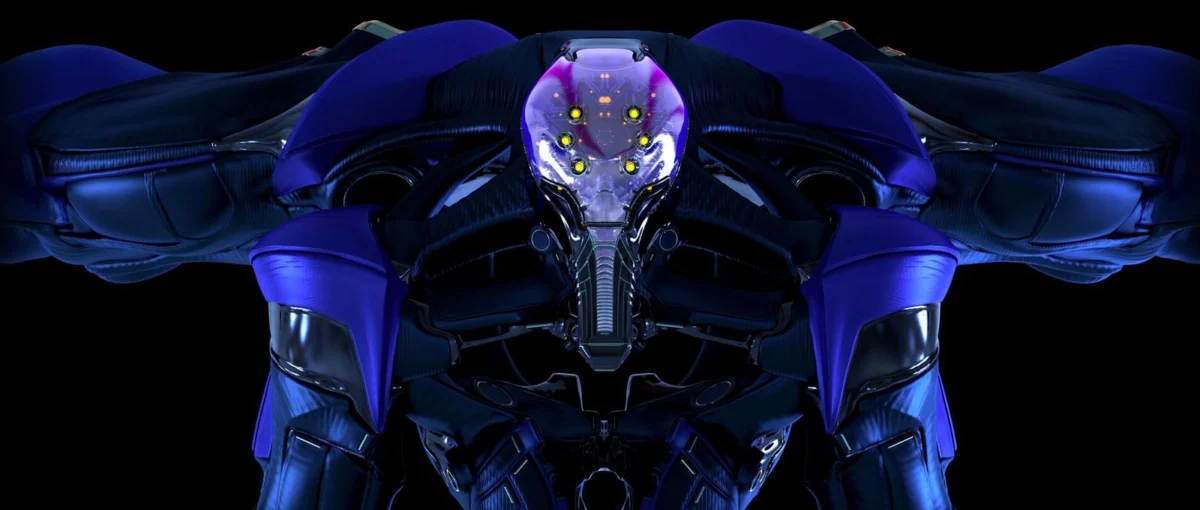
In the modern entertainment landscape, the bridge between a script’s first draft and the flickering light of the cinema screen is built by a select group of visual architects. These are the concept artists—the designers of worlds, vehicles, and civilizations that do not yet exist. Leading the charge in documenting and celebrating this critical craft is Concept Art World (CAW), a premier online resource that recently showcased a breathtaking array of work from industry titans. From the gritty, "used universe" of Gustavo Mendonca’s Star Wars illustrations to the neon-soaked, existential desolation of Adam Baines’ Blade Runner 2049 environments, the latest features on CAW serve as a testament to the enduring power of human creativity in an increasingly automated age.
Main Facts: A Digital Archive of Creative Excellence
Concept Art World has long functioned as more than just a gallery; it is a vital node in the global entertainment industry’s nervous system. The platform’s latest updates highlight four distinct pillars of contemporary visual development:
- Gustavo Mendonca and the Legacy of Star Wars: Mendonca’s work continues the storied tradition of Star Wars concept art, blending the high-tech with the weathered and worn. His contributions help maintain the aesthetic continuity of a franchise that has defined science fiction for nearly half a century.
- Adam Baines’ Atmospheric Brutalism: Through his work on Blade Runner 2049, Baines has redefined the "cyberpunk" aesthetic, moving away from 80s tropes toward a more minimalist, atmospheric, and oppressive visual language that earned the film critical acclaim for its cinematography and design.
- Chris Kesler’s Philosophical Tech: Kesler’s work on Ghost in the Shell explores the intersection of humanity and cybernetics, utilizing intricate mechanical designs to mirror the film’s deep philosophical questions.
- The Versatility of Devin Platts: Beyond big-budget film franchises, the spotlight on Devin Platts emphasizes the importance of individual artistic voice and foundational illustration skills that underpin the entire industry.
As a leading resource, Concept Art World provides these artists with a platform to share the "unseen" work—the thousands of hours of iteration that occur before a single frame is shot. However, the platform is also making headlines for its firm stance on intellectual property, explicitly prohibiting the use of its curated content for the training of Artificial Intelligence (AI) systems.
Chronology: From Ralph McQuarrie to the Digital Frontier
To understand the significance of the work featured on Concept Art World, one must look at the evolution of the medium. The role of the "production illustrator" dates back to the Golden Age of Hollywood, but it was the 1970s that birthed the concept artist as we know them today.
- 1975–1977: George Lucas hires Ralph McQuarrie to visualize Star Wars. McQuarrie’s paintings were so evocative that they are often credited with getting the film greenlit by 20th Century Fox. This established the concept artist as a key creative partner to the director.
- 1982: Blade Runner (designed by Syd Mead) sets the gold standard for "future-noir." Mead’s "visual futurism" influenced every science fiction project for the next forty years.
- The 1990s: The transition from physical painting and kit-bashing to digital tools begins. Ghost in the Shell (1995) becomes a landmark for Japanese animation, blending hand-drawn art with early digital integration.
- 2010s–Present: The industry enters the era of "Visual Development" (VisDev). Artists like Adam Baines and Chris Kesler now use a hybrid of 3D modeling (ZBrush, Blender), photobashing, and digital painting to create hyper-realistic environments that can be handed directly to VFX houses for 3D construction.
Today, Concept Art World serves as the digital museum for this ongoing history, capturing the shift from the tactile brushes of the past to the sophisticated digital pipelines of the present.
Supporting Data: The Value of Visual Development
The entertainment industry is currently valued at over $2 trillion globally, and concept art sits at the very top of the production funnel. According to industry data, a major blockbuster like Blade Runner 2049 or a Star Wars installment can generate upwards of 10,000 individual concept pieces during pre-production.
- The "Blue Sky" Phase: In the initial stages, artists like Devin Platts are given "Blue Sky" freedom to explore any direction. This phase is crucial for establishing the mood, lighting, and color palette (the "color script") of a project.
- Efficiency and Cost: High-quality concept art, such as that produced by Gustavo Mendonca, can save studios millions of dollars. By resolving design issues on "paper" rather than on a live-action set or during expensive 3D rendering, concept artists act as the first line of defense against budget overruns.
- Cultural Impact: The visual language established by these artists extends far beyond the screen. It informs theme park design (Galaxy’s Edge), consumer merchandise, and even real-world industrial design.
Official Responses: The Battle Against AI Encroachment
One of the most striking aspects of the Concept Art World platform is its explicit legal notice: "Any training of AI systems using this content is strictly prohibited." This statement reflects a growing movement within the creative community to protect human labor from generative AI models.
The Stance of Creative Professionals:
Artists featured on the site, including those working for major studios, have expressed concern that AI models are being trained on their copyrighted works without compensation or consent. The Concept Art World policy is a proactive attempt to safeguard the "human element" of design.
Legal and Ethical Implications:
The "No AI" stance on the site aligns with recent legal challenges in the US and EU regarding the "Fair Use" doctrine. By clearly stating that their images—copyrighted by the artists or their respective studios (Disney, Warner Bros., etc.)—are off-limits for machine learning, CAW is setting a standard for digital galleries worldwide.
Industry veterans argue that while AI can generate images, it cannot "design" in the way a human can. A concept artist like Chris Kesler isn’t just making a "cool picture"; he is solving a narrative problem, ensuring that a character’s cybernetic arm looks like it actually functions and fits the lore of the world.
Implications: The Future of Human-Led Design
The showcase of Mendonca, Platts, Kesler, and Baines arrives at a pivotal moment for the industry. As we look toward 2026 and beyond, several implications emerge for the future of concept art:
1. The Premium on Originality:
As AI-generated imagery becomes more common, the value of "bespoke" concept art is expected to rise. Studios will likely place a higher premium on artists who can offer a unique, identifiable style—like the atmospheric weight found in Adam Baines’ work—that machines cannot easily replicate without derivative "hallucinations."
2. Education and Aspiration:
Concept Art World remains a critical educational tool. For aspiring artists, seeing the professional pipelines of masters like Devin Platts provides a roadmap for skill development. The platform’s focus on tutorials and artist spotlights ensures that the "craft" is passed down to the next generation, maintaining a human-centric lineage of visual storytelling.
3. The Rise of "World-Building" as a Service:
The work of these artists suggests that "concept art" is evolving into a broader discipline of "World-Building." This involves not just drawing characters, but designing entire ecosystems, political structures, and histories through visual cues. This holistic approach is becoming essential for the "transmedia" franchises of the future, where a single concept must work across films, games, and VR.
4. Intellectual Property Protection:
The hardline stance taken by CAW against AI training may become the industry standard. We are likely to see more sophisticated digital watermarking and "data poisoning" (tools like Nightshade) used to protect the portfolios of concept artists. The survival of the profession depends on the ability of artists to own and control their visual output.
Conclusion: The Soul in the Machine
The portfolios of Gustavo Mendonca, Adam Baines, Chris Kesler, and Devin Platts are more than just collections of beautiful images; they are the blueprints of our modern mythology. By curating this work, Concept Art World reminds us that behind every iconic cinematic moment is a human being with a digital stylus or a paintbrush, grappling with light, shadow, and emotion.
As the industry moves forward into an era of unprecedented technological change, the "architects of imagination" featured on CAW stand as a reminder that true vision cannot be automated. It requires a soul, a history, and a deep understanding of the human condition—qualities that the artists of Star Wars, Blade Runner, and Ghost in the Shell possess in abundance. In the quiet corridors of Concept Art World, the future is being drawn, one brushstroke at a time.