Mega Man: Dual Override – A Nostalgic Leap Forward with Modern Polish
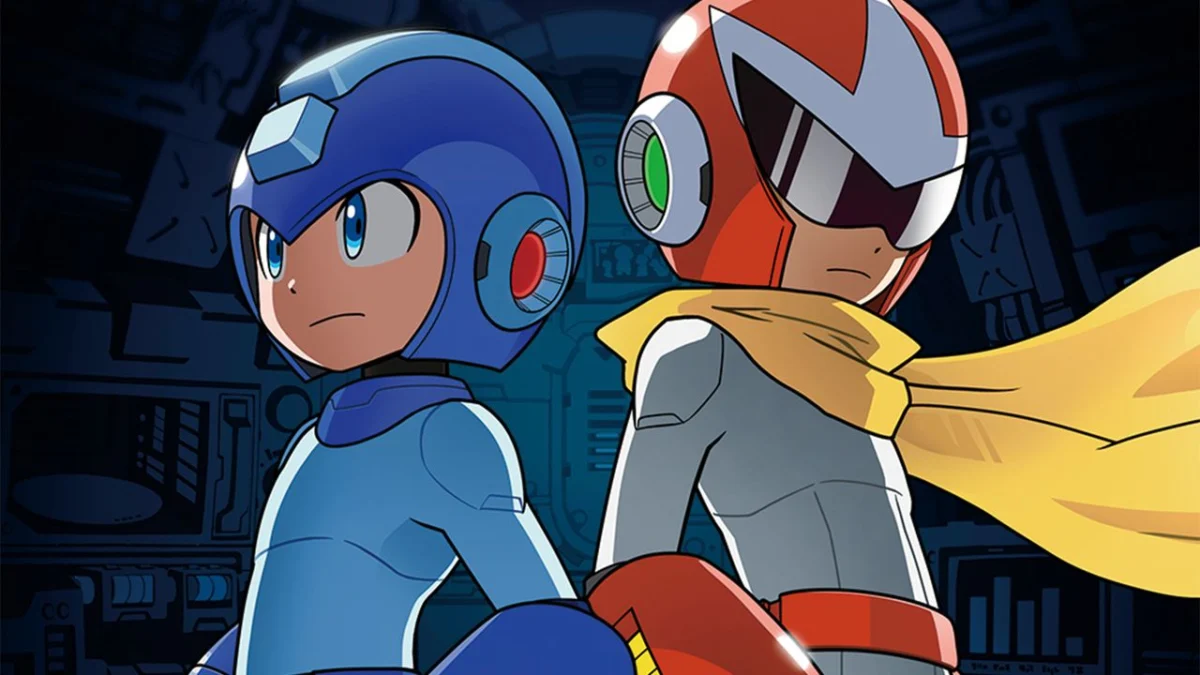
The iconic Blue Bomber returns with a blend of classic challenge and contemporary flair, promising a fresh yet familiar experience for seasoned fans and newcomers alike.
Capcom’s legendary franchise, Mega Man, is set to reignite player passion with the upcoming release of Mega Man: Dual Override. This latest installment aims to recapture the magic of the series’ roots while infusing it with modern sensibilities, a move that has already garnered significant attention from the gaming community. Early impressions suggest a game that masterfully balances challenging, precise platforming with vibrant visuals and engaging new mechanics, potentially bridging the gap for players like the author, who have historically harbored a "love-hate" relationship with Mega Man’s notorious difficulty spikes.
The Enduring Appeal of Mega Man
For decades, Mega Man has been synonymous with demanding yet rewarding gameplay. The core loop—facing off against a diverse cast of uniquely designed "Robot Masters," defeating them to acquire their signature weapons, and then strategically employing those powers to overcome subsequent challenges—remains a compelling formula. This intricate dance of pattern recognition, precise execution, and strategic weapon utilization has cemented Mega Man’s place in gaming history.
However, the series’ signature difficulty has also been a double-edged sword. Many players, myself included, have found themselves captivated by the character design, the vibrant aesthetic, and the sheer ingenuity of the weapon-stealing mechanic, only to be stymied by insurmountable challenges that lead to frustration and eventual abandonment. It’s a common lament among those who admire the idea of Mega Man but struggle with its execution.
Mega Man: Dual Override appears to address this delicate balance head-on. In a recent hands-on preview, the game demonstrated a commitment to the series’ classic pace and challenge, but with a crucial difference: the difficulty curve felt more forgiving, allowing players to progress further before hitting that familiar, frustrating wall. More importantly, this extended engagement fostered a desire to persevere, a stark contrast to the urge to simply walk away. This suggests Capcom has found a way to honor the series’ demanding legacy without alienating a broader audience.
A Visual Renaissance: Classic Aesthetics, Modern Execution
The visual presentation of Mega Man: Dual Override is a significant highlight. Played on a PlayStation 5 Pro, the game showcases fluid, bouncy animation that brings the characters and environments to life with a palpable energy. The art direction remains faithful to the series’ iconic style, featuring bold, colorful designs for both Mega Man and the formidable Robot Masters.
Capcom has wisely avoided a complete overhaul, instead opting for a sophisticated modernization of the series’ established aesthetic. The visuals are cleaner and more refined, but the unmistakable personality of Mega Man shines through. From the charming, almost cartoonish character designs to the outrageously flamboyant and aggressive Robot Masters, and the bright, chunky mechanical world they inhabit, every element feels authentically Mega Man. This careful curation ensures that the game is immediately recognizable to long-time fans while offering a visually polished experience for a new generation of players.
The stages themselves are meticulously crafted, evoking the spirit of classic NES-era level design. Each screen presents a series of interconnected platforming challenges, demanding players to master Mega Man’s repertoire of jumps, slides, and precise shooting to navigate treacherous terrain and outmaneuver patrolling robots. This deliberate adherence to the original design philosophy is what makes Dual Override feel both nostalgic and refreshingly focused.
Back to Basics: Honoring the Core Gameplay Loop
In a recent revisit to Mega Man: The Wily Wars on Nintendo Switch Online, the original NES games were played to underscore the profound impact of Dual Override‘s commitment to the core design principles. The levels are indeed designed as intricate, bite-sized puzzles, each demanding a careful consideration of movement and combat. The familiar tension of Mega Man gameplay is palpable: players know intellectually what needs to be done, but the true test lies in translating that knowledge into flawless physical execution.
Dual Override masterfully navigates this fine line. Throughout the demo, the game consistently presented challenges that were demanding enough to make overcoming them feel like a genuine achievement, yet not so punishing as to induce immediate rage. This delicate equilibrium, experienced firsthand within Capcom’s London studio, suggests a well-calibrated difficulty that respects the player’s skill while encouraging persistence.
The Gauntlet of Robot Masters: Puzzles in Disguise
The true heart of any Mega Man game lies in its boss encounters, and Dual Override is no exception. The demo provided access to three distinct Robot Masters, each presenting a unique challenge that serves as a testament to the series’ enduring design. These encounters are not merely tests of reflexes; they are intricate puzzles disguised as battles, requiring players to observe, learn, and adapt.
Big Press Don: A Bouncing Menace
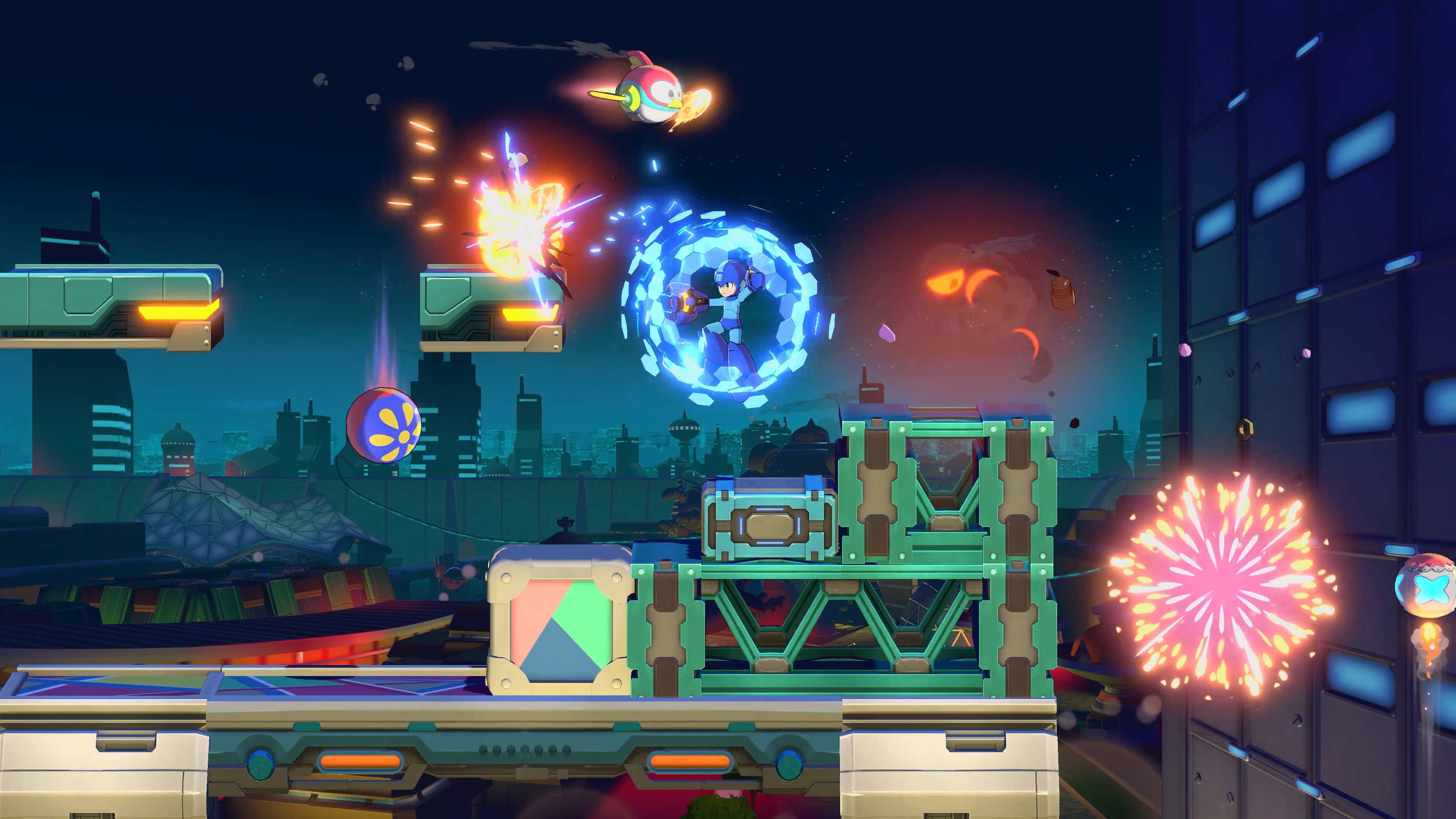
The first boss, Big Press Don, is perhaps the most straightforward of the trio. This trashcan-like robot, adorned with a mohawk and propelled by rocket springs, bounces erratically around the arena. Initially, his movements seem chaotic and overwhelming. However, upon closer observation, a crucial weakness reveals itself: Mega Man can slide beneath Big Press Don when he leaps across the screen. This simple realization transforms the fight from a frantic struggle into a more manageable, pattern-based encounter.
Astro Man: Celestial Barrage
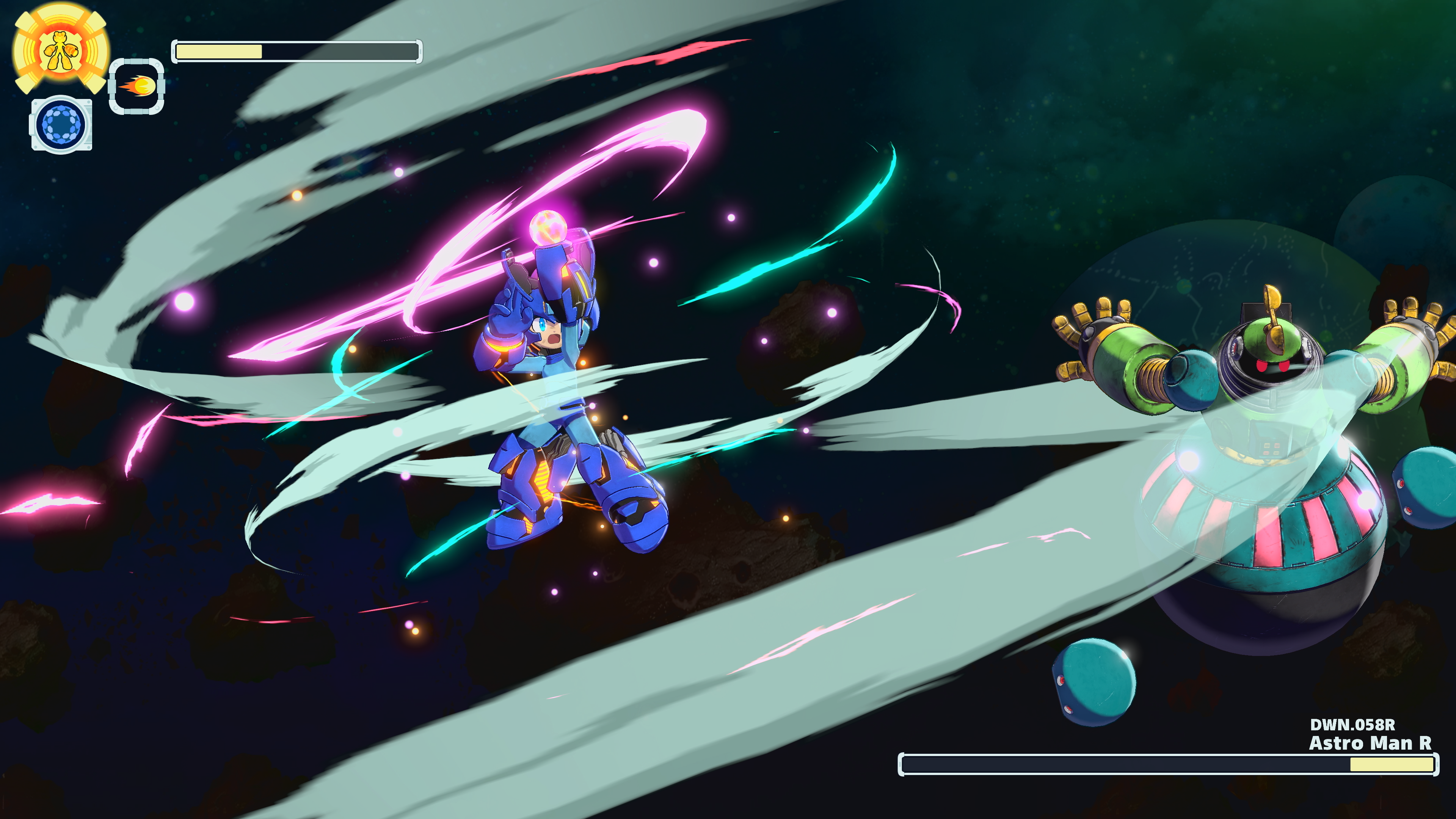
Astro Man, a returning favorite from Mega Man 8, presents a more complex challenge. He navigates the arena within a protective orb, unleashing volleys of smaller projectiles before initiating screen-filling meteor showers. While his attack patterns are not inherently difficult to comprehend after a few attempts, the true difficulty lies in remembering these patterns amidst the surrounding chaos and finding opportune moments to counterattack. This requires a heightened level of situational awareness and a calm demeanor under pressure.
Twinkle Girl: The Difficulty Spike
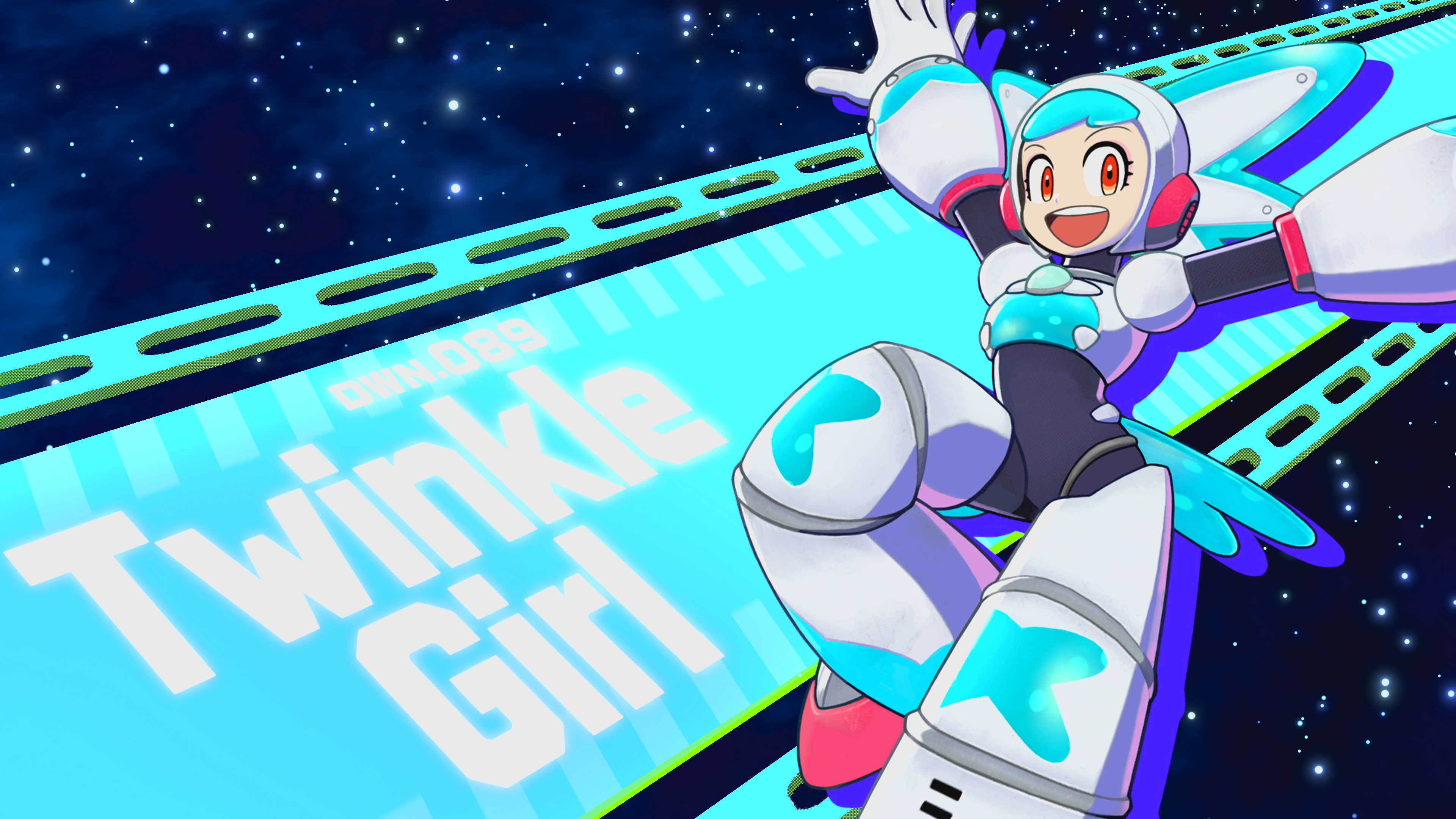
The introduction of Twinkle Girl marks a significant escalation in difficulty, embodying the classic Mega Man "difficulty spike." This new Robot Master, fittingly themed around chaotic fireworks, bombards the player with an array of explosive patterns, punctuated by agile slide attacks and unpredictable movements. Mastering Twinkle Girl’s rhythm and finding openings for attack proves to be a formidable task, demanding patience and repeated attempts.
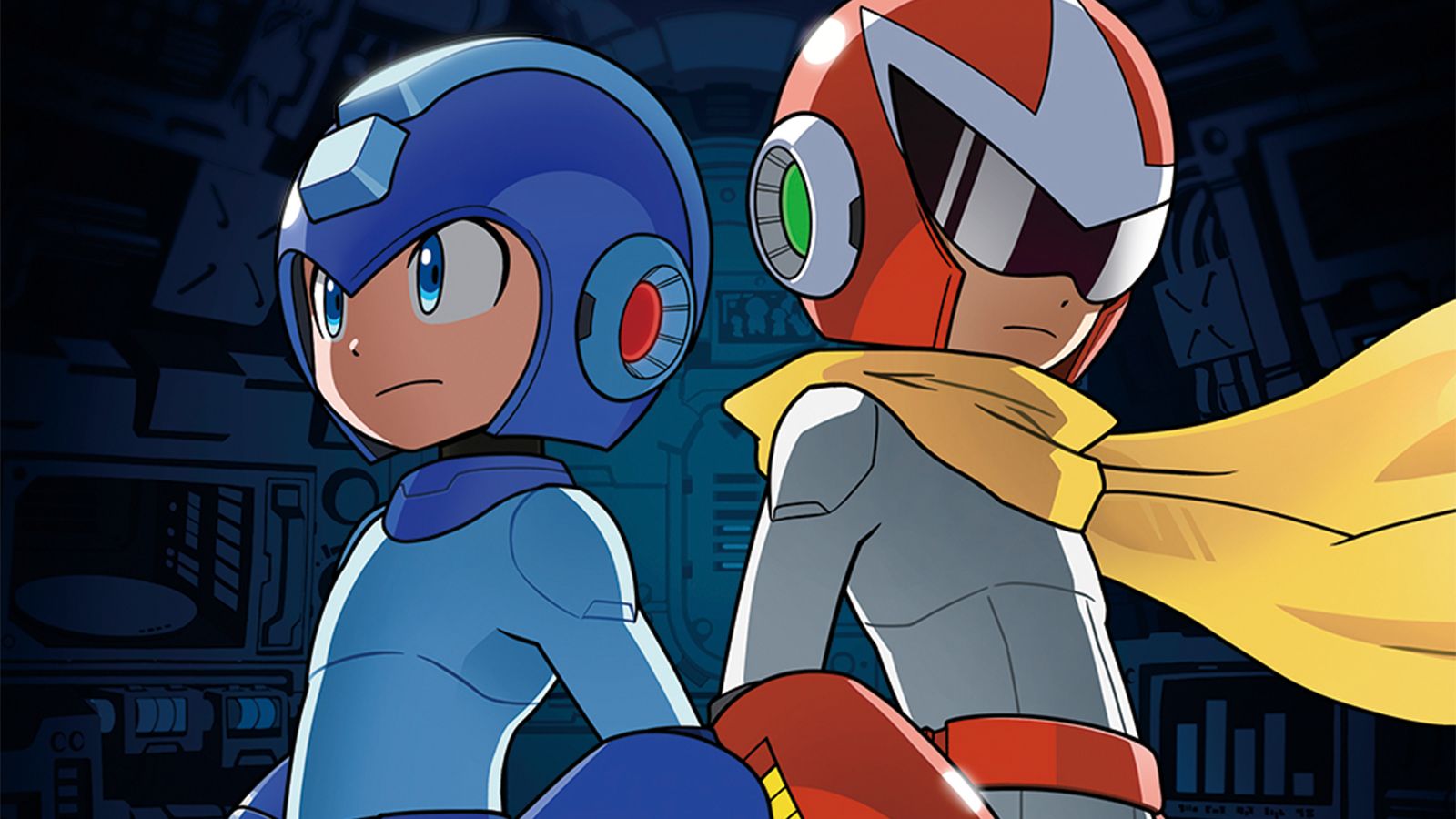
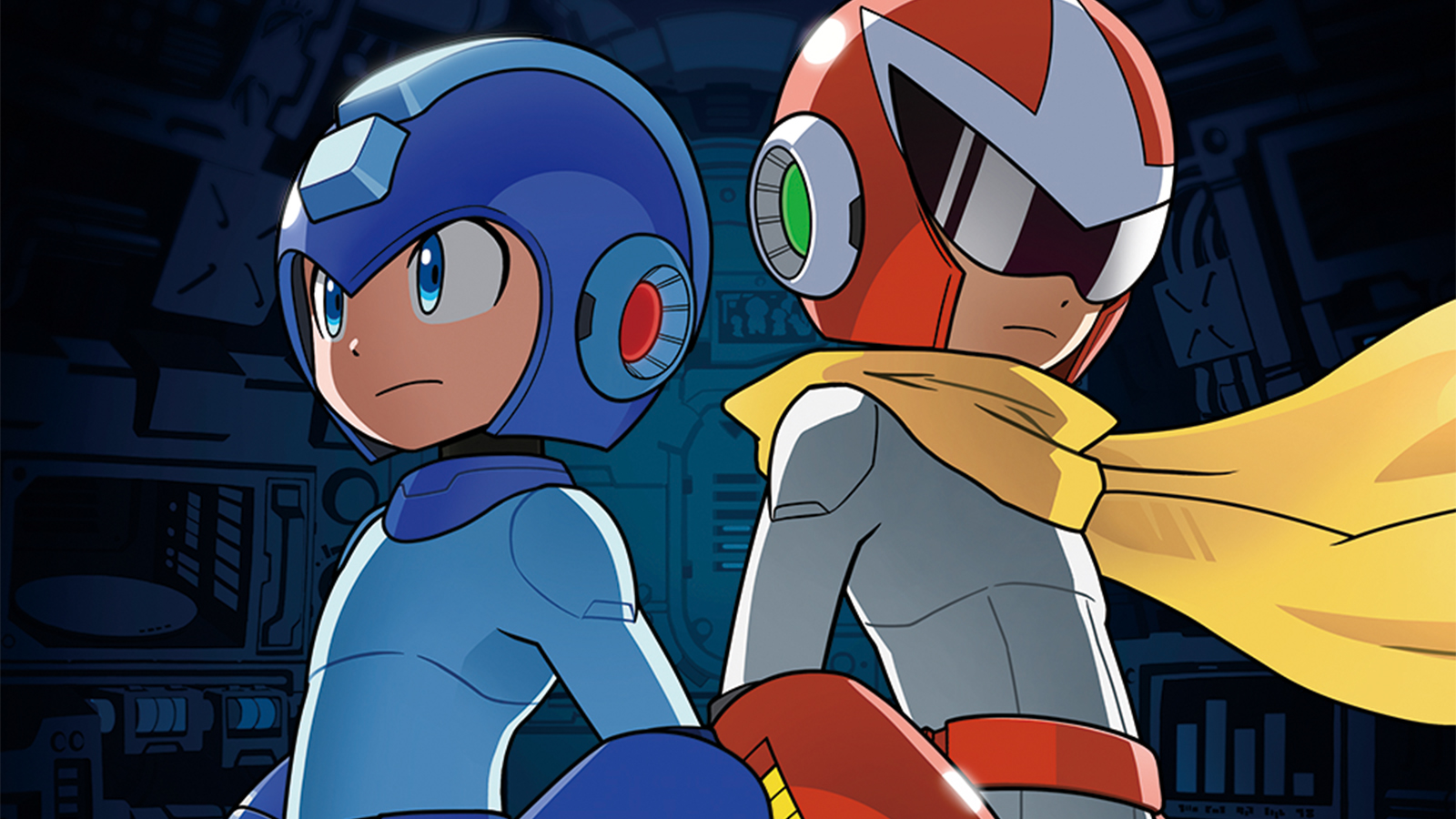
The demo offered the option to switch to Proto Man, a playable character alongside Mega Man, who brings his own unique abilities to the fray. Proto Man’s incredible speed, allowing him to dash across the screen with arrow-like velocity, provides a distinct advantage in evading Twinkle Girl’s onslaught and closing the distance. However, even with Proto Man’s agility, Twinkle Girl demonstrates an adaptive AI, countering player strategies and forcing players to constantly re-evaluate their approach. This dynamic boss behavior adds a compelling layer of complexity to the traditional Mega Man boss routine, where mere pattern memorization is insufficient; players must also learn to adapt their tactics as the boss evolves.
New Mechanics: Enhancing the Mega Man Formula
Beyond the core gameplay, Mega Man: Dual Override introduces several new mechanics designed to add depth and player agency without compromising the series’ established strengths.
The Override System: A Calculated Risk
The game features a new "Override" system, granting Mega Man and Proto Man temporary enhancements that push them beyond their standard capabilities. This power-up, however, comes with a significant caveat: once the boost depletes, players experience a temporary performance debuff. This introduces a strategic element, forcing players to carefully consider when to deploy the Override, rather than treating it as a simple "get out of jail free" card for difficult encounters.
Custom Chips: Tailoring Your Playstyle
Custom Chips offer players another avenue for personalization, allowing them to augment Mega Man and Proto Man with a variety of upgrades. These include rapid-fire capabilities, a protective shield bubble, hover functionality, and other offensive and defensive abilities. While the full impact of this system on the final game remains to be seen, it represents an intriguing departure for a series traditionally focused on mastering pre-defined abilities. This addition suggests a more nuanced approach to character progression and player choice, allowing for diverse playstyles.
Evolving Weaponry: Strategic Ammunition
The iconic special weapon system returns, maintaining its traditional trade-off: special attacks consume energy, requiring players to judiciously decide when their use is most beneficial. One of the new weapons showcased in the demo exemplifies this strategic depth. It combines a powerful charge attack with an aerial dash, offering utility beyond mere damage output, making it a valuable tool for both offense and traversal. This ensures that each weapon acquired still holds strategic significance, encouraging thoughtful resource management.
The Wisdom of Restraint: Don’t Mess With What Works
The abundance of new mechanics surrounding a gameplay foundation that Capcom has clearly chosen not to fundamentally alter speaks volumes about the developer’s respect for the Mega Man legacy. This decision to retain the core formula, enhanced by modern polish and strategic additions, appears to be the correct one. Revisiting the NES classics after playing the Dual Override demo underscored how much of its appeal stems from the faithful preservation of those foundational ideas.
While my personal proficiency with Mega Man remains a work in progress, and I anticipate that Dual Override will undoubtedly present its share of familiar challenges, this hands-on experience has instilled a newfound optimism. For the first time in a long time, I’ve walked away from a Mega Man preview not with a desire to put down the controller, but with a genuine curiosity about how much further I might progress in the full release. Mega Man: Dual Override promises a journey that honors its past while boldly stepping into the future, offering a compelling proposition for both long-time aficionados and those ready to embrace the Blue Bomber’s enduring charm.
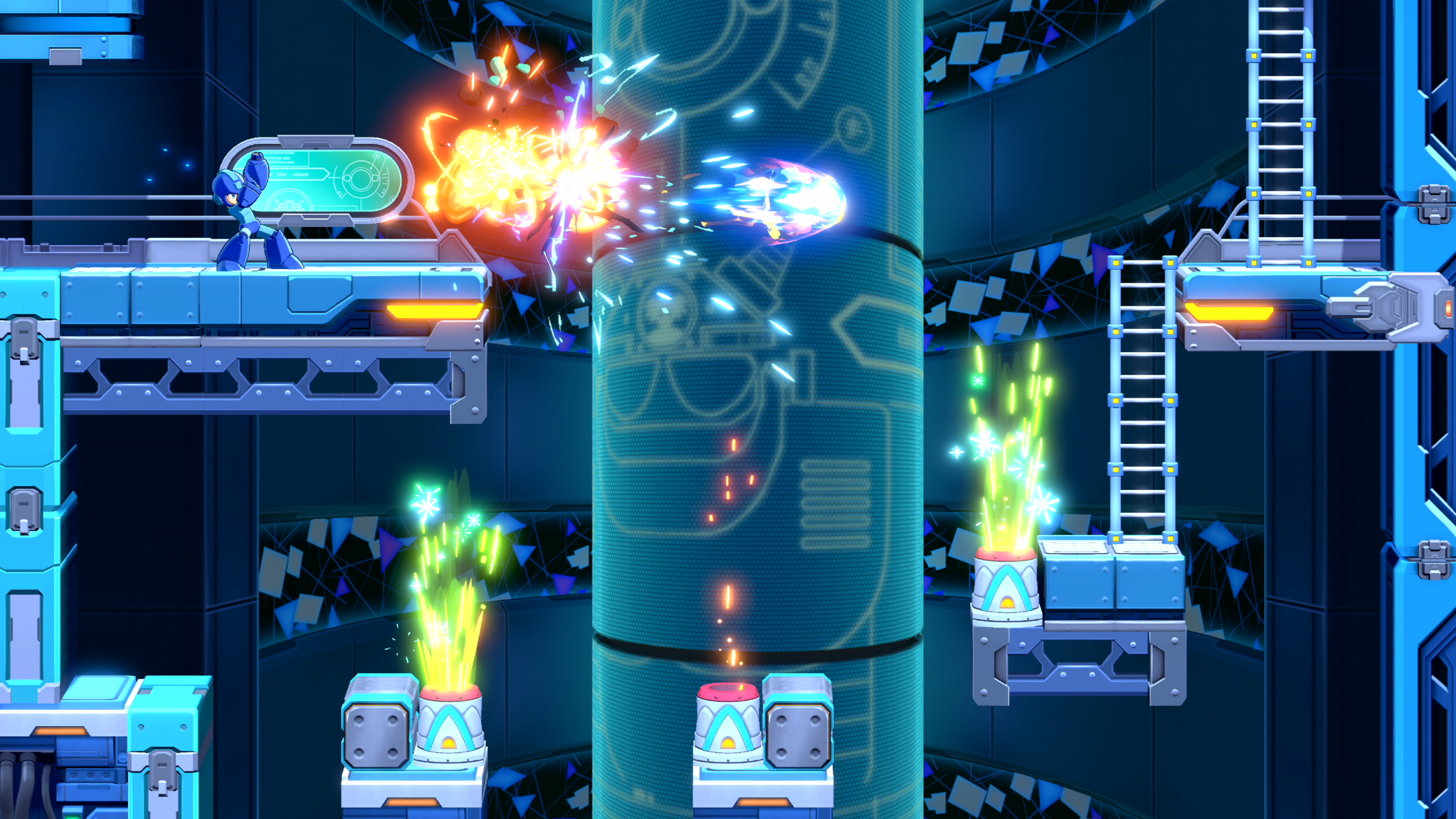
Mega Man: Dual Override is slated for release in 2027 for Nintendo Switch 2, Nintendo Switch, PlayStation 5, PlayStation 4, Xbox Series X|S, Xbox One, and PC.