The Pivot to Sustainability: Analyzing Knights of Fiona’s Shift to a Free-to-Start Model
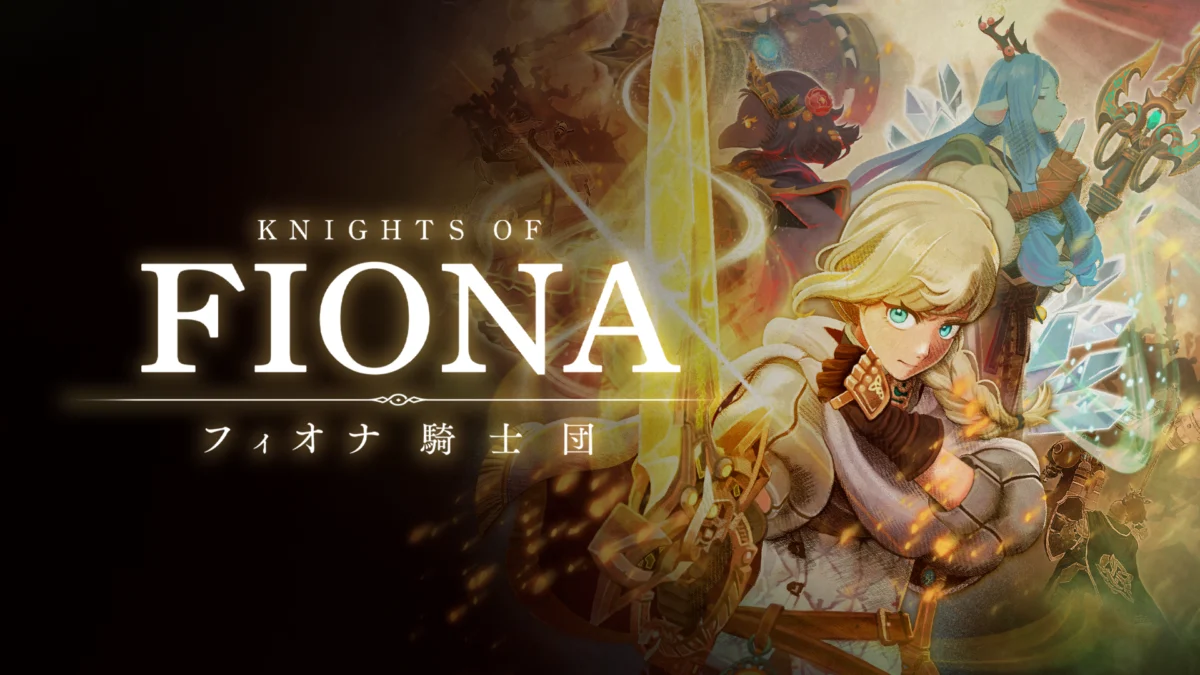
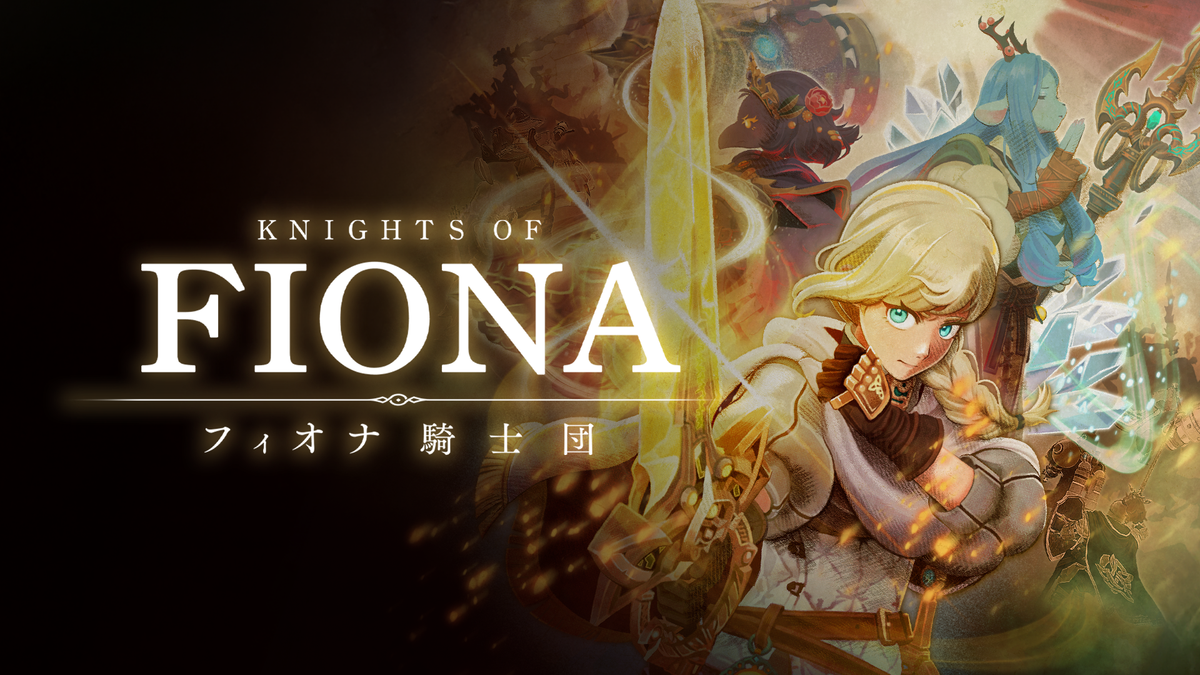
The virtual reality (VR) gaming landscape is currently navigating one of its most turbulent eras. As hardware adoption continues at a steady but perhaps slower-than-anticipated pace, developers are being forced to rethink traditional "premium" pricing models in favor of more flexible, accessible entry points. The latest title to join this trend is Knights of Fiona, a highly anticipated co-op JRPG from developer Character Bank.
Last week, following the VR Games Showcase, Character Bank confirmed that Knights of Fiona will launch under a "Free-to-Start" model. While the base game will be accessible for free, the core narrative and several high-tier features will be gated behind an $18.99 "Story Pass." This decision has sparked a wider conversation about the economic viability of VR development, the expectations of crowdfunding backers, and the shifting strategies required to survive in a volatile digital market.
Main Facts: The "Story Pass" and the English Voice Cast
The announcement came as part of a dual-purpose update. While the headline for many was the reveal of the game’s English voice cast—a significant milestone for a JRPG looking to capture a global audience—the structural change to the game’s monetization was the more impactful revelation for the industry at large.
The Monetization Structure
Under the new "Free-to-Start" model, general players can download Knights of Fiona at no initial cost. This free tier includes:
- Access to the game’s introduction and prologue.
- Limited access to core gameplay mechanics to "test the waters."
- A taste of the co-op functionality that defines the experience.
To unlock the full experience, players must purchase the Story Pass for $18.99. This add-on provides:
- Six full storied chapters.
- Complete battle missions associated with the narrative.
- Full English and Japanese voiceovers for all story content.
- Unlimited access to the game’s "trading tables," a key social and mechanical feature.
The Talent Behind the Voices
Character Bank utilized the VR Games Showcase to highlight the production value of the title, revealing a professional English voice cast intended to complement the original Japanese performances. This move signals a commitment to high-end presentation, which explains, in part, the need for a robust monetization strategy to recoup development costs.
Chronology: From Kickstarter to the VR Games Showcase
The journey of Knights of Fiona reflects the broader evolution of the VR market over the last few years. To understand why the "Free-to-Start" model was adopted, one must look at the project’s timeline.
The Crowdfunding Phase
Knights of Fiona began its public life on Kickstarter, where it was pitched as a premium co-op JRPG. Backers pledged funds with the expectation of receiving a full game upon release. At the time of the campaign, the VR market was experiencing a post-Quest 2 boom, and the "premium" model ($20–$40 for a complete experience) was the standard for high-quality indie VR titles.
The Shift in Strategy
As development progressed through 2023 and into 2024, the "economic landscape," as Character Bank describes it, shifted. The VR industry began to see a contraction in venture capital and a series of high-profile studio layoffs. During this period, Character Bank likely realized that a high barrier to entry (an upfront $20–$30 price tag) might limit the player base—a death sentence for a game that relies on co-operative multiplayer.
The August 2024 Reveal
During the VR Games Showcase last week, the developer officially unveiled the "Free-to-Start" trailer. This was followed by a detailed post on their Kickstarter page and social media channels, explaining the rationale behind the pivot and clarifying what this meant for those who had already paid for the game years prior.
Supporting Data: The Volatility of the VR Market
Character Bank’s decision is not an isolated incident; it is a symptom of a larger trend within the industry. The developer specifically cited the "state of the VR industry" as a primary motivator for the change.
The Sustainability Crisis
Recent data suggests that while the "install base" of VR headsets (particularly the Meta Quest line) is growing, user retention remains a challenge. For a co-op JRPG, a healthy and active player base is essential for the game’s longevity. By lowering the barrier to entry to $0, Character Bank is prioritizing "top-of-funnel" acquisition—getting as many people as possible to download the app—before asking for a financial commitment.
Comparative Models in VR
Other developers have attempted similar pivots with varying degrees of success:
- Zenith: Nexus: Originally a premium MMORPG (Zenith: The Last City), the developer Ramen VR pivoted to a free-to-play model (Nexus) after running the original game at a loss. Despite the move, they eventually had to cease development due to unsustainable costs.
- BlackGate: This 4v1 sci-fi horror title uses a similar "limited access" model, where the base game is free for human characters, but playing as the monster requires a paid unlock.
- The "Hybrid" Trend: Developers like Mixed Realms (Hellsweeper) and Funktronic Labs (The Light Brigade) have looked toward "flatscreen" (non-VR) versions of their games to supplement income, recognizing that the VR-only market may not always be large enough to support high-budget productions.
Official Responses: Addressing the Backer Community
One of the most sensitive aspects of pivoting from a premium to a free-to-start model is managing the expectations of early financial supporters. For Knights of Fiona, Kickstarter backers had already paid for a product that was now being offered for free to the general public.
Character Bank’s Reconciliation Plan
In a direct address to their community, Character Bank outlined how they would honor the contributions of their backers:
- Full Access: All backers will receive the $18.99 Story Pass automatically, ensuring they have the full experience they originally paid for.
- Exclusive Content: Backers will receive an exclusive in-game title to signify their status as early supporters.
- Bonus Choice: To add value, the developer is offering backers a choice between an in-game storage upgrade or a "1-day ticket" to send to a friend, allowing a non-paying player to experience the full game for 24 hours.
The developer stated: "We felt this was the best path forward to bring as many players into Knights of Fiona while providing a robust online experience for everyone… As early backers, you will have full unrestricted access."
This proactive communication is seen as a necessary step to maintain developer-player trust, a commodity that is often fragile in the world of crowdfunded gaming.
Implications: A New Standard for VR JRPGs?
The move by Character Bank suggests that the "Premium Indie" model in VR may be fading in favor of "Freemium" or "Free-to-Start" structures. There are several long-term implications for this shift.
1. The Death of the Demo?
Historically, developers released separate "Demos" to entice players. However, Character Bank noted that "limited demo experiences" often fail to convert players because they are disconnected from the main app. By making the main app free-to-start, the "demo" becomes a seamless part of the user journey. If a player enjoys the first 30 minutes, the friction to buy the Story Pass is significantly lower than downloading a whole new game.
2. Social Density as a Metric
For a JRPG with co-op elements, the value of the game is directly tied to the number of people playing it. A "dead" multiplayer game is worth $0 to a consumer, regardless of its quality. By ensuring a high volume of free players, Character Bank is essentially "subsidizing" the social experience for the paying "Story Pass" holders. This ensures that when a paying customer logs in, there are people to play with.
3. The Pressure on Narrative Quality
With an $18.99 "Story Pass," the pressure on the narrative quality of Knights of Fiona is immense. In a traditional premium model, the developer has the player’s money upfront. In a free-to-start model, the game must "earn" that $18.99 within the first hour of play. If the prologue doesn’t hook the player, the conversion rate will plummet.
4. Industry-Wide Survival Tactics
As we see more developers like Character Bank pivot, it signals a "survival mode" for VR studios. Whether it is adding flatscreen support or moving to free-to-start, the goal is diversification. The VR industry is no longer in its "experimental" phase where venture capital can float a studio for years; it is in its "commercial" phase, where every project must find a path to sustainability or face the same fate as Zenith.
Conclusion
Knights of Fiona is more than just an upcoming JRPG; it is a test case for the future of VR monetization. By balancing the needs of its Kickstarter backers with the realities of a demanding and difficult market, Character Bank is attempting to thread a very fine needle.
As the game prepares for its September launch, all eyes will be on its conversion rates. If the "Free-to-Start" model succeeds in creating a vibrant, populated world that players are willing to pay to fully unlock, it may provide a blueprint for other VR developers struggling to find their footing in an increasingly competitive landscape. For now, the "Story Pass" represents a gamble on quality—a bet that once players step into the world of Fiona, they won’t want to leave.