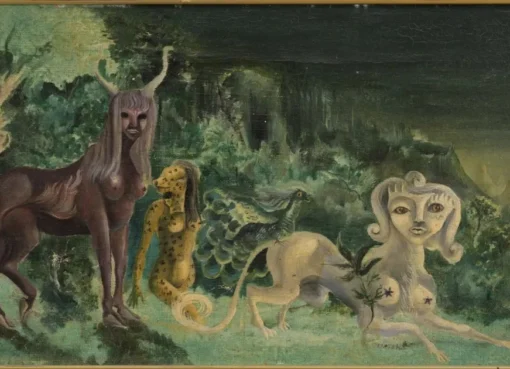
The Architecture of the Impossible: How SoHo’s Puppet Masters are Reclaiming Surrealism
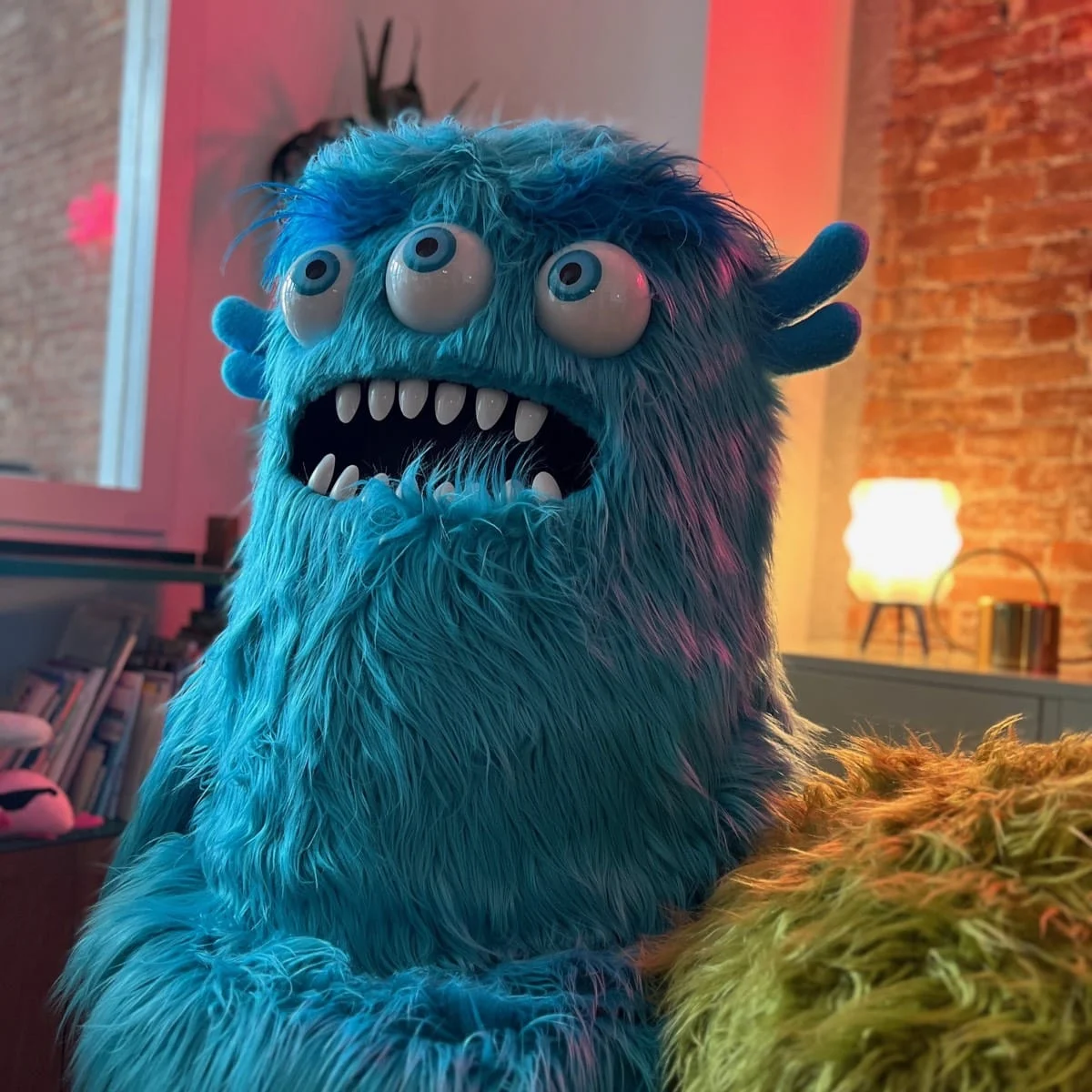
In the heart of Manhattan’s SoHo district, tucked away from the high-end boutiques and minimalist galleries, lies a workshop that functions as a portal to the subconscious. Furry Puppet Studio does not merely manufacture objects; it fabricates entities. While the casual observer might categorize their output as "media props" or "toys," a deeper analysis reveals a sophisticated continuation of the surrealist movement—a discipline where foam, latex, and "dream fleece" serve as the canvas for the uncanny.
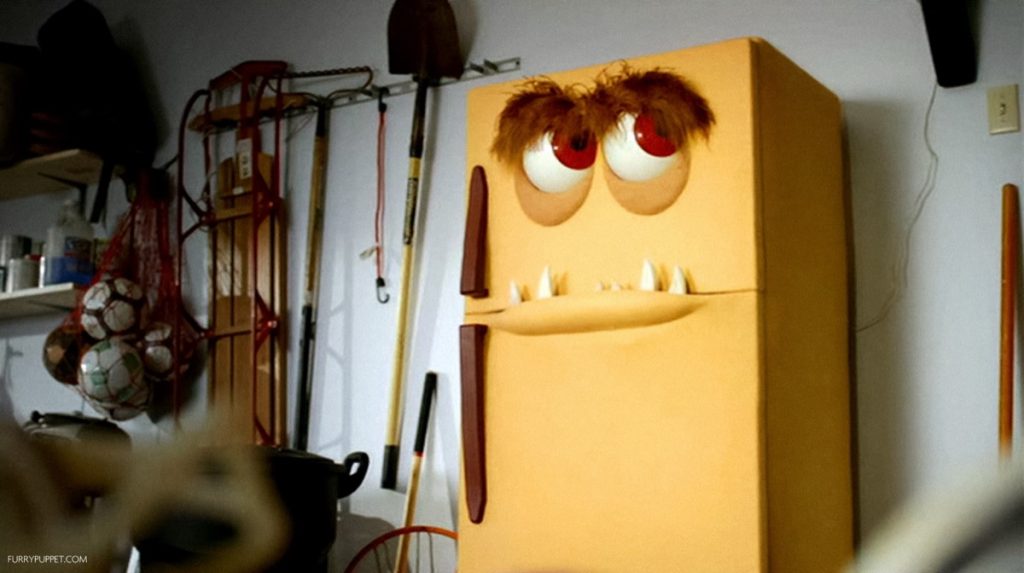
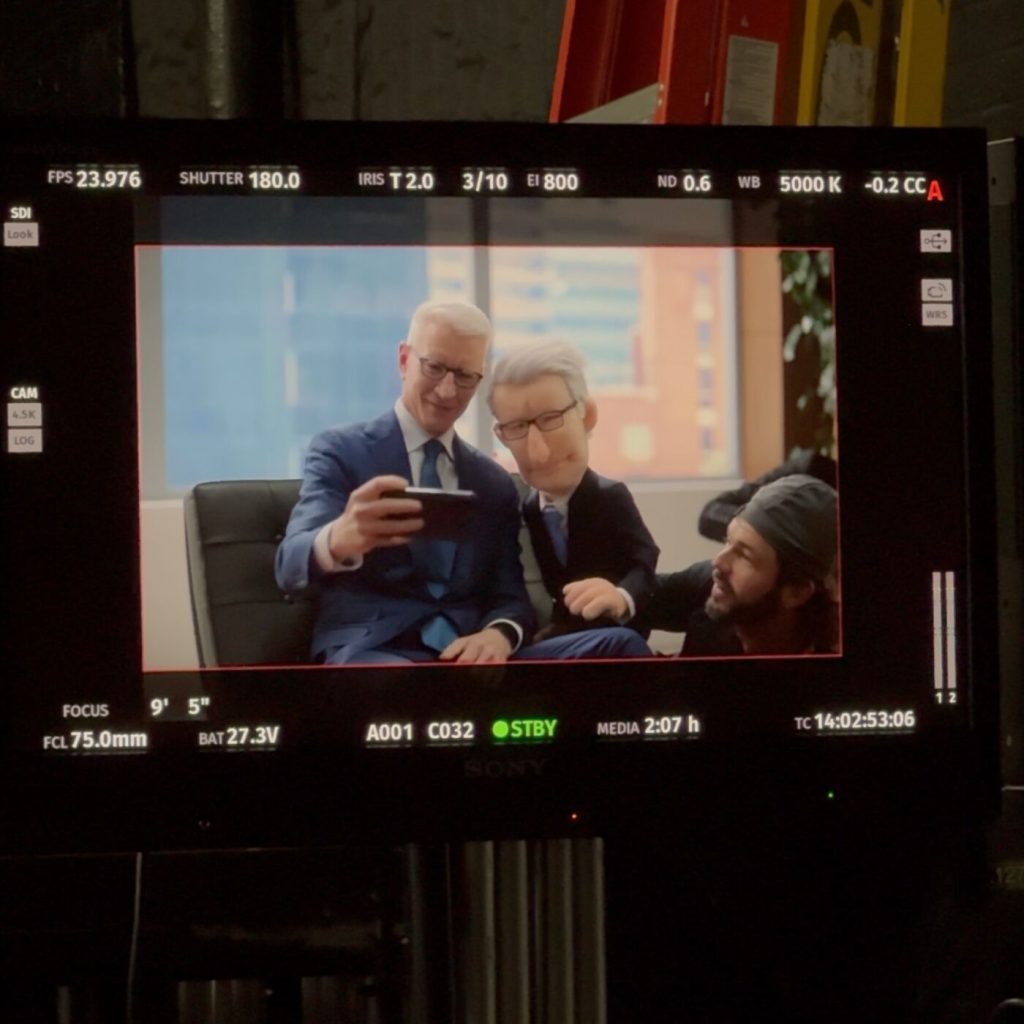
The studio, led by founder Zack Buchman, describes its portfolio as "pretty unusual work." This is a profound understatement. By placing impossible beings into mundane settings—a lovelorn yeti on a roadside, a refrigerator with human teeth, or a foam doppelgänger of a news anchor—Furry Puppet Studio bridges the gap between the avant-garde theories of André Breton and the high-definition demands of modern media.
Main Facts: The Intersection of Craft and the Uncanny
Puppetry, at its highest level, is the art of the "impossible object." Unlike CGI, which exists only in the digital ether, a puppet occupies physical space. It has weight, it displaces air, and it possesses a tactile reality that triggers a specific psychological response: the suspension of disbelief through physical presence.
Furry Puppet Studio has become the premier destination for this brand of "tangible surrealism." Their client list—ranging from Apple and CNN to musical icons like Missy Elliott and Pharrell Williams—suggests a commercial success, but their methodology remains rooted in outsider art.

Key elements of their operation include:
- Hand-Carved Foundations: Every creature begins as a solid block of foam. There is no "undo" button; every cut is permanent, requiring a level of sculptural confidence akin to classical marble carving.
- Proprietary Materials: The studio manufactures its own textiles, most notably "dream fleece," a fabric designed to catch light and mimic the organic complexity of fur or skin in a way off-the-shelf materials cannot.
- The "Hinge" of Life: The studio’s philosophy centers on the placement of the eyes. Buchman describes this as the moment fabrication ends and "being" begins—a fractional shift that determines whether a creature is perceived as a threat, a friend, or a mirror of the human soul.
Chronology: From Experimental Film to the SoHo Workshop
To understand the current state of puppet-based surrealism, one must trace the lineage from the mid-20th-century avant-garde to the present day.
1965–1982: The Henson Experimental Era
Long before Sesame Street became a global institution, Jim Henson was an experimental filmmaker. In 1965, he released Time Piece, a dialogue-free short film that used associative logic and rhythmic editing to explore the passage of time. Nominated for an Academy Award and screened at the Museum of Modern Art (MoMA), it featured cowboys shooting the Mona Lisa and gorillas on pogo sticks. This was the birth of the puppet-maker as an avant-gardist. This trajectory culminated in 1982 with The Dark Crystal, a film so committed to its alien, surrealist aesthetic that Henson reportedly bought the rights back from the studio to prevent them from "sanding off the weirdness."
1986: The Birth of Big Nazo
While Henson was conquering Hollywood, Erminio Pinque, a RISD-trained illustrator, founded Big Nazo in Providence, Rhode Island. Pinque’s mission was to create a "puppet show without a stage." By taking nine-foot-tall foam creatures into street parades and "creature dance parties," Big Nazo practiced a form of "public ambush surrealism." This movement removed the barrier between the audience and the dream-state, proving that the uncanny did not require a screen to be effective.
2000s–Present: The Furry Puppet Era
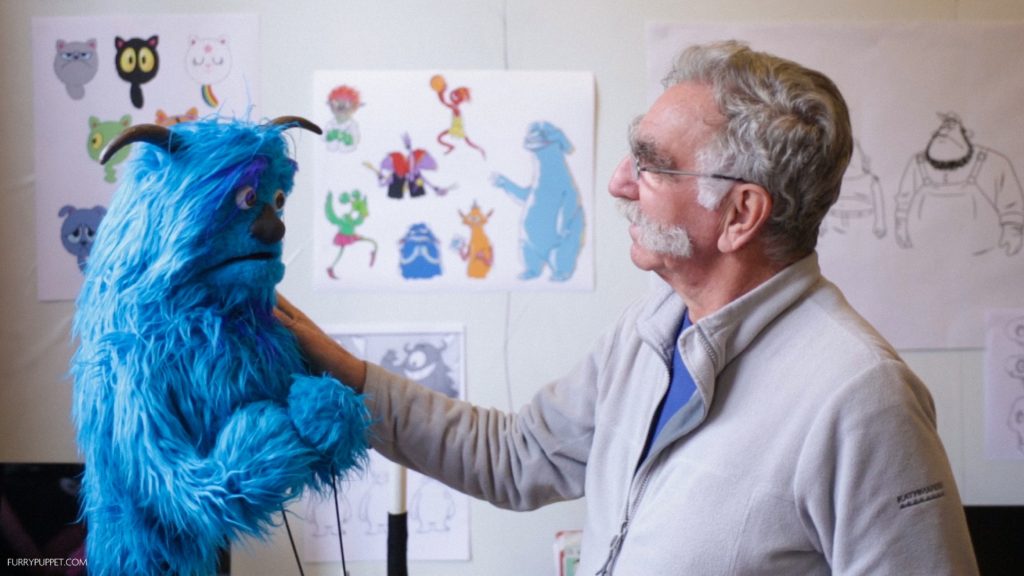
Zack Buchman founded Furry Puppet Studio with an "outsider’s angle," having bypassed traditional collegiate paths. Setting up shop in SoHo, he assembled a team that includes mechanical engineers and legendary costume designers like Polly Smith (the co-inventor of the sports bra). This era represents the professionalization of the surreal, where the hand-carved aesthetic of the 1960s is married to 21st-century fabrication techniques.
Supporting Data: The Mechanics of Disbelief
The success of these "impossible" objects is supported by the theory of the Uncanny Valley, first hypothesized by roboticist Masahiro Mori in 1970. The theory suggests that as an object becomes more human-like, it becomes more appealing—until it reaches a point of "near-human" accuracy that triggers revulsion.
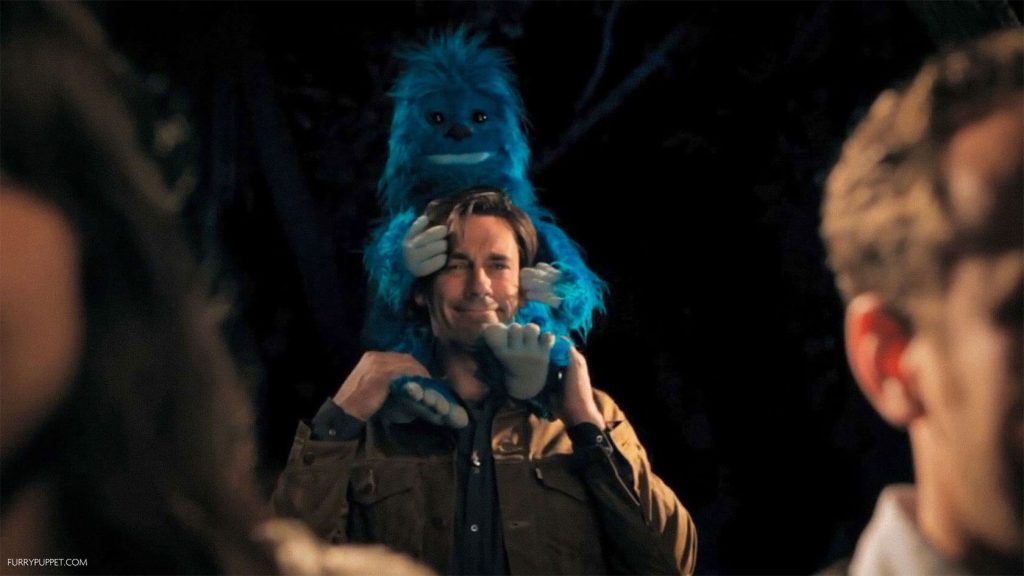
Puppet masters like those at Furry Puppet Studio work specifically on the edge of this valley. They utilize "weight" as a psychological tool. In the music video for Herman Düne featuring Jon Hamm, the "Blue Yeti" puppet sells its existence not through complex movement, but through its stillness and physical mass. The viewer’s brain recognizes that the object has weight and occupies space next to a real human, which bypasses the skepticism often triggered by digital effects.
Furthermore, the studio’s reliance on hand-carving creates "micro-imperfections." In a study of aesthetic reception, these imperfections are often what the human eye registers as "organic life." Digital perfection often feels "dead," whereas a hand-carved block of foam, wrapped in custom-milled fleece, possesses a chaotic texture that the brain equates with a living organism.
Official Responses: The Philosophy of the Creators
The creators behind these works view their craft as a form of psychological exploration. Zack Buchman has frequently discussed the "moment of click," where a viewer stops looking for the rods and strings and starts reacting to the puppet as a sentient being.
"Everything before the eyes go on is just fabrication," Buchman notes. "The eyes are where the thing starts looking back at you." This sentiment echoes the surrealist obsession with the "gaze" and the idea that the object has its own agency.
Erminio Pinque of Big Nazo emphasizes the importance of the "wonderful failure." In his view, the accidents that occur during a live street performance—a creature tripping or an unexpected interaction with a bystander—are where the true surrealist "juxtaposition" happens. This aligns with the surrealist practice of automatism, where the artist allows the subconscious and the accidental to dictate the final form of the work.
Polly Smith, whose transition from high-performance athletic wear to creature design might seem jarring, views the two as intrinsically linked. Both require an intimate understanding of how a body (or a simulated body) moves through space and how fabric interacts with kinetic energy.
Implications: The Future of the Physical in a Digital World
As we move further into the era of Generative AI and hyper-realistic CGI, the work of studios like Furry Puppet becomes more culturally significant, not less. We are entering a period of "digital fatigue," where audiences are increasingly skeptical of what they see on screens.
The implications of the SoHo studio’s work are threefold:
1. The Re-Valuation of Physical Craft
There is a growing premium on "the made thing." The fact that a puppet of Anderson Cooper or a family of one-eyed monsters exists as a physical object in a room in SoHo provides an authenticity that digital assets lack. This "surrealism you can hold" offers a tactile connection to the dream world that is becoming increasingly rare.
2. The Evolution of the "Animated Object"
Furry Puppet Studio continues the tradition of Magritte and Meret Oppenheim by animating the everyday. Their "refrigerator with eyelids" is a modern-day descendant of Oppenheim’s fur-covered teacup. By giving life to the inanimate, they force the viewer to reconsider their relationship with the physical world, suggesting that the "ordinary" is merely a mask for the "marvelous."
3. The Avant-Garde in the Commercial Space
Perhaps the most significant implication is the infiltration of high-concept surrealism into mainstream media. When a puppet carved in a SoHo basement appears on a New Year’s Eve broadcast or in a global Apple campaign, the "uncanny" is being delivered to millions of people who might never step foot in a gallery. The puppet makers have successfully turned the commercial invoice into a vehicle for the avant-garde.
Conclusion: The Persistence of the Dream
Furry Puppet Studio, Big Nazo, and the Henson lineage represent a vital artery in the body of modern art. They remind us that the project of surrealism—to resolve the contradictory conditions of dream and reality—is not confined to history books or oil paintings. It is a living, breathing, and occasionally furry endeavor.
As long as there are craftsmen willing to make permanent cuts into foam and designers obsessed with the "dream fleece," the impossible will continue to have a home in SoHo. These creators are the guardians of the uncanny, ensuring that in an increasingly simulated world, we still have monsters, yetis, and doppelgängers that we can actually reach out and touch.