
Microsoft and Nvidia Unveil Surface Laptop Ultra: A New Era of ARM-Powered Performance and Visual Fidelity
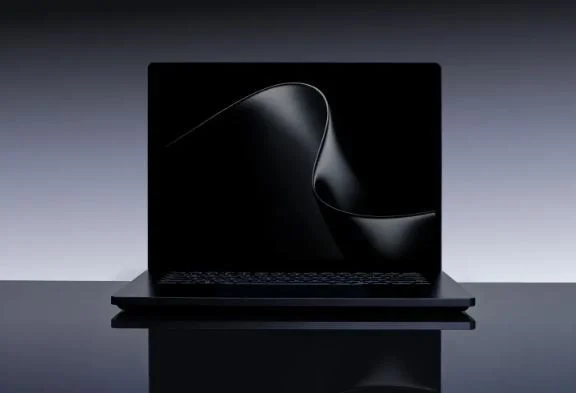
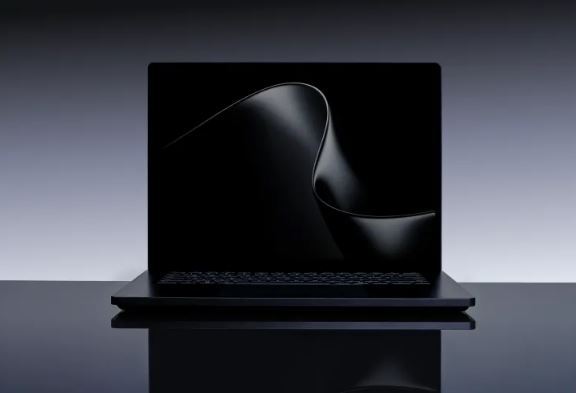
In a move that has sent ripples of excitement through the tech world, Microsoft and Nvidia have jointly unveiled a groundbreaking new device: the Surface Laptop Ultra. This sleek and powerful machine marks a significant milestone, not only as Microsoft’s latest premium laptop offering but also as the pioneering device to feature Nvidia’s revolutionary ARM-based RTX Spark processor. The collaboration promises to redefine expectations for portable computing, blending cutting-edge display technology with unprecedented on-device AI and graphics capabilities.
The announcement, preceded by cryptic social media teasers from both tech giants, has finally culminated in the reveal of a laptop that appears poised to challenge the established order in the premium ultrabook market. The Surface Laptop Ultra is positioned as a device that doesn’t compromise, offering a tantalizing glimpse into the future of high-performance, energy-efficient computing.
The Dawn of RTX Spark: A Technological Revolution in a Compact Form Factor
At the heart of the Surface Laptop Ultra’s impressive capabilities lies the brand-new Nvidia RTX Spark processor. This ARM-based chip, built upon Nvidia’s formidable Blackwell architecture, represents a significant departure from traditional x86 processors that have dominated the laptop landscape for decades. The move to ARM architecture on this scale, particularly with integrated high-performance graphics, signals a potential paradigm shift in laptop design and performance.
Nvidia has engineered the RTX Spark to deliver astonishing power within a remarkably efficient envelope. Configurations can be tailored with up to an impressive 20 CPU cores, complemented by a staggering 6,144 GPU cores. This formidable GPU power is further bolstered by the option of up to 128 GB of unified memory, a testament to the chip’s design for handling complex workloads and large datasets.
The performance claims emanating from Nvidia are nothing short of extraordinary. The RTX Spark is reportedly capable of delivering a staggering petaflop of graphics and AI performance. To put this into perspective, this level of computational power is said to be on par with certain laptops currently equipped with dedicated, high-end NVIDIA RTX 5070 graphics cards. This is a monumental achievement for an integrated ARM solution, promising a level of on-device AI processing and graphical fidelity previously unimaginable in a portable form factor without significant power draw and thermal constraints.
This leap in performance is particularly relevant for the burgeoning field of AI. The ability to perform complex AI computations directly on the device, without relying on cloud connectivity, opens up a new realm of possibilities for developers and users alike. From advanced content creation tools and real-time language translation to sophisticated data analysis and personalized user experiences, the RTX Spark’s AI prowess is set to be a game-changer.
Surface Laptop Ultra: A Display That Dazzles and a Design That Delights
Complementing the groundbreaking RTX Spark is the Surface Laptop Ultra’s equally impressive display. Microsoft has equipped this new flagship with a 15-inch mini-LED panel, a technology renowned for its exceptional contrast ratios and vibrant color reproduction. The display boasts a sharp resolution of 262 pixels per inch, ensuring crisp text and detailed imagery.
However, the true showstopper is the display’s peak brightness. Capable of reaching a remarkable 2,000 nits, this makes it, by Microsoft’s own admission, the brightest Surface display ever created. This exceptional brightness is crucial for HDR content consumption, outdoor usability, and professional creative workflows where accurate color representation under various lighting conditions is paramount. The ability to deliver such brilliant highlights while maintaining deep blacks and nuanced shadows is a hallmark of premium display technology, and the Surface Laptop Ultra appears to be setting a new benchmark.
Beyond the visual spectacle, Microsoft has also addressed a long-standing user request with the inclusion of a haptic touchpad. This innovation promises a more refined and responsive tactile experience, moving away from traditional mechanical clicks towards a simulated, customizable feel. This subtle but significant improvement is indicative of Microsoft’s commitment to refining the overall user experience on their Surface devices, paying attention to the finer details that contribute to a premium feel.
The overall design language of the Surface Laptop Ultra is expected to continue the refined aesthetic that has become synonymous with the Surface brand. While specific details about materials and build quality are yet to be fully revealed, the "Ultra" moniker suggests a focus on premium materials, slim profiles, and robust construction, aiming to solidify its position as a top-tier ultrabook.
A Look Back: The Road to the Surface Laptop Ultra
The genesis of the Surface Laptop Ultra can be traced back to subtle but significant hints dropped by both Microsoft and Nvidia in the days leading up to the official announcement. Social media platforms became buzzing with cryptic messages and shared imagery that alluded to a significant collaborative effort in hardware development. This period of anticipation, fueled by speculation and expert analysis, created a palpable sense of excitement within the tech community, with many anticipating a major product launch.
This strategic pre-announcement campaign is a common tactic employed by major tech companies to build hype and gauge public interest before a full reveal. The shared social media presence between Microsoft and Nvidia suggested a deep integration and a shared vision for the upcoming product, hinting at a collaboration that went beyond a simple component supplier relationship.
The timing of the announcement also coincides with a broader industry trend towards more energy-efficient and powerful computing solutions. The increasing demand for devices that can handle demanding tasks while offering extended battery life, coupled with the growing importance of AI capabilities, has created a fertile ground for innovative hardware like the RTX Spark.
Supporting Data and Technical Prowess
The technical specifications of the RTX Spark are undeniably impressive and provide a strong foundation for the Surface Laptop Ultra’s performance claims. The Blackwell architecture, upon which the RTX Spark is based, is Nvidia’s latest generation of GPU technology, designed to offer significant improvements in both performance and efficiency over its predecessors.
The sheer number of GPU cores (6,144) is a testament to the parallel processing power of the chip, which is crucial for graphics rendering, scientific simulations, and AI workloads. The unified memory architecture, where the CPU and GPU share access to the same pool of RAM, further enhances efficiency by reducing data transfer bottlenecks. This is particularly beneficial for memory-intensive applications and for scenarios where data needs to be rapidly accessed and processed by both the CPU and GPU.
The claim of a petaflop of graphics and AI performance is a monumental achievement for an ARM-based SoC (System on a Chip). A petaflop represents one quadrillion floating-point operations per second, a metric commonly used to measure the raw computational power of supercomputers. While the exact methodology for this claim needs further clarification, it suggests that the RTX Spark is capable of processing data at an unprecedented speed for a laptop of this potential form factor.
This level of performance has significant implications for various use cases:
- Creative Professionals: Video editors, graphic designers, and 3D artists can expect smoother workflows, faster rendering times, and the ability to work with higher-resolution assets directly on their laptops.
- AI Developers and Researchers: The on-device AI capabilities will empower developers to build and deploy more sophisticated AI models locally, enabling rapid prototyping and on-the-go experimentation.
- Gamers: While not explicitly marketed as a gaming laptop, the RTX Spark’s graphical prowess suggests that it could offer a compelling gaming experience for titles that are not excessively demanding, especially when combined with advanced display technologies.
- Productivity Power Users: For tasks like data analysis, complex simulations, and large-scale software development, the RTX Spark provides a significant boost in processing power, allowing for more efficient multitasking and faster completion of demanding projects.
The mini-LED display technology also contributes significantly to the overall premium experience. Mini-LED backlighting allows for more precise control over individual zones of LEDs, enabling deeper blacks, higher contrast ratios, and brighter highlights compared to traditional LED displays. This translates to a more immersive viewing experience for both professional content creation and media consumption.
Official Responses and Industry Impact
While official price details for the Surface Laptop Ultra have not yet been released, industry analysts and observers anticipate a "hefty price tag." This expectation is based on the premium nature of the Surface brand, the cutting-edge technology incorporated into the device, and the current market conditions for high-performance ultrabooks. The combination of a premium build, a revolutionary processor, and a top-tier display is likely to position the Surface Laptop Ultra at the higher end of the laptop market.
Microsoft’s investment in this collaboration underscores its commitment to pushing the boundaries of portable computing and its strategic focus on ARM-based architectures for future devices. The Surface line has consistently served as a showcase for Microsoft’s hardware vision, and the Surface Laptop Ultra appears to be no exception.
Nvidia’s entry into the ARM-based laptop processor market with the RTX Spark is a bold move that challenges the long-standing dominance of Intel and AMD in this segment. By leveraging their expertise in GPU technology and their established presence in the high-performance computing space, Nvidia aims to offer a compelling alternative that prioritizes both power and efficiency.
The implications of this partnership extend beyond a single product. Microsoft has indicated that this is just the beginning of their work with the RTX Spark platform. Crucially, they are not the sole manufacturer experimenting with this new technology. Several other prominent laptop manufacturers, including ASUS, Dell, HP, and MSI, are expected to unveil their own laptops featuring Nvidia’s new chip later this year. This suggests a broader industry shift towards embracing ARM-based solutions with integrated high-performance graphics, promising increased competition and a wider array of choices for consumers.
The introduction of the Surface Laptop Ultra and the broader rollout of RTX Spark-powered devices signal a significant moment for the personal computing industry. It represents a potential inflection point, where the advantages of ARM architecture – such as improved power efficiency and enhanced integration of AI and graphics capabilities – can be realized without compromising on performance. This could lead to laptops that are not only more powerful and capable but also more energy-efficient and capable of handling a wider range of demanding tasks, all within a sleeker and more portable form factor. The coming months will undoubtedly be a period of intense scrutiny and excitement as the market responds to this ambitious new frontier in laptop technology.



Leave a Comment