
Nature’s Wrath Reimagined: An In-Depth Look at the Subversive Absurdity of Trees Hate You
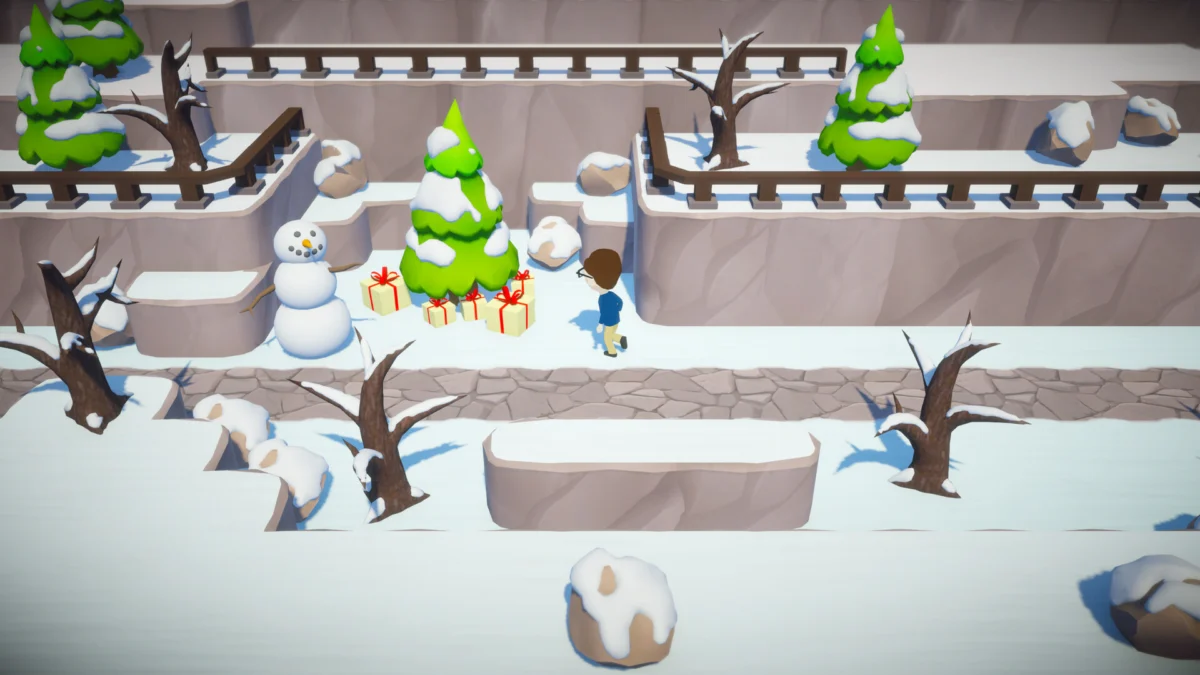
The tranquil image of a sun-dappled forest, the rustle of leaves in a gentle breeze, and the stoic permanence of ancient pines have long been staples of both real-world relaxation and video game set dressing. However, a new indie title currently in development is looking to dismantle these pastoral tropes with surgical, albeit hilarious, precision. Trees Hate You, developed by the independent creator known as Tykenn, is an upcoming surrealist survival-comedy that transforms the most passive elements of the digital environment into calculated, lethal adversaries.
By subverting decades of ingrained player behavior—specifically the tendency to view flora as non-interactive background geometry—Trees Hate You creates a unique gameplay loop defined by trial, error, and the constant threat of arboreal homicide.
Main Facts: The Premise of Arboreal Antagonism
At its core, Trees Hate You is a game about a simple journey gone catastrophically wrong. The narrative setup is deceptively mundane: the player character has just finished a pleasant picnic and is attempting to navigate a path back home through a dense forest. The conflict arises when the environment itself decides that the player’s journey must end permanently.
Unlike traditional survival horror games where the threat might be a monster or a masked slasher hiding behind a tree, in this title, the threat is the tree. The game utilizes a "troll-style" design philosophy, reminiscent of titles like Cat Mario or I Wanna Be The Guy, where the environment reacts to player movement in ways that are intentionally unpredictable and frequently fatal.
Key Features of the
- Subversive Level Design: Paths that appear safe are often traps designed to trigger once the player commits to a direction.
- Absurdist Combat: Trees do not simply fall on the player; they utilize an escalating arsenal of weapons, including firearms and physical strikes, to ensure the player’s demise.
- Predictive AI Logic: The game’s "antagonists" appear to anticipate common player shortcuts or "safe" behaviors, moving to block or eliminate the player exactly when they feel most secure.
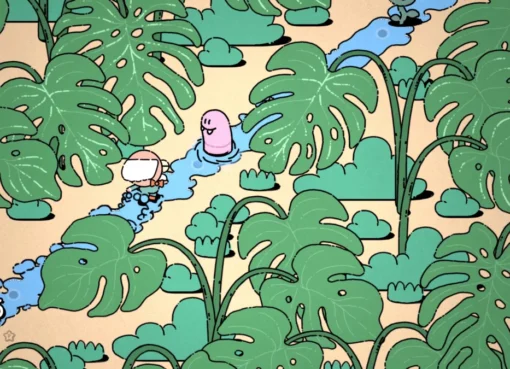
- Visual Style: The game employs a stylized, somewhat minimalist aesthetic that masks its underlying complexity, making the sudden outbursts of violence more impactful.
Currently, the game is available as a demo on itch.io, with a full release planned for Steam. It has already begun to garner attention for its "masocore" (a portmanteau of masochistic and hardcore) elements, blended with a distinct sense of slapstick humor.
Chronology: From Picnic to Peril
The progression of Trees Hate You follows a tight, escalating timeline of hostility. To understand the impact of the game, one must look at how a typical "run" or level unfolds for the uninitiated player.
Phase 1: The Illusion of Safety
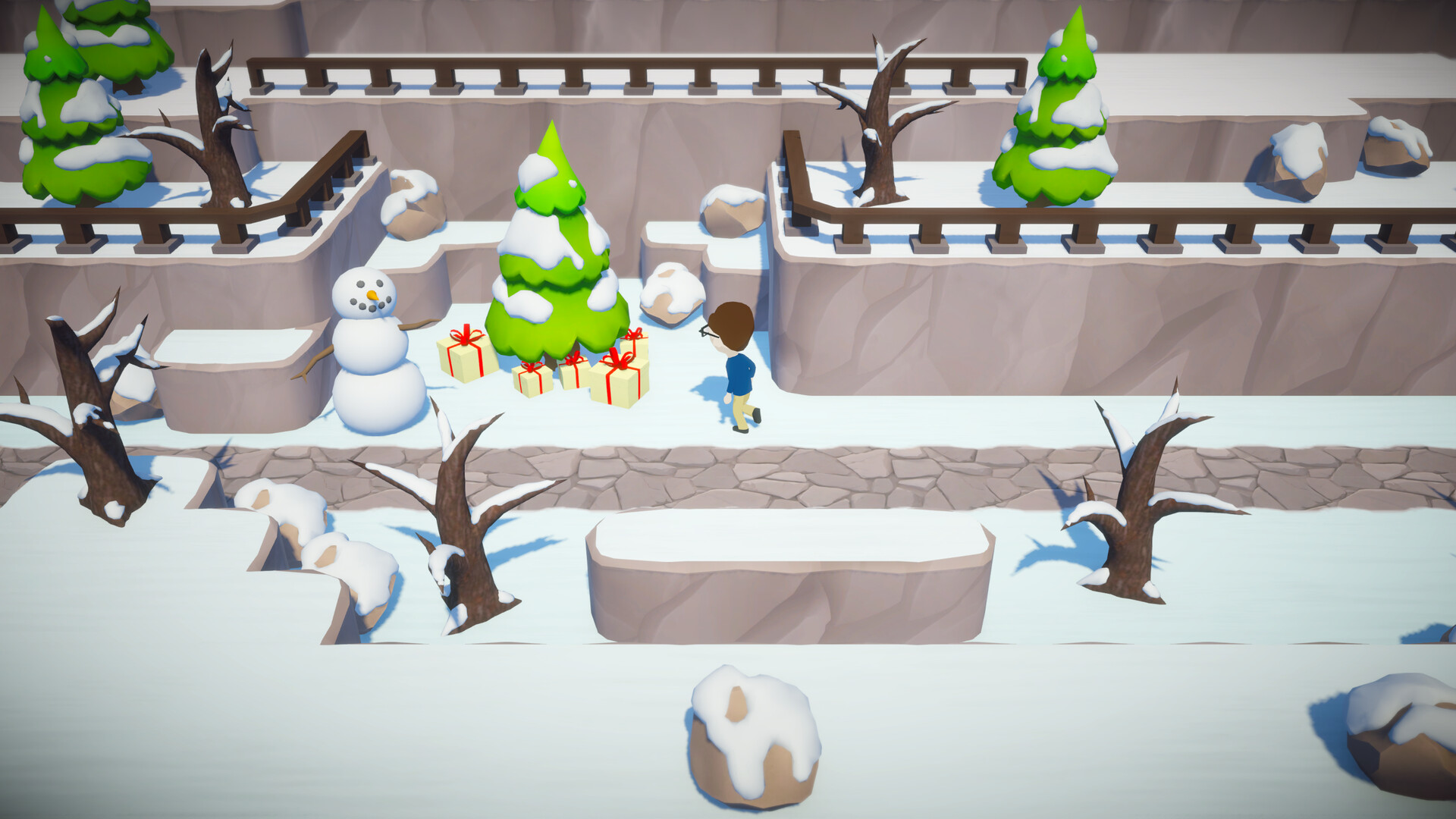
The game begins in a state of relative normalcy. The player occupies a forest that looks like any other indie walking simulator. For the first few moments, the trees remain stationary. This phase is crucial because it reinforces the player’s real-world and gaming-world intuition: trees are scenery. They are static objects that provide cover or act as boundaries.
Phase 2: The First Encounter
As the player moves toward their objective, the first subversion occurs. This usually manifests as a tree shifting its position—not through a natural fall, but through a deliberate, mechanical movement to block a path. This is the "hook" of the game; it establishes that the rules of the world are not what they seem.
Phase 3: Escalation and Absurdity
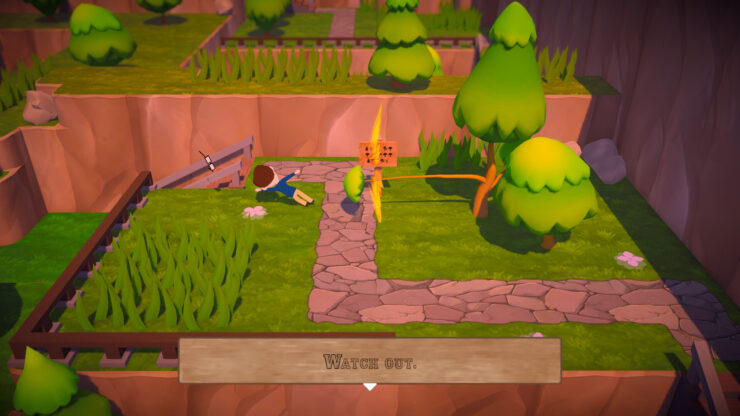
Once the player learns that the trees can move, the game introduces more aggressive mechanics. If a player attempts to outmaneuver a blocking tree by circling around it, the tree may reveal a hidden limb or, in the game’s most famous gag, pull out a handgun and shoot the player. This transition from "environmental hazard" to "active combatant" marks the midpoint of the gameplay experience.
Phase 4: The Trial-and-Error Loop
The final stage of the chronology is the repetitive loop of death and learning. Each death provides a piece of data: this tree shoots, that tree swings, this path is a dead end. The player eventually navigates the forest not by sight, but by memorizing the specific "grudges" of each individual pine.
Supporting Data: Subverting Environmental Invisibility
The psychological effectiveness of Trees Hate You is rooted in a concept known in game design as "Environmental Invisibility." For decades, game developers have used trees as "static meshes"—objects that have collision but no logic or AI. Players are conditioned to ignore them.
According to early playtest reports and community feedback from the itch.io demo, the primary source of the game’s difficulty isn’t mechanical skill, but the need to unlearn this invisibility.
Why the "Troll" Logic Works:
- Breaking the "Safe Zone" Mentality: In most games, if you are not in a combat arena, you are safe. Trees Hate You removes the "non-combat" zone entirely.
- Creative Lethality: By giving trees human-like weapons (guns, clubs), the developer creates a cognitive dissonance that leads to laughter. The absurdity of a pine tree with a 9mm pistol overrides the frustration of dying.
- Anticipatory Design: The developer, Tykenn, has designed levels specifically to punish "speedrunning" or "safe-pathing." If there is a gap between two trees that looks like a shortcut, there is a 90% statistical probability (within the game’s logic) that the gap is a trigger for a lethal trap.
The game’s success on platforms like itch.io—a hub for experimental indie titles—suggests a growing appetite for games that prioritize "the gag" over traditional power fantasies.
Official Responses and Developer Philosophy
While Tykenn has maintained a relatively low profile during the development process, the design of Trees Hate You speaks volumes about their philosophy. In the realm of indie development, there is a storied tradition of "The Developer vs. The Player."
In this dynamic, the developer acts as a mischievous dungeon master. The goal isn’t to create a "fair" challenge, but to create a shared moment of surprise. When a tree stretches its trunk to an impossible length to block a player’s escape, it is a direct communication from the developer to the player: "I knew you were going to try that."
The release of the demo on itch.io serves as a "stress test" for these jokes. By observing how players react to certain traps, the developer can fine-tune the timing of the "reveals." The feedback loop between the developer and the community is essential for masocore games, as the line between "funny-hard" and "frustrating-hard" is razor-thin.
The official Steam page and itch.io descriptions emphasize the "ridiculous ways" one can die, signaling to the audience that the game should be approached as a comedy first and a survival game second. This transparency helps manage player expectations, ensuring that those who purchase the game are looking for a challenge that involves a high degree of "unfair" deaths.
Implications: The Evolution of Masocore and the "Walking Sim"
The emergence of Trees Hate You has broader implications for the indie gaming landscape, specifically regarding how genres are being blended and subverted in the 2020s.
1. The Deconstruction of the Walking Simulator
For years, the "Walking Simulator" (e.g., Dear Esther, Gone Home) was criticized by some for its lack of "gameplay" or threat. Trees Hate You can be seen as a violent deconstruction of this genre. It takes the aesthetic and pacing of a walking simulator and injects it with hyper-violence and reactive AI. It suggests that even the most peaceful genres are ripe for subversion.
2. The Rise of "Streamable" Comedy
In the modern era, the success of an indie game is often tied to its "streamability." Games that provide high-impact, visual "fails" are perfect for platforms like Twitch and YouTube. Trees Hate You is tailor-made for this environment. A streamer’s genuine shock at being "pistol-whipped" by a branch provides the kind of viral content that can propel a small indie project to massive commercial success.
3. Nature as the New Antagonist
Historically, "man vs. nature" in games has involved survival mechanics like hunger, thirst, or cold. Trees Hate You simplifies this conflict into a more direct, antagonistic relationship. It taps into a primal, albeit exaggerated, fear of the unknown—the idea that the world around us is not indifferent, but actively hostile.
Conclusion: A New Leaf for Indie Survival
Trees Hate You is more than just a collection of "gotcha" moments; it is a clever commentary on the relationship between players and the digital environments they inhabit. By turning the background into the foreground and the scenery into the assassin, Tykenn has created a playground of absurdity that rewards curiosity with a swift, comedic death.
As the game moves toward its full release, it stands as a testament to the creativity found in the indie sector. It reminds us that sometimes, the best way to engage a player is not to give them a sword or a shield, but to give the environment a reason to fight back. Whether you are a fan of high-difficulty challenges or simply want to see a pine tree commit a drive-by shooting, Trees Hate You is a title that demands to be watched—just make sure you keep one eye on the forest canopy at all times.
Trees Hate You is currently in development. Interested players can experience the chaos firsthand via the demo on itch.io or by adding the title to their Steam Wishlist to stay updated on the official release date.

Leave a Comment