Navigating the AI Deluge: Why Music Platforms Are Drawing a Line in the Sand, While Video Streams Hesitate

The digital landscape is grappling with an unprecedented influx of AI-generated content, prompting a critical re-evaluation of how online platforms operate and monetize. While music streaming services are rapidly implementing stringent policies to protect human artists and user experience, the video streaming giant YouTube appears to be treading a more ambiguous path, a divergence that experts attribute to fundamentally different business models. This evolving situation raises significant questions about the future of creativity, authenticity, and revenue in the digital age.
The Unsettling Rise of AI-Generated Content
The rapid advancement of artificial intelligence has opened Pandora’s Box for creative industries. From music composition and vocal synthesis to video generation and deepfakes, AI’s capabilities are expanding at an exponential rate. While offering exciting possibilities for innovation and accessibility, this surge also presents a significant challenge: the potential for AI to flood platforms with low-quality, derivative, or even deceptive content, drowning out human creators and eroding user trust.
Music Platforms Draw a Hard Line:
In the music industry, the response to this AI "slop," as it’s been colloquially termed, has been notably decisive. Platforms are moving beyond mere observation and are actively implementing policies designed to curb the spread of AI-generated music and safeguard the livelihoods of human artists.
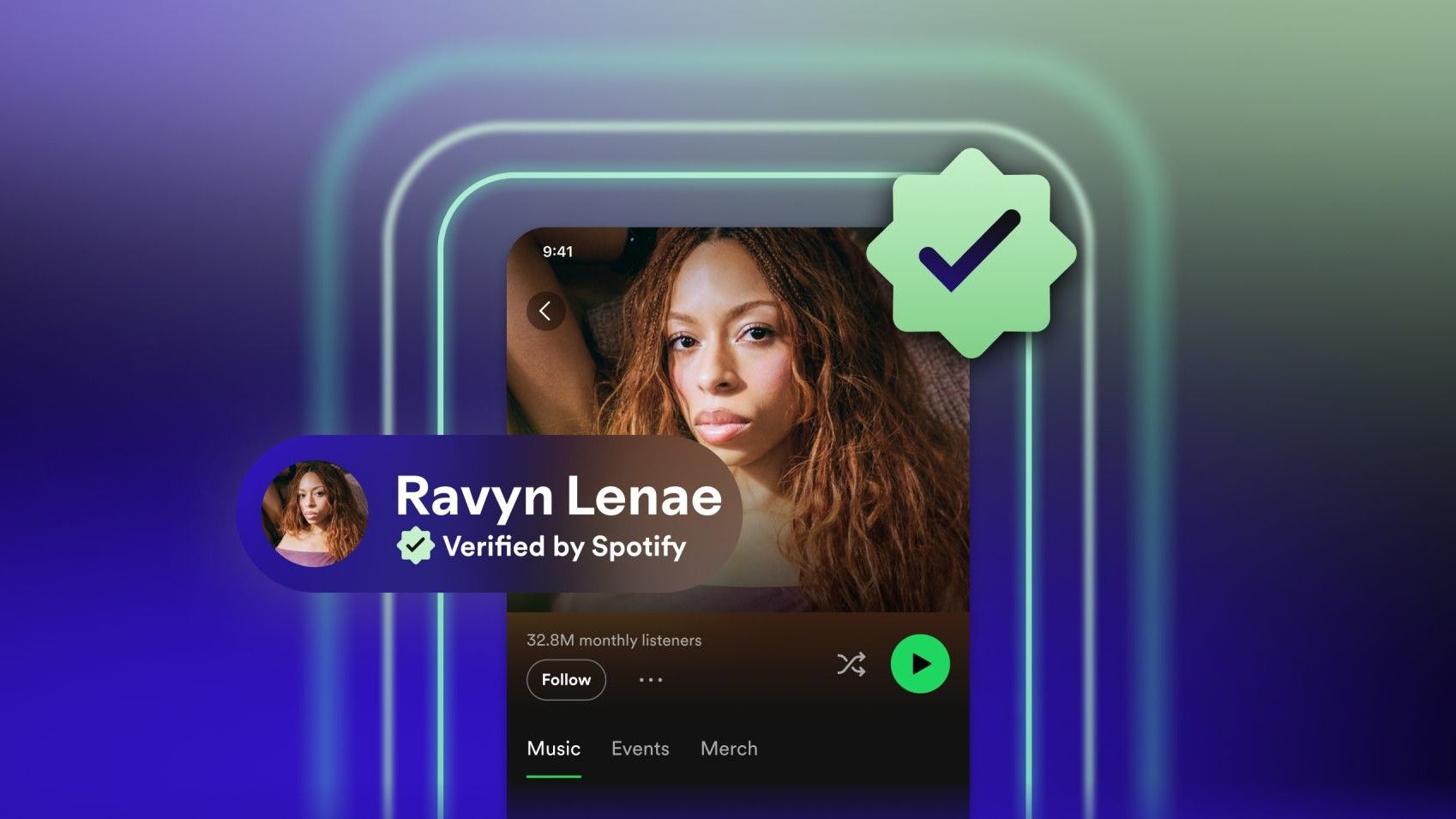
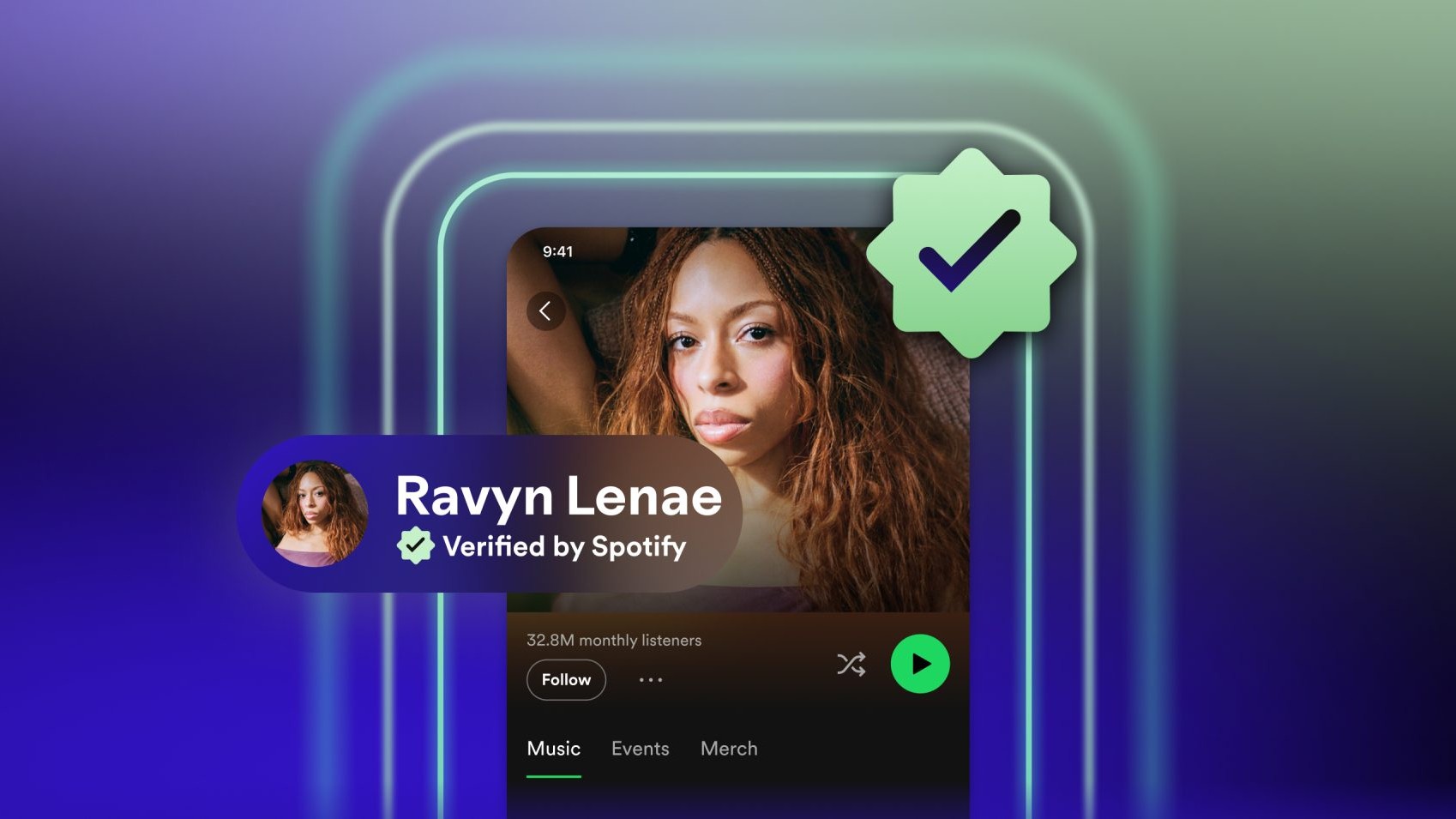
- Spotify’s "AI Persona" Tagging and Recommendation Ban: Spotify has taken a firm stance by announcing its intention to label AI-generated artists with an "AI Persona" profile tag. Crucially, these AI personas will be excluded from both editorial playlists and algorithmic recommendations, effectively limiting their reach and visibility. This move directly addresses the concern that AI-generated music could unfairly compete with human artists for listener attention and platform promotion.
- Apple Music’s "Made With AI" Label: Following a similar trajectory, Apple Music has introduced a "Made With AI" label. While less restrictive than Spotify’s approach, this labelling provides transparency to listeners, allowing them to make informed choices about the content they consume. The implication is that while AI-assisted creation might be permissible, outright AI-generated personas are viewed differently.
- TIDAL’s Royalty Exclusion: Perhaps the most impactful measure comes from TIDAL, which has chosen to cut AI-generated tracks off from royalties entirely. This directly impacts the financial viability of creating and distributing AI music, signaling a strong disincentive for content farms churning out AI-generated tracks solely for revenue.
These collective actions by major music platforms underscore a clear understanding: the proliferation of AI-generated content poses a direct threat to the established ecosystem, impacting artist compensation, listener experience, and the overall integrity of the platform. The goal appears to be a proactive defense mechanism, aiming to prevent the system from being overwhelmed before it irrevocably damages the industry.
The Murky Waters of Video Streaming:
In stark contrast to the decisive actions in the music sphere, the video streaming sector, particularly YouTube, appears to be navigating the AI challenge with a less defined strategy. While not entirely inactive, the measures taken so far have been met with skepticism and criticism from creators.
- YouTube’s "View" Count Reclassification: A recent and highly contentious change by YouTube has altered how it counts video views. Previously, a public view was registered after a video was watched for approximately 10 to 30 seconds. As of August 24th, however, YouTube now registers a view the moment playback begins. This seemingly minor technical adjustment has ignited a firestorm among creators who fear it will disproportionately benefit low-quality, AI-generated content designed to exploit this metric.
This shift in policy, coupled with the perceived lack of robust proactive measures against AI-generated content, has led many to question YouTube’s commitment to maintaining a high standard of content and supporting human creators.
A Chronology of Concern and Shifting Policies
The concern surrounding AI in creative industries is not new, but the pace at which platforms are being forced to react has accelerated dramatically in recent months.
- Early 2023: As generative AI tools like ChatGPT and Midjourney became widely accessible, initial discussions around AI’s potential impact on creative work intensified. Platforms began to cautiously monitor the situation.
- Mid-2023: The volume of AI-generated content, particularly in music, began to surge. Reports emerged of AI-generated tracks climbing music charts and appearing on popular playlists, sparking alarm among artists and industry professionals.
- Late Summer 2023: The music streaming services began rolling out their more definitive policies. Spotify announced its "AI Persona" labeling and recommendation ban. Apple Music followed with its "Made With AI" label. TIDAL made its bold move to exclude AI tracks from royalties.
- August 2023: YouTube implemented its controversial change to view-counting metrics, sparking immediate backlash from the creator community.
This timeline illustrates a growing awareness and a divergence in strategic responses. While the music industry has opted for a more direct and preventative approach, YouTube’s response has been characterized by a policy change that many believe inadvertently encourages the very type of content they aim to combat.
Supporting Data: The Alarming Growth of AI Content
The anxieties surrounding AI content are not unfounded. While precise figures for the volume of AI-generated music and video are difficult to ascertain due to the decentralized nature of content creation, anecdotal evidence and industry reports paint a concerning picture.
- Music Industry Flooded: Independent artists and labels have reported a significant increase in AI-generated music being submitted for distribution and promotion. Some have observed entire albums being produced and released with minimal human input, often using sophisticated AI voice cloning and composition tools. The ease with which these tracks can be generated and uploaded has led to an exponential increase in the sheer volume of audio content available.
- Video Content Farms: The concept of "content farms" has long existed, but AI is poised to supercharge this model. Low-cost, AI-generated videos, often repetitive or formulaic, can be produced en masse. The change in YouTube’s view-counting policy is seen by many as a direct incentive for such operations, as even a fleeting impression can now count as a "view." This could lead to an overwhelming number of AI-generated videos dominating search results and recommendation feeds.
The implication is that without robust detection and mitigation strategies, platforms risk becoming oversaturated with AI-generated content, making it increasingly difficult for human creators to gain traction and for users to find authentic, high-quality material.
Official Responses: A Tale of Two Strategies
The official statements from platforms reveal the contrasting philosophies driving their AI policies.
Music Platforms:
- Spotify’s Stance: Spotify has emphasized its commitment to supporting "legitimate artists" and ensuring a fair ecosystem. Their "AI Persona" initiative is framed as a measure to maintain transparency and prevent AI from undermining the value of human artistry. A spokesperson stated, "We want to ensure that our platform is a place where human artists can thrive, and that listeners can trust the authenticity of the music they discover."
- Apple Music’s Focus on Transparency: Apple Music’s "Made With AI" label is presented as a tool for empowering consumers. The company aims to provide users with the information they need to make conscious choices about their listening habits, promoting a more informed and engaged audience.
- TIDAL’s Financial Disincentive: TIDAL’s decision to withhold royalties from AI tracks is a direct economic statement. Their move signals that the platform prioritizes fair compensation for human creators and views AI-generated music as not contributing to the artist royalty pool in a meaningful way.
YouTube’s Justification:
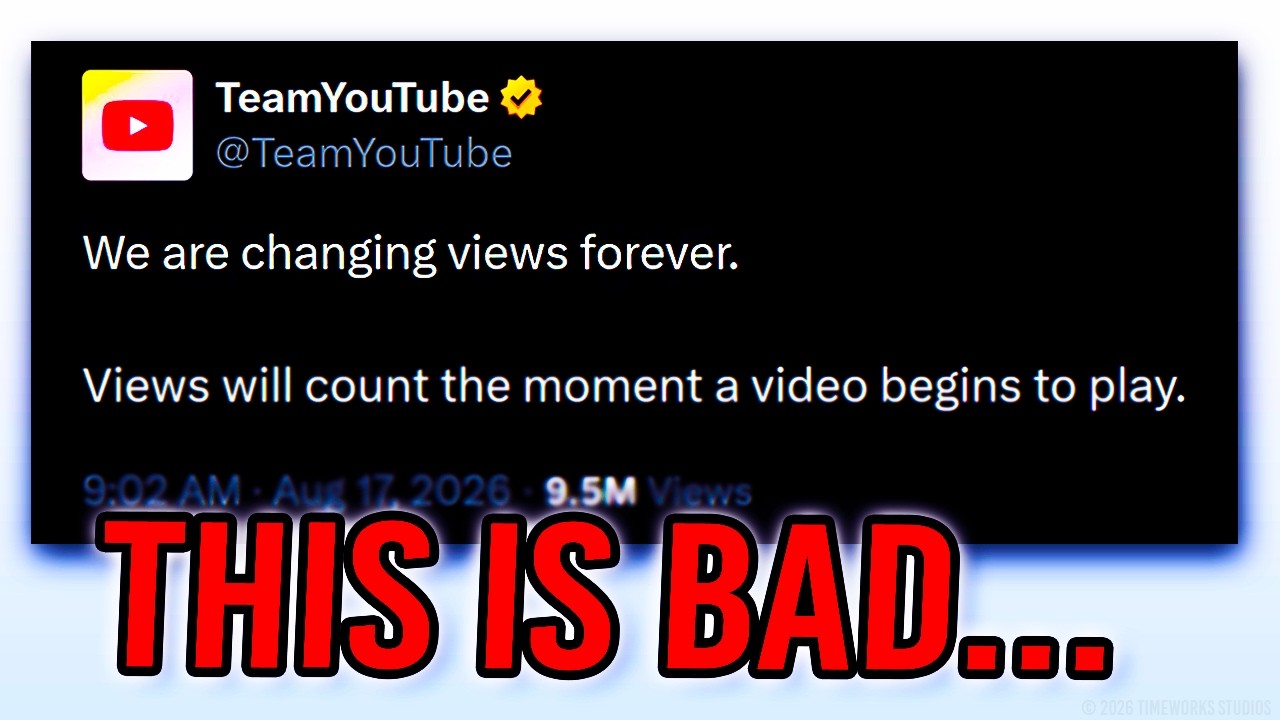
YouTube’s explanation for its view-counting change has been met with considerable skepticism. The company claims the adjustment is to "align its metrics with those of other short-form video platforms like TikTok and Instagram," suggesting a move towards a more standardized approach to measuring engagement. They maintain that this change is intended to provide a more accurate reflection of initial user interest.
However, this rationale does little to assuage the concerns of creators who see it as a capitulation to the pressures of engagement metrics over content quality. Critics argue that while TikTok and Instagram may have different models, their content ecosystems are not currently facing the same existential threat from AI-driven content farms in the same way that music has, or that YouTube video could soon.
Implications: The Future of Creativity and Monetization
The divergent approaches of music and video platforms have profound implications for the future of creative industries and how content is monetized.
- Erosion of Trust and Authenticity: If platforms like YouTube continue to prioritize raw engagement metrics over content quality, there is a significant risk of eroding user trust. When viewers cannot reliably distinguish between human-created and AI-generated content, the perceived value of authentic artistry diminishes. This could lead to a more cynical and disengaged audience.
- The Creator Economy Under Threat: For human creators, the proliferation of low-cost, AI-generated content poses a direct economic threat. If platforms are perceived to be rewarding AI-generated output through policy changes like YouTube’s view-counting adjustment, it becomes harder for human artists to compete for attention, ad revenue, and brand sponsorships. This could stifle creativity and discourage aspiring creators.
- Shifting Monetization Models: The music industry’s response suggests a move towards models that more directly reward human creativity and compensate artists fairly. The ad-supported model, prevalent in video streaming, appears more vulnerable to AI exploitation, as it thrives on sheer volume of attention rather than the quality or originality of that attention.
- The Role of Regulation: The current situation may necessitate a broader discussion about platform responsibility and potential regulatory oversight. As AI capabilities continue to advance, governments and industry bodies may need to consider guidelines for AI-generated content, particularly concerning issues of intellectual property, authenticity, and fair competition.
- A Call for Proactive Solutions: The contrasting strategies highlight the importance of proactive policy-making. Music platforms, by implementing preventative measures like tagging and recommendation exclusion, are attempting to shape their ecosystem before it’s overwhelmed. YouTube’s reactive adjustment, perceived as a metric-driven optimization, risks exacerbating the problem it claims to be addressing.
The ongoing battle against AI-generated "slop" is a defining challenge for the digital age. While the music industry is actively drawing a line, the video streaming world, led by YouTube, finds itself at a critical juncture. The decisions made now will shape the future of content creation, artist compensation, and the very nature of our digital experiences. The question remains: will platforms choose to champion human creativity and authenticity, or will they succumb to the allure of unchecked engagement metrics, potentially paving the way for an AI-dominated creative landscape? The answer will undoubtedly have far-reaching consequences.