The Unseen Architects of Imagination: Concept Art World Showcases the Evolution of Visual Development in Modern Media
Introduction
In the high-stakes landscape of global entertainment, the distance between a writer’s script and a director’s lens is bridged by a group of specialized creators known as concept artists. Often described as the "unseen architects" of Hollywood and the gaming industry, these professionals are responsible for the aesthetic DNA of our most beloved franchises. Recently, the premier industry resource Concept Art World (CAW) updated its expansive archives, spotlighting a diverse range of talent including Andrew Baker, Andrew Leung, and Joe Peterson, while revisiting seminal works like the 2011 cult classic Bulletstorm.
This latest curation by Concept Art World does more than just showcase high-quality imagery; it serves as a historical record of the shifting tides in visual development. From the gritty, over-the-top sci-fi of the early 2010s to the sleek, reimagined tokusatsu aesthetics of the late 2010s, these updates provide a window into the rigorous creative processes that define modern storytelling. Furthermore, the platform has reinforced its commitment to artist protections, explicitly prohibiting the use of its hosted content for the training of Artificial Intelligence (AI) systems—a move that signals a growing defensive posture within the creative professional community.
Main Facts: The New Curation of Visual Excellence
The latest updates from Concept Art World highlight four distinct pillars of industry expertise:
- Andrew Baker and the Reimagining of "Power Rangers": Baker, a veteran of Weta Workshop, has been instrumental in modernizing creature and suit designs. His work on the 2017 Power Rangers film represents a departure from the "spandex and plastic" look of the original 90s series, opting instead for organic, extraterrestrial armor that feels biologically integrated with the pilots.
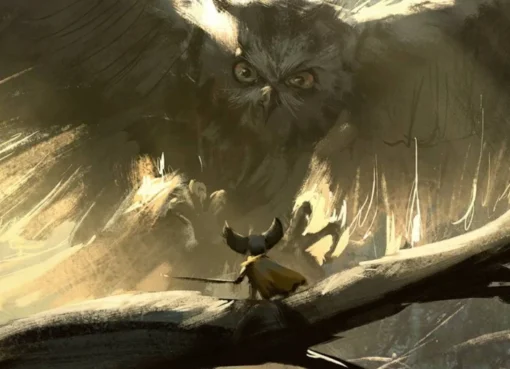
- Andrew Leung’s Atmospheric "47 Ronin" Speed Paintings: Leung’s contribution focuses on the "speed painting" technique—a vital skill in pre-production where the artist must capture lighting, mood, and scale within a limited timeframe. His work on 47 Ronin illustrates the fusion of historical feudal Japan with high-fantasy elements.
- A Retrospective on "Bulletstorm" (2011): Developed by People Can Fly and Epic Games, Bulletstorm is celebrated for its vibrant yet decaying world. The concept art reveals the intentional contrast between the lush, tropical environments of the planet Stygia and the brutalist, industrial tech of the protagonists.
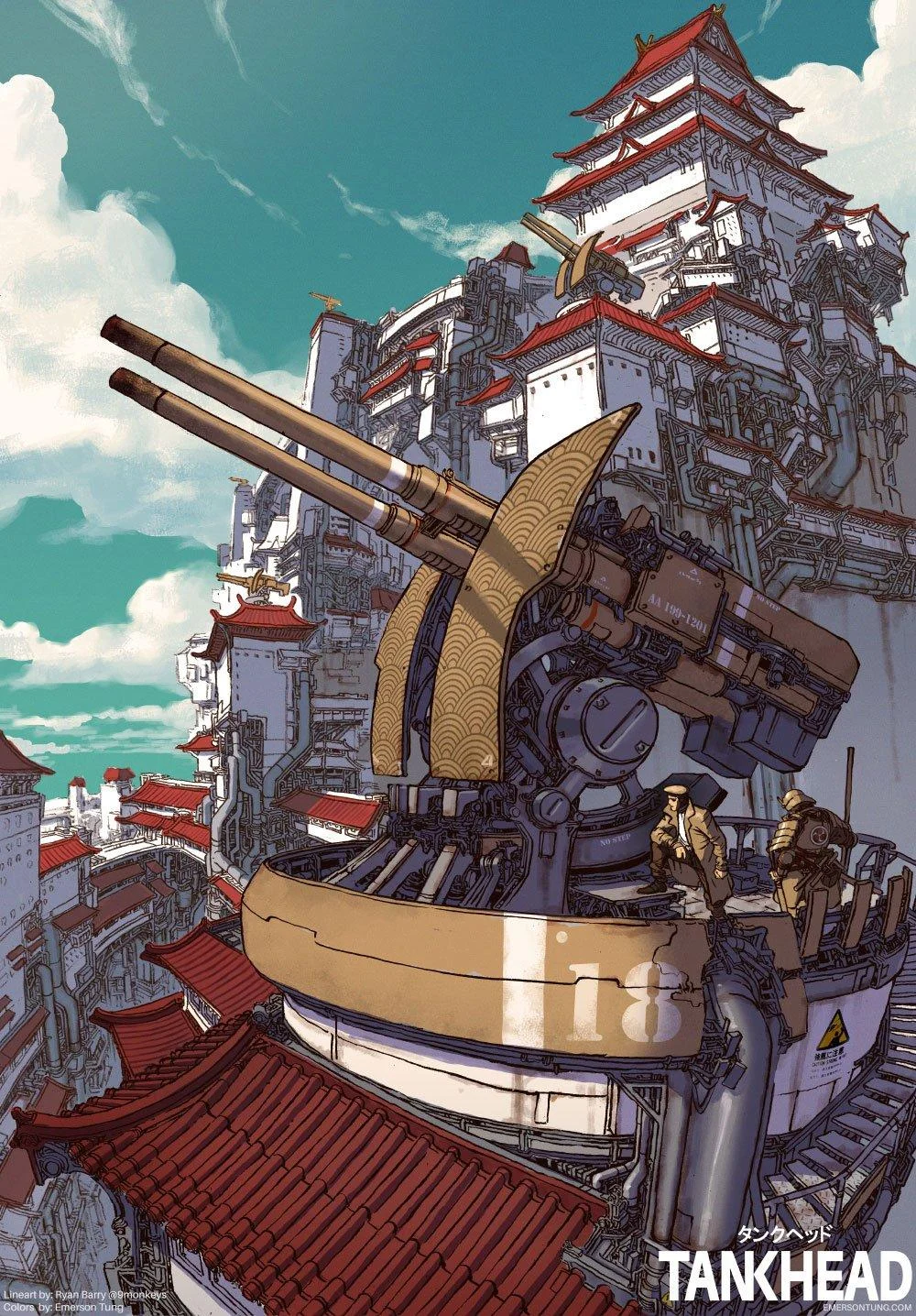
- The Industrial Precision of Joe Peterson: A spotlight on Joe Peterson highlights his mastery of "hard-surface" design. Known for his work with Blizzard Entertainment on titles like Overwatch and StarCraft II, Peterson’s portfolio is a masterclass in functional mechanical design, where every bolt and piston serves a visual purpose.
Chronology: A Decade of Aesthetic Shifts
The projects featured in this latest update trace a significant decade in the evolution of digital art tools and cinematic trends.
- 2011: The Peak of "Gritty Realism" with a Twist: When Bulletstorm was in development, the industry was dominated by "brown and gray" shooters. The concept art for the game shows a deliberate pushback against this trend, introducing saturated colors and massive, "larger-than-life" set pieces that would influence the "hero shooter" genre years later.
- 2013: The Fusion of Myth and History: Andrew Leung’s work on 47 Ronin came at a time when Hollywood was heavily investing in cross-cultural epics. The chronology of these paintings shows the transition from traditional historical research to the "elevated fantasy" style that defined the mid-2010s.
- 2017: The Bio-Mechanical Era: By the time Andrew Baker was working on Power Rangers, the industry had moved toward "biologized" technology. Influenced by the success of the Marvel Cinematic Universe and Transformers, concept artists began moving away from clean lines toward intricate, layered textures that suggest complex internal machinery.
- 2024 and Beyond: The Digital Safeguard: The current era is marked not by a specific visual style, but by a legal and ethical battle. Concept Art World’s 2026 copyright notice and anti-AI training clause mark the latest chapter in the timeline: the era of digital sovereignty for artists.
Supporting Data: The Technicality of Visual Development
Concept art is often mistaken for mere "illustration," but the data provided by these artists’ portfolios suggests a much more technical discipline.
The Role of Speed Painting
In the case of Andrew Leung, speed paintings are not just "fast drawings." They are a form of visual shorthand used by directors to make million-dollar decisions. A typical speed painting for a production like 47 Ronin is completed in 30 to 90 minutes. The objective is to establish the "Value Scale" (the range of light and dark) and the "Color Script" (the emotional tone of a scene). According to industry standards, a lead concept artist may produce dozens of these in a week during the blue-sky phase of a film.
Hard-Surface Design and Functional Logic
Joe Peterson’s work exemplifies the "functional logic" required in modern gaming. For a character or vehicle to be "rigged" (given a digital skeleton) and animated, the concept art must account for mechanical clearance. Peterson’s designs often include "break-out" sketches—detailed diagrams showing how a joint moves or how a weapon unfolds. This level of detail reduces the "iteration loop" between the art department and the 3D modeling department by up to 40%.
Weta Workshop Influence
Andrew Baker’s involvement brings the pedigree of Weta Workshop, the New Zealand-based powerhouse. Baker utilizes a workflow that combines 2D painting with 3D sculpting (ZBrush). This "hybrid workflow" has become the industry standard, allowing artists to rotate a creature design in 3D space to check silhouettes before a single frame of film is shot.
Official Responses: Protecting the Creative Legacy
The most significant "official" statement in this update comes from Concept Art World itself. As a leading online resource for creative professionals, CAW has taken a firm stance on the most controversial topic in the industry today: Generative Artificial Intelligence.
The platform’s official policy states: "All images are © by the artist(s) or their respective copyright holders. Any training of AI systems using this content is strictly prohibited."
This response is a direct reaction to the "scraping" of digital galleries by AI companies to train models like Midjourney and Stable Diffusion. By implementing these terms, Concept Art World is aligning itself with the "Human Art" movement, which argues that the nuances of visual development—the "why" behind a brushstroke—cannot be replicated by algorithmic pattern matching.
Industry veterans, including those featured in the update, have expressed that concept art is a process of problem-solving, not just image generation. While an AI can generate a "cool-looking robot," it cannot understand the narrative requirements of a script or the technical limitations of a game engine, which are the primary concerns of artists like Peterson and Baker.
Implications: The Future of the Industry
The enrichment of the Concept Art World archives highlights several critical implications for the future of the entertainment industry.
1. The Professionalization of the "Behind-the-Scenes"
Once relegated to "Art Of" books released months after a movie’s premiere, concept art is now a central part of a project’s marketing and cultural footprint. The popularity of platforms like CAW suggests that audiences are increasingly interested in the craftsmanship behind the spectacle. This visibility provides artists with more leverage and individual branding opportunities than they possessed in the 1990s or early 2000s.
2. The Human Element in a Tech-Driven World
The focus on artists like Andrew Leung and Joe Peterson serves as a reminder that the most successful designs are born from human experience and cultural research. Leung’s 47 Ronin work is steeped in an understanding of Japanese landscape painting, while Peterson’s work reflects a deep knowledge of industrial engineering. As AI becomes more prevalent, the value of "authorial intent"—the specific choices made by a human artist—is likely to become a premium commodity.
3. Intellectual Property and the "Anti-Scraping" Frontier
Concept Art World’s strict prohibition on AI training may be a harbinger of future legal battles. As copyright laws struggle to keep pace with technology, the industry is seeing a move toward "walled gardens" where high-quality, professional art is protected behind strict terms of service. This could lead to a bifurcated art world: a public sphere flooded with AI-generated imagery and a professional, "verified human" sphere where the real work of visual development occurs.
4. The Longevity of Traditional IPs
The revisit to Bulletstorm (2011) demonstrates the longevity of good concept art. Even if a game does not become a massive commercial franchise, its visual identity can influence designers for decades. By archiving these works, Concept Art World ensures that the visual "lessons" learned in 2011 remain accessible to the students and professionals of 2026.
Conclusion
The latest updates from Concept Art World are more than a gallery of beautiful images; they are a testament to the rigorous, intellectual, and technical labor that defines modern world-building. Through the lenses of Andrew Baker’s creatures, Andrew Leung’s environments, and Joe Peterson’s machines, we see the blueprint of our modern mythology. As the industry stands at a crossroads between human creativity and algorithmic automation, the work of these artists—and the platforms that protect them—remains the gold standard for visual storytelling. The "unseen architects" are finally being seen, and their blueprints are more vital than ever.